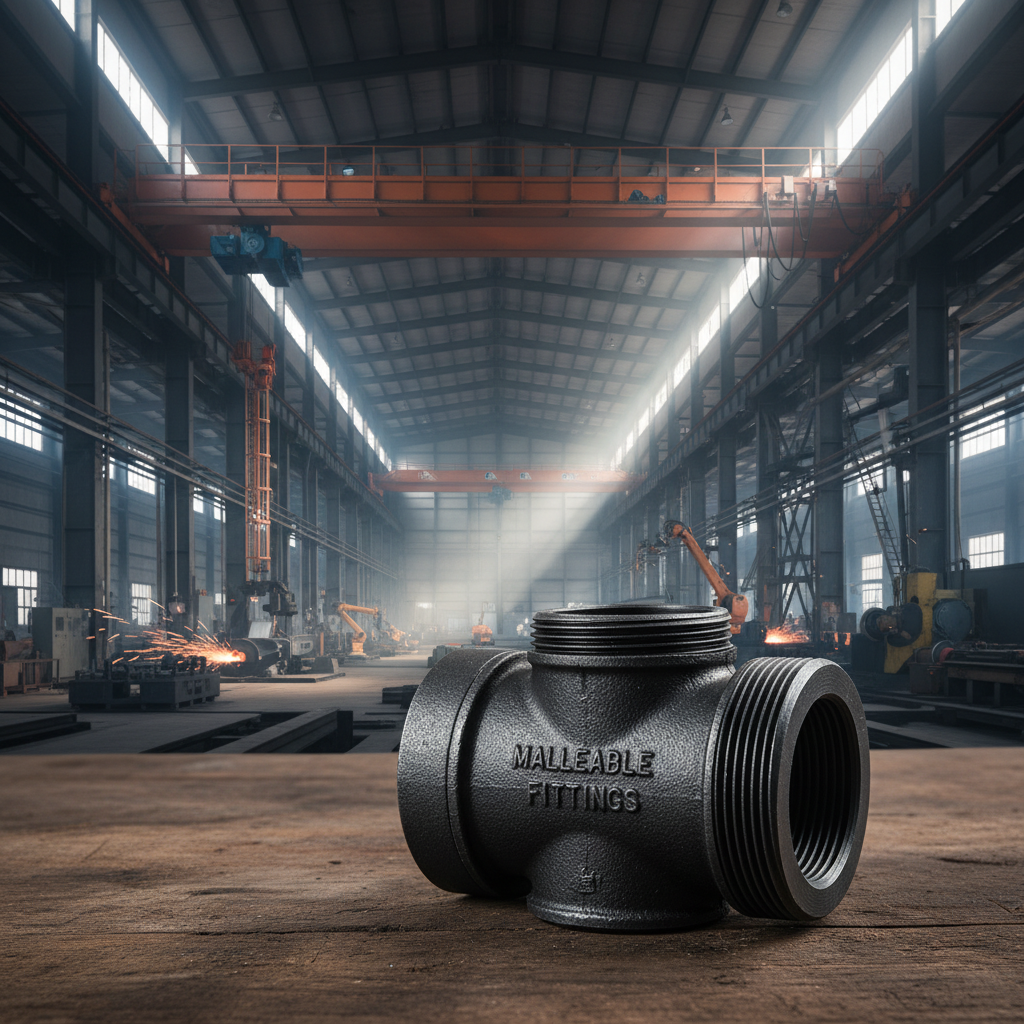
Navigating the complexities of industrial piping requires more than just a basic understanding of plumbing; it demands a precise adherence to international standards to ensure safety and compatibility. A comprehensive british standard pipe thread chart serves as the essential blueprint for engineers and procurement specialists, providing the exact dimensions and pitch required for leak-proof connections across various pressure ratings.
In a globalized manufacturing landscape, the reliance on standardized threading is what allows a Malleable Iron Pipe Fitting manufactured in one continent to integrate seamlessly with a valve produced in another. Without the guidance of a reliable british standard pipe thread chart, the risk of cross-threading, catastrophic leaks, and costly downtime increases significantly, especially in high-pressure environments like Class 300 systems.
Understanding the nuances between BSPP (parallel) and BSPT (tapered) threads is not merely a technicality but a critical safety requirement. By leveraging a detailed british standard pipe thread chart, professionals can optimize their selection of Bronze pipe Fittings or Compression Couplings, ensuring that every joint maintains structural integrity under operational stress.
The Global Significance of British Standard Pipe Thread Chart
The adoption of a universal british standard pipe thread chart has revolutionized the way fluid handling systems are designed worldwide. In industries ranging from petrochemicals to water treatment, the ability to rely on a standardized pitch and diameter prevents the chaotic incompatibility that plagued early industrialization. By following these established norms, manufacturers can ensure that their Malleable Pipe Fittings are interchangeable across different brands and regions.
Beyond simple connectivity, these standards are vital for regulatory compliance and safety certifications. In many jurisdictions, the use of certified BS threads is mandatory for gas and steam installations to mitigate the risk of explosion or toxic leaks. Consequently, the chart is not just a reference tool but a legal safeguard that ensures the dignity of worker safety and the reliability of critical infrastructure.
Decoding BSPP vs BSPT in Pipe Threading
When consulting a british standard pipe thread chart, the most critical distinction one must make is between BSPP (British Standard Pipe Parallel) and BSPT (British Standard Pipe Tapered). BSPP threads are cylindrical, meaning the diameter remains constant along the length of the pipe, requiring a gasket or O-ring to create a seal. These are typically used in applications where the fitting needs to be easily removed for maintenance or where a mechanical seal is preferred.
In contrast, BSPT threads are tapered, meaning the diameter narrows toward the end of the pipe. This design allows the threads to wedge together as they are tightened, creating a metal-to-metal seal that is often enhanced with PTFE tape or sealant. This is the gold standard for high-pressure systems where a permanent, leak-proof connection is the primary objective, often seen in Class 300 Pipe Fittings.
Choosing the wrong thread type can lead to disastrous failures; attempting to force a BSPT male into a BSPP female can damage the threads, while the reverse may lead to immediate leakage. A professional-grade british standard pipe thread chart provides the specific tolerances for both, ensuring that engineers select the correct coupling for the specific pressure and temperature requirements of their project.
Core Components of Thread Dimensions and Tolerances
The precision found within a british standard pipe thread chart is based on several core components, primarily the thread angle (which is 55 degrees for BS threads) and the pitch (the distance between thread peaks). These parameters ensure that the mating parts fit snugly without excessive play, which is essential for maintaining vacuum or high-pressure seals in Coated Pipe Fittings.
Tolerance levels are the "invisible" heroes of the british standard pipe thread chart. They define the allowable deviation from the nominal size, ensuring that even with slight manufacturing variances, the parts remain compatible. This precision is what allows Standard Malleable Iron Pipe Fittings to be mass-produced globally while maintaining a level of quality that prevents catastrophic failure in the field.
Furthermore, the chart accounts for the "gauge" size, which is different from the actual outer diameter of the pipe. This distinction often confuses novices, but for the seasoned expert, the british standard pipe thread chart clarifies exactly how the nominal bore relates to the actual physical dimensions of the threading, preventing ordering errors and installation delays.
Performance Metrics of Standardized Fittings
Evaluating the efficiency of a piping system requires looking at how well the chosen threads hold up under operational stress. By utilizing the data from a british standard pipe thread chart, we can compare the sealing efficiency and torque requirements of different fitting types. This allows for a scientific approach to selecting between a Compression Quick Connecting Malleable Iron Pipe Fitting and a standard threaded union.
The reliability of these connections is often measured by their ability to resist vibration and thermal expansion. Fittings that strictly adhere to the british standard pipe thread chart demonstrate a higher consistency in load distribution across the thread flanks, which reduces the likelihood of stress corrosion cracking over long-term usage.
Seal Reliability Comparison based on British Standard Pipe Thread Chart
Industrial Applications Across Global Sectors
The practical application of a british standard pipe thread chart extends far beyond simple water pipes. In the oil and gas sector, where pressures can reach extreme levels, the use of tapered BSPT threads ensures that valves and manifolds remain secure. In remote industrial zones, such as offshore platforms or mining sites, the ability to source a standard Malleable Pipe Fitting that matches the BS chart is the difference between a quick fix and a weeks-long shutdown.
Similarly, in the pharmaceutical and food grade industries, the precision of these threads is used to ensure hygienic seals that prevent contamination. By utilizing a british standard pipe thread chart, engineers can specify Bronze pipe Fittings that offer both corrosion resistance and a perfect mechanical fit, ensuring that the integrity of the product is never compromised by a leaking joint.
Long-term Value of Adhering to BS Standards
The long-term value of using a british standard pipe thread chart lies in the reduction of Life Cycle Costs (LCC). When systems are built using non-standard or "close-enough" threads, the result is often a higher frequency of leaks and a greater need for oversized seals. By adhering to BS standards, companies reduce their maintenance overhead and extend the operational lifespan of their infrastructure.
From a sustainability perspective, standardization minimizes waste. When a fitting fails, a standardized system allows for the replacement of a single component rather than the redesign of an entire section of piping. This efficiency is a cornerstone of modern green engineering, reducing the amount of scrapped metal and energy spent on custom fabrication.
Moreover, there is an emotional component to this technical adherence: trust. When a facility manager knows that every joint in their plant follows a verified british standard pipe thread chart, they can operate with confidence, knowing that the safety of their staff and the protection of the environment are secured by globally recognized engineering principles.
Future Trends in Precision Pipe Manufacturing
As we move toward Industry 4.0, the application of the british standard pipe thread chart is being integrated into digital twins and CAD/CAM automation. Automated CNC lathes now pull dimensions directly from digital versions of these charts, eliminating human error during the machining process of Compression Couplings and other complex fittings.
We are also seeing a shift toward advanced materials that maintain these standards while offering superior performance. For example, new coated alloys are being developed that adhere to the BS thread profile but provide extreme resistance to saltwater corrosion, further extending the utility of the british standard pipe thread chart in marine environments.
Finally, the integration of IoT sensors into threaded joints is on the horizon. By combining the physical precision of the british standard pipe thread chart with real-time pressure monitoring, future piping systems will be able to predict a seal failure before it happens, moving from reactive maintenance to a truly predictive model.
Comparative Analysis of Threading Standards and Application Efficiency
| Thread Type |
Sealing Mechanism |
Pressure Suitability |
BS Chart Compliance |
| BSPT (Tapered) |
Metal-to-metal wedge |
High (Class 300+) |
Strict (9.5/10) |
| BSPP (Parallel) |
Gasket/Bonded Seal |
Medium to High |
Strict (9.0/10) |
| Compression |
Ferrule Compression |
Variable |
Compatible (8.0/10) |
| Malleable Iron |
Threaded Interface |
Medium |
High (9.0/10) |
| Bronze Fittings |
Precision Threading |
Medium to High |
High (9.0/10) |
| Coated Fittings |
Protected Threading |
High (Corrosive) |
Strict (9.5/10) |
FAQS
The primary difference is the geometry of the thread. BSPP (Parallel) threads have a constant diameter and require a seal or washer to prevent leaks. BSPT (Tapered) threads are conical, allowing them to create a tight, metal-to-metal seal as they are tightened. When using a british standard pipe thread chart, always check if your application requires a permanent taper seal or a removable parallel connection.
No, it is highly discouraged. While NPT (National Pipe Taper) and BSPT look similar, they have different thread angles (60° for NPT vs 55° for BSPT) and different pitches. Attempting to mix them will lead to cross-threading and inevitable leaks, regardless of how much sealant you use. Always stick to the dimensions specified in the british standard pipe thread chart for BS-compatible systems.
The nominal size (e.g., 1/2") does not refer to the actual inner or outer diameter of the pipe, but rather a standard designation. To find the actual physical dimensions for machining or measurement, you must look at the "Major Diameter" and "Pitch" columns of the british standard pipe thread chart, which provide the exact millimeter or inch measurements required for a perfect fit.
For Class 300 systems, BSPT (Tapered) threads are generally preferred because they provide a superior mechanical seal under pressure. Using a british standard pipe thread chart to select precisely matched Malleable Iron or Bronze fittings ensures that the joint can withstand the rated pressure without failure. Always verify the pressure rating of the fitting against the thread standard.
The 55-degree thread angle is the defining characteristic of British Standard threads. This specific angle optimizes the balance between the strength of the thread flank and the sealing capability of the joint. If a thread is cut at 60 degrees (like NPT), it will not seat correctly against a BS fitting, leading to a failure in the sealing surface.
Request a Material Test Report (MTR) or a Certificate of Conformity (CoC) that explicitly mentions compliance with BS standards. You can also use a calibrated thread gauge to verify the pitch and diameter against a british standard pipe thread chart. Reputable suppliers of Malleable Iron and Bronze fittings will always provide documentation proving adherence to these international norms.
Conclusion
The utility of a british standard pipe thread chart extends far beyond simple measurement; it is the foundation of industrial interoperability and safety. By meticulously defining the differences between BSPP and BSPT, and providing rigorous tolerances for everything from Malleable Iron to Bronze pipe Fittings, these standards eliminate the guesswork from engineering. Whether you are managing a high-pressure Class 300 system or installing simple compression couplings, adherence to these charts ensures that every connection is secure, sustainable, and safe.
As the industry moves toward greater automation and smarter materials, the core principles of the british standard pipe thread chart will remain relevant, serving as the physical interface between traditional plumbing and future technology. We encourage engineers and procurement managers to prioritize certified fittings and maintain an updated reference chart to avoid costly installation errors. For high-quality, standard-compliant fittings that guarantee a perfect fit every time, visit our website: www.pannextfittings.com.