The global infrastructure landscape relies heavily on the integrity of fluid transport systems, where the precision of connection points determines the overall safety and efficiency of the network. In high-pressure industrial environments, the selection of high-quality components is not merely a procurement choice but a critical engineering decision to prevent leaks and systemic failures.
From urban water distribution to complex chemical processing plants, the demand for components that can withstand extreme thermal stress and mechanical vibration is ever-growing. The industry has shifted toward standardized, certified solutions that ensure compatibility across different regional engineering norms, reducing downtime and installation costs.
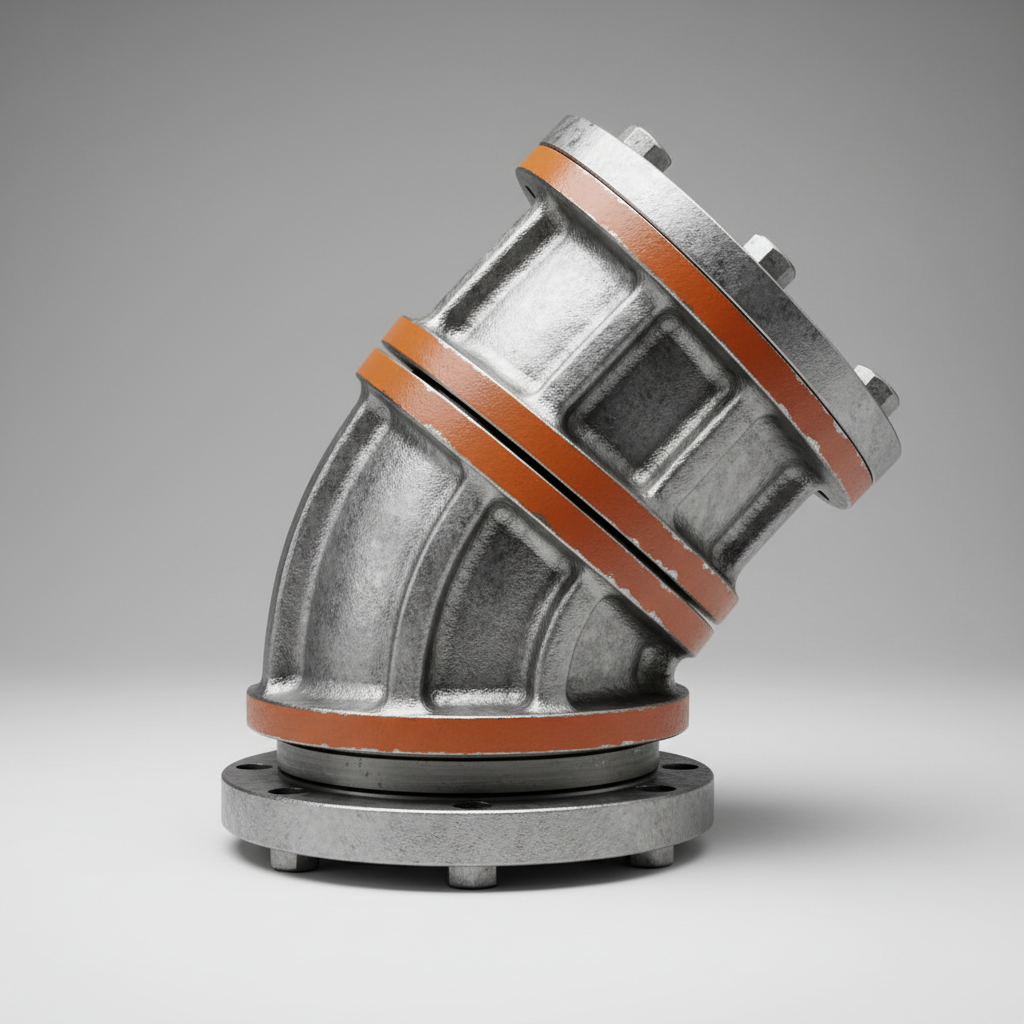
Understanding the technical nuances of metal pipe fittings allows engineers to optimize system longevity and safety. By adhering to strict standards like ASME B16.3, industries can ensure that their piping networks remain resilient under pressures up to 300 PSI, ensuring operational continuity in the most demanding settings.
Global Relevance of Malleable Iron Components
The global industrial sector operates on a scale where standardized connectivity is paramount. Malleable iron components, particularly those meeting American standards, provide the necessary structural bridge between different pipe segments in water, gas, and oil transport. The ability of these components to maintain seal integrity under varying temperatures is what keeps power plants and manufacturing hubs operational.
Across diverse economic regions, the adoption of FM and UL listed approved fittings signifies a commitment to international safety benchmarks. As urban centers expand and industrial zones become more complex, the reliance on durable, high-pressure rated components ensures that infrastructure can scale without compromising the safety of the surrounding environment.
Defining Class 300 Metal Pipe Fittings
In technical terms, Class 300 metal pipe fittings refer to a specific pressure rating designed for more demanding environments than the standard Class 150. These fittings are engineered from malleable iron, a material that has undergone specialized heat treatment to remove the brittleness associated with traditional cast iron, allowing it to be deformed without fracturing.
These components are defined by their adherence to ASTM A197 and ASME B16.3 standards, ensuring a consistent thread profile (NPT/BS21) and material composition. The "Class 300" designation indicates a working pressure capability of 300 PSI, making them suitable for medium-pressure industrial applications where safety margins are non-negotiable.
From a humanitarian and industrial perspective, these fittings facilitate the rapid deployment of essential utilities. Whether it is establishing clean water access in remote areas or securing fuel lines in a chemical plant, the predictability of Class 300 fittings ensures that engineers can design systems with confidence in their burst pressure and leak resistance.
Core Technical Factors for Industrial Reliability
One of the primary factors determining the lifespan of metal pipe fittings is their material malleability. Unlike standard cast iron, malleable iron can accommodate pipe deformations and vibrations, which are common in heavy machinery environments. This flexibility prevents the stress-induced cracking that often leads to catastrophic system failures.
Corrosion resistance is another critical pillar of reliability. By utilizing hot-dip galvanization, these fittings receive a zinc coating—averaging 86 um—that acts as a sacrificial anode. This chemical barrier is essential for metal pipe fittings installed in humid or chemically aggressive environments, such as mining or agricultural irrigation systems.
Finally, tensile strength and elongation parameters ensure structural integrity. With a minimum strength in tension of 28.4 kg/mm and a minimum elongation of 5%, these fittings are designed to withstand sudden pressure spikes. This combination of strength and slight elasticity makes them the preferred choice for high-stakes industrial piping.
Global Applications and Industrial Use Cases
The versatility of malleable iron components allows them to be integrated into a wide array of sectors. In the chemical and pharmaceutical industries, where precise fluid control is mandatory, these fittings are used to connect oil and gas lines that must withstand high temperatures up to 550°F. Their ability to remain stable under thermal expansion makes them indispensable in heat exchanger networks.
In the realm of construction and mining, these components are frequently deployed in remote industrial zones where maintenance access is limited. The ease of installation—requiring only rotation for connection—allows for rapid setup and repair without the need for specialized heavy tooling, which is crucial during emergency maintenance in post-disaster relief or remote mining operations.
Performance Comparison of Industrial Metal Pipe Fittings
Tangible Advantages and Long-Term Value
The primary value proposition of using high-grade metal pipe fittings lies in the reduction of Total Cost of Ownership (TCO). While lower-grade alternatives may offer initial savings, the durability of malleable iron—backed by a minimum 1-year guarantee and FM/UL certifications—drastically reduces the frequency of leaks and the cost of emergency repairs.
Beyond the financial logic, there is an emotional and ethical component to choosing certified fittings: safety. In industrial settings, a failed pipe fitting can lead to hazardous leaks or explosions. By ensuring every fitting is qualified, companies protect their workforce and the environment, fostering a culture of trust and professional innovation in their engineering practices.
Future Trends in Piping Material Innovation
The future of fluid transport is moving toward "smart" infrastructure and sustainable materials. We are seeing a trend where traditional metal pipe fittings are being integrated with sensor technology to monitor pressure drops and leakages in real-time. This digital transformation allows for predictive maintenance, moving away from reactive repairs to a proactive system health model.
Sustainability is also driving innovation in coating technologies. Newer, more eco-friendly galvanization processes are being developed to reduce the environmental impact of zinc production while maintaining the 77.6 um to 86 um coating thickness required for extreme corrosion resistance. This ensures that industrial growth does not come at the expense of ecological health.
Furthermore, the push toward green energy, such as hydrogen transport, is challenging material scientists to evolve malleable iron compositions. Future fittings may incorporate advanced alloys that prevent hydrogen embrittlement, ensuring that the foundational principles of the Class 300 standard evolve to meet the energy needs of the 21st century.
Overcoming Common Installation Challenges
A common challenge in the field is the misalignment of pipes during installation, which can put undue stress on the threads. Because these metal pipe fittings are made of malleable iron, they offer a degree of flexibility that helps absorb these stresses, but professional installers still emphasize the importance of precise NPT/BS21 threading to ensure a leak-proof seal.
Another frequent issue is the selection of the wrong surface finish for the environment. Using black iron in a highly corrosive outdoor setting often leads to premature rust. The solution is the strict application of hot-dip galvanized fittings, which provide a robust zinc layer capable of withstanding the elements for years without degrading the core structural integrity.
Lastly, managing pressure spikes in high-temperature systems (up to 550°F) requires careful calculation of the expansion coefficients. By utilizing the specific dimensions of Class 300 sockets and couplings, engineers can build in necessary tolerances, ensuring that the system remains stable even during extreme thermal cycling.
Technical Specifications and Dimensional Analysis of Class 300 Fittings
|
Item Code
|
Nominal Size (Inch)
|
Dimension B (mm)
|
Unit Weight (Gram)
|
| CPL02 |
1/4 |
34.8 |
68 |
| CPL05 |
1/2 |
47.5 |
181 |
| CPL10 |
1 |
60.2 |
416.5 |
| CPL15 |
1-1/2 |
72.9 |
835 |
| CPL20 |
2 |
91.9 |
1394 |
| CPL40 |
4 |
108.0 |
4700 |
FAQS
The primary difference is the pressure rating. Class 300 fittings are engineered to withstand higher internal pressures (up to 300 PSI) and are typically thicker and stronger than Class 150 versions. This makes Class 300 the ideal choice for critical industrial applications involving oil, gas, or high-pressure water lines where a higher safety factor is required to prevent leaks.
Yes, provided you select the hot-dip galvanized version. The galvanization process applies a zinc coating (averaging 86 um) that protects the underlying malleable iron from oxidation and salt-spray corrosion. This makes them highly durable for coastal construction, agricultural, and mining projects where exposure to moisture and corrosive elements is constant.
No, one of the core advantages of these fittings is their ease of installation. Because they utilize standardized NPT/BS21 threads, they can be connected to compatible pipes through simple rotation. This eliminates the need for expensive welding equipment or specialized pressing tools, significantly reducing labor costs and installation time on-site.
For industrial-grade safety, look for FM and UL Listed Approved certifications. These indicate that the products have undergone rigorous third-party testing for fire safety and structural integrity. Additionally, ensuring the product meets ASME B16.3 and ASTM A197 standards guarantees that the material properties and dimensions are consistent with global engineering requirements.
Yes, these malleable iron fittings are designed to maintain their structural integrity at high temperatures, specifically up to 550°F. This makes them suitable for steam lines, oil transport, and other thermal industrial processes where plastic or lower-grade metal fittings would fail or deform under heat stress.
We provide a minimum 1-year guarantee on our fittings. This guarantee covers manufacturing defects and ensures that the product meets the stated pressure and material specifications. Given the high durability of malleable iron and hot-dip galvanization, most of our fittings last significantly longer than the guarantee period when installed correctly.
Conclusion
In summary, the selection of Class 300 malleable iron metal pipe fittings is a strategic investment in the safety and longevity of industrial infrastructure. By combining high tensile strength, superior corrosion resistance through galvanization, and strict adherence to ASME and ASTM standards, these components solve the critical challenge of maintaining leak-proof connections in high-pressure and high-temperature environments.
As the industry moves toward more sustainable and digitally integrated systems, the foundational reliability of these fittings remains irreplaceable. We recommend that engineers and procurement officers prioritize FM/UL certified components to mitigate risk and ensure operational continuity. For high-quality, certified piping solutions, visit our website: www.pannextfittings.com