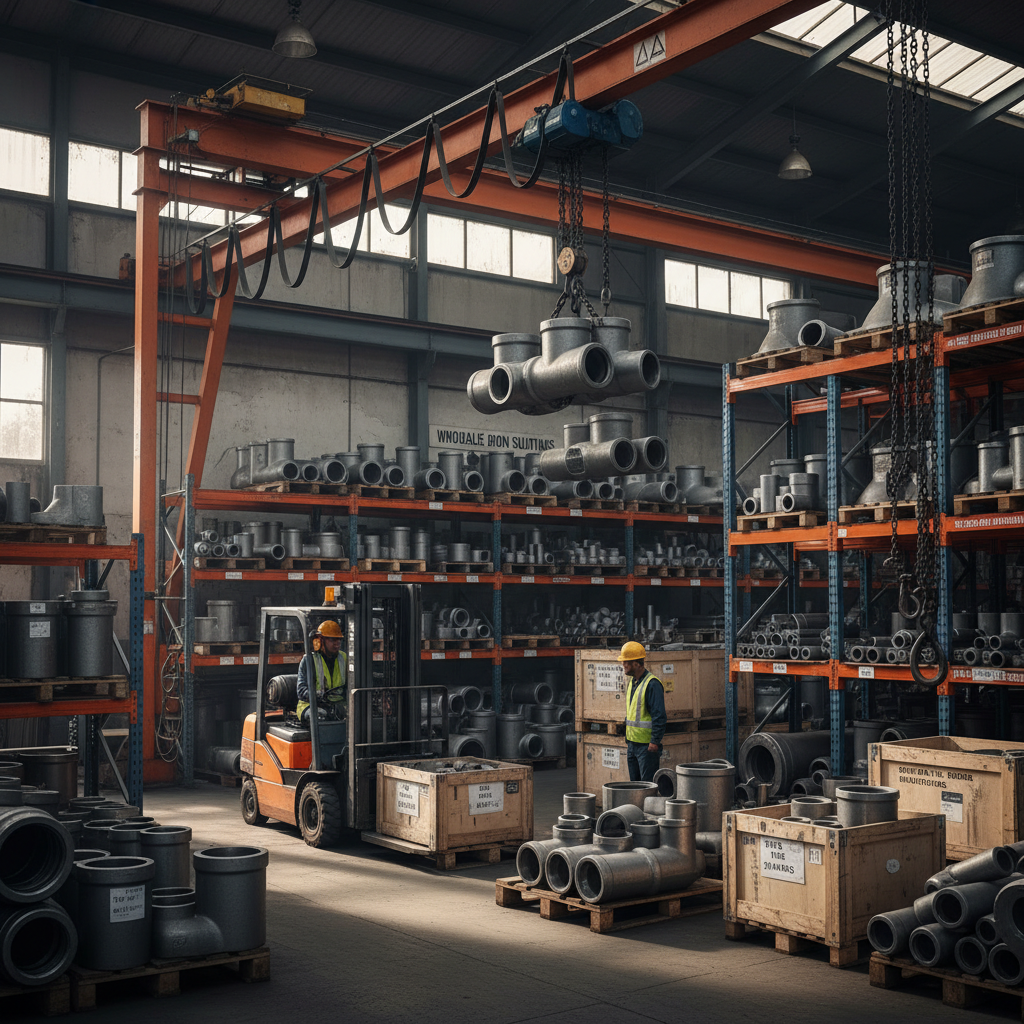
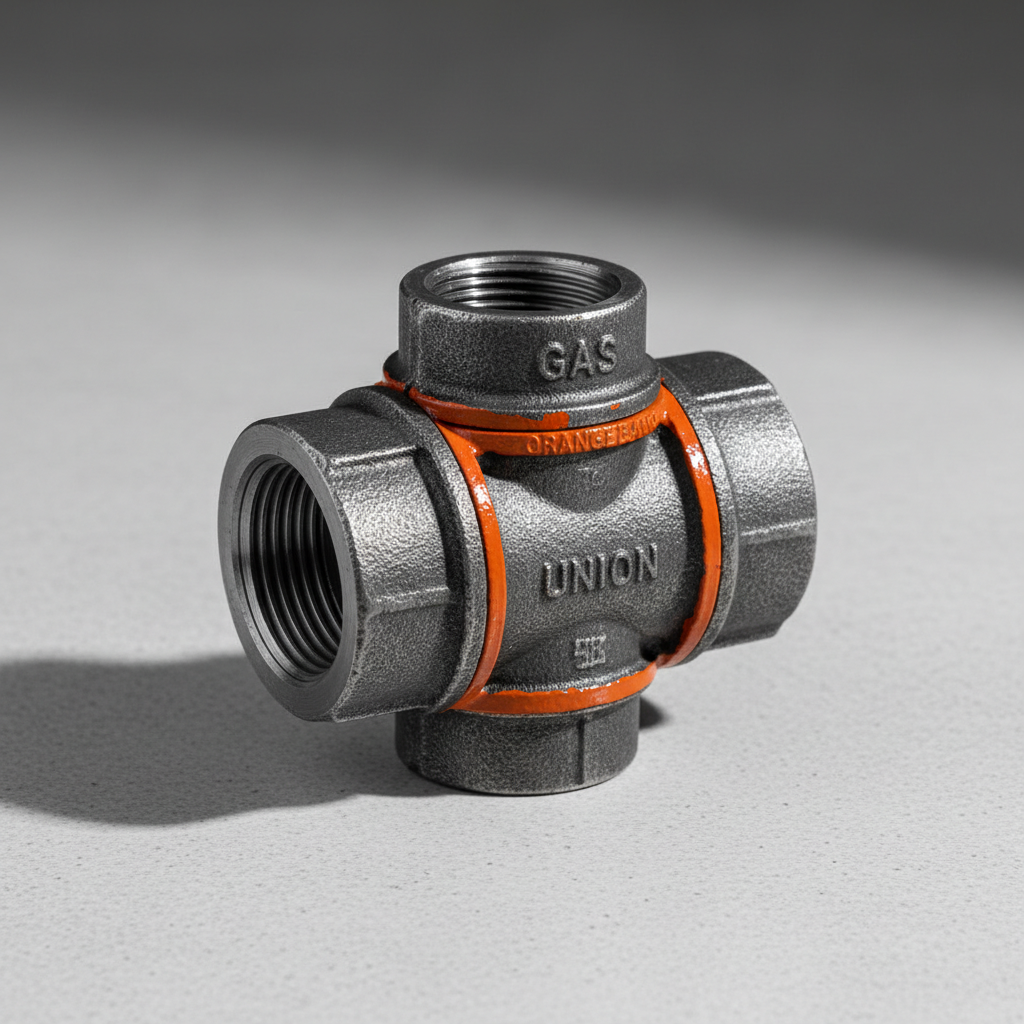
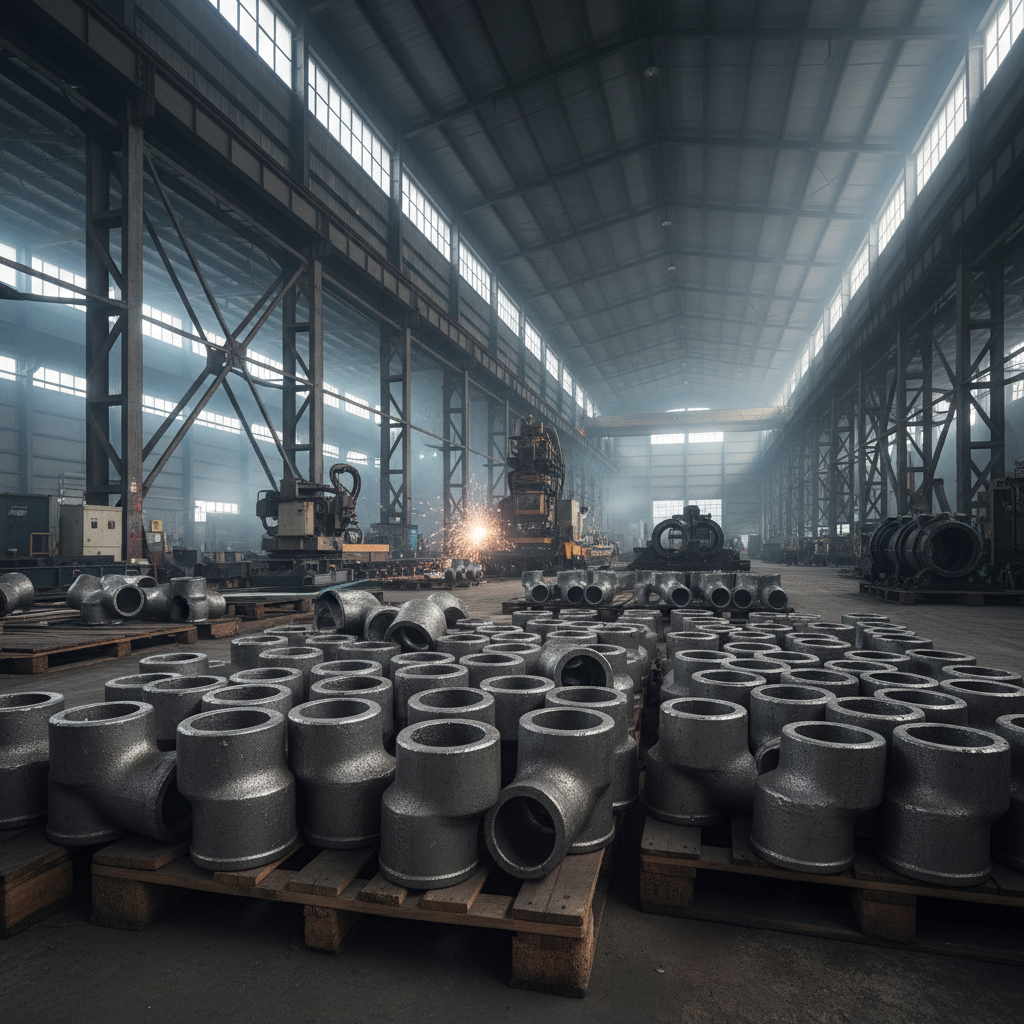
In the complex landscape of industrial piping, the precise redirection of fluid and gas flow is critical for system efficiency and safety. A 90 degree bend serves as a fundamental component in these networks, allowing for right-angle transitions that optimize space and ensure structural integrity across various manufacturing environments. Understanding the technical nuances of these fittings is essential for engineers aiming to minimize pressure drops and prevent leakage in high-pressure applications.
Globally, the demand for high-quality malleable iron fittings has surged as infrastructure projects in developing regions prioritize durability and standardization. The adoption of international standards like ISO 49 and EN 10242 ensures that every connection, including the essential 90 degree bend, maintains a consistent fit and performance level. This standardization reduces installation errors and enhances the overall lifespan of industrial piping systems.
For professionals seeking reliable solutions, selecting a 90 degree bend that is UL Listed and FM Approved provides peace of mind regarding fire safety and structural reliability. By utilizing beaded malleable cast iron, industries can achieve a perfect balance between malleability and tensile strength, ensuring that piping systems can withstand the rigors of intense industrial operations.
Technical Standards of the 90 Degree Bend
The technical foundation of a high-performance 90 degree bend relies heavily on adherence to rigorous international standards. By following ISO 49 and EN 10242 (symbol C), manufacturers ensure that the dimensions and threading are precise, allowing for seamless integration into existing pipe networks regardless of the geographic location of the project.
These standards govern not only the geometry of the bend but also the threading options, such as BSPT and NPT, which are critical for creating leak-proof seals. When a 90 degree bend is manufactured to these exacting specifications, it ensures that the flow dynamics are optimized, reducing turbulence and energy loss within the piping system.
Material Science and Malleability
At the core of these fittings is BS EN 1562, EN-GJMB-350-10 malleable cast iron. Unlike standard cast iron, which can be brittle and prone to cracking under stress, malleable iron undergoes a specific heat treatment process. This process grants the 90 degree bend the ability to be deformed slightly without fracturing, a property known as malleability.
This physical property is vital for the installation of a 90 degree bend in environments where thermal expansion or mechanical vibrations are present. With a minimum tensile strength of 300 MPA and an elongation rate of at least 6%, these fittings can absorb shocks and stresses that would otherwise cause a catastrophic failure in rigid piping.
Furthermore, the structural integrity of the material ensures that the fitting maintains its shape under internal pressure. This makes the 90 degree bend an ideal choice for heavy-duty industrial applications where reliability is non-negotiable and safety is the primary concern.
Durability and Surface Protection
The longevity of a 90 degree bend is significantly influenced by its surface treatment, which acts as the first line of defense against corrosion. Depending on the environment, these fittings are available in black iron or hot-dip galvanized finishes to prevent oxidation.
For maximum protection, the hot-dip galvanized process provides a zinc coating with an average thickness of 70 um, ensuring that every 90 degree bend has at least 63 um of coverage. This creates a sacrificial layer that protects the underlying iron from moisture and chemical aggression.
This level of surface protection is essential for installations in humid or coastal areas. By implementing such high standards for coating, the 90 degree bend remains functional for years, reducing the need for frequent replacements and lowering the total cost of ownership for the operator.
Pressure Ratings and Performance
Efficiency in fluid transport is measured by a fitting's ability to handle pressure without compromising safety. A standard 90 degree bend in the 150 Class BS/EN range is designed to operate within a working pressure of 20 to 25 bar, typically rated at ≤PN25.
This pressure capacity allows the 90 degree bend to be used in a wide array of industrial systems, from compressed air lines to water distribution networks. The combination of beaded ends and high-grade malleable iron ensures that the seal remains tight even under fluctuating pressure loads.
Performance Rating of 90 Degree Bend Variants
Global Industrial Applications
The versatility of the 90 degree bend makes it indispensable across multiple sectors. In the construction of industrial plants, these fittings are used to route pipelines around structural beams and machinery, ensuring an organized and space-efficient layout.
From remote mining operations in Australia to urban infrastructure projects in Europe, the 90 degree bend is utilized in HVAC systems, fire protection sprinklers, and plumbing networks. Its ability to handle both BSPT and NPT threads makes it a global product, adaptable to different regional piping standards.
Quality Certification and Compliance
Quality assurance is the cornerstone of industrial safety. A 90 degree bend that carries UL Listed and FM Approved certifications has undergone rigorous testing for fire resistance and structural load, making it suitable for high-risk environments.
Beyond these, third-party certifications from organizations such as SGS provide an additional layer of verification. This ensures that the chemical composition of the iron and the thickness of the zinc coating meet the promised specifications, guaranteeing consistency across every batch.
By maintaining these certifications, manufacturers provide a guarantee that their 90 degree bend will not fail prematurely. This commitment to quality helps clients avoid costly downtime and ensures that their piping systems remain compliant with local and international safety codes.
Sizing and Weight Specifications
Selecting the correct size for a 90 degree bend is critical for maintaining the correct flow rate and pressure within a system. Fittings are available in a range of sizes, from 1/2 inch up to 1.1/2 inches, each designed to match standard pipe diameters.
The weight of the fitting is a key indicator of its material density and wall thickness. For instance, a 1/2 inch bend weighs approximately 0.102 KG, while a 1.1/2 inch bend increases to 0.588 KG, reflecting the increased material required to maintain the PN25 pressure rating.
Precise weight and size data allow engineers to calculate the total load on piping supports and ensures that the 90 degree bend fits perfectly into the designated space without requiring field modifications.
Physical Specifications of the Malleable Iron 90 Degree Bend
| Item Code |
Nominal Size (Inch) |
Weight (KG) |
Pressure Rating |
| EBL4505 |
1/2 |
0.102 |
≤PN25 |
| EBL4507 |
3/4 |
0.206 |
≤PN25 |
| EBL4510 |
1 |
0.275 |
≤PN25 |
| EBL4512 |
1.1/4 |
0.473 |
≤PN25 |
| EBL4515 |
1.1/2 |
0.588 |
≤PN25 |
| Average |
Mixed |
0.328 |
20-25 Bar |
FAQS
A malleable 90 degree bend is made from cast iron that has been heat-treated to remove brittleness. This allows the fitting to be deformed without cracking, making it far more durable than standard gray iron fittings in environments subject to vibration or thermal shock.
Yes, our beaded malleable iron 90 degree bend is rated for working pressures between 20 and 25 bar (≤PN25). With a minimum tensile strength of 300 MPA, it is designed to handle significant pressure loads safely, provided it is installed according to standard guidelines.
UL (Underwriters Laboratories) and FM (Factory Mutual) are globally recognized safety certifications. For a 90 degree bend, these certifications mean the product has passed rigorous tests for strength and fire safety, making it compliant with insurance and safety requirements for industrial buildings.
The hot-dip galvanizing process creates a zinc layer (average 70 um). Zinc acts as a sacrificial anode; it corrodes before the iron does. This prevents rust from reaching the structural body of the 90 degree bend, significantly extending its lifespan in outdoor or wet environments.
Yes, we support both BSPT and NPT threading standards. Additionally, we accept OEM requirements to ensure the 90 degree bend meets the specific threading and sizing needs of your particular project or regional standard.
Typically, the delivery time is 35 days upon receipt of advanced payment. We utilize an efficient production process with heavy molds to ensure fast delivery without sacrificing the quality and precision of each 90 degree bend produced.
Conclusion
The 90 degree bend is more than just a simple connector; it is a precision-engineered component that ensures the safety and efficiency of industrial fluid transport. By combining the structural benefits of malleable cast iron, the protection of hot-dip galvanization, and the reliability of UL/FM certifications, these fittings provide an optimal solution for complex piping challenges across the globe.
As industries move toward greater automation and stricter safety regulations, the importance of using standardized, high-quality fittings cannot be overstated. Investing in a 90 degree bend that meets ISO and EN standards is a strategic decision that reduces long-term maintenance costs and ensures operational continuity. For more information on our full range of pipe fittings, visit our website: www.pannextfittings.com