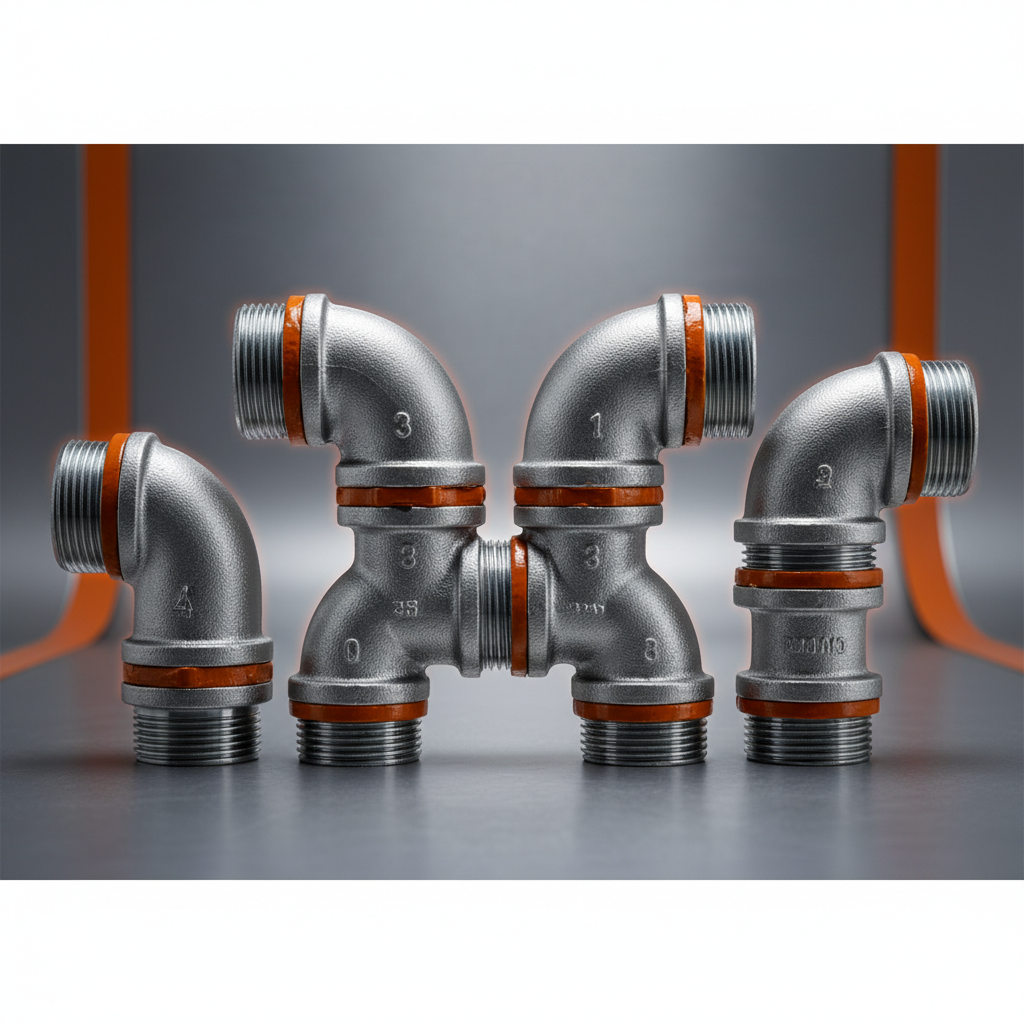
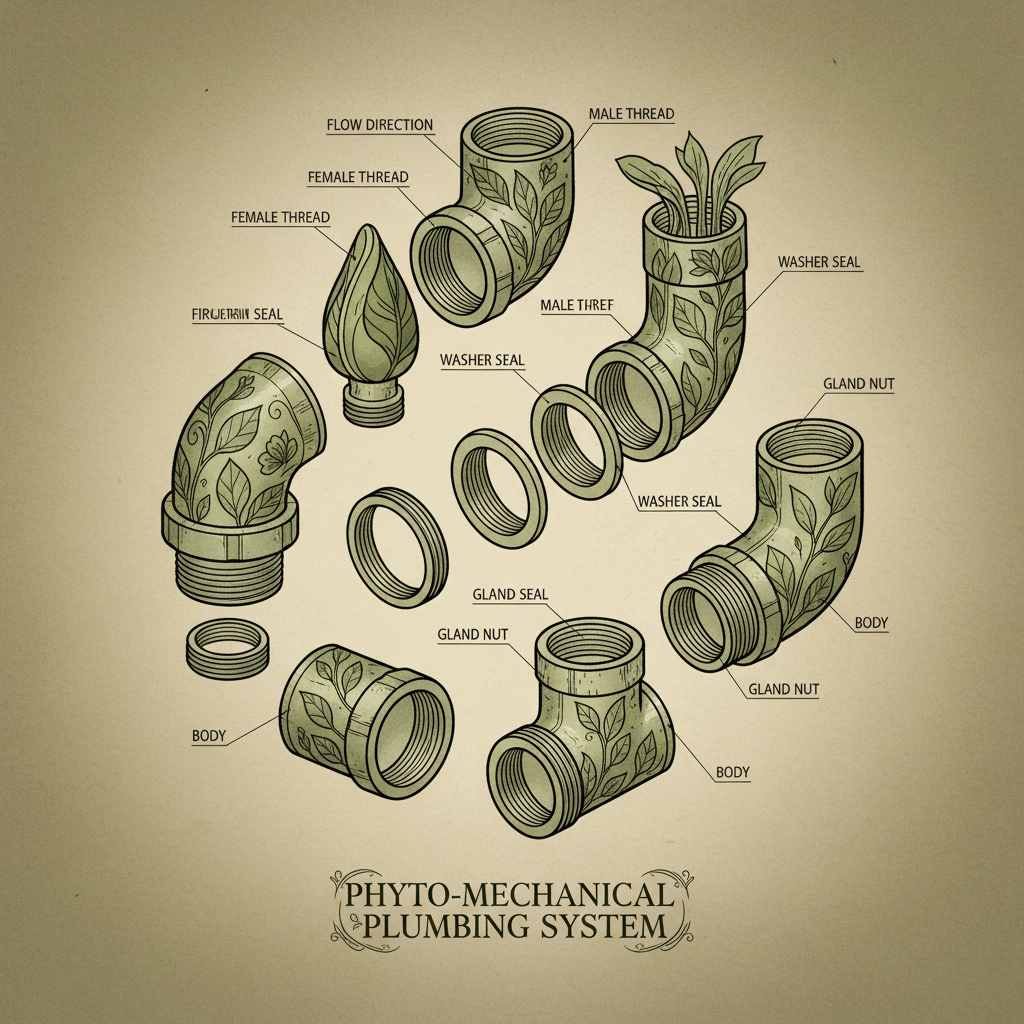
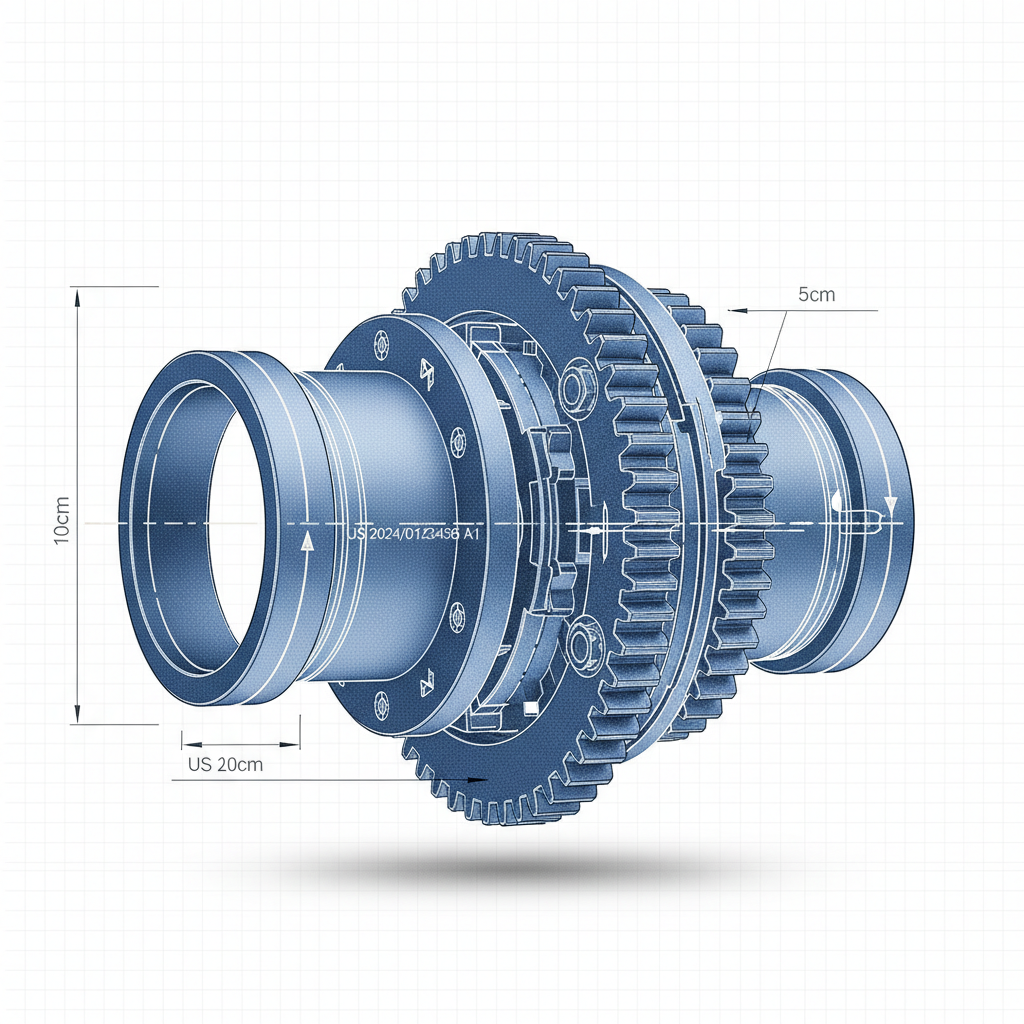
The global infrastructure landscape relies heavily on the precision and reliability of fluid transport systems, where the selection of a high-quality pipeline fitting determines the overall longevity and safety of the network. Whether in heavy industrial plants or municipal water systems, these components serve as the critical junctions that allow for directional changes, diameter adjustments, and secure connections between pipes. Understanding the nuances of material science and engineering standards is essential for preventing costly leaks and catastrophic system failures.
In the modern manufacturing sector, specifically within the metal products industry, the demand for robust solutions has led to the refinement of malleable iron components. These parts are engineered to withstand significant mechanical stress and environmental pressures, ensuring that the integrity of the flow is maintained under rigorous operational conditions. The ability to balance cost-efficiency with high tensile strength makes these components a preferred choice for engineers worldwide.
When selecting the right pipeline fitting, professionals must consider the specific working pressures and connection standards, such as NPT or BSP, to ensure seamless integration. By prioritizing standardized specifications and proven metallurgical techniques, industries can reduce downtime and enhance the sustainability of their piping architectures across various global applications.
The Industrial Significance of Malleable Iron Fittings
Malleable iron provides a unique combination of strength and ductility, making it an ideal material for any critical pipeline fitting used in structural piping. Unlike gray iron, which is brittle, the annealing process used in malleable iron production allows the material to absorb energy and resist impact, reducing the risk of cracking under vibration or sudden pressure surges.
This characteristic is vital for industrial installations in Hebei and other global manufacturing hubs where machinery vibration is constant. By utilizing casting techniques that optimize the grain structure of the metal, these fittings provide a reliable seal and structural stability that supports the entire fluid transport network.
Technical Specifications and Material Integrity
The structural integrity of a pipeline fitting is primarily defined by its tensile strength and its ability to resist deformation under load. For these malleable iron components, a tensile strength of 28.4 kg/mm ensures that the fitting can handle the mechanical stresses associated with tight installations and thermal expansion. This high threshold is critical for maintaining the safety of high-pressure environments.
Beyond raw strength, the casting process plays a pivotal role in eliminating internal voids and inconsistencies. By adhering to strict metallurgical controls, the resulting products exhibit a uniform density, which is essential for maintaining a consistent working pressure of 1.6MPa across the entire range of sizes, from 1/8" to 2-1/2".
Durability is further enhanced by the material's inherent resistance to wear. In environments where fluids may contain abrasive particles or where the fitting is exposed to harsh external conditions, the robust nature of malleable iron prevents premature erosion, thereby extending the lifecycle of the installation and reducing the frequency of replacement.
Understanding Connection Standards and Compatibility
Compatibility is the cornerstone of efficient system assembly. A professional pipeline fitting must adhere to recognized international standards to ensure a leak-proof seal. The two most common standards utilized in these products are NPT (National Pipe Tapered) and BSP (British Standard Pipe), each serving different regional and industrial requirements.
The female connection design of these fittings allows for a secure, threaded interface that distributes pressure evenly across the contact surfaces. When a pipeline fitting is correctly matched to its corresponding pipe standard, it minimizes the risk of cross-threading and ensures that the seal remains tight even under the maximum working pressure of 1.6MPa.
Selecting the wrong thread standard can lead to immediate failure or slow-seeping leaks that compromise system efficiency. Therefore, it is imperative for procurement officers and engineers to verify whether the project requires the tapered seal of NPT or the specific dimensions of BSP before finalizing the order for their pipeline fitting components.
Performance Analysis of Pressure Ratings
Pressure management is the most critical safety factor in any piping system. The distinction between working pressure and test pressure is fundamental; while the working pressure is the maximum load the system is designed to handle continuously, the test pressure is a higher threshold used to verify the fitting's integrity during quality control.
For this specific range of malleable iron components, the working pressure is rated at 1.6MPa, while the test pressure is elevated to 2.4Mpa. This safety margin ensures that the pipeline fitting can withstand unexpected pressure spikes without suffering permanent deformation or failure.
Pressure Rating and Performance Metrics
Global Applications and Sectoral Use Cases
The versatility of malleable iron fittings allows them to be deployed across a wide array of industries. In the chemical processing sector, these components are used to create secure conduits for non-corrosive fluids, where the strength of the casting prevents leaks that could lead to operational hazards. Their ability to be manufactured in a vast range of sizes makes them suitable for everything from small-scale laboratory setups to massive industrial refineries.
Additionally, in the construction of residential and commercial HVAC systems, the pipeline fitting serves as the backbone for heating and cooling networks. Because these systems often run through walls and ceilings, the reliability of the threaded female connection is paramount to prevent water damage and ensure long-term building safety.
Long-Term Reliability and Maintenance Value
Investing in high-grade malleable iron reduces the total cost of ownership over the lifespan of a facility. Because these fittings are resistant to the common failures associated with lower-quality cast iron, the need for emergency repairs is significantly diminished. This reliability translates directly into higher uptime for production lines and lower maintenance labor costs.
From a sustainability perspective, the durability of these components means they do not need to be replaced as frequently as plastic or thin-walled alternatives. This reduces material waste and the carbon footprint associated with the production and transport of replacement parts, aligning industrial operations with greener environmental goals.
Furthermore, the standardization of sizes—ranging from 1/8" to 2-1/2"—ensures that maintenance teams can easily source replacements without having to redesign existing sections of the piping. This interchangeability is a key factor in the operational agility of modern industrial plants.
Sizing Guide and Dimensional Accuracy
Precision is everything when it comes to the physical dimensions of a pipeline fitting. Even a millimeter of deviation can lead to improper seating or stress concentrations that compromise the joint. Each size, from the smallest LNT01 (1/8") to the largest LNT25 (2-1/2"), is engineered with specific dimensions (A, B, and C) to ensure a perfect fit.
For instance, the LNT01 fitting features a dimension 'A' of 5.0mm and 'B' of 17.5mm, whereas the LNT25 reaches a dimension 'A' of 15.2mm and 'B' of 98.0mm. This rigorous scaling allows engineers to calculate the exact space required for installation, preventing clashes with other structural elements in dense industrial environments.
The weight of these components also varies significantly to match their structural role, with the 1/8" fitting weighing only 7 grams while the 2-1/2" version weighs 301 grams. This proportional increase in mass ensures that larger pipes are supported by fittings with sufficient wall thickness to handle the increased volume and pressure of the fluid.
Dimensional Analysis and Weight Specifications of Malleable Iron Fittings
| Item Model |
Nominal Size (inch) |
Dimension B (mm) |
Unit Weight (g) |
| LNT01 |
1/8" |
17.5 |
7 |
| LNT05 |
1/2" |
30.0 |
31.7 |
| LNT10 |
1" |
44.5 |
60 |
| LNT15 |
1-1/2" |
59.7 |
121.7 |
| LNT20 |
2" |
73.2 |
186.7 |
| LNT25 |
2-1/2" |
98.0 |
301 |
FAQS
Working pressure (1.6MPa) is the maximum pressure the pipeline fitting is designed to handle during normal, continuous operation. Test pressure (2.4MPa) is a higher limit used during quality assurance to ensure the fitting can withstand surges and has no manufacturing defects without leaking or failing.
No, NPT and BSP threads are not interchangeable. NPT is a North American standard with a different taper and thread pitch compared to the British Standard Pipe (BSP). Using the wrong standard will result in a poor seal and potential leaks, so it is crucial to verify the standard before installation.
Malleable iron undergoes an annealing process that removes the brittleness found in standard cast iron. This results in a fitting that can withstand impacts, vibrations, and mechanical stress without cracking, making it far safer for industrial environments where structural movement is common.
The fittings have a tensile strength of 28.4 kg/mm. This high strength-to-weight ratio ensures that the components can maintain their structural integrity even when subjected to high internal pressures or external mechanical loads.
The available size range is comprehensive, spanning from 1/8" (LNT01) up to 2-1/2" (LNT25). This allows for versatility in system design, enabling engineers to transition from small capillary lines to larger main distribution pipes using a single product line.
These fittings are manufactured in Hebei, China, using advanced casting techniques. They are produced to meet international standards for both NPT and BSP connections, ensuring they can be exported and integrated into piping systems globally.
Conclusion
In summary, the selection of a high-performance pipeline fitting is a critical decision that affects the safety, efficiency, and longevity of any fluid transport system. By utilizing malleable iron with a tensile strength of 28.4 kg/mm and adhering to strict NPT/BSP standards, these components provide a reliable solution for working pressures up to 1.6MPa across a diverse size range from 1/8" to 2-1/2".
Looking forward, the continued adoption of standardized, high-durability fittings will be essential as industries move toward more automated and high-pressure systems. We recommend that engineers and procurement specialists prioritize material certification and dimensional accuracy to minimize operational risks and maximize the sustainability of their infrastructure. Visit our website for more details: www.pannextfittings.com