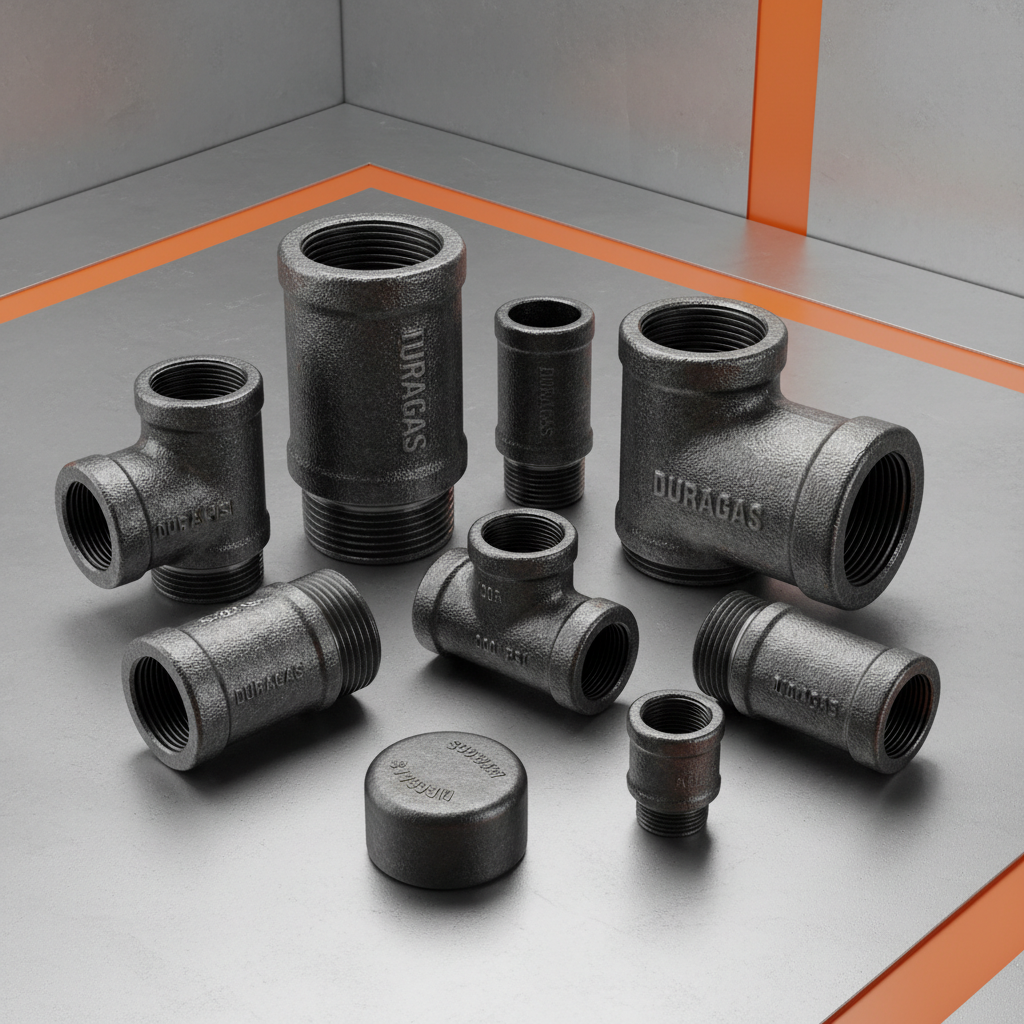
Look, I've spent the last twenty years in the trenches, boots on the ground with crews wrestling with pipe fittings. And let me tell you, a good y tees can make or break a project schedule, and frankly, a contractor's sanity. It's not just about getting the flow right, it's about reliability, minimizing downtime, and keeping everything running smoothly. We’re talking about reducing costly repairs and keeping projects on time, which is everything in this business.
You see so many shortcuts taken, so much cheap material used, and it always comes back to bite someone. A poorly made y tees fails, pressure builds, and suddenly you’re scrambling for emergency fixes. The cost of that fix almost always outweighs the initial savings on the fitting itself. I’ve seen entire phases delayed because of a single bad component.
What most folks don’t realize is how much a seemingly simple y tees impacts the whole system. It’s the intersection point, the place where things can go right or wrong. Choosing the right one means a more efficient system, fewer headaches, and a better bottom line. That’s why I always prioritize quality, even if it means paying a little more upfront.
The Importance of y tees in Fluid Systems
A y tees is a fundamental component in any fluid system, whether it's for water, gas, oil, or chemicals. It allows for branching, combining, or diverting flow, and its proper selection and installation are critical for system performance. I’ve seen systems designed beautifully on paper completely fall apart because the y tees weren’t up to spec.
It's about more than just making connections; it's about managing pressure, preventing leaks, and ensuring the longevity of the entire infrastructure. Poorly designed or manufactured y tees can create turbulence, reduce flow rates, and ultimately lead to system failure. That translates directly to wasted money and potential safety hazards.
Global Demand and Applications of y tees
The demand for y tees is huge, globally. You’re talking about everything from municipal water distribution to massive industrial processing plants. Think about the sheer scale of infrastructure development in places like China and India – they’re building cities from the ground up, and they need a lot of these fittings. And it’s not just new construction; there’s constant maintenance and upgrades to existing systems worldwide.
According to recent reports, the global pipe fittings market is projected to reach over $85 billion by 2028, and y tees represent a significant portion of that. The oil and gas industry, chemical processing, power generation, and even agriculture all rely heavily on reliable flow control, and that means quality y tees.
I’ve worked on projects in remote locations where getting even a single replacement part meant days of delay. That’s why specifying durable, readily available y tees is crucial, especially for projects in challenging environments.
Defining y tees: Functionality and Materials
At its core, a y tees is a fitting with three connections, allowing for a branch connection from a main pipe. But it's the details that matter. The angle of the branch, the size of the openings, and the material it's made from all influence its performance. Different applications demand different solutions.
We're seeing a move away from strictly galvanized steel in many applications, towards materials like stainless steel, ductile iron, and various polymers. Stainless steel offers exceptional corrosion resistance, ideal for potable water systems or chemical processing. Ductile iron provides strength and durability for high-pressure applications. And polymers, like PVC and CPVC, are lightweight and cost-effective for lower-pressure systems. Choosing the right material is key to preventing premature failure.
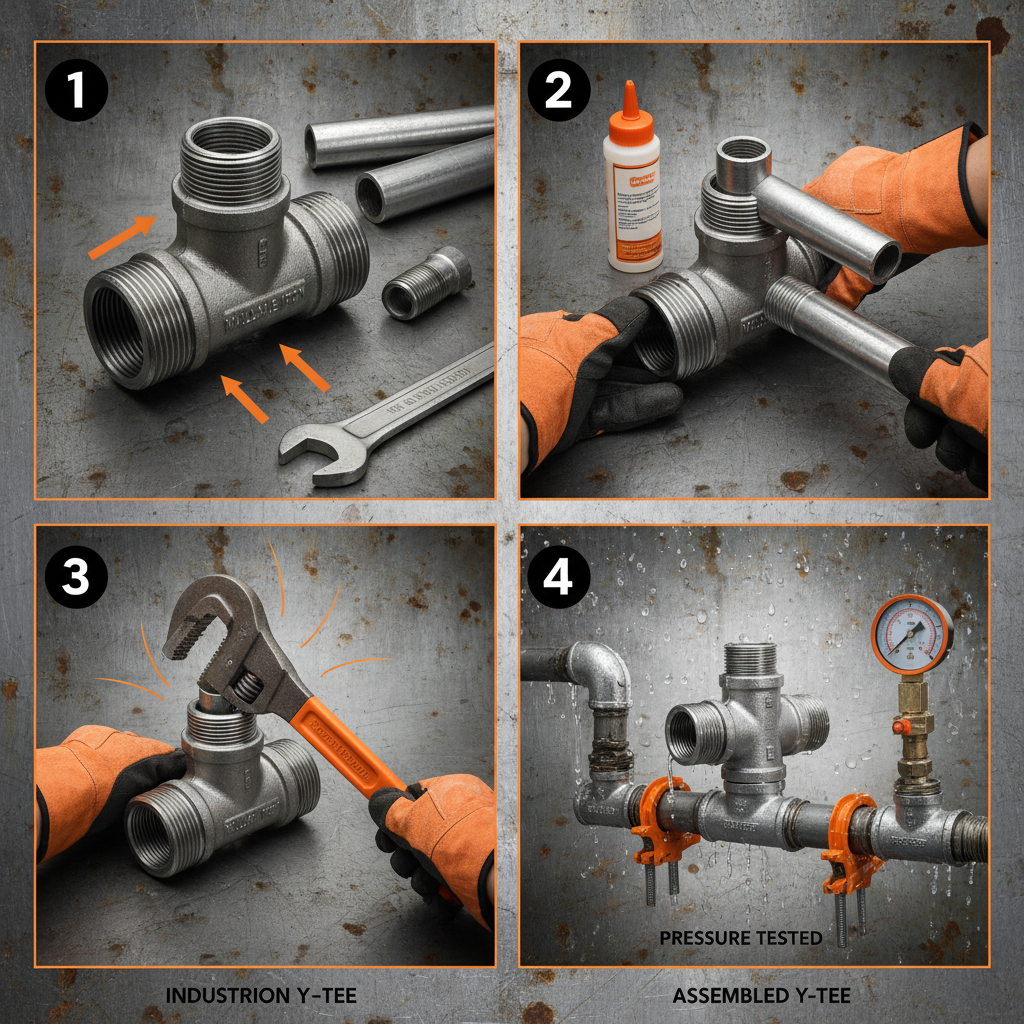
You also have to consider the connection type – threaded, welded, flanged, or compression. Each has its pros and cons in terms of installation, maintenance, and leak potential. Threaded connections are common for smaller systems, while welded connections are often preferred for high-pressure, critical applications.
Key Characteristics of High-Quality y tees
There are a few things I look for immediately when assessing a y tees. First, the smoothness of the internal surfaces. Any roughness creates turbulence and reduces flow. Second, the precision of the machining – tight tolerances are essential for a leak-proof seal.
Then you have wall thickness. A thicker wall means greater strength and resistance to pressure fluctuations. And finally, the quality of the coating, if any. A good coating protects against corrosion and extends the lifespan of the fitting.
y tees Performance Comparison
Real-World Applications of y tees
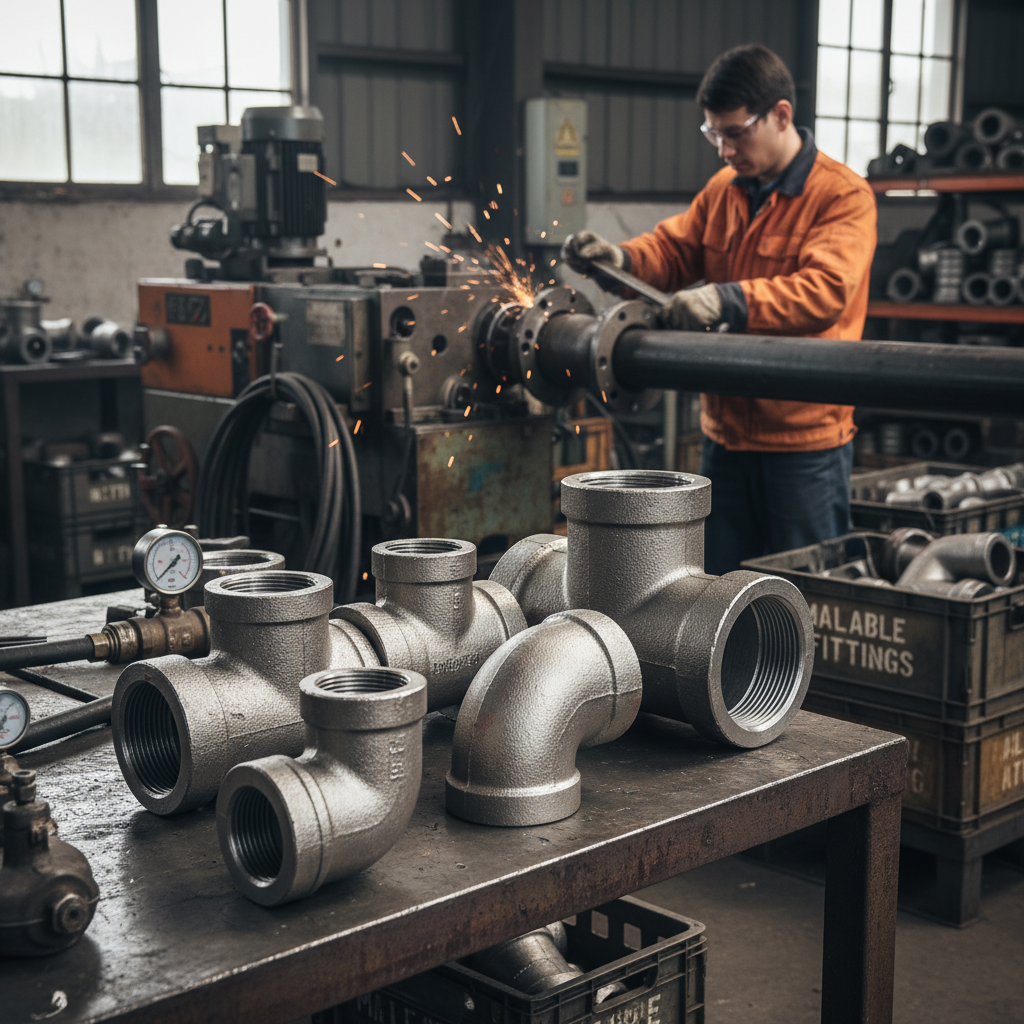
I’ve seen y tees used in everything from simple residential plumbing to complex industrial cooling systems. In a refinery, for example, they’re critical for distributing cooling water to various processing units. In a water treatment plant, they’re used to blend chemicals and manage flow to different filtration stages.
In post-disaster relief operations, quick-connect y tees are invaluable for setting up temporary water distribution systems. And in remote industrial zones, robust, corrosion-resistant y tees are essential for maintaining critical infrastructure.
The Long-Term Benefits of Investing in Durable y tees
Cheap fittings always cost you more in the long run. The downtime, the repairs, the potential for catastrophic failure—it all adds up. Investing in high-quality y tees is about preventing those problems. It's about building a system you can rely on.
It's also about sustainability. Durable fittings last longer, reducing the need for replacement and minimizing waste. That's good for the environment and good for your bottom line. And frankly, it's about peace of mind, knowing you’ve built something solid and reliable.
That peace of mind is worth a lot when you're responsible for keeping a facility running, or ensuring a community has access to clean water.
Future Trends and Innovations in y tees Technology
We're starting to see more smart y tees with integrated sensors that can monitor flow rates, pressure, and temperature. This data can be used to optimize system performance and predict potential failures. That’s going to be huge for preventative maintenance.
There's also a lot of research going into new materials, like advanced polymers and composite materials, that offer even greater strength, durability, and corrosion resistance. And 3D printing is starting to play a role, allowing for the creation of custom y tees tailored to specific applications.
I think the future of y tees is about integration, optimization, and customization, all aimed at building more efficient and reliable fluid systems.
Summary of Key Performance Indicators for y tees
| Material Type |
Pressure Rating (PSI) |
Corrosion Resistance (1-10) |
Installation Difficulty (1-10) |
| Carbon Steel |
600 |
4 |
2 |
| Stainless Steel 304 |
800 |
9 |
3 |
| Ductile Iron |
1000 |
7 |
4 |
| PVC |
400 |
8 |
1 |
| CPVC |
300 |
9 |
1 |
| HDPE |
200 |
10 |
2 |
FAQS
For corrosive environments, stainless steel, particularly 316 stainless, or high-performance plastics like CPVC are typically the best choices. They offer excellent resistance to a wide range of chemicals and prevent premature failure. Consider the specific chemicals involved to determine the most suitable material. A little extra investment upfront can save significant costs in the long run.
Proper thread sealing is critical. Always use a high-quality pipe thread sealant, like Teflon tape or a pipe dope compound, and apply it correctly. Ensure the threads are clean and undamaged. Tighten the fitting sufficiently, but avoid over-tightening, which can damage the threads. A proper seal depends on clean threads, correct sealant application, and controlled tightening.
A standard y tees has all three connections of the same size. A reducing y tees has a branch connection that is smaller in size than the main run. Reducing tees are used to tap into a larger pipe with a smaller diameter pipe. The choice depends entirely on the system's design and flow requirements.
Always select a y tees with a pressure rating that exceeds the maximum operating pressure of the system. Factor in any potential pressure surges or fluctuations. Using a fitting with an insufficient pressure rating can lead to catastrophic failure. It’s always better to err on the side of caution.
Flanged y tees provide a more robust and reliable connection, particularly for high-pressure and large-diameter systems. They are easier to disassemble for maintenance or repair, and they distribute stress more evenly, reducing the risk of leaks. While more expensive initially, they often offer a lower lifecycle cost.
Wall thickness is extremely important. A thicker wall provides greater strength and resistance to pressure, corrosion, and erosion. It also helps prevent deformation under stress. The appropriate wall thickness depends on the material, the operating pressure, and the fluid being conveyed. Always consult engineering specifications to determine the correct wall thickness for your application.
Conclusion
In the end, a y tees might seem like a small component, but its impact on the overall reliability and efficiency of a fluid system is huge. Choosing the right material, pressure rating, and connection type is critical, and investing in quality upfront will always pay dividends in the long run. It’s about preventing headaches, minimizing downtime, and building a system that you can depend on.
Looking ahead, the integration of smart technology and the development of new materials will continue to drive innovation in y tees design. Staying informed about these advancements and prioritizing long-term performance will be key to success in the years to come. Visit our website at www.pannextfittings.com to learn more about our comprehensive range of y tees and how we can help you optimize your fluid systems.