Understanding the nuances between National Pipe Thread (NPT) and straight pipe thread is crucial across numerous industries, from plumbing and oil & gas to automotive and manufacturing. While both are used to create sealed connections, their fundamental differences dictate their appropriate applications. Incorrectly applying one thread type where the other is needed can lead to leaks, failures, and potentially dangerous situations. A solid grasp of npt vs pipe thread ensures safe, reliable, and efficient systems.
The global implications are significant. Industrial leaks contribute to substantial economic losses and environmental damage. According to the EPA, leaks from piping systems in the oil and gas industry alone account for millions of tons of greenhouse gas emissions annually. The demand for reliable and standardized threading systems is therefore paramount. Moreover, adherence to international standards like ISO ensures interoperability and safety across borders, facilitating global trade and collaboration. Understanding npt vs pipe thread promotes efficient resource management and sustainable practices.
Beyond industrial contexts, proper threading knowledge impacts everyday life. From the gas lines in our homes to the water systems in our buildings, the integrity of these connections directly affects our safety and comfort. This highlights the importance of education and training for professionals working with piping systems, and even for informed consumers understanding home maintenance. Correctly differentiating between npt vs pipe thread is fundamental to maintaining safe and functional infrastructure.
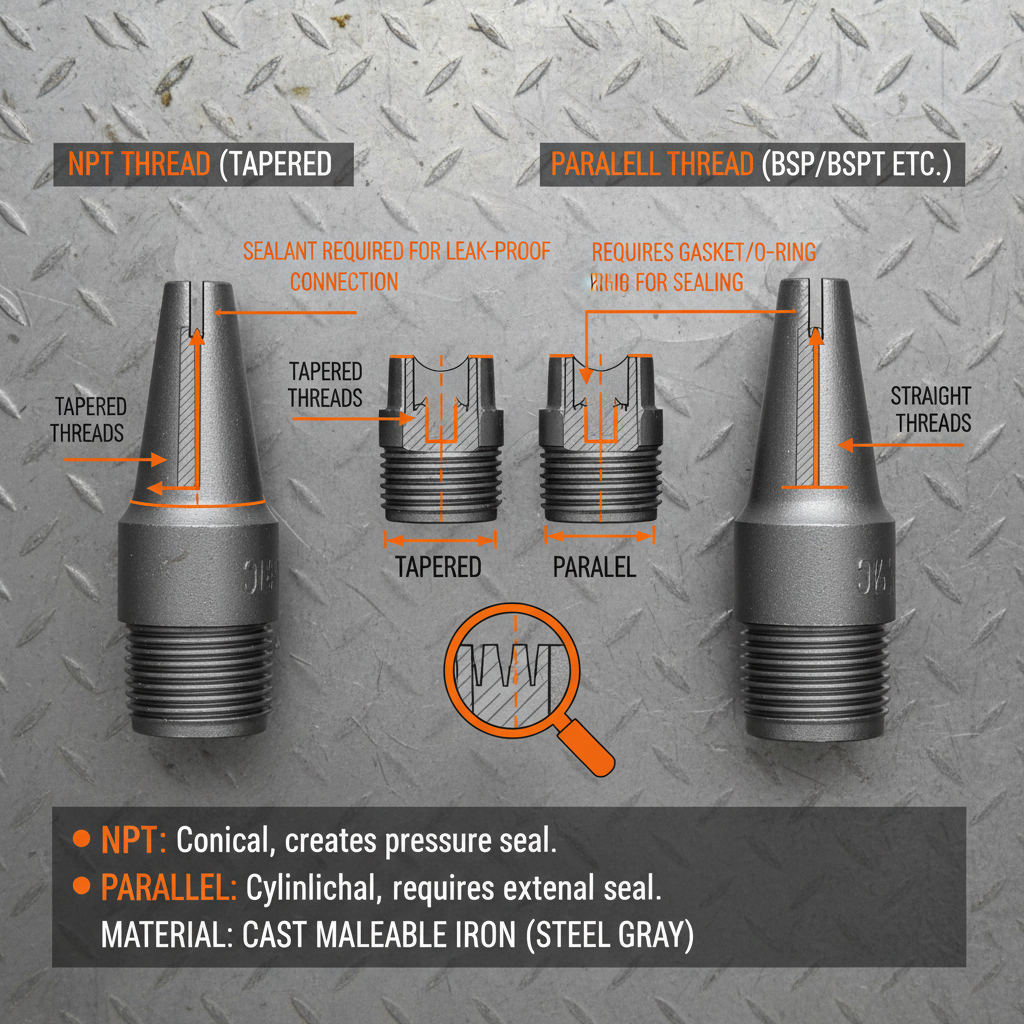
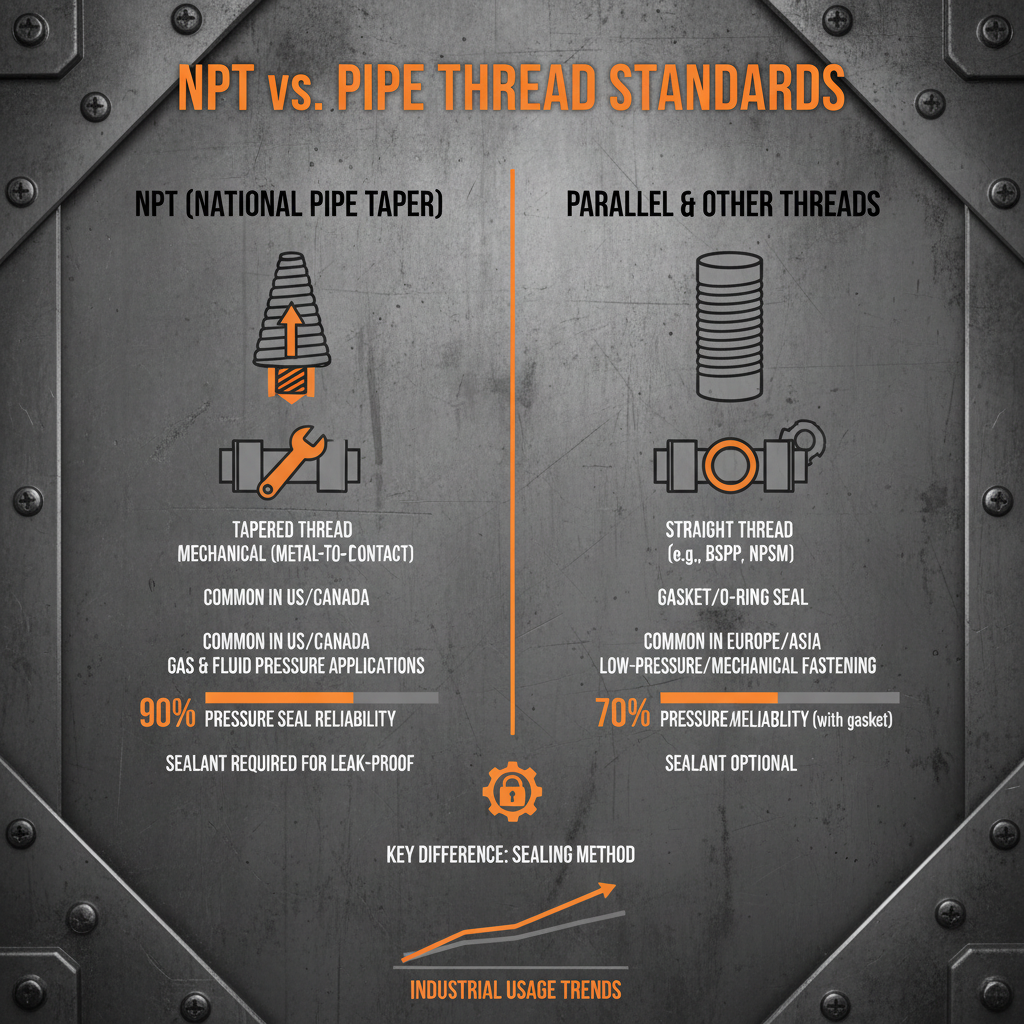
At its core, the distinction lies in their design. Straight pipe thread (also known as National Standard Pipe Thread or NPTF) features a flat peak and valley, creating a tighter seal when combined with a sealant. NPT, however, has a 60-degree tapered thread, designed to bite into the female fitting to form a mechanical seal in addition to relying on sealant.
This difference is critically important. NPT is commonly used for sealing liquids and gases, while NPTF is often preferred in applications where a more secure mechanical seal is needed, particularly in hydraulic systems. The misunderstanding surrounding npt vs pipe thread often stems from their similar appearance, making visual identification unreliable.
The key difference lies in the thread design. NPT has a 60-degree tapered thread relying on interference and sealant for a seal, while NPTF has straight threads with a tighter fit and relies more on the thread’s form and a sealant to create the seal. NPTF is generally considered more reliable, especially in high-pressure and vibration environments, offering a superior mechanical seal in addition to sealant support. Understanding this distinction is vital when selecting the correct fitting, preventing leaks and ensuring system integrity. Incorrect application of npt vs pipe thread types can lead to system failure.
Yes, pipe dope (thread sealant) is recommended for both NPT and NPTF fittings, although the application differs slightly. NPT relies heavily on sealant due to its tapered thread. NPTF still benefits from sealant to fill minor imperfections and enhance the seal, but the mechanical seal formed by the threads is more robust. Using the correct type of sealant is crucial; PTFE-based sealants are common, but compatibility with the fluid and materials must be confirmed. Ignoring proper sealant application can compromise the reliability of either npt vs pipe thread type.
Yes, it is possible, and it’s a common mistake due to their similar appearance. However, forcing a connection between these two thread types should never be attempted. The tapered design of NPT can damage the straight threads of NPTF, rendering both fittings unusable. Always visually inspect the threads before connecting, and ensure you are using the correct fitting type for the application. Careful identification helps avoid costly repairs and potential safety hazards related to npt vs pipe thread connections.
NPTF is typically preferred in applications requiring high pressure, vibration resistance, and a more secure seal. Common examples include hydraulic systems, automotive brake lines, and fuel lines. The tighter mechanical seal offered by NPTF minimizes the risk of leaks in demanding environments. In contrast, NPT is often sufficient for lower-pressure applications like water lines in residential plumbing. Choosing the right thread type—npt vs pipe thread—directly impacts long-term system reliability and safety.
Visual inspection can be tricky, but NPTF fittings generally have a flat or slightly rounded thread peak, while NPT has a more pointed or angled thread peak due to the taper. Use a thread gauge for definitive identification. Markings on the fitting may also indicate the thread type. If uncertain, always err on the side of caution and verify the thread type before attempting a connection. Misidentifying npt vs pipe thread can lead to compromised seals and potential failures.
Using an incompatible sealant can severely compromise the integrity of the connection. Some sealants may react with the fitting material, causing corrosion or degradation. Others may not provide an adequate seal, leading to leaks. Always choose a sealant specifically designed for the fluid being conveyed and compatible with the fitting material. PTFE tape and various pipe dopes are available, but careful selection ensures a reliable and long-lasting seal, regardless of whether you’re working with npt vs pipe thread.
In conclusion, a thorough understanding of the differences between NPT and NPTF threads is essential for ensuring the safety, reliability, and efficiency of countless systems across diverse industries. From the historical development of these standards to their modern applications and future trends, recognizing their unique characteristics – the tapered design of NPT and the straight threads of NPTF – empowers professionals and enthusiasts alike to make informed decisions. Accurate selection, proper sealant application, and careful inspection are paramount for preventing leaks, minimizing downtime, and upholding operational integrity.
Looking ahead, continued advancements in materials science, sealing technologies, and automated systems will further refine the performance and longevity of threaded connections. By staying abreast of these innovations and upholding best practices, we can unlock the full potential of both NPT and NPTF, ensuring they remain vital components of a safe and sustainable future. Visit our website at www.pannextfittings.com to learn more about high-quality fittings and resources for your projects.