The global infrastructure landscape relies heavily on the integrity of plumbing and pipe fittings to ensure the safe and efficient transport of fluids and gases. From industrial oil refineries to residential heating systems, the precision of these components determines the longevity and safety of the entire network. Understanding the nuances of fitting selection is not merely a technical requirement but a critical safety measure for engineers and contractors worldwide.
In the modern industrial era, the demand for high-performance plumbing and pipe fittings has surged due to the increasing complexity of fluid dynamics and the stringent requirements of international safety standards. Whether it is managing high-pressure steam or corrosive chemical transport, the choice of material and precision engineering is paramount to preventing catastrophic leaks and minimizing operational downtime.
This comprehensive guide explores the critical role of specialized components, such as the Street Elbow 90, within the broader ecosystem of plumbing and pipe fittings. By examining technical specifications, material standards, and global applications, we aim to provide industry professionals with the knowledge required to optimize their piping architectures for maximum reliability and performance.
The Critical Role of Precision Plumbing and Pipe Fittings
Precision in plumbing and pipe fittings is the cornerstone of structural integrity in any fluid-carrying system. A Street Elbow 90, for instance, serves a vital function by connecting two pipes at a strict 90-degree angle, facilitating a change in direction while maintaining a secure seal. When these components are manufactured to exact tolerances, they eliminate the risk of turbulence and pressure drops that can occur with inferior fittings.
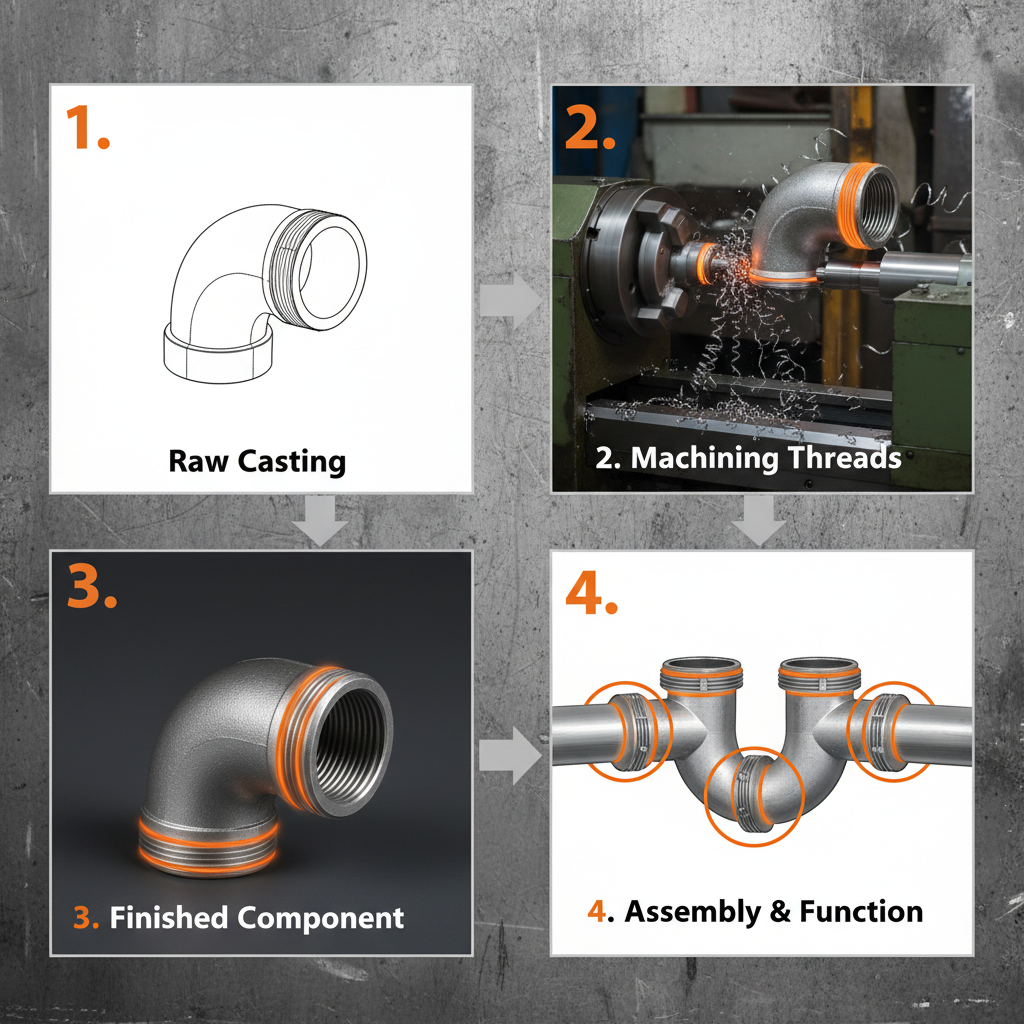
The impact of utilizing high-grade fittings extends beyond simple connectivity; it encompasses the entire lifecycle of the project. By adhering to strict manufacturing processes, these fittings ensure that outdoor plumbing, oil transport, and heating systems remain leak-free for decades. This reliability is essential for maintaining operational safety and reducing the environmental footprint associated with fluid leakage.
Technical Specifications of Street Elbow 90
The Street Elbow 90 is engineered for versatility, offering a wide range of sizes from 1/8" up to 6". For smaller applications, such as the S9001 (1/8"), the dimensions are kept compact at 17.5mm by 25.4mm, whereas larger industrial needs are met by the S9060 (6") model, which reaches dimensions of 130.3mm by 204.0mm. This scalability allows a single product line to serve both delicate instrumentation and heavy-duty industrial piping.
Material and weight considerations are critical for installation planning. For example, a 1" elbow (S9010) weighs approximately 279 grams, while a 6" elbow (S9060) reaches a substantial 9250 grams. This variation in weight reflects the increased wall thickness and material volume required to sustain the structural loads associated with larger pipe diameters in plumbing and pipe fittings.
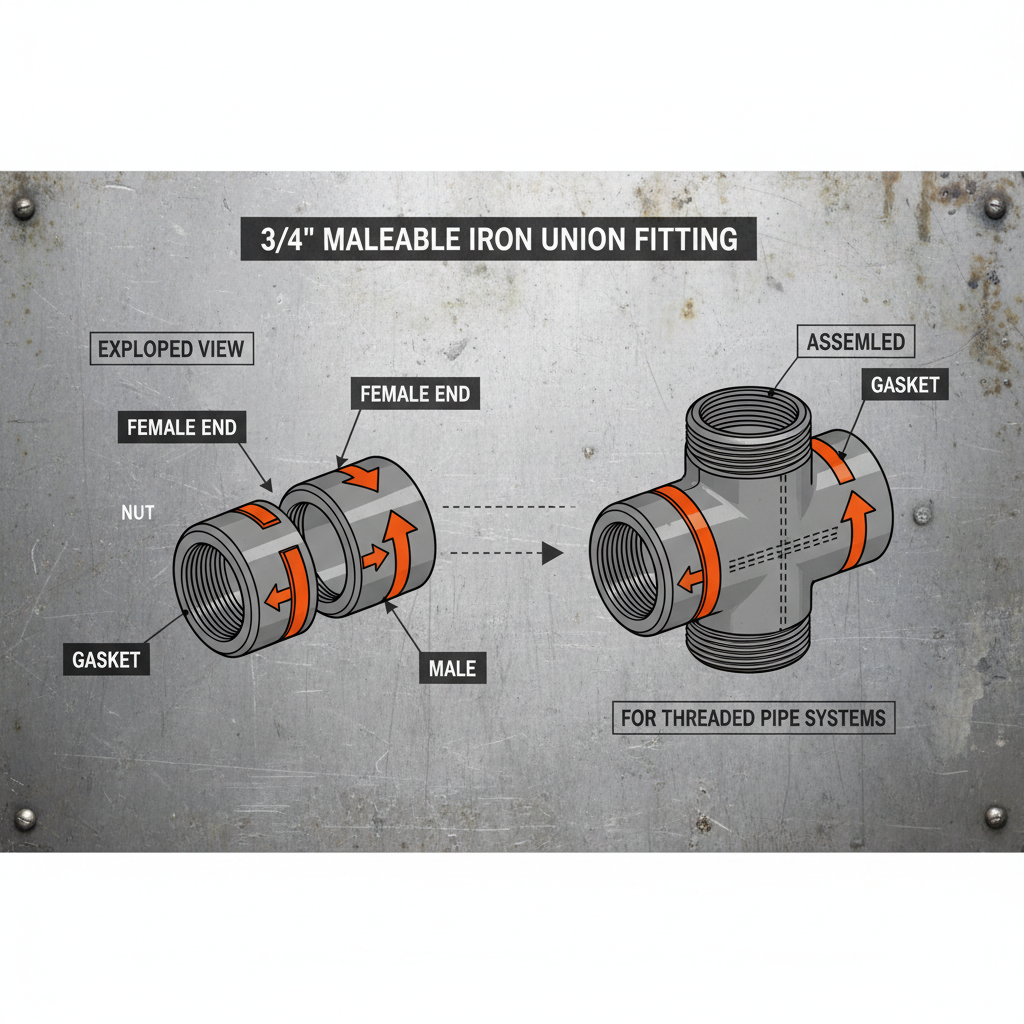
Furthermore, the connection design incorporates both Male and Female threads, allowing for a "street" configuration where the fitting can be screwed directly into another fitting or a valve. This eliminates the need for an additional short piece of pipe (nipple), thereby reducing the number of potential leak points in the system and streamlining the assembly process.
Global Standards for Pressure and Connection
To ensure global interoperability, plumbing and pipe fittings must adhere to recognized international standards. The Street Elbow 90 utilizes NPT (National Pipe Tapered) and BSP (British Standard Pipe) threads, ensuring compatibility across North American and European markets. These threading standards are critical for achieving a pressure-tight seal without the need for excessive sealant.
Pressure ratings are the primary benchmark for safety. These fittings are designed for Class 150LB service, with a tested pressure of 2.5MPa and a certified working pressure of 1.6MPa. By strictly following ANSI B 16.3, B16.4, and BS21 dimensions, these plumbing and pipe fittings provide a guaranteed safety margin for fluid transport under stress.
Quality assurance is validated through prestigious certifications including UL, FM, and ISO9001. These certifications guarantee that every piece of equipment undergoes rigorous testing for material purity and dimensional accuracy. For the end-user, this means a significant reduction in risk when deploying these components in critical infrastructure or hazardous environments.
Comparative Performance Analysis
When evaluating the efficiency of different plumbing and pipe fittings, it is essential to look at the balance between flow efficiency and pressure resistance. The Street Elbow 90 excels in space-constrained environments because its combined male/female design reduces the total footprint of the connection.
Compared to standard elbows, street elbows offer a streamlined installation process, which translates to lower labor costs and fewer joints. This efficiency is particularly evident in complex heating systems where tight turns are required in limited wall or ceiling spaces.
Performance Rating of Various Pipe Fitting Configurations
Versatile Applications in Industrial Systems
The application of plumbing and pipe fittings like the Street Elbow 90 is diverse. In the oil and gas sector, these fittings are used to navigate complex piping grids in refineries where space is at a premium and leak prevention is a matter of environmental safety. Their ability to withstand a working pressure of 1.6MPa makes them suitable for low-to-medium pressure transport lines.
In residential and commercial heating systems, these elbows are indispensable for connecting boilers to radiators. The use of coated pipe fittings often complements the Street Elbow 90 to provide additional protection against oxidation and corrosion, ensuring that the heating infrastructure remains viable for the entire life of the building.
Long-Term Value and Reliability Benefits
Investing in high-quality plumbing and pipe fittings provides tangible long-term economic value. By utilizing components that meet UL and FM standards, operators significantly reduce the frequency of maintenance shutdowns. The stability provided by a Class 150LB rating means the system can handle pressure surges without failing, protecting expensive downstream equipment.
Beyond the financial aspect, the reliability of these fittings offers peace of mind. In outdoor plumbing installations, where fittings are exposed to fluctuating temperatures and soil movement, the structural integrity of the Street Elbow 90 prevents costly excavations and emergency repairs. This reliability is the foundation of trust between the contractor and the end-client.
Sustainability is also a key benefit. Fittings that do not leak prevent the wastage of precious resources, such as treated water or heating fuel. By minimizing the number of joints through the use of street-style connections, the overall carbon footprint of the installation process is reduced, aligning industrial growth with environmental stewardship.
Future Trends in Pipe Fitting Engineering
The evolution of plumbing and pipe fittings is moving toward smarter materials and advanced coatings. We are seeing a shift toward hybrid materials that combine the strength of malleable iron with the corrosion resistance of advanced polymers. These innovations aim to extend the working pressure limits while further reducing the weight of the components.
Digital transformation is also impacting the industry through the integration of BIM (Building Information Modeling). Engineers can now simulate fluid flow through a Street Elbow 90 in a virtual environment before a single pipe is laid. This ensures that the 90-degree turns are placed optimally to minimize friction loss and maximize flow efficiency.
As the world moves toward green energy, the role of these fittings in hydrogen transport and geothermal heating is becoming more prominent. The demand for fittings that can handle extreme temperature variations and high-purity gases will drive the next generation of ANSI and ISO standards, pushing the boundaries of what plumbing and pipe fittings can achieve.
Technical Specification Summary for Street Elbow 90 Series
| Size (Inch) |
Model Number |
Weight (Gram) |
Working Pressure |
| 1/8" |
S9001 |
26.1 |
1.6MPa |
| 1/2" |
S9005 |
88.8 |
1.6MPa |
| 1" |
S9010 |
279 |
1.6MPa |
| 2" |
S9020 |
914 |
1.6MPa |
| 3" |
S9030 |
2430 |
1.6MPa |
| 6" |
S9060 |
9250 |
1.6MPa |
FAQS
A street elbow features one male and one female threaded end, allowing it to connect directly to another fitting without needing a pipe nipple. A standard elbow typically has female threads on both ends, requiring a pipe or nipple to bridge the connection to another fitting.
These specific fittings are rated for Class 150LB with a working pressure of 1.6MPa. While suitable for many heating and plumbing applications, always verify your system's maximum operating pressure against these specifications before installation to ensure safety.
For industrial and commercial use, look for UL (Underwriters Laboratories), FM (Factory Mutual), and ISO9001 certifications. These ensure the products meet rigorous global safety, quality, and manufacturing standards, reducing the risk of failure in the field.
No, NPT (National Pipe Tapered) and BSP (British Standard Pipe) threads have different pitches and angles. Using them together can lead to leaks or stripped threads. Always ensure your fittings match the threading standard of your existing piping system.
The working pressure is the maximum pressure the fitting is designed to handle continuously. Your system design should ideally operate below this threshold to account for potential pressure spikes, ensuring the long-term integrity of your plumbing and pipe fittings.
Residential heating systems typically use sizes ranging from 1/2" to 1" depending on the flow requirements of the boiler and radiators. Refer to the technical table to select the model (e.g., S9005 or S9010) that matches your pipe diameter.
Conclusion
The selection of high-precision plumbing and pipe fittings is fundamental to the safety and efficiency of any fluid transport system. From the rigorous adherence to ANSI and ISO standards to the strategic use of Street Elbow 90s to reduce leak points, every technical detail contributes to the overall reliability of the infrastructure. By prioritizing certified materials and precise dimensions, operators can ensure their systems withstand the pressures of industrial use while minimizing maintenance costs.
Looking ahead, the industry will continue to evolve with smarter materials and digital design tools, but the core principles of pressure resistance and leak prevention will remain unchanged. We recommend that engineers and procurement officers always verify certification and pressure ratings to guarantee long-term operational success. For more high-quality solutions, visit our website: www.pannextfittings.com.