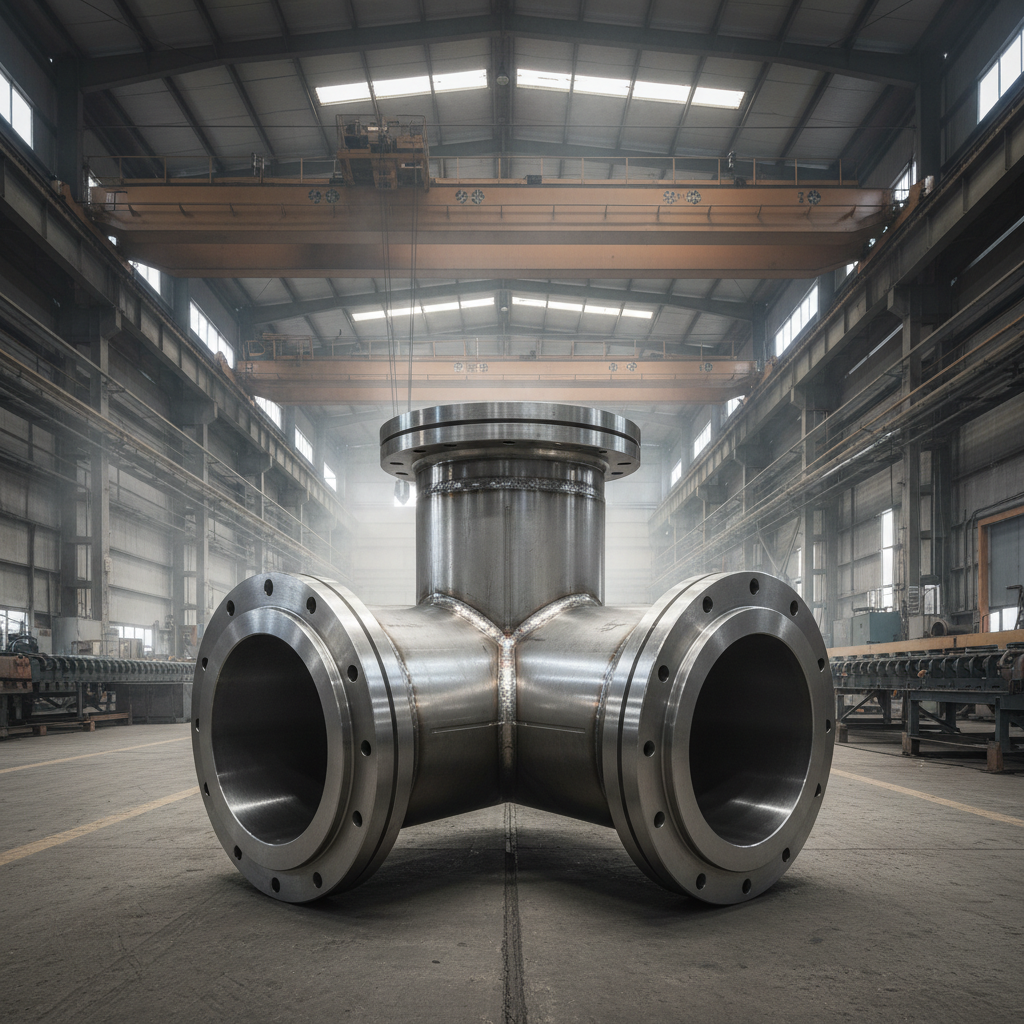
In the demanding world of industrial fluid systems, the selection of the right connection hardware is critical for system integrity and safety. A bspp fitting, known for its parallel threads, provides a reliable sealing mechanism that is widely utilized across various hydraulic and pneumatic applications globally. Understanding the nuances of these components ensures that engineers and procurement officers can maintain leak-free operations under diverse pressure conditions.
The global industrial landscape relies heavily on standardized components to ensure interoperability between machinery from different manufacturers. The adoption of standardized threads in a bspp fitting allows for seamless integration in water piping and industrial jointing, reducing downtime during maintenance and installation. As infrastructure projects expand in emerging markets, the demand for high-precision casting and durable materials has never been higher.
When selecting the ideal bspp fitting, professionals must balance material specifications, such as the use of ASTM B62 bronze alloys, with strict adherence to dimensional standards like ASME B16.15. This ensures that every joint can withstand the requisite tensile strength and elongation requirements of the specific application.
Material Excellence in bspp fitting Production
The longevity of a bspp fitting is fundamentally tied to the quality of its raw materials. By utilizing high-grade alloys such as ASTM B62 (UNS Alloy C83600) and ASTM B824 C89633, manufacturers can ensure that the components possess the necessary corrosion resistance and mechanical strength. These materials are specifically chosen for their ability to withstand the rigors of water pipe jointing without degrading over time.
Beyond chemical composition, the physical properties of the metal play a vital role. A minimum elongation of 20% and a tensile strength of at least 20.0kg/mm provide the necessary ductility and robustness. This prevents the fitting from cracking under sudden pressure surges or thermal expansion, making the bspp fitting a safe choice for critical industrial infrastructure.
Global Standards and Technical Specifications
To ensure global compatibility, every bspp fitting must adhere to recognized international standards. Dimensional accuracy is maintained through the ASME B16.15 Class 125 standard, which dictates the exact geometry required for a secure fit. This standardization prevents costly errors during field installation and ensures that parts from different batches are interchangeable.
Thread precision is another critical factor. While many fittings utilize NPT threads conforming to ASME B1.20.1, the integration of various threading standards allows these components to serve as versatile bridges in complex piping networks. The precision of the threading process determines the effectiveness of the seal and the overall ease of assembly for the end-user.
Consistency in production is achieved through a capacity of 50 tons per month, allowing for scalable supply without sacrificing quality. By aligning local production in Thailand with global standards, the bspp fitting meets the stringent requirements of international buyers, ensuring that every shipment is ready for immediate deployment in water piping systems.
The Role of Precision Casting in bspp fitting
The production of a high-quality bspp fitting begins with a sophisticated casting process. Precision casting allows for the creation of complex shapes with minimal waste, ensuring that the internal walls of the fitting are smooth and free of defects. This reduces turbulence in fluid flow and minimizes the risk of erosion over time.
During the molding phase, the temperature of the molten metal is strictly monitored to avoid porosity. Any deviation in temperature could lead to microscopic voids within the bspp fitting, which may eventually become failure points under high-pressure water jointing applications.
After casting, the components undergo rotary cooling and grinding to ensure a flawless surface finish. This attention to detail ensures that the bspp fitting is not only functional but also meets the aesthetic and tactile standards expected in professional-grade industrial hardware.
Performance Metrics for Jointing Systems
Evaluating the performance of a bspp fitting requires a look at its behavior under stress. The balance between tensile strength and elongation allows the fitting to absorb energy without catastrophic failure. This makes these components ideal for environments where vibration or temperature fluctuations are common.
When comparing different casting methods, the efficiency of the threading and the tightness of the seal are the primary metrics. A well-manufactured bspp fitting will pass a 100% water pressure test, proving that the integrity of the casting and the precision of the threads are sufficient to prevent any leakage.
Performance Rating of bspp fitting Variations
Industrial Applications and Real-World Use Cases
The versatility of the bspp fitting makes it a staple in water distribution networks. From municipal water lines to industrial cooling systems, these fittings provide the necessary stability for jointing water pipes. In remote industrial zones, where maintenance access is limited, the reliability of bronze alloys ensures that systems remain operational for years without requiring frequent replacement.
Furthermore, these components are essential in agricultural irrigation and hydroponic setups. The corrosion resistance of ASTM B62 prevents the leaching of metals into the water supply, ensuring that the quality of the water is maintained while the structural integrity of the piping network remains intact. This makes the bspp fitting an eco-friendly and sustainable choice for long-term infrastructure.
Quality Control and Leakage Prevention
A strict Standard Operating Procedure (SOP) is the backbone of quality assurance for every bspp fitting. The process begins with raw material checking to ensure that the incoming alloy matches the chemical specifications of ASTM B62 or B824. This prevents the inclusion of impurities that could compromise the strength of the finished product.
During production, in-process checking is performed at every stage. From inspecting the temperature of molten metal to using precision gages for thread verification, every step is documented. The grinding process removes any surface burrs, ensuring that the bspp fitting interfaces perfectly with its mating component.
The final and most critical step is the 100% water pressure test. Every single piece is tested to ensure there are zero leaks before it enters the warehouse. This rigorous approach guarantees that the slogan "Keep every pipe fitting that our Clients’ received is qualified" is a reality, not just a marketing phrase.
Future Trends in Pipe Fitting Technology
As the industry moves toward smarter infrastructure, the bspp fitting is evolving. The integration of more sustainable casting methods and the use of recycled high-grade alloys are becoming more common. This reduces the environmental footprint of production while maintaining the strict tensile strength requirements of industrial water systems.
Automation in the threading process is also increasing precision. The use of CNC machining for the final thread cut in a bspp fitting ensures that tolerances are tighter than ever before, reducing the reliance on heavy sealants and increasing the reliability of the mechanical seal.
Looking ahead, the trend is toward "intelligent" piping where fittings are designed to work with sensors that detect pressure drops or leaks in real-time. While the bspp fitting remains a mechanical component, its design is being optimized to complement these digital transformations in industrial fluid management.
Comparative Analysis of bspp fitting Material and Performance
| Material Grade |
Tensile Strength |
Corrosion Resistance |
Application Fit |
| ASTM B62 (C83600) |
20.0 kg/mm² |
Excellent |
Water Jointing |
| ASTM B824 (C89633) |
19.5 kg/mm² |
Very High |
Marine Piping |
| Standard Bronze |
18.0 kg/mm² |
Moderate |
General Plumbing |
| Industrial Brass |
17.0 kg/mm² |
Moderate |
Low Pressure Air |
| Alloy C83600 (Reinforced) |
21.0 kg/mm² |
High |
High Pressure Water |
| Cast Iron (Coated) |
15.0 kg/mm² |
Low (without coating) |
Waste Water |
FAQS
We primarily use high-grade bronze alloys including ASTM B62 (UNS Alloy C83600) and ASTM B824 C89633. These materials are selected for their superior corrosion resistance and mechanical strength, ensuring that each fitting can handle the demands of jointing water pipes in various industrial environments.
Every single piece of fitting undergoes a 100% water pressure test before it is moved to our warehouse. This is part of our strict SOP, which includes raw material checking, molten iron temperature monitoring, and thread verification using precision gages to ensure a perfect seal.
Our standard delivery time is approximately 35 days upon receipt of the advanced payment. With a production capacity of 50 tons per month, we are well-equipped to handle large industrial orders while maintaining strict quality control over every batch.
Yes, we provide free samples to our clients. This allows you to verify the material quality, thread precision, and overall fit in your specific application before committing to a full-scale order.
We offer a minimum guarantee of 1 year for our products. This reflects our confidence in our casting process and the durability of the ASTM alloys we use, ensuring long-term reliability for your piping infrastructure.
Our fittings are designed to meet high international standards. Specifically, our threads conform to NPT according to ASME B1.20.1, and fitting dimensions follow the ASME B16.15 Class 125 standard, ensuring compatibility with global industrial piping systems.
Conclusion
The reliability of a fluid system is only as strong as its weakest joint. By combining high-grade ASTM bronze alloys, precision casting, and a rigorous 100% water pressure testing protocol, the bspp fitting provides an essential solution for secure and durable water pipe jointing. From material selection to the final export packaging, every detail is optimized to ensure structural integrity and leak-free performance.
As industrial requirements become more stringent, investing in standardized, high-performance components is the only way to ensure long-term operational safety and cost-efficiency. Whether you are upgrading existing infrastructure or designing a new system, prioritizing quality and precision will prevent costly failures and downtime. Visit our website for more information: www.pannextfittings.com