In the complex world of industrial piping, the integrity of a system often depends on the smallest components. A high-quality fitting galvanized pipe serves as the critical junction that ensures fluid and gas transport remains leak-proof and resistant to environmental degradation. By combining the strength of malleable iron with the protective properties of zinc coating, these fittings provide a robust solution for diverse engineering challenges.
Globally, the demand for corrosion-resistant infrastructure has surged, pushing industries to adopt standards that prioritize longevity and safety. The application of a fitting galvanized pipe is not merely a technical choice but a strategic investment in reducing maintenance cycles and preventing catastrophic failures in high-pressure environments.
Understanding the nuances of materials, such as ASTM A197 malleable iron and SI 918 or ASTM A 153 zinc coatings, allows engineers to optimize their system designs. This comprehensive guide explores the technical specifications, global applications, and long-term value of utilizing professional-grade galvanized fittings in modern construction and industrial maintenance.
Global Relevance of Galvanized Pipe Fittings
The global infrastructure landscape is currently facing a critical challenge: the degradation of legacy piping systems due to oxidation and chemical corrosion. According to international industrial standards, the implementation of a fitting galvanized pipe system significantly reduces the risk of premature pipe failure, which is essential for maintaining the operational uptime of factories and municipal water networks.
In emerging economies, the rapid expansion of industrial zones has created a massive need for standardized, reliable connection components. By utilizing ASTM A197 malleable iron fittings with professional zinc coatings, developers can ensure that their piping systems meet ISO safety requirements and withstand harsh environmental conditions, ranging from humid coastal regions to arid industrial heartlands.
Defining the Technical Standard of Galvanized Fittings
At its core, a fitting galvanized pipe component is a specialized connector made from malleable iron that has undergone a hot-dip or electrolytic zinc coating process. This coating acts as a sacrificial anode, meaning the zinc layer corrodes before the underlying iron is affected, thereby preserving the structural integrity of the joint over decades of use.
Modern industrial needs demand precision in threading and fitment, which is why these fittings adhere to NPT (National Pipe Taper) and BSP (British Standard Pipe) standards. This ensures universal compatibility across different piping systems, allowing for seamless integration in complex networks where various pipe diameters—from 1/2" to 2"—must be connected efficiently.
Beyond simple connectivity, the "malleable" nature of the iron used in these fittings means they are less brittle than standard cast iron. This allows the fitting to withstand mechanical shocks and vibrations common in industrial settings without cracking, making them indispensable for high-pressure air and water lines.
Core Components of High-Performance Fittings
The durability of a fitting galvanized pipe is primarily driven by the quality of its base material. Using ASTM A197 malleable iron provides the necessary tensile strength and ductility to handle varying pressure loads while maintaining a secure seal at every connection point.
Zinc coating is the secondary critical component, with standards like SI 918 and ASTM A 153 defining the thickness and uniformity of the layer. A properly applied galvanized layer ensures that the fitting galvanized pipe can resist moisture and chemical exposure, which is vital for outdoor installations.
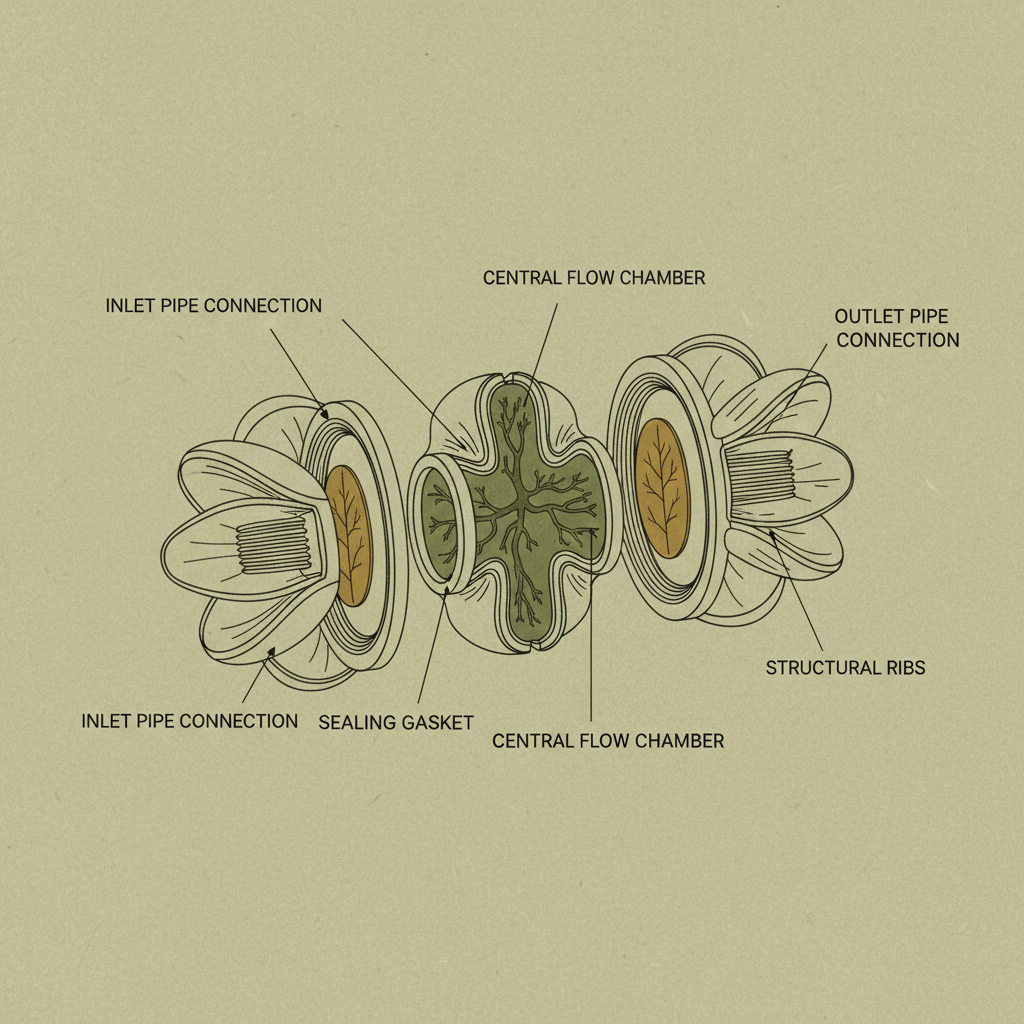
Finally, the precision of the "Reduce" shape and the accuracy of the male/female threading ensure that leak-free transitions are possible. This attention to geometric detail prevents turbulence in fluid flow and minimizes the risk of stress corrosion cracking at the joints.
Performance Metrics and Material Efficiency
When evaluating the efficiency of a fitting galvanized pipe, engineers look at the weight-to-strength ratio and the corrosion resistance rating. Malleable iron offers a superior balance, providing enough mass to remain stable under pressure while remaining manageable for installation teams.
The choice between different zinc coating methods can impact the lifespan of the system. While some applications require a thin, precise layer, others in highly corrosive environments demand the heavy-duty protection offered by ASTM A 153 standards to ensure a multi-decade service life.
Comparative Performance of fitting galvanized pipe Materials
Industrial Applications and Use Cases
The versatility of the fitting galvanized pipe makes it a staple in residential plumbing, commercial HVAC systems, and heavy industrial plants. In agricultural settings, these fittings are used for irrigation systems where exposure to soil minerals and moisture would otherwise quickly destroy untreated iron pipes.
In remote industrial zones, such as mining camps or oil refineries, the ease of installation provided by NPT/BSP threading means that systems can be deployed and repaired quickly without the need for specialized welding equipment on-site, significantly reducing downtime.
Long-Term Value and Sustainability
Investing in a high-quality fitting galvanized pipe provides immense long-term value by lowering the Total Cost of Ownership (TCO). While initial costs may be higher than non-coated alternatives, the elimination of frequent replacements and the reduction in leak-related water waste provide a clear economic advantage.
From a sustainability perspective, malleable iron is highly recyclable. By extending the lifecycle of the piping infrastructure through effective galvanization, companies reduce the frequency of material extraction and the carbon footprint associated with manufacturing new replacement parts.
Furthermore, the reliability of these fittings enhances safety and trust within the operational workforce. Knowing that the joints in a high-pressure steam or water line are secured by ASTM-certified components allows for a safer working environment and reduces the psychological stress of potential system failures.
Technical Specifications and Size Analysis
For procurement managers and engineers, the technical data of a fitting galvanized pipe is the ultimate guide for system design. The available range from 1/2" to 2" covers the vast majority of medium-to-small scale fluid transport needs, with dimensions carefully calibrated to ensure a tight seal.
Weight is another critical factor; for instance, the difference between a 1/2" fitting (approx. 80g) and a 2" fitting (approx. 581.7g) impacts the support structures required for the piping network. Accurate weight calculations prevent sagging and stress points in the overall installation.
The following table provides a detailed breakdown of the product line, emphasizing the relationship between size, dimensions, and the resulting physical properties.
Dimensional and Weight Specifications for Galvanized Malleable Fittings
|
Item Code
|
Size (Inch)
|
Dimension B (mm)
|
Weight (Gram)
|
| EXT05 |
1/2 |
360 |
80 |
| EXT07 |
3/4 |
200 |
128.3 |
| EXT10 |
1 |
120 |
205 |
| EXT12 |
1-1/4 |
80 |
305 |
| EXT15 |
1-1/2 |
60 |
430 |
| EXT20 |
2 |
40 |
581.7 |
FAQS
The primary benefit is superior corrosion resistance. The zinc coating acts as a protective barrier and a sacrificial anode, preventing the base malleable iron from rusting when exposed to oxygen and moisture. This significantly extends the lifespan of the piping system and reduces maintenance costs.
Yes, they are critical. ASTM A197 ensures the malleable iron has the correct mechanical properties (strength and ductility), while ASTM A153 specifies the quality and thickness of the hot-dip zinc coating. Adhering to these standards guarantees that the fitting can handle designated pressures and environmental stresses.
Yes, our fittings are manufactured to meet both NPT (National Pipe Taper) and BSP (British Standard Pipe) standards. This flexibility ensures that you can integrate them into various global piping architectures without worrying about thread incompatibility or leaks.
Selection should be based on the nominal pipe size of your system, ranging from 1/2" to 2". You must also consider the required dimensions (such as A, B, and C) and the weight of the fitting to ensure that your pipe supports are adequate for the total system load.
A "Reduce" fitting is designed to connect two pipes of different diameters. This allows for the transition from a larger main line to a smaller branch line while maintaining a secure, leak-proof seal and managing fluid pressure changes effectively.
Yes, malleable iron is specifically treated to be less brittle than cast iron, making it highly suitable for pressurized systems. When paired with a strict quality management system and proper installation, these fittings reliably handle industrial pressures for water, air, and oil.
Conclusion
The selection of a high-quality fitting galvanized pipe is a fundamental decision that impacts the safety, longevity, and efficiency of any industrial piping network. By leveraging ASTM A197 malleable iron and advanced zinc coating technologies like SI 918, these components provide an unbeatable combination of structural strength and environmental resilience, ensuring that critical infrastructure remains operational under the most demanding conditions.
As the industry moves toward more sustainable and low-maintenance solutions, the value of standardized, corrosion-resistant fittings will only increase. We recommend that engineers and procurement specialists prioritize certified materials and precise dimensional standards to future-proof their installations. For premium quality piping solutions, visit our website: www.pannextfittings.com.