In the complex landscape of industrial piping, the 1 inch union fitting stands as a critical component for ensuring system flexibility and maintenance efficiency. These detachable fittings allow operators to join or disconnect pipe sections without the need to rotate the pipes themselves, making them indispensable in tight spaces and complex machinery layouts where permanent joints would be impractical.
Across global manufacturing hubs, the demand for high-quality malleable cast iron unions has surged as industries move toward more modular designs. The ability to quickly isolate sections of a pipeline for repair or replacement—without cutting the pipe—reduces downtime and operational costs, directly impacting the productivity of facilities ranging from chemical plants to water treatment facilities.
Understanding the technical specifications of a 1 inch union fitting, including its pressure ratings and material composition, is essential for engineers aiming to meet international safety standards like ISO49 and EN 10242. By selecting the correct seat type and coating, companies can ensure long-term reliability and corrosion resistance in the most demanding environments.
Technical Anatomy of the 1 inch union fitting
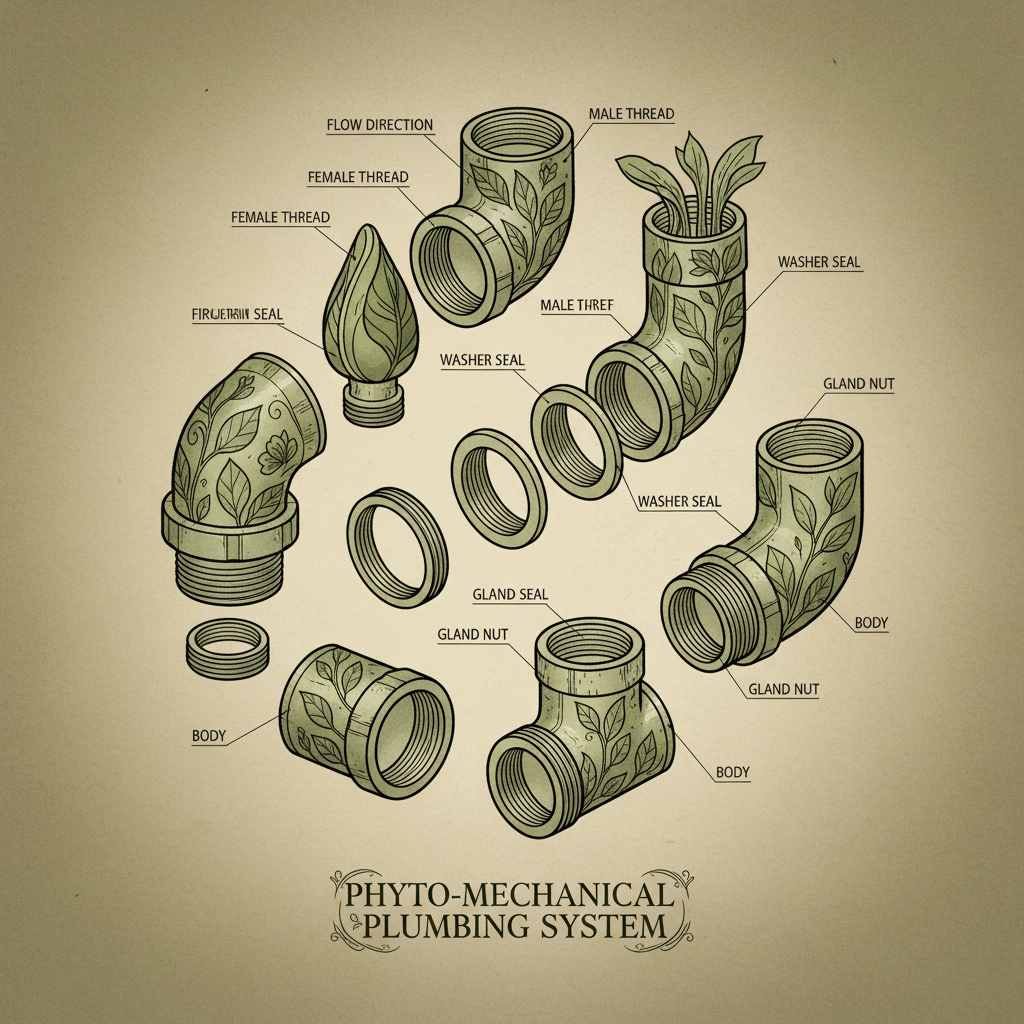
A 1 inch union fitting is engineered as a three-piece detachable assembly. It consists of a male part (the tail), a female part (the head), and a union nut. This specific architecture allows the two pipe ends to be brought together and locked securely by tightening the nut, creating a leak-proof seal without requiring the rotation of the actual piping.
Depending on the application, these fittings are available with either flat seats or taper seats. The seat design is crucial for the sealing mechanism; while taper seats are often preferred for higher pressure seals in certain industrial contexts, flat seats provide a reliable connection for standard flow applications. Both designs ensure that the 1-inch diameter passage remains unobstructed.
Material Standards and Durability
The structural integrity of the 1 inch union fitting is rooted in the use of BS EN 1562, EN-GJMB-350-10 malleable cast iron. This material is chosen for its superior balance of strength and ductility compared to standard grey iron, ensuring that the fitting can withstand the mechanical stresses of installation and the thermal expansion cycles of operating pipelines.
With a minimum tensile strength of 300 MPA and a minimum elongation of 6%, these fittings are designed to resist cracking under pressure. This robustness is critical for infrastructure where safety is paramount, as it prevents catastrophic failure in systems carrying volatile or high-pressure fluids.
Compliance with international standards such as ISO49 and EN 10242 (Symbol C) ensures that the 1 inch union fitting is interchangeable across global markets. Whether utilized in Europe, Asia, or the Americas, these standardizations guarantee that threads and dimensions match perfectly, reducing procurement errors.
Performance Metrics and Pressure Ratings
When evaluating the performance of a 1 inch union fitting, the working pressure is the most critical metric. These 150 Class BS/EN standard fittings are engineered to operate safely within a range of 20 to 25 bar, with a maximum rating of ≤PN25. This makes them suitable for a wide array of medium-pressure industrial applications.
The precision of the threading—available in both BSPT and NPT—ensures that the 1 inch union fitting creates a hermetic seal. This is particularly important in gas lines or chemical transport where even a microscopic leak could lead to hazardous conditions or significant product loss.
Furthermore, the "Beaded" end design of these fittings adds an extra layer of structural reinforcement at the connection points. For those requiring certified safety, the UL Listed and FM Approved certifications provide third-party verification that the 1 inch union fitting meets rigorous fire and safety standards.
Installation Efficiency and Comparison
The primary advantage of implementing a 1 inch union fitting over a standard coupling is the ease of disassembly. In traditional systems, replacing a valve or a pump requires cutting the pipe; with a union, a technician simply unscrews the nut, removes the component, and replaces it, significantly cutting labor hours.
This efficiency is especially noticeable during scheduled maintenance cycles. The ability to rapidly decouple a 1-inch line allows for "plug-and-play" upgrades, ensuring that industrial facilities can evolve their piping architecture without extensive reconstruction.
Installation Efficiency Rating by Fitting Type
Global Industrial Applications
The 1 inch union fitting is widely deployed in HVAC systems, where it allows for the easy removal of chiller units and heat exchangers for seasonal cleaning. Its ability to handle pressures up to 25 bar makes it ideal for closed-loop water systems in commercial skyscrapers and industrial complexes.
In the oil and gas sector, these fittings are often found in secondary piping networks and instrumentation lines. Because the 1 inch union fitting provides a secure, detachable link, it is frequently used to connect sensors and gauges to the main line, allowing for calibration without shutting down the entire system.
Corrosion Protection and Surface Treatments
Environmental degradation is a constant threat to metal pipe fittings. To combat this, the 1 inch union fitting is available in two primary surface finishes: Black Iron and Hot Dip Galvanized. Black iron is typically used for gas lines or in environments where the fitting will be further painted or coated.
For more aggressive environments, the hot-dip galvanized option is superior. This process creates a zinc coating with an average thickness of 70 µm (and a minimum of 63 µm per fitting), providing a sacrificial anodic layer that protects the underlying malleable iron from oxidation and rust.
This level of protection is essential for installations in coastal regions or industrial zones with high humidity. By investing in a galvanized 1 inch union fitting, operators can extend the lifecycle of their piping infrastructure by several years, reducing the frequency of costly replacements.
Comparative Analysis of Union Sizes
While the 1 inch union fitting is a popular choice for balanced flow and strength, it is part of a broader family of sizes designed to meet specific flow requirements. As the size increases from 1/2 inch to 4 inches, the weight and pressure handling characteristics shift, requiring careful selection based on the system's hydraulic needs.
For instance, the 1-inch model (UNI10) weighs approximately 0.412 KG, offering a compact yet sturdy solution. In contrast, a 4-inch union (UNI40) jumps to 4.228 KG, reflecting the massive increase in material needed to maintain structural integrity at a larger diameter.
The transition between these sizes is seamless thanks to the adherence to the BS EN 1562 standard, ensuring that regardless of the size, the quality of the malleable cast iron remains consistent.
Technical Specifications Comparison for Malleable Iron Union Fittings
|
Item Code
|
Nominal Size (Inch)
|
Unit Weight (KG)
|
Relative Flow Efficiency
|
| UNI05 |
1/2 |
0.181 |
6/10 |
| UNI07 |
3/4 |
0.266 |
7/10 |
| UNI10 |
1 |
0.412 |
9/10 |
| UNI12 |
1.1/4 |
0.601 |
8/10 |
| UNI15 |
1.1/2 |
0.869 |
8/10 |
| UNI20 |
2 |
1.108 |
10/10 |
FAQS
A flat seat union provides a seal by compressing a gasket or sealant between two flat surfaces, whereas a taper seat uses a conical mating surface to create a tighter, metal-to-metal seal. Taper seats are often preferred in higher-pressure applications or where a more rigid connection is required to prevent leaks over time.
Yes, provided the pressure stays within the rated limit of 20 to 25 bar (≤PN25). With certifications like UL and FM, these fittings are designed for safety in industrial environments. However, always verify that the specific fluid and temperature conditions of your gas line are compatible with malleable cast iron.
Hot-dip galvanizing applies a thick zinc coating (averaging 70 um) that acts as a physical and chemical barrier. The zinc corrodes preferentially to the iron, preventing rust from penetrating the fitting's body. This is crucial for outdoor or moisture-heavy environments, extending the product's life by years compared to black iron.
While the fitting is manufactured to either NPT or BSPT standards, you should not mix thread types on a single connection. Mixing them can lead to cross-threading or improper sealing, which may result in leaks. Ensure your entire pipeline section adheres to one threading standard for safety.
Typically, delivery takes approximately 35 days upon receipt of the advanced payment. This timeframe accounts for the casting process, precision machining of the threads, and surface treatment (such as galvanizing) to ensure all pieces meet the quality standard before shipment.
Our malleable cast iron fittings, including the 1-inch union, come with a minimum guarantee of 1 year. This warranty covers manufacturing defects, ensuring that the product meets the specified tensile strength and pressure ratings under normal operating conditions.
Conclusion
The 1 inch union fitting is far more than a simple connector; it is a strategic component that balances structural strength with operational flexibility. By adhering to rigorous BS EN 1562 material standards and offering certifications like UL and FM, these fittings provide the reliability needed for critical industrial infrastructure while minimizing maintenance-related downtime.
As industries move toward smarter, more modular piping systems, the importance of high-precision, corrosion-resistant fittings will only grow. We recommend choosing hot-dip galvanized options for harsh environments to ensure maximum longevity. For those seeking a partner with over 30 years of casting expertise and a commitment to quality, visit our website: www.pannextfittings.com