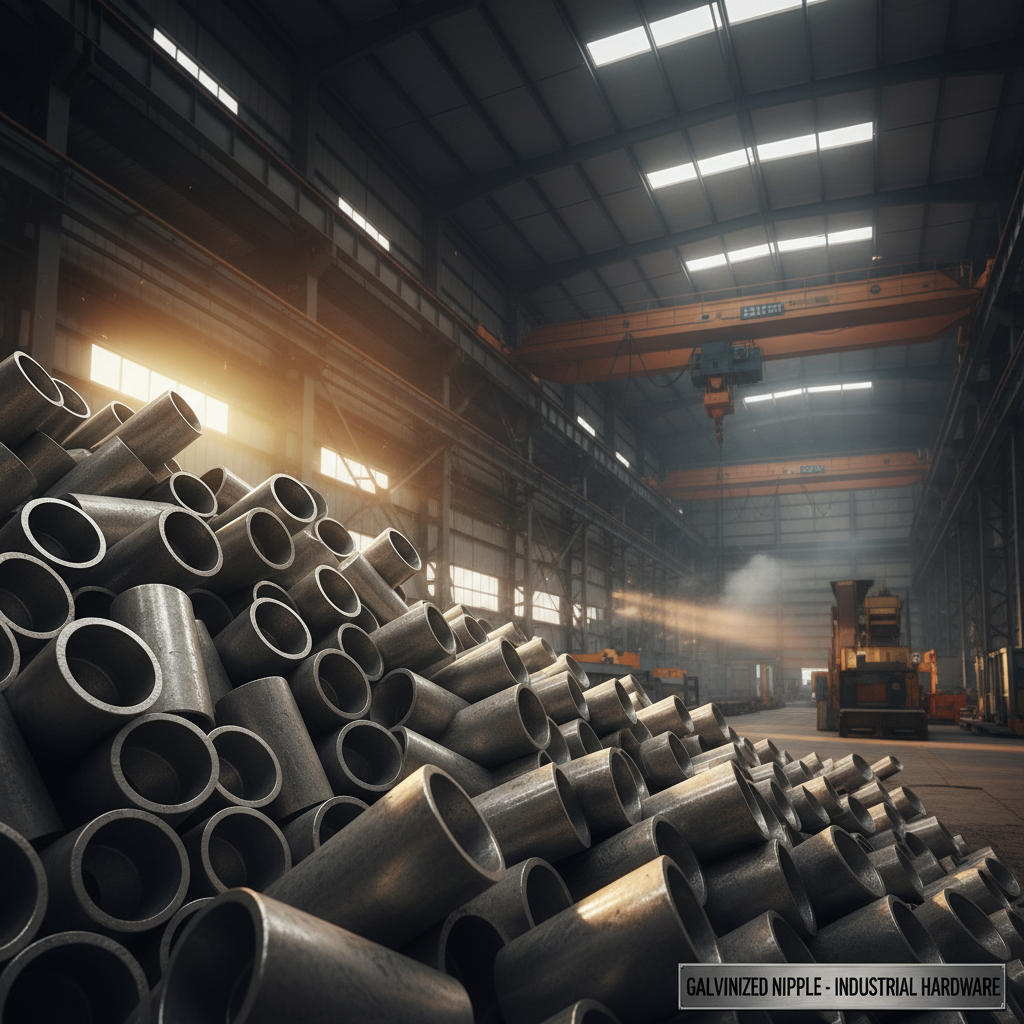
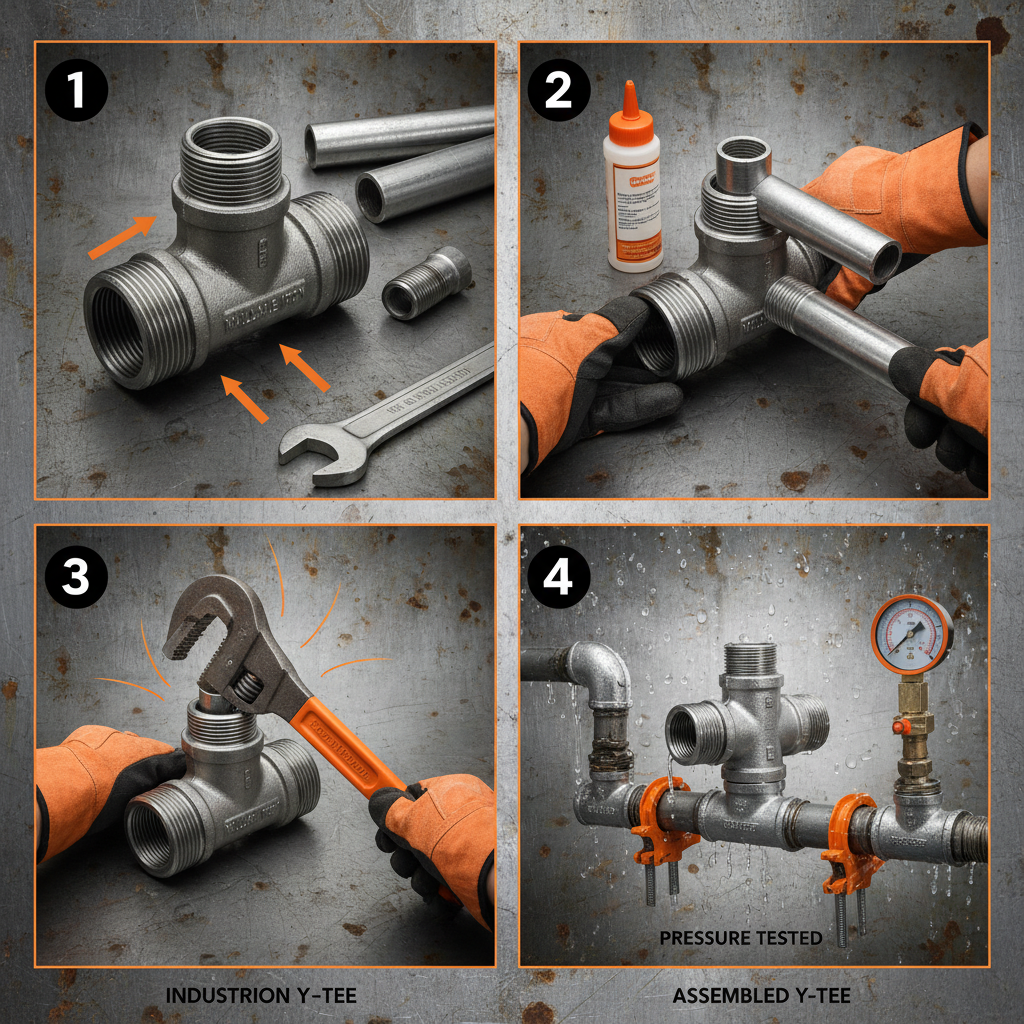
High-quality plumbing and industrial piping systems rely heavily on the precision of their connecting components. Among these, the use of specialized bronze and malleable iron solutions ensures that fluid transport remains secure and leak-free across various pressure environments. Understanding the nuances of different sizing and material specifications is critical for engineers and procurement specialists to avoid system failures and maintain operational efficiency.
The demand for robust piping solutions has grown globally as infrastructure projects in emerging economies expand. From residential water lines to complex industrial jointing, the selection of the right fitting can mean the difference between a lifelong installation and a costly maintenance nightmare. Standardized dimensions and material certifications, such as ASTM B62, provide the necessary assurance for safety and longevity.
When sourcing specific components like black pipe fittings 3 4, it is essential to prioritize technical compliance over generic descriptions. By focusing on tensile strength, elongation properties, and precise NPT threading, professionals can ensure their systems meet international ASME standards while optimizing cost-efficiency and durability.
Material Composition and ASTM Standards
The integrity of any piping system starts with the raw material. For professional-grade fittings, adhering to ASTM B62 (UNS Alloy C83600) and ASTM B824 C89633 ensures that the alloy possesses the necessary corrosion resistance and structural strength to withstand varied environmental stressors. These alloys are specifically chosen for their ability to maintain a tight seal under pressure.
Using materials that meet these international standards allows for seamless integration into existing global infrastructure. Whether the project is in Thailand or North America, the chemical composition of the bronze and iron ensures that the fittings do not degrade prematurely when exposed to water or industrial fluids, providing a stable foundation for the entire network.
Precision Threading and Dimensional Accuracy
Dimensional precision is non-negotiable in the world of pipe fitting. For components like black pipe fittings 3 4, following the ASME B16.15 Class 125 standard ensures that every part fits perfectly without the need for excessive sealant or forced installation, which can lead to stress fractures.
Threading must strictly conform to ASME B1.20.1 NPT standards. This ensures that the tapered threads create a leak-proof seal as they are tightened, distributing the pressure evenly across the connection. Any deviation in the thread pitch or angle can result in slow leaks that are difficult to detect but catastrophic over time.
Our production process utilizes high-precision gages to check threads during the in-process stage. This rigorous check prevents defective parts from moving forward in the assembly line, ensuring that the final product delivered to the customer is mathematically accurate and mechanically sound.
Mechanical Properties and Durability Factors
The physical resilience of a fitting is measured by its tensile strength and elongation capabilities. For high-performance jointing, a minimum tensile strength of 20.0kg/mm is required to ensure the fitting does not deform or crack under the weight of the piping system or the pressure of the fluid moving through it.
A critical factor often overlooked is the elongation percentage. With a minimum elongation of 20%, our black pipe fittings 3 4 can absorb a degree of thermal expansion and mechanical vibration without suffering a brittle failure, which is essential for outdoor installations.
These mechanical properties combined ensure that the fittings can withstand the rigors of industrial installation. From the initial casting process to the final grinding, the focus remains on maintaining the alloy's crystalline structure to prevent internal voids or weaknesses.
Performance Analysis of Pipe Fitting Sizes
Selecting the correct size is not just about the diameter but about how that size handles flow rates and pressure drops. Different configurations, such as the RCP0702 (3/4 X 1/4) or RCP0705 (3/4 X 1/2), offer varying levels of resistance and flow efficiency depending on the reduction ratio.
By analyzing the weight and dimensions of these components, engineers can calculate the total load on a piping rack. For instance, the weight difference between a 3/4" fitting and a 1" fitting is significant when scaled across a thousand-point installation in a large industrial plant.
Comparative Performance of black pipe fittings 3 4 Variants
Global Application Scenarios for Water Pipe Jointing
The application of black pipe fittings 3 4 extends far beyond simple plumbing. In remote industrial zones, these fittings are utilized for cooling systems in power generation plants and lubrication lines in heavy machinery, where reliability is the only metric that matters.
Furthermore, in water management projects for agricultural irrigation in Southeast Asia, the use of ASTM B62 bronze fittings prevents corrosion in salt-heavy soils. This ensures that water delivery systems remain functional for years without requiring frequent excavation and replacement of joint components.
Rigorous Quality Control and Water Testing
Quality control is the heartbeat of our manufacturing process. Every single piece of fitting undergoes a strict SOP (Standard Operating Procedure) that begins with the inspection of the molten iron temperature during the molding stage. This prevents the formation of air pockets and ensures a dense, homogenous material structure.
The most critical step is the 100% water pressure test. Unlike random sampling, every single fitting is subjected to pressure to ensure there is zero leakage. This absolute approach to testing guarantees that when a contractor installs our black pipe fittings 3 4, they can be confident in the system's integrity from day one.
Finally, the packaging process involves a dual-check system. QC officers verify that the packed cargoes match the order specifications exactly, using 5-layer corrugated paper master cartons to prevent any transit damage during international shipping from our Thailand facility.
Technical Specifications and Selection Matrix
Choosing the right fitting requires a deep dive into the specific dimensions of the project. For example, the RCP0702 variant features a dimension A of 0.81 and a B of 1.42, which provides a specific footprint and flow profile distinct from the larger RCP1007.
The relationship between the case quantity and the unit weight also informs logistics. A case of RCP0702 contains 200 pieces with a unit weight of 104 grams, allowing procurement managers to calculate shipping costs and storage requirements accurately.
Ultimately, the selection process should be based on a matrix of flow requirement, pressure rating, and material compatibility. The following table provides a detailed breakdown of common configurations used in professional water pipe jointing.
Technical Analysis of Fitting Dimensions and Weights
| Product Code |
Size (Inch) |
Unit Weight (g) |
Case Quantity |
| RCP0702 |
3/4 X 1/4 |
104 |
200 |
| RCP0703 |
3/4 X 3/8 |
110 |
200 |
| RCP0705 |
3/4 X 1/2 |
106.5 |
200 |
| RCP1007 |
1 X 3/4 |
171.5 |
100 |
| RCP1207 |
1-1/4 X 3/4 |
233.1 |
90 |
| RCP2007 |
2 X 3/4 |
588 |
35 |
FAQS
Our fittings are manufactured according to ASTM B62, UNS Alloy C83600, and ASTM B824 C89633. These standards ensure that the bronze and iron alloys provide superior corrosion resistance and high tensile strength, making them suitable for demanding water pipe jointing applications globally.
We employ a strict 100% water pressure test for every single piece of fitting before it leaves our warehouse. This means no random sampling; every unit is verified to be leak-free, ensuring total reliability for the end-user.
Yes, our threads strictly conform to ASME B1.20.1 NPT standards. This ensures a perfect, tapered fit with standard American National Standard Pipe threads, which is essential for maintaining a secure seal in commercial and industrial installations.
The minimum tensile strength is 20.0kg/mm. This high strength, combined with a minimum elongation of 20%, allows the fittings to withstand significant mechanical stress and thermal expansion without cracking or failing.
Our standard delivery time is approximately 35 days upon receipt of the advanced payment. This allows for the rigorous molding, threading, and 100% water testing required to meet our quality standards.
Yes, we provide free samples to potential clients. This allows you to verify the dimensional accuracy, threading quality, and material composition against your specific project requirements before committing to a bulk order.
Conclusion
The selection of high-precision components like black pipe fittings 3 4 is fundamental to the stability and safety of any fluid transport system. By integrating ASTM material standards, ASME dimensional accuracy, and a zero-tolerance approach to leakage through 100% water testing, these fittings provide the long-term reliability required for both industrial and residential applications.
As global infrastructure continues to evolve toward more sustainable and durable materials, the importance of certified bronze and iron fittings will only grow. We recommend that engineers and procurement officers prioritize verified technical specifications over cost alone to ensure a maintenance-free lifecycle for their piping networks. For more information on our full range of precision fittings, visit our website: www.pannextfittings.com.