The global infrastructure landscape relies heavily on the integrity of piping systems, where the selection of high-quality connectors is paramount. In the realm of industrial fluid transport, the efficiency of a system is often determined by the smallest components, making the strategic choice of connection hardware a critical decision for engineers and contractors worldwide.
Across diverse sectors, from residential water distribution to heavy-duty industrial processing, the demand for reliable, leak-proof intersections is constant. This necessity has driven the evolution of malleable iron components, providing a balance of strength and versatility that ensures long-term structural stability in varying environmental conditions.
Understanding the technical nuances of pluming fittings is essential for optimizing flow rates and ensuring safety standards are met. By focusing on precise threading and material tensile strength, industry professionals can significantly reduce maintenance costs and prevent catastrophic system failures.
The Global Significance of Pluming Fittings
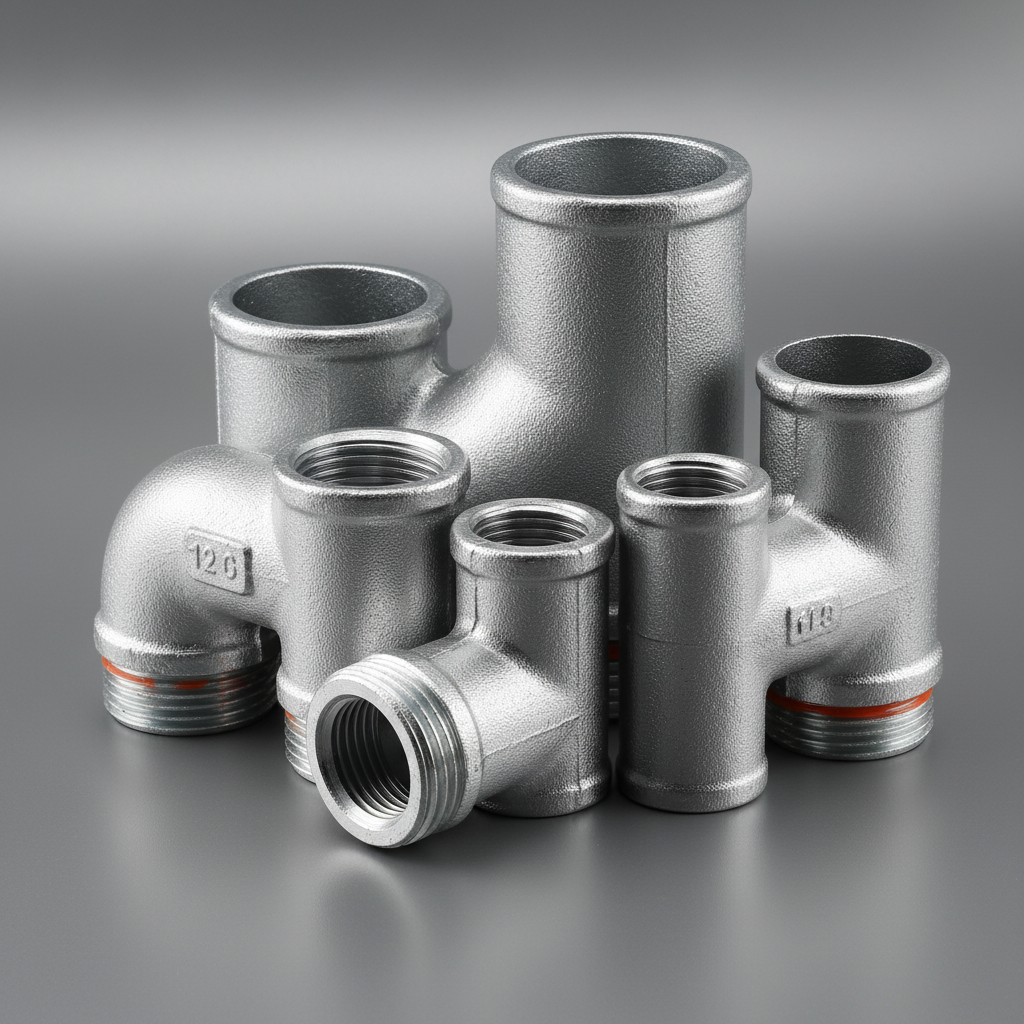
On a global scale, the distribution of water, gas, and oil depends on a complex network of pipelines that must withstand immense pressure and environmental stress. The role of pluming fittings is to provide the necessary joints and transitions that allow these networks to navigate architectural obstacles and connect disparate pipe segments securely.
According to international standards like ISO and ASTM, the failure of a single joint can lead to significant resource loss or environmental hazards. Consequently, the industry has shifted toward standardized malleable iron solutions that offer predictable performance and high tensile strength, ensuring that infrastructure in both developed and emerging economies remains resilient.
Technical Definition and Industrial Meaning
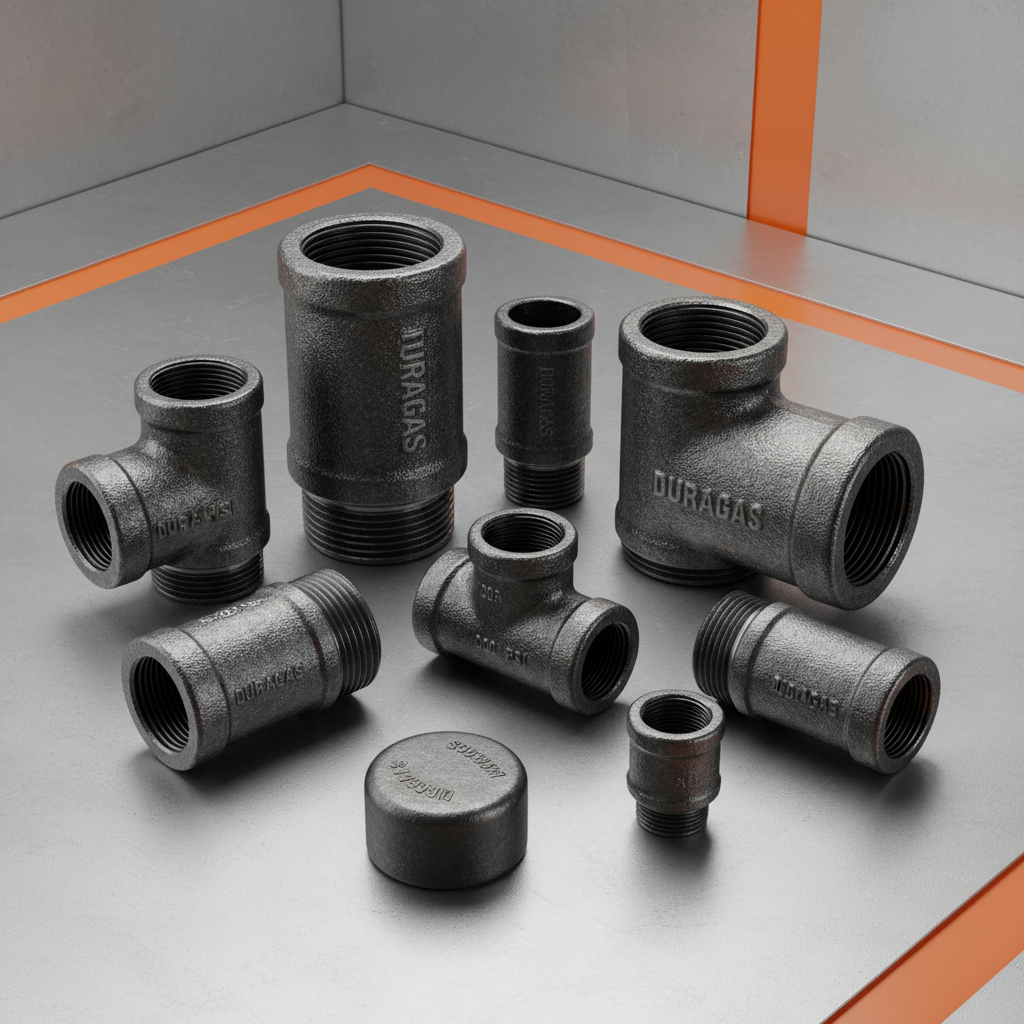
In simple technical terms, these components are specialized connectors used to join pipe sections, change flow direction, or adapt pipe sizes. Malleable iron fittings, specifically, are created through a process of annealing cast iron, which removes the brittleness and allows the metal to be shaped or threaded without cracking under pressure.
Within the modern industrial context, these parts represent the intersection of metallurgical science and mechanical engineering. They serve as the "connective tissue" of a building's mechanical systems, ensuring that fluids move efficiently from a source to a destination without compromising the structural integrity of the piping run.
For humanitarian and large-scale urban needs, such as rapid housing or municipal water upgrades, the use of standardized NPT and BSP threads allows for interchangeable parts. This universality simplifies the supply chain and enables faster deployment of essential utilities in disaster-relief zones or remote industrial sites.
Core Components and Material Strength
The durability of these systems is rooted in the material properties of the metal. For high-performance pluming fittings, a minimum tensile strength of 28.4 kg/mm is often required to prevent rupture during pressure spikes or physical impacts.
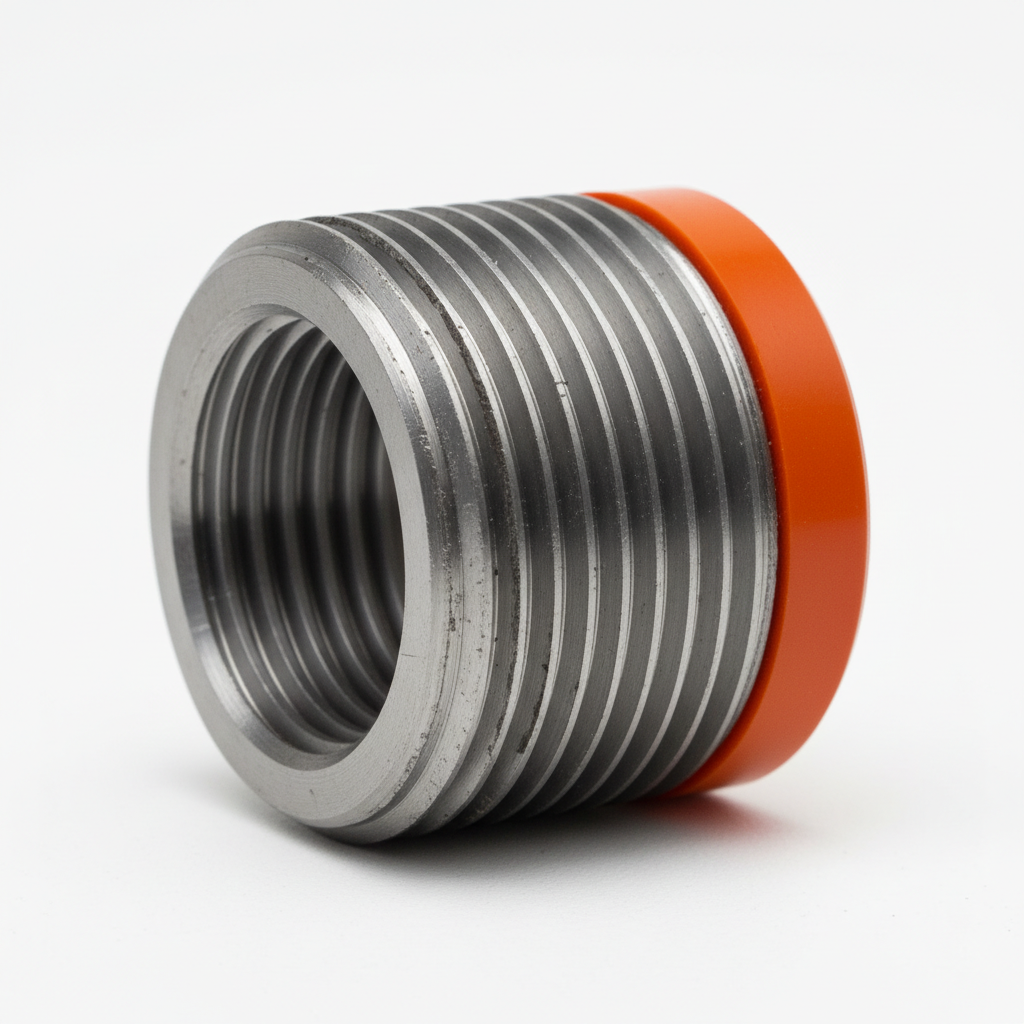
A critical component of the design is the threading standard, with NPT (National Pipe Tapered) and BSP (British Standard Pipe) being the most prevalent. These threads ensure a tight, leak-proof seal that is essential for maintaining Class 150 P.S.I. pressure ratings across various industrial applications.
Furthermore, the female head connection type provides a secure housing for male pipe ends, reducing the risk of loosening over time due to thermal expansion or vibration. This mechanical stability is what makes malleable iron a preferred choice over softer metals in high-stress environments.
Performance Metrics in Practical Application
When evaluating the efficiency of a piping installation, engineers look at the balance between flow resistance and joint security. The use of precision-engineered components ensures that the internal diameter remains consistent, minimizing turbulence and pressure drops that can occur with inferior hardware.
By comparing different connection methods, it becomes evident that malleable iron offers a superior middle ground between the extreme cost of stainless steel and the fragility of standard cast iron, making it the optimal choice for most commercial plumbing and heating systems.
Performance Comparison of Pipe Connection Methods
Global Applications and Use Cases
In heavy industrial zones, such as the chemical processing plants of Southeast Asia or the refineries in the Middle East, these fittings are used to construct robust manifolds. Their ability to withstand high pressure and their resistance to mechanical shock make them indispensable for transporting steam and industrial oils.
Additionally, in residential urban developments across Europe and North America, malleable iron is frequently utilized in fire sprinkler systems. The reliability of these pluming fittings ensures that in the event of an emergency, the system can deliver water at maximum pressure without any joint failures.
Long-Term Value and Reliability Advantages
The primary long-term value of investing in high-grade malleable iron lies in the reduction of lifecycle costs. While cheaper alternatives might offer lower initial procurement prices, they often succumb to corrosion or stress fractures, leading to expensive downtime and emergency repairs.
From a safety perspective, the peace of mind provided by a Class 150 P.S.I. rated system is invaluable. Knowing that the connections are forged to meet strict tensile strength requirements allows facility managers to operate their systems at peak capacity with confidence.
Moreover, the sustainability of these components is a key advantage. Malleable iron is highly recyclable and possesses a lifespan that far exceeds that of polymer-based alternatives, contributing to a more sustainable approach to industrial construction and urban planning.
Future Innovations and Material Standards
As we move toward "Industry 4.0," the integration of smart monitoring within piping systems is becoming a reality. Future iterations of pluming fittings may incorporate sensor-compatible designs that allow for the real-time detection of leaks or pressure drops via IoT networks.
Environmental policies are also driving innovation in coatings. New anti-corrosive treatments are being developed to further extend the life of iron fittings in saltwater environments, reducing the need for frequent replacements and minimizing the carbon footprint associated with metal production.
Automation in the manufacturing process, particularly in Hebei, China, is ensuring that dimensions like those for E8012 and E8020 models are produced with micron-level precision. This ensures that every piece fits perfectly, reducing installation time and eliminating the need for excessive sealant.
Technical Specification Analysis of Malleable Iron Fittings
| Model Code |
Size (Inch) |
Tensile Strength |
Pressure Class |
| E8012 |
1-1/4 |
28.4 kg/mm |
Class 150 |
| E8015 |
1-1/2 |
28.4 kg/mm |
Class 150 |
| E8020 |
2 |
28.4 kg/mm |
Class 150 |
| Standard-A |
1/2 |
28.4 kg/mm |
Class 150 |
| Standard-B |
3/4 |
28.4 kg/mm |
Class 150 |
| Standard-C |
1 |
28.4 kg/mm |
Class 150 |
FAQS
NPT (National Pipe Tapered) is the standard primarily used in North America, featuring a specific taper that creates a seal as the fitting is tightened. BSP (British Standard Pipe) is more common in Europe and Asia. While both provide secure connections, they are not compatible with each other; using the wrong thread can lead to leaks and joint failure.
Class 150 is suitable for many commercial and light industrial applications. However, for ultra-high-pressure steam systems, engineers should verify if the operating pressure exceeds the 150 P.S.I. limit. For such cases, higher-grade fittings or schedule-rated pipes may be required to ensure safety and prevent rupture.
Tensile strength measures the maximum stress a material can withstand while being stretched or pulled before failing. A minimum of 28.4 kg/mm ensures that the fitting can handle the physical stresses of installation and the internal pressure of the fluid without cracking, which is essential for long-term system reliability.
Yes, significantly. While cast iron is hard, it is brittle and can crack under impact or sudden pressure changes. Malleable iron undergoes a heat-treatment process that makes it more flexible and durable, allowing it to be threaded and withstand mechanical shocks that would shatter ordinary cast iron.
Selection depends on the outer diameter of your pipe. For example, E8012 is designed for 1-1/4 inch pipes, E8015 for 1-1/2 inch, and E8020 for 2 inch. Always measure the nominal pipe size (NPS) rather than the actual outside diameter to ensure the correct thread fitment.
While malleable iron is naturally robust, outdoor exposure to moisture and salt can lead to oxidation. We recommend using coated pipe fittings or applying a galvanized layer to prevent rust and extend the operational lifespan of the system in harsh environments.
Conclusion
The selection of high-quality pluming fittings is not merely a matter of procurement, but a critical engineering decision that affects the safety, efficiency, and longevity of any fluid transport system. By adhering to strict material standards, such as a 28.4 kg/mm tensile strength and Class 150 P.S.I. ratings, industries can build infrastructure that is both resilient and cost-effective over the long term.
As we look toward the future, the blend of traditional metallurgical strength and modern manufacturing precision will continue to drive the industry forward. For those seeking to optimize their piping networks, investing in standardized, high-performance malleable iron components is the most reliable path toward operational excellence. Visit our website: www.pannextfittings.com