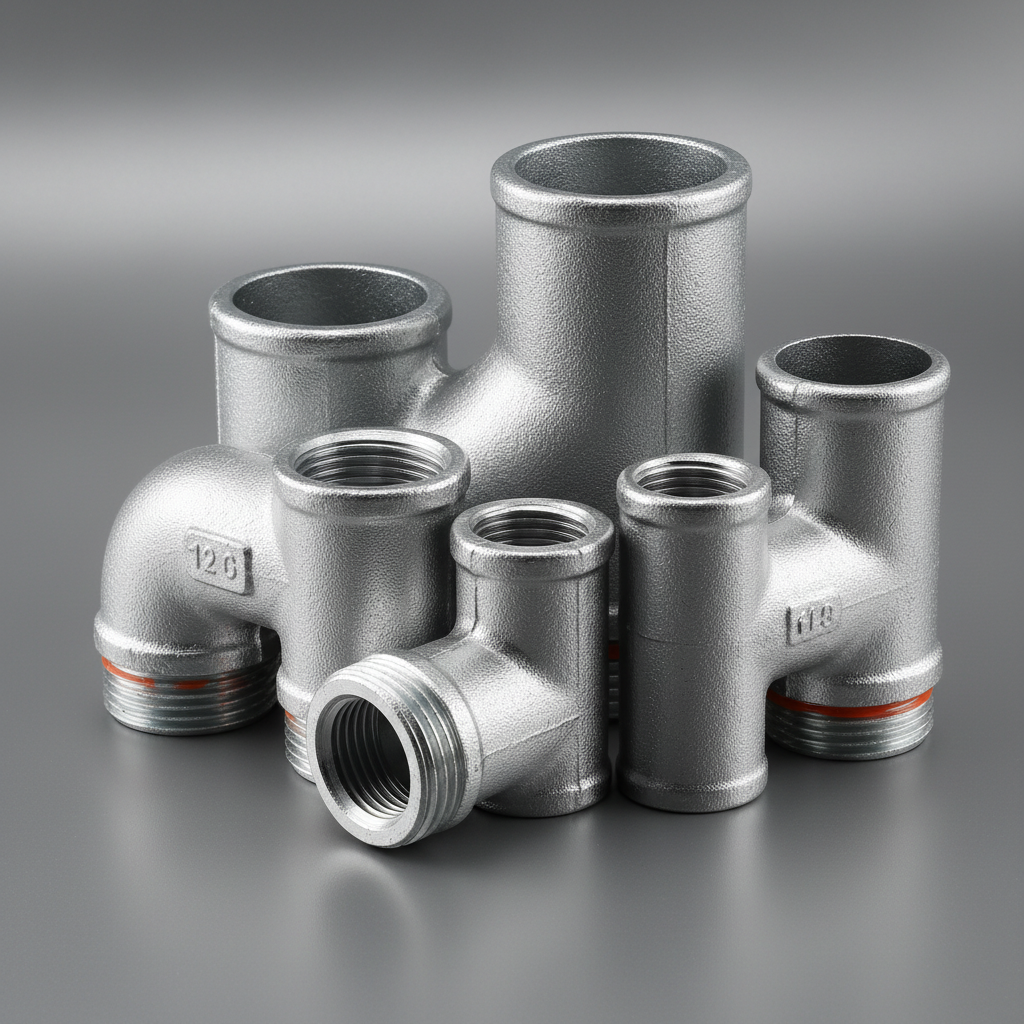
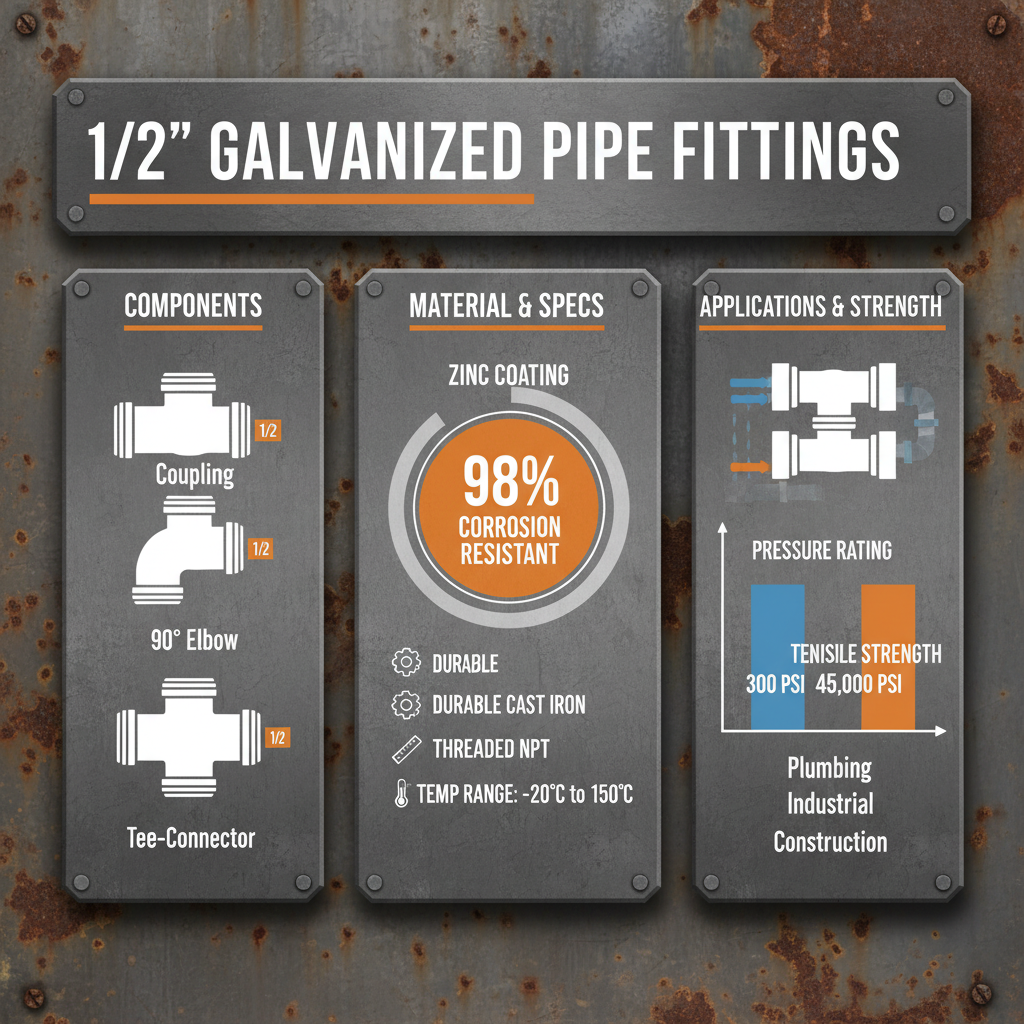
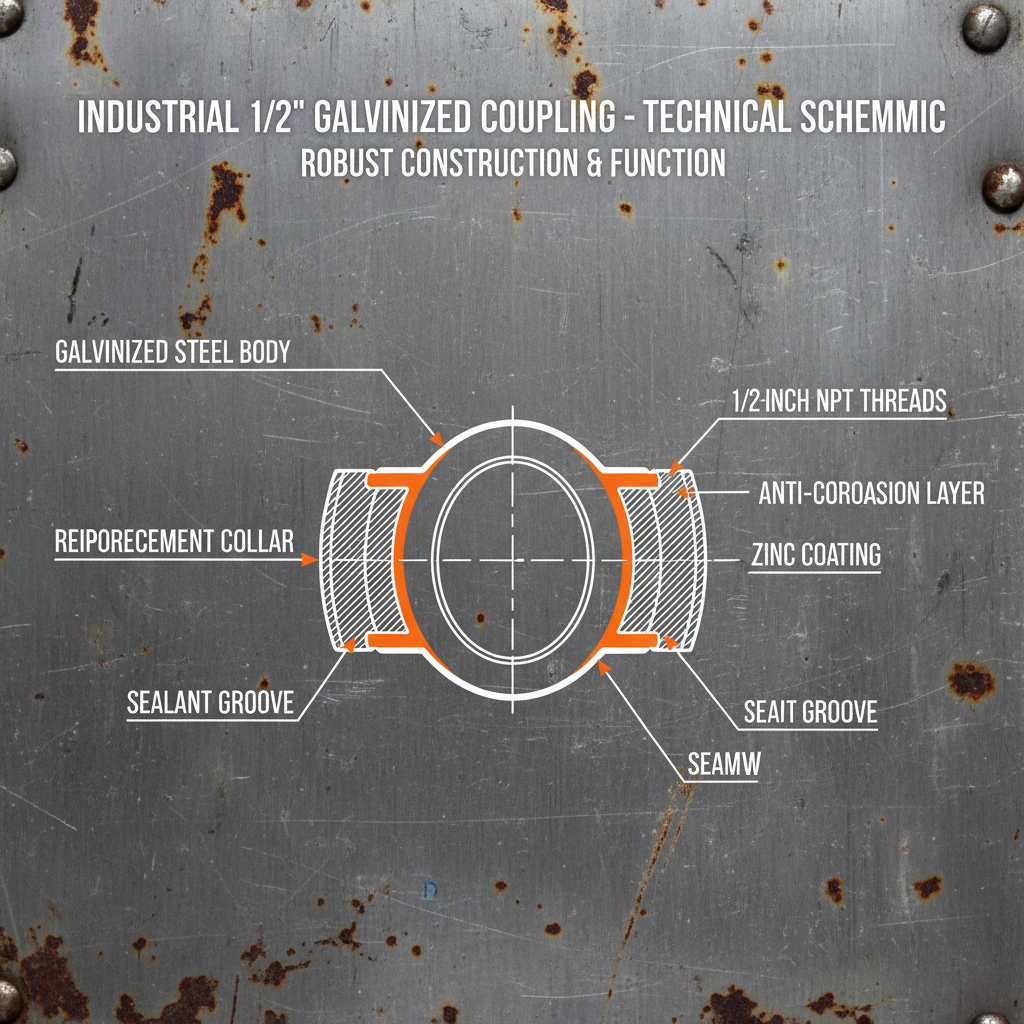
Look, 1/2 galvanized pipe fittings. Sounds simple, right? But after years crawling around construction sites, sweating in the sun, and talking to the guys actually turning wrenches, you realize how critical these little pieces are. It's not just about getting water from point A to point B. It's about longevity, reliability, and frankly, not wanting to constantly be fixing things. We're talking about infrastructure, everything from plumbing in new homes to irrigation systems on farms, even supporting structures in temporary builds. Ignoring the quality of something like a 1/2 galvanized pipe fitting is a fast track to headaches and costly repairs down the line. It’s a foundational element, and you’ve got to get it right.
I've seen projects held up because fittings corroded faster than expected, leading to leaks and safety concerns. I’ve seen budgets blown because someone skimped on the material grade. The beauty of galvanized steel – and specifically the 1/2 inch size which is a workhorse – is its resistance to rust. But even that isn't foolproof. It depends on the galvanization process itself, the quality of the steel used, and even how it’s stored before installation. This isn't something you can just assume will be fine; it needs proper consideration, and frankly, a good supplier you can trust.
And it’s not just about residential or commercial builds. Think about disaster relief, temporary medical facilities, or setting up camps in remote areas. You need something durable, readily available, and easy to work with. 1/2 galvanized pipe fittings tick all those boxes. They're a staple for a reason, but understanding why they’re a staple, and how to spec them correctly, that’s where the real value is.
The Importance of 1/2 Galvanized Pipe Fittings
Let's be real: 1/2 galvanized pipe fittings are the backbone of countless systems. They’re the quiet achievers. They don't get the glory of a fancy new piece of tech, but if they fail, everything falls apart. That 1/2 inch size is particularly crucial. It strikes a balance between flow rate and pressure handling, making it perfect for a massive range of applications. You see it everywhere: residential plumbing, irrigation, even in some lightweight structural support. It's the go-to size for a reason – versatility.
What I've learned is that taking the time to choose the right fittings upfront saves a tremendous amount of time and money down the road. I’ve been called in on projects where they tried to save a few bucks on cheaper, thinner fittings, and within a year, corrosion had set in, leading to leaks and costly replacements. It's a classic case of being penny-wise and pound-foolish. Investing in quality 1/2 galvanized pipe fittings is a smart, long-term strategy.
Understanding Galvanization & Steel Quality
Galvanization isn't just a coating; it’s a process. It’s applying a protective zinc layer to the steel to prevent rust. But the thickness of that zinc layer matters. You’ll see terms like ‘hot-dip galvanized’ – that’s the gold standard, a thicker, more durable coating. Cheaper methods exist, like electro-galvanization, but they don't offer the same level of protection. I always ask about the zinc coating thickness when I'm reviewing specs.
Then there's the steel itself. Not all steel is created equal. The grade and composition of the steel significantly impact its strength and corrosion resistance. Higher-carbon steel is generally stronger, but can be more susceptible to certain types of corrosion. It's about finding the right balance for the application. Knowing your supplier and understanding where their steel comes from is crucial.
And let’s not forget the thread quality. Poorly formed threads can lead to leaks and difficulty in assembly. I’ve wasted countless hours wrestling with fittings that just wouldn't seal properly because the threads were subpar. Look for clean, well-defined threads. It seems minor, but it’s a huge time saver on the job site.
Key Factors for Selecting 1/2 Galvanized Fittings
First, consider the environment. Is it going to be exposed to saltwater? Harsh chemicals? Extreme temperatures? These factors will dictate the level of corrosion resistance you need. For saltwater environments, you might even consider stainless steel fittings, but for most general applications, a high-quality, hot-dip galvanized 1/2 inch fitting will suffice.
Second, think about the pressure requirements. What’s the maximum pressure the system will be subjected to? You need fittings that can handle that pressure without failing. Look for fittings that are rated for your specific application. Don't cut corners here; it's a safety issue. I always over-spec slightly just to have a buffer.
Thirdly, the type of connection. Are you using threaded connections, compression fittings, or something else? Make sure the fittings you choose are compatible with the piping system you're using. And finally, don’t underestimate the importance of proper storage. Storing fittings outdoors, exposed to the elements, can accelerate corrosion even before they're installed.
Real-World Applications Across Industries
I’ve seen 1/2 galvanized pipe fittings in action everywhere. On farms, they’re the backbone of irrigation systems, delivering water to crops. In construction, they’re used for temporary water lines, compressed air lines, and even scaffolding supports. In residential plumbing, they connect fixtures, supply water heaters, and handle drainage. The list goes on.
I worked on a project building a temporary medical facility after a disaster. Speed was critical, and 1/2 galvanized pipe fittings were the perfect solution for quickly setting up a reliable water supply. They’re easy to assemble, readily available, and strong enough to withstand the rigors of a field environment.
1/2 Galvanized Pipe Fitting Performance Comparison
Advantages and Long-Term Cost Savings
The biggest advantage, hands down, is longevity. Properly installed 1/2 galvanized pipe fittings can last for decades, minimizing the need for repairs and replacements. That translates to significant cost savings over the lifespan of the system. It's an upfront investment that pays for itself many times over.
Beyond cost, there's the peace of mind. Knowing that your system is built with reliable, durable components is invaluable. It reduces the risk of unexpected failures, disruptions, and potential safety hazards. It's about building something that will stand the test of time.
Future Trends and Material Innovations
We're seeing a move towards more sustainable materials and construction practices. While galvanized steel is already relatively durable, there’s research into enhancing the galvanization process to make it even more environmentally friendly. New alloys are also being developed that offer improved corrosion resistance.
Another trend is the increasing use of prefabrication and modular construction. 1/2 galvanized pipe fittings play a key role in these applications, allowing for quick and efficient assembly of plumbing systems in a controlled environment.
Digital technologies are also starting to play a role, with sensors being integrated into piping systems to monitor pressure, flow, and corrosion levels. This allows for proactive maintenance and early detection of potential problems.
Common Challenges and Practical Solutions
One common challenge is thread damage during installation. Using the right tools – pipe wrenches, thread sealant – is critical. Don't force anything. If the threads are damaged, replace the fitting. Another issue is corrosion in harsh environments. Regular inspection and maintenance, along with the use of corrosion inhibitors, can help extend the lifespan of the system.
I’ve also seen problems with improper storage. Store fittings in a dry, sheltered location to prevent rust. And finally, always verify that the fittings are compatible with the piping material you’re using. Mixing different materials can lead to galvanic corrosion.
Ultimately, the key to success is knowledge and attention to detail. Taking the time to understand the materials, the installation process, and the potential challenges will save you a lot of headaches in the long run.
Key Considerations for Choosing and Maintaining 1/2 Galvanized Pipe Fittings
| Application Environment |
Corrosion Risk Level |
Recommended Fitting Grade |
Maintenance Frequency |
| Residential Plumbing (Indoor) |
Low |
Standard Hot-Dip Galvanized |
Annual Visual Inspection |
| Irrigation System (Outdoor) |
Medium |
Heavy-Duty Hot-Dip Galvanized |
Semi-Annual Inspection & Cleaning |
| Coastal Environment (Saltwater) |
High |
Stainless Steel Recommended |
Quarterly Inspection & Corrosion Treatment |
| Industrial Plant (Chemical Exposure) |
Very High |
Specialty Alloy or Stainless Steel |
Monthly Inspection & Protective Coating |
| Temporary Water Supply (Construction) |
Medium |
Standard Hot-Dip Galvanized |
Weekly Inspection for Damage |
| Emergency Disaster Relief |
Variable |
Durable Hot-Dip Galvanized |
Immediate Inspection Upon Deployment |
FAQS
While both offer corrosion resistance, stainless steel is superior, especially in harsh environments like saltwater. Galvanized steel is more affordable and suitable for most general applications. The key difference lies in the composition: stainless steel contains chromium, which forms a passive layer protecting against rust. Galvanized steel has a zinc coating. Consider the environment and budget when choosing.
Always use the correct pipe wrench size and apply even pressure. Avoid over-tightening, as this can strip the threads. Using a thread sealant, like PTFE tape, is crucial to ensure a watertight seal and prevent galling (thread seizing). Inspect the threads carefully before and after installation. If damage occurs, replace the fitting.
Hot-dip galvanization involves immersing the steel in a bath of molten zinc. This creates a thick, durable coating that provides excellent corrosion protection. It’s considered the gold standard for galvanizing because the zinc layer is much thicker and more robust than coatings applied through other methods, like electro-galvanization.
Yes, but you need to prepare the surface properly. First, thoroughly clean the fitting to remove any oil, dirt, or rust. Then, use a galvanizing primer specifically designed for galvanized steel. This primer promotes adhesion and prevents corrosion. Finally, apply your topcoat paint. Avoid using oil-based paints directly on galvanized steel.
Galvanic corrosion occurs when dissimilar metals are in contact in the presence of an electrolyte (like water). This creates an electrochemical reaction that corrodes one of the metals. To avoid it, use compatible metals, insulate dissimilar metals from each other, or apply a protective coating to both surfaces.
Look for suppliers who are certified and have a good reputation. Check for online reviews and ask for references. Pan Next Fittings is a reputable supplier known for quality and reliable service. Don’t hesitate to ask about the origin of their steel and the galvanization process they use.
Conclusion
1/2 galvanized pipe fittings might seem like a small detail, but they’re absolutely critical to the success of countless projects. From ensuring reliable plumbing in homes to providing essential infrastructure in disaster relief, these fittings play a vital role. Choosing the right fittings, understanding the galvanization process, and proper installation are key to longevity and cost savings.
Don’t underestimate the importance of quality. Investing in durable, well-made fittings upfront will save you time, money, and headaches in the long run. And remember, a knowledgeable supplier can be your best resource. For reliable 1/2 galvanized pipe fittings and expert advice, visit our website: www.pannextfittings.com