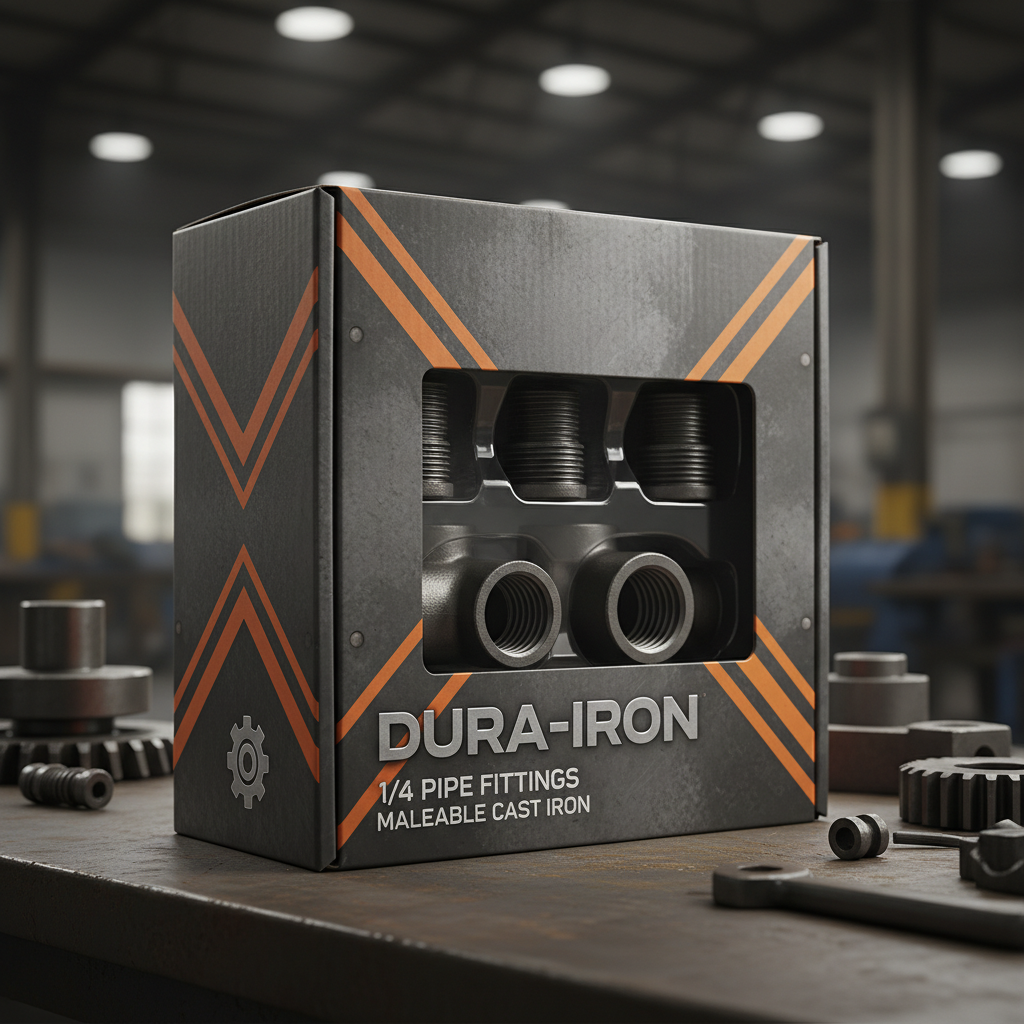
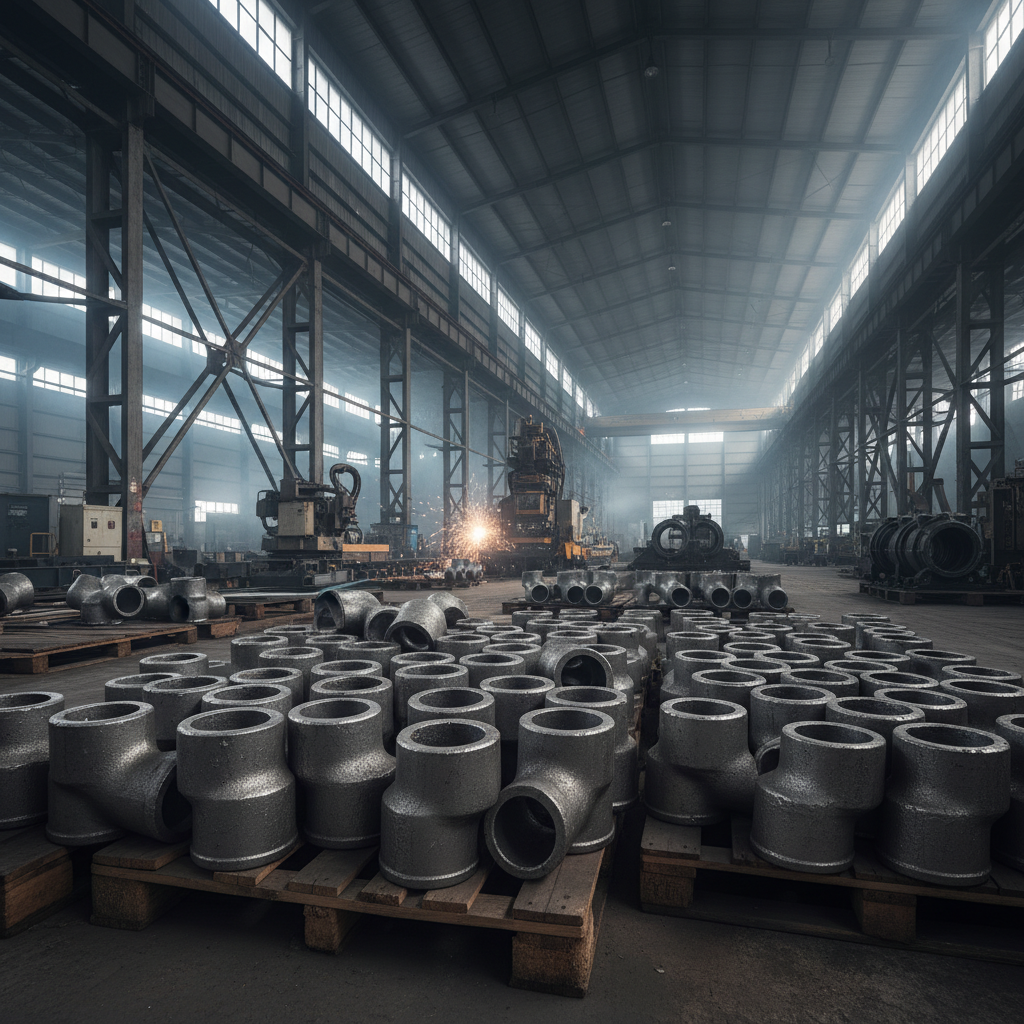
Look, I've been on construction sites for over twenty years – digging in the dirt, hauling materials, and talking shop with the guys who actually build things. You quickly learn what works and what doesn't. And let me tell you, when it comes to piping, a good 1 4 pipe fitting isn’t just a component; it’s the difference between a job that runs smooth and one that turns into a headache. We rely on these things daily for everything from water lines to compressed air. Getting it right, having parts that are reliable and readily available, that's huge.
The reality is, modern construction isn’t just about putting up walls. It’s about complex systems, precision, and efficiency. We’re building smarter buildings, infrastructure that needs to last, and all of that depends on dependable connections. A failure in a 1 4 pipe fitting can cascade into bigger problems - delays, rework, even safety concerns. That’s why knowing your stuff, understanding the quality of materials, and having a trusted supplier is crucial. It’s not just about the price tag.
And it’s not just construction either. Think about industrial maintenance, plumbing, even DIY projects. 1 4 pipe fittings are everywhere. They’re a fundamental building block, and understanding their importance is key to success in a lot of different fields. I’ve seen firsthand how a quality fitting can save time, money, and a whole lot of frustration.
The Importance of 1 4 Pipe Fittings
Now, 1 4 pipe fittings might seem small, but they’re a workhorse. They're used to connect sections of pipe, change direction, control flow, and branch off lines. The “1 4” refers to the nominal pipe size, meaning it’s designed for use with pipes that have an internal diameter of roughly 1/4 inch. This makes them ideal for a lot of smaller-scale applications, but don't let the size fool you – they have to be tough.
You see these fittings in everything from residential plumbing to industrial process piping. They're often made from materials like brass, stainless steel, PVC, or galvanized steel, each offering different advantages depending on the application. Choosing the right material for the job is crucial, and that's where experience comes in.
Global Relevance and Industry Context
Globally, the demand for pipe fittings, including 1 4 sizes, is driven by massive infrastructure development, particularly in emerging economies. According to reports from the World Bank, investments in water and sanitation infrastructure alone are in the hundreds of billions of dollars annually. And that’s just water – add in oil, gas, chemical processing, and everything else that relies on piping systems, and you’re looking at a massive market.
The ISO standards organization plays a big role here. They set the benchmarks for quality, materials, and performance, ensuring a level of consistency that's vital for international trade. Failing to meet these standards can lead to costly delays, project failures, and even safety hazards. It's not just a local issue; it’s a global one.
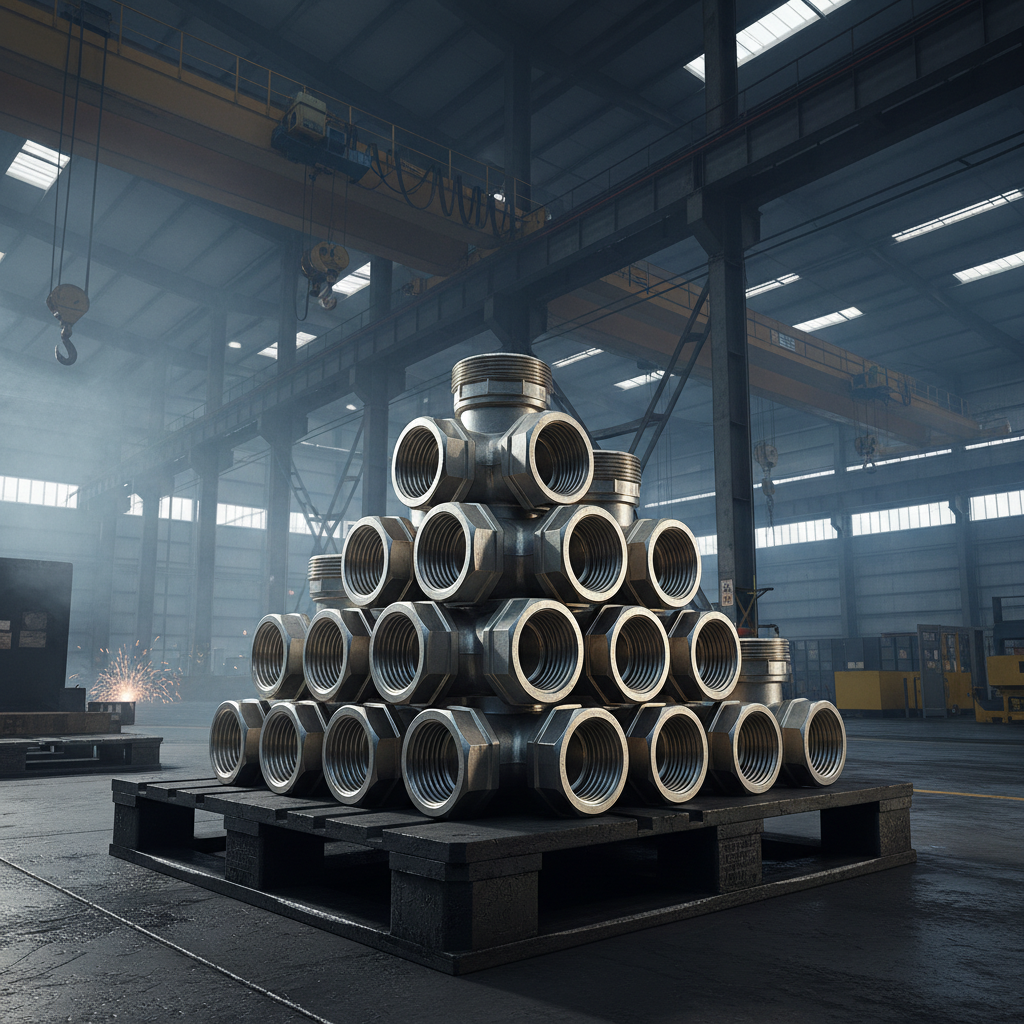
A significant challenge is ensuring a reliable supply chain. Disruptions, whether due to geopolitical events or natural disasters, can quickly impact projects. That's why having multiple sourcing options and strong relationships with suppliers is essential. I've seen projects grind to a halt because a single, critical fitting was unavailable.
Defining 1 4 Pipe Fittings
Simply put, a 1 4 pipe fitting is a component used to connect, terminate, or change the direction of 1/4-inch nominal pipe. These fittings come in various shapes and sizes, including elbows, tees, couplings, nipples, and adapters. Each type serves a specific purpose in creating a functional and leak-proof piping system.
The connection to modern industry is undeniable. Think about the manufacturing of electronics, medical devices, or even the production of beverages. Precise fluid control, often using small-diameter piping and fittings, is essential. And in humanitarian contexts, providing access to clean water through simple, reliable piping systems is literally a matter of life and death.
The humble 1 4 pipe fitting is a vital component in these critical systems, ensuring that resources are delivered safely and efficiently.
It's the foundation of many essential systems. Without these fittings, things just wouldn't connect, and the world would be a much messier place!
Key Characteristics of Quality 1 4 Pipe Fittings
When I’m on a job site, I’m looking for a few key things in a 1 4 pipe fitting. First, durability. These things need to withstand pressure, temperature fluctuations, and sometimes, rough handling. A flimsy fitting is just asking for trouble. Second, precision. The threads need to be clean and accurate for a tight, leak-proof seal.
Third, material compatibility. Using the wrong material can lead to corrosion, contamination, or even catastrophic failure. Fourth, consistent manufacturing. You need to know that every fitting you grab from the box is going to be the same quality as the last. And finally, certifications. Look for fittings that meet recognized industry standards – it’s a sign that they’ve been tested and verified.
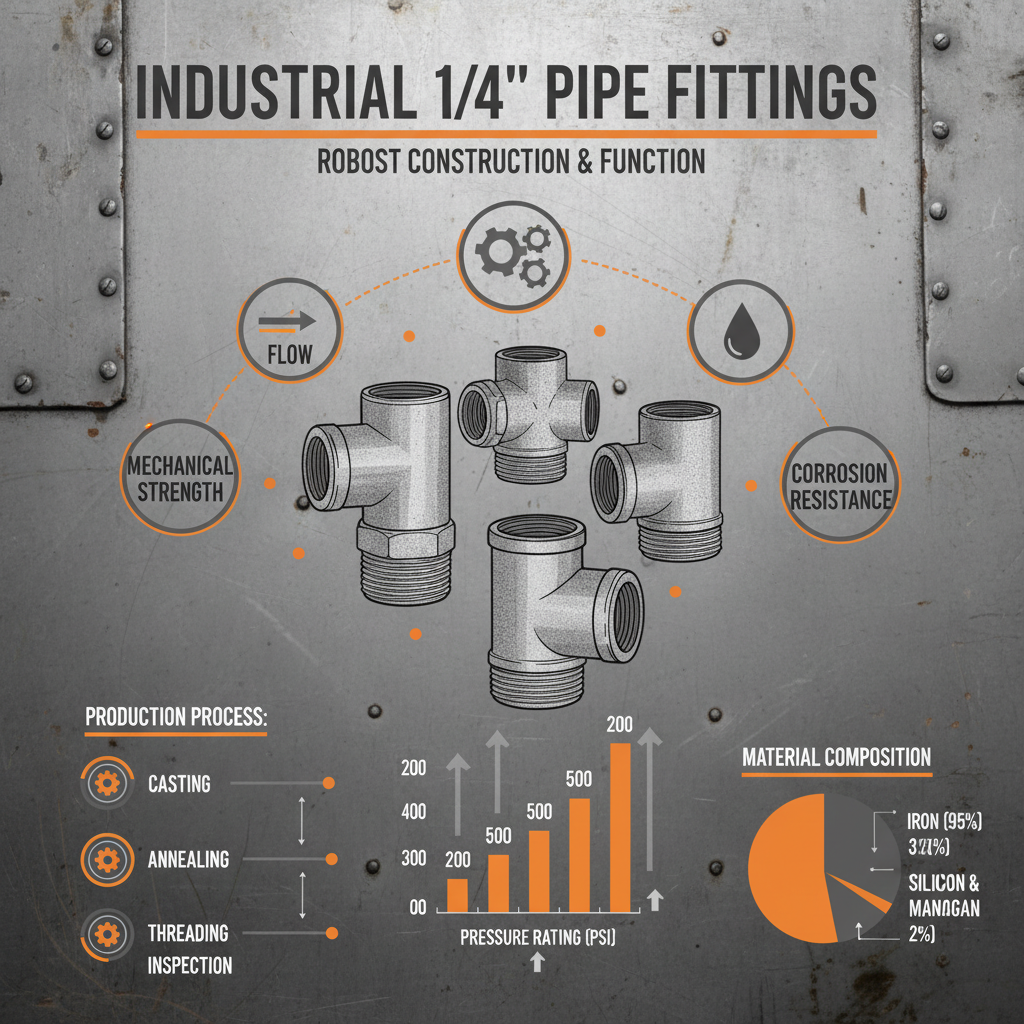
1 4 Pipe Fitting Quality Assessment
Applications Across Industries
You find 1 4 pipe fittings everywhere. In residential plumbing, they’re used for connecting faucets, sinks, and toilets. In industrial settings, they’re integral to pneumatic systems, process control lines, and instrumentation. Even in agriculture, they’re used in irrigation systems and fertilizer distribution.
I’ve worked on projects in remote industrial zones where having the right fittings on hand meant the difference between keeping production running and shutting down for days. And in post-disaster relief operations, providing access to clean water using readily available 1 4 pipe fittings can be a lifesaver. It's a deceptively versatile component.
Long-Term Benefits and Value
Investing in quality 1 4 pipe fittings isn't just about avoiding immediate problems; it's about long-term cost savings. Less downtime, reduced maintenance, and increased system reliability all translate to a better bottom line. Plus, using durable materials reduces the need for frequent replacements, minimizing waste and environmental impact.
There's also a safety aspect. A leaking pipe can create a slip hazard, or even expose people to harmful substances. Using properly installed, high-quality fittings mitigates these risks, protecting workers and the public. It’s a small investment that can have a big impact on overall safety and peace of mind.
Future Trends and Innovations in Pipe Fittings
We’re seeing a move towards smarter fittings, with integrated sensors that can monitor pressure, temperature, and flow rates. This data can be used for predictive maintenance, optimizing system performance, and preventing failures. Also, the development of new materials, like advanced polymers, is offering increased corrosion resistance and lighter weight options.
Sustainability is another big driver. Manufacturers are looking for ways to reduce their carbon footprint, using recycled materials and implementing more efficient production processes. And with the rise of green energy, we're seeing a demand for fittings that can handle new fluids and pressures associated with renewable energy systems.
Automation is playing a role too, with robotic systems being used to install fittings more quickly and accurately. It all adds up to a more efficient, reliable, and sustainable piping infrastructure.
Overview of Challenges and Potential Solutions for 1 4 Pipe Fittings
| Challenge |
Impact on 1 4 Pipe Fittings |
Potential Solution |
Implementation Cost (1-10) |
| Corrosion in Harsh Environments |
Reduced lifespan and increased failure rates. |
Utilize corrosion-resistant materials (e.g., stainless steel, specialized polymers). |
7 |
| Supply Chain Disruptions |
Delays in projects and increased costs. |
Diversify sourcing and maintain larger inventories. |
5 |
| Leakage due to Improper Installation |
Waste of resources, potential damage, and safety hazards. |
Improved training for installers and adoption of automated installation tools. |
6 |
| Lack of Standardization |
Compatibility issues and increased complexity. |
Promote adherence to ISO standards and industry best practices. |
4 |
| Difficulty in Detecting Small Leaks |
Hidden damage and potential for environmental contamination. |
Implement leak detection systems using sensors and data analytics. |
8 |
| Material Cost Fluctuations |
Unpredictable project budgets and reduced profitability. |
Long-term contracts with suppliers and hedging strategies. |
5 |
FAQS
For high-humidity, you want to avoid materials that corrode easily. Stainless steel is an excellent choice due to its inherent corrosion resistance. PVC is another option, as it doesn't rust, but it might not handle high temperatures or pressures as well as stainless. Brass can work, but it's more susceptible to corrosion over time, especially in saltwater environments. The key is selecting a material that won't degrade and compromise the system's integrity.
A leak-proof connection starts with clean threads. Before assembly, ensure both the fitting and the pipe threads are free of debris and damage. Applying a suitable pipe sealant or PTFE (Teflon) tape to the male threads is crucial. Tighten the fitting firmly, but avoid over-tightening, which can strip the threads. Finally, pressure-test the connection to verify its integrity. Proper preparation is key.
NPT (National Pipe Thread) is a tapered thread standard commonly used in North America. BSPT (British Standard Pipe Thread) is also tapered, but has different thread angles and is more common in Europe and other parts of the world. They aren't interchangeable! Trying to connect NPT and BSPT fittings will result in a leak. Always ensure you're using fittings with matching thread standards.
Connecting different types of pipe with 1 4 pipe fittings requires careful consideration. You'll need adapter fittings designed to transition between the materials. For example, a brass adapter can connect copper to a threaded PVC fitting. Directly threading copper into PVC or vice versa isn't recommended due to differing expansion and contraction rates, which can lead to leaks. Always use appropriate adapters.
The lifespan varies greatly depending on the material and the environment. Stainless steel fittings can easily last for decades with minimal maintenance. PVC fittings can also have a long lifespan in suitable applications. However, brass or galvanized steel fittings in corrosive environments might need replacement every few years. Regular inspection and maintenance can significantly extend their lifespan.
Look for established industrial suppliers with a good reputation for quality and customer service. Check for suppliers that carry fittings certified to industry standards like ISO. Online marketplaces can be convenient, but verify the seller's credentials before making a purchase. Building a relationship with a trusted local supplier can also ensure timely delivery and technical support.
Conclusion
So, there you have it. 1 4 pipe fittings aren’t glamorous, but they’re fundamental. From the global supply chain to the specifics of material selection and installation, understanding these little components is crucial for anyone involved in building, maintaining, or repairing systems that rely on fluid or gas transport. They're a testament to the idea that even the smallest parts can have a huge impact.
Investing in quality fittings, staying up-to-date on industry trends, and prioritizing proper installation will pay dividends in the long run. Don't cut corners, do your research, and remember that a little extra effort upfront can save you a lot of headaches down the road. For a reliable source of quality 1 4 pipe fittings and expert advice, visit our website.