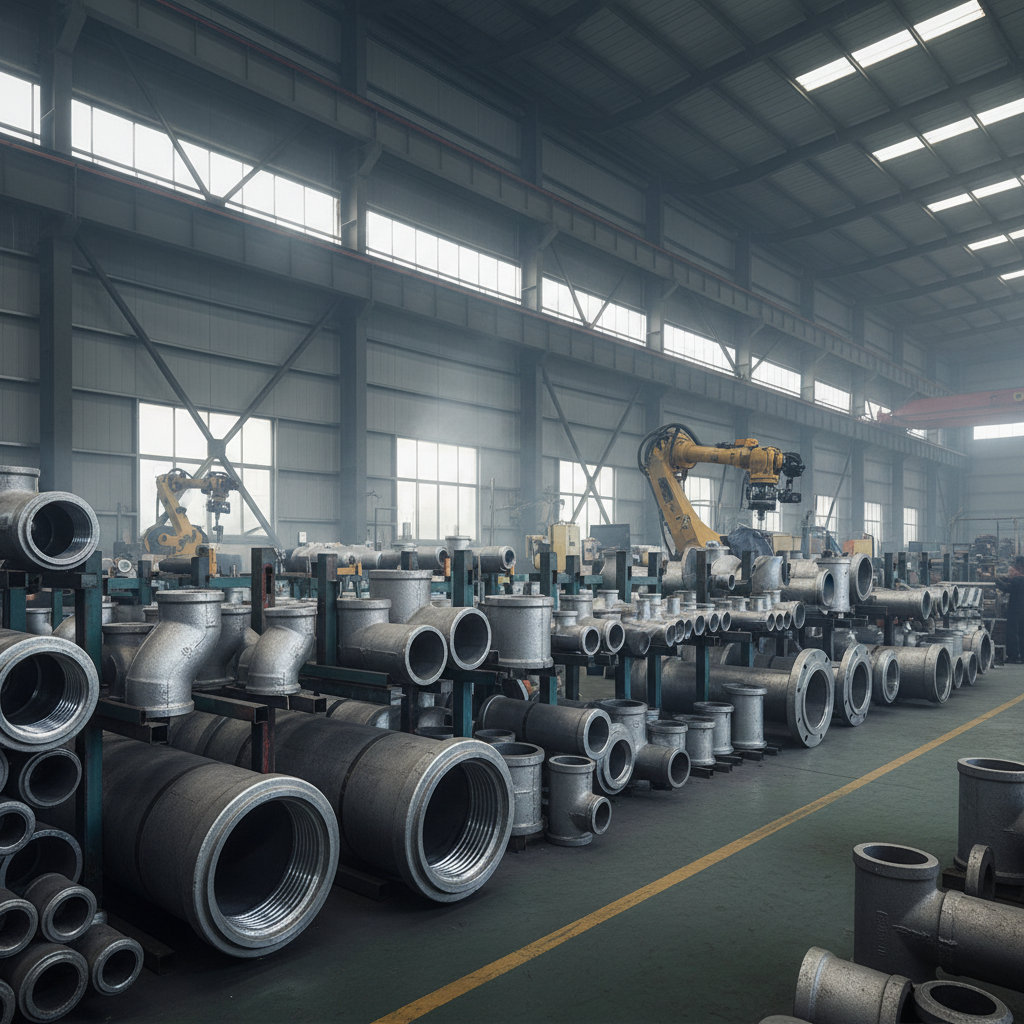
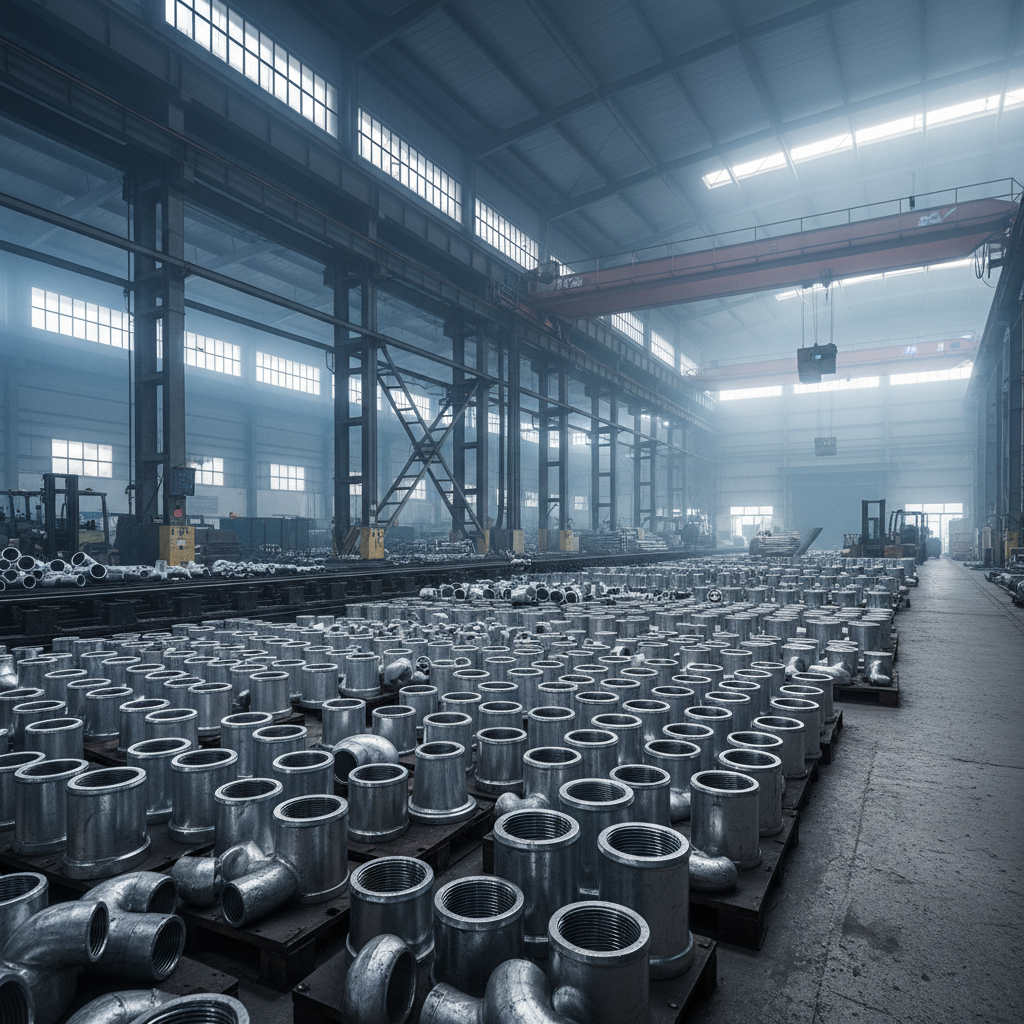
Fittings and pipes are fundamental components in a vast array of industries, from infrastructure and construction to oil & gas and chemical processing. Their role isn’t simply about connecting two points; it's about ensuring the safe, efficient, and reliable transport of fluids and gases. Understanding the nuances of fittings and pipes – materials, standards, and applications – is critical for project success and operational longevity.
Globally, the demand for robust and dependable piping systems continues to grow, driven by expanding urbanization, increasing energy needs, and stricter regulatory requirements. The UN projects continued population growth, placing further strain on existing infrastructure, while initiatives like the Belt and Road Initiative demand expansive pipeline networks. Addressing challenges related to corrosion, leakage, and material sustainability is paramount in this context.
The integrity of any system relying on fluid or gas transfer directly depends on the quality and compatibility of its fittings and pipes. Choosing the right components isn’t just a technical decision; it's an economic one impacting long-term maintenance costs and preventing potentially catastrophic failures.
The Critical Role of Fittings and Pipes
The effective deployment of fittings and pipes is paramount across numerous sectors. From the safe conveyance of potable water to the complex networks within power plants, their reliability directly impacts public health, industrial productivity, and environmental safety. The selection of the appropriate materials and configurations is crucial for optimizing performance and minimizing risks.
The modern demand for infrastructure, coupled with increasingly stringent safety regulations, means that fittings and pipes are continually evolving. Innovations in material science, such as advanced polymers and corrosion-resistant alloys, are driving improvements in durability, lifespan, and overall system efficiency.
Defining Fittings and Pipes
Simply put, pipes are cylindrical sections designed to transport fluids or gases. They come in various materials (steel, copper, PVC, CPVC, brass, and more) and diameters, each suited to specific applications. Fittings and pipes work in harmony, with fittings providing the necessary connections and modifications to the piping system.
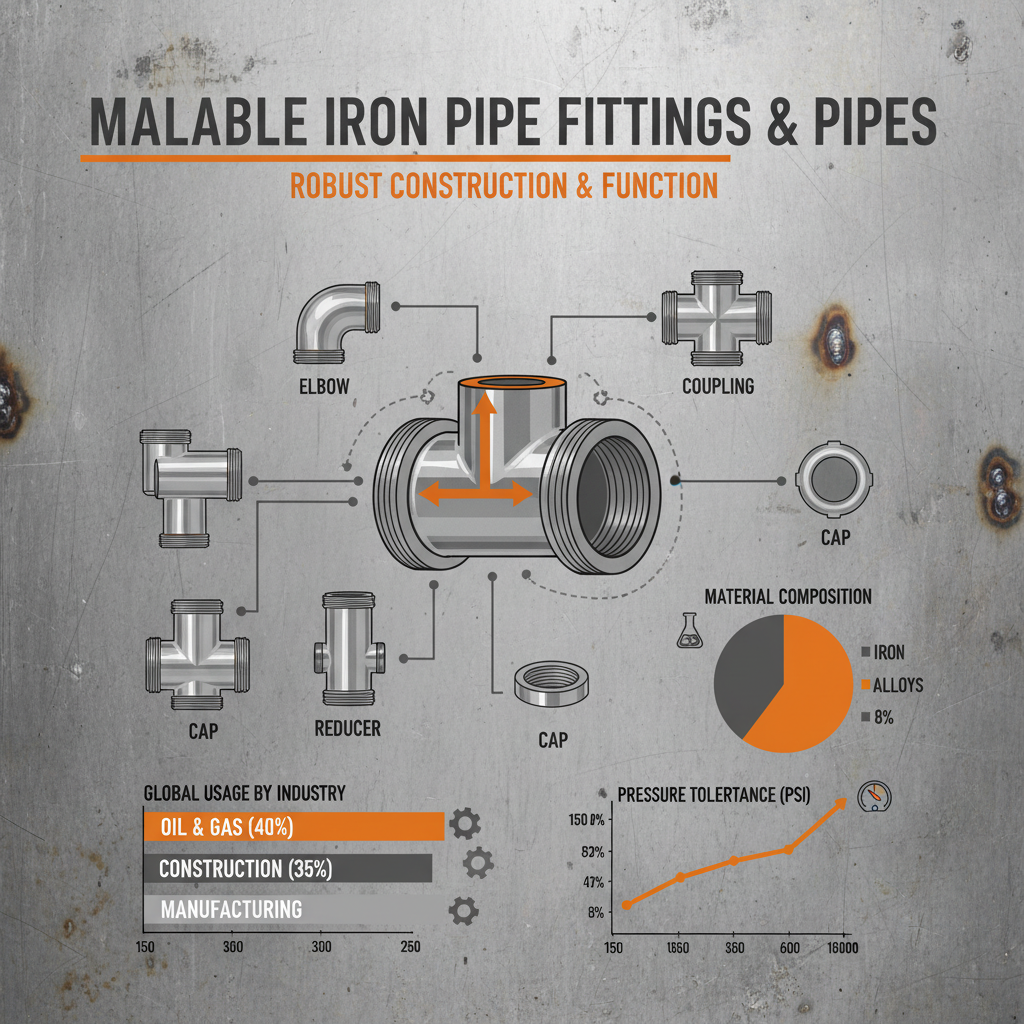
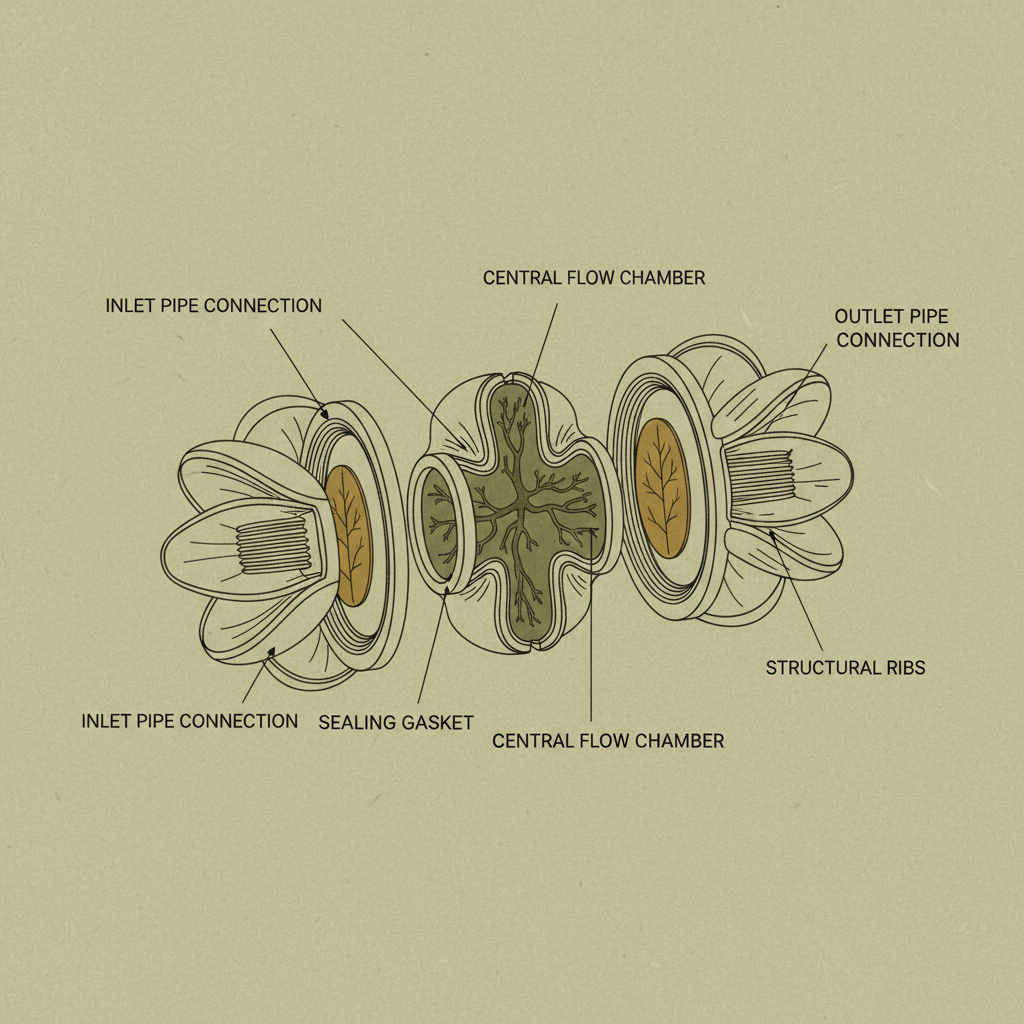
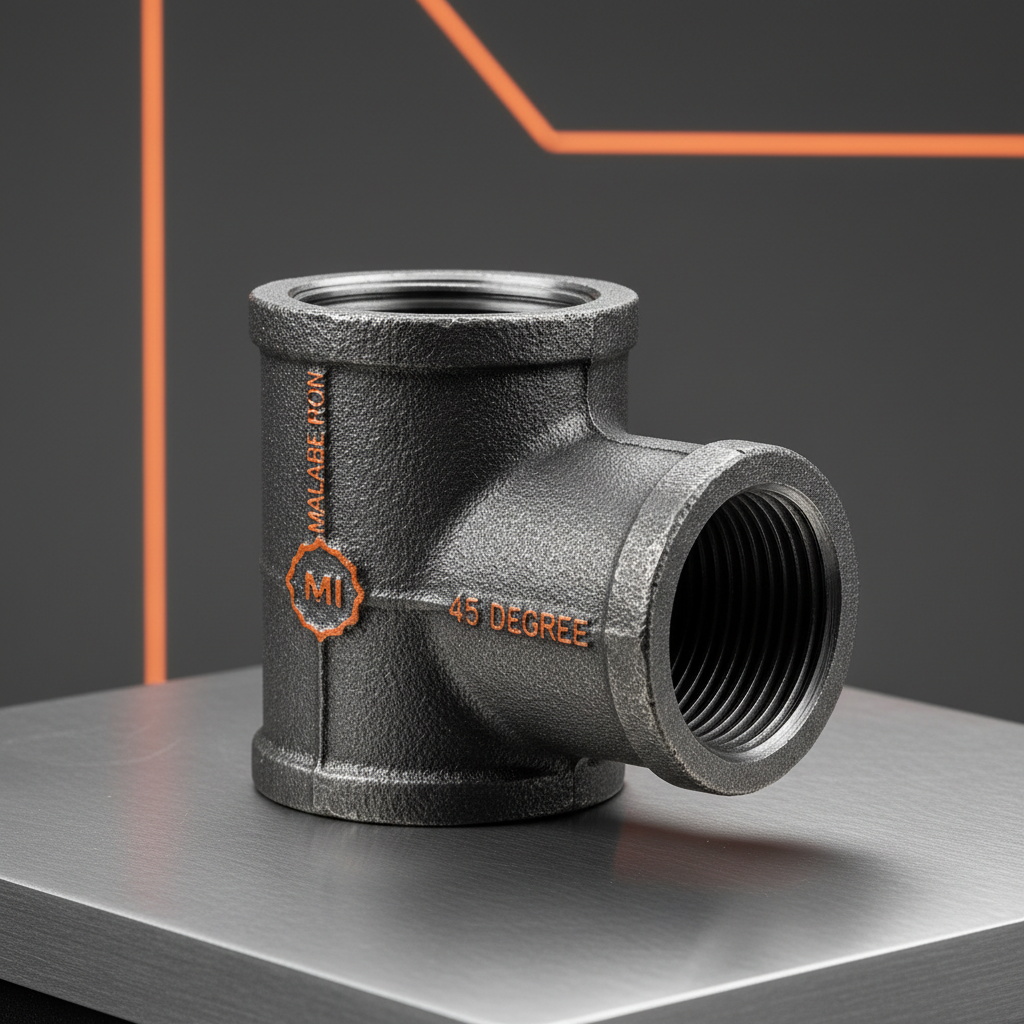
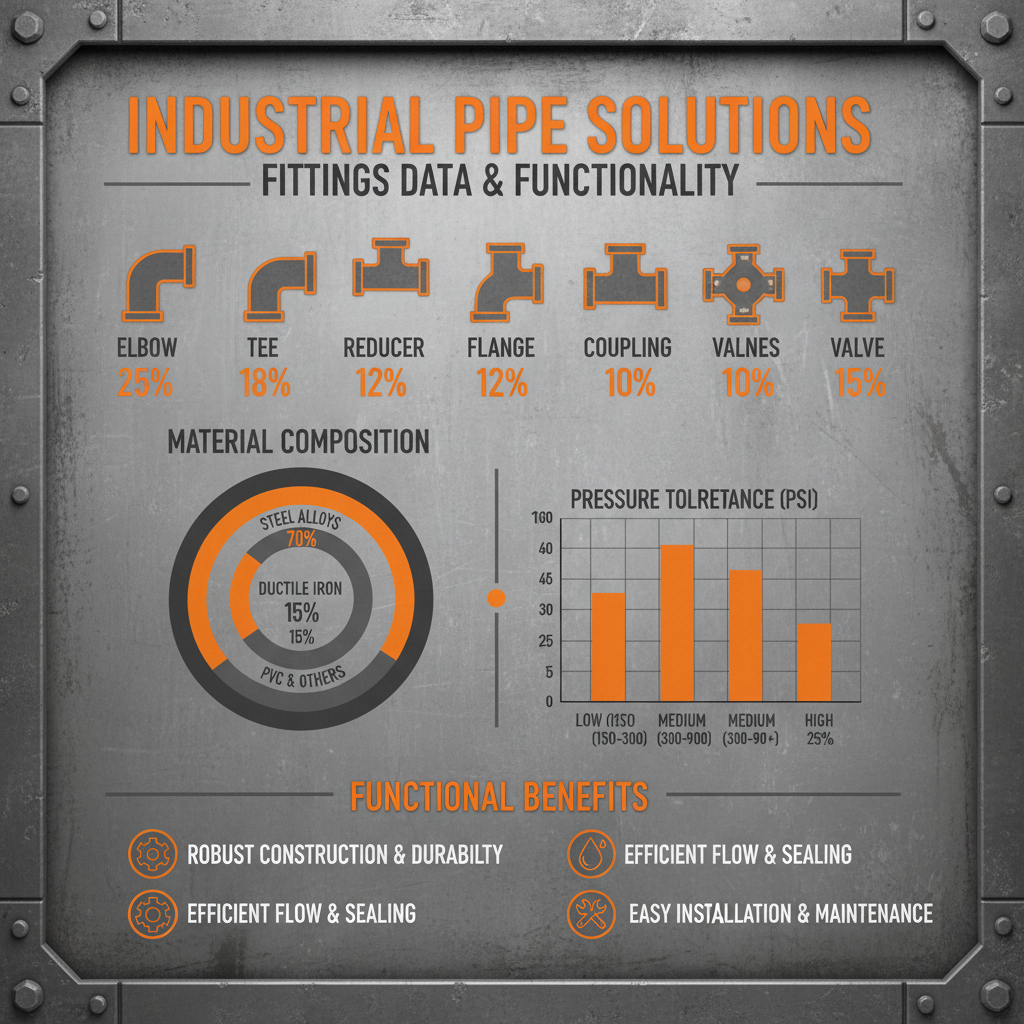
Fittings are components that change the direction, size, or connect different pipe segments. They include elbows, tees, reducers, couplings, and valves, each serving a distinct purpose. The proper selection and installation of fittings are as important as the pipes themselves, as a weak point in a fitting can compromise the entire system.
This interconnectedness is fundamental to modern industry and crucial for addressing humanitarian needs. Reliable water distribution networks, efficient wastewater management systems, and safe gas delivery are all dependent on well-designed and properly maintained piping systems using quality fittings and pipes.
Core Characteristics of High-Quality Piping Systems
Durability is a cornerstone of any successful piping system. The ability to withstand internal pressure, external stresses, and corrosive environments is critical for long-term performance. Materials like stainless steel and specialized coatings are employed to enhance resistance to wear and tear.
Scalability is equally important, allowing systems to be easily expanded or modified to meet changing demands. Modular designs and standardized fittings facilitate adaptation and integration, reducing downtime and minimizing disruption during upgrades. Consider fittings and pipes designed for easy connection and disconnection.
Cost efficiency isn't solely about the initial purchase price. Lifecycle costs, including maintenance, repair, and replacement, are significant factors. Investing in high-quality fittings and pipes with extended lifespans often translates to lower overall costs in the long run. Furthermore, leak-free systems minimize product loss and operational expenses.
Global Applications and Industry Impact
The applications of fittings and pipes are incredibly diverse. In the oil and gas industry, they're used for transporting crude oil, natural gas, and refined products across vast distances, often in harsh and challenging environments. In the construction sector, they form the backbone of plumbing systems in buildings and infrastructure projects.
Across Europe, stringent environmental regulations drive the demand for leak-proof and corrosion-resistant piping systems. In rapidly developing nations in Asia, expanding infrastructure requires large-scale deployment of durable and affordable piping solutions. In remote industrial zones like those in Australia’s mining regions, reliable fittings and pipes are essential for efficient operation.
In post-disaster relief operations, portable water purification systems utilizing readily deployable piping networks are crucial for providing access to clean water. Similarly, in agricultural irrigation, efficient piping systems maximize water usage and improve crop yields, particularly in arid and semi-arid regions.
Performance Comparison of Fittings and Pipes Materials
Advantages and Long-Term Value Proposition
Investing in high-quality fittings and pipes delivers substantial cost savings over the lifespan of a project. Reduced maintenance, minimized leaks, and extended operational life all contribute to a lower total cost of ownership.
From a sustainability perspective, durable piping systems reduce the need for frequent replacements, conserving resources and minimizing waste. The use of environmentally friendly materials and manufacturing processes further enhances the ecological value. Reliable systems also minimize the risk of environmental contamination from leaks or failures.
Future Trends and Innovations in Fittings and Pipes
The industry is witnessing a surge in the development of smart piping systems integrated with sensors and data analytics. These systems provide real-time monitoring of pressure, flow, and temperature, enabling predictive maintenance and optimizing performance.
Furthermore, advancements in materials science are leading to the creation of lighter, stronger, and more corrosion-resistant alloys. Additive manufacturing (3D printing) is also emerging as a promising technology for producing customized fittings and pipes with complex geometries. These innovations are critical for supporting the growth of green energy initiatives and driving the digital transformation of industrial processes.
Common Challenges and Innovative Solutions
A significant challenge remains the prevention of corrosion, particularly in aggressive environments. Innovative coating technologies, cathodic protection systems, and the use of corrosion-resistant alloys are crucial for mitigating this risk.
Another challenge is the efficient installation of large-diameter pipes. Robotic welding and automated joining techniques are gaining traction, reducing labor costs and improving the quality of connections. Furthermore, the development of standardized fitting designs simplifies installation and reduces the need for specialized tools.
Maintaining consistent quality control across the entire supply chain is also paramount. Implementing rigorous testing procedures and adhering to international standards like ISO ensure that fittings and pipes meet the required performance specifications.
Summary of Solutions to Common Piping System Challenges
| Challenge |
Solution Type |
Specific Technique |
Implementation Cost (1-10) |
| Corrosion in Seawater |
Material Science |
Duplex Stainless Steel Alloy |
8 |
| Leakage at Joints |
Installation Method |
Automated Orbital Welding |
7 |
| High Pressure Applications |
Design Engineering |
Thick-Walled Pipe Scheduling |
6 |
| Difficult Terrain Installation |
Logistical Solutions |
Pre-Fabricated Piping Spools |
5 |
| Temperature Fluctuations |
Thermal Management |
Expansion Joints & Insulation |
4 |
| Supply Chain Disruptions |
Strategic Sourcing |
Diversified Supplier Network |
3 |
FAQS
Fittings and pipes are commonly manufactured from materials like carbon steel, stainless steel, PVC, CPVC, copper, and brass. The choice depends on the application's specific requirements, including pressure, temperature, and the type of fluid or gas being conveyed. Stainless steel offers excellent corrosion resistance, while PVC and CPVC are favored for their cost-effectiveness and chemical resistance. Proper material selection is paramount for ensuring system longevity and safety.
Pipe schedule refers to the wall thickness of the pipe. Higher schedule numbers (e.g., Schedule 80 vs. Schedule 40) indicate thicker walls and, consequently, higher pressure ratings. Thicker walls provide greater strength and resistance to internal pressure. It's crucial to select a pipe schedule that aligns with the system's operating pressure to prevent failures and ensure safe operation. Consult relevant engineering standards and pressure-temperature charts for specific ratings.
When dealing with corrosive environments, materials like stainless steel (especially 316L), titanium, and certain engineered plastics are essential. Avoid carbon steel unless it's adequately protected with coatings. The type of corrosion (e.g., galvanic, pitting, stress corrosion cracking) will dictate the appropriate material. Always verify compatibility between the fitting material and the fluid being conveyed to prevent premature failure.
Threaded fittings are easier to install and disassemble, making them suitable for applications requiring frequent maintenance. Welded fittings provide a stronger, leak-proof connection and are preferred for high-pressure and critical applications. Welding requires skilled labor and specialized equipment, while threaded connections can be prone to leaks if not properly sealed with appropriate thread sealant. Choosing between the two depends on the application's specific demands.
Proper pipe support and anchoring are crucial for preventing stress on the piping system caused by weight, thermal expansion, and vibration. Inadequate support can lead to sagging, bending, and eventual failure. Supports should be strategically placed to distribute loads evenly and minimize stress concentrations. Anchoring prevents excessive movement due to thermal expansion, protecting fittings and connections.
Several international standards govern the manufacturing of fittings and pipes, including ANSI/ASME (American National Standards Institute/American Society of Mechanical Engineers), ISO (International Organization for Standardization), and DIN (Deutsches Institut für Normung). These standards specify requirements for material composition, dimensions, testing, and performance. Adherence to these standards ensures quality, reliability, and compatibility across different regions.
Conclusion
In conclusion, fittings and pipes are more than just components; they are the essential arteries of modern industry and infrastructure. Understanding their characteristics, applications, and emerging trends is paramount for ensuring safety, efficiency, and sustainability. From the selection of appropriate materials to the implementation of innovative technologies, a comprehensive approach to piping system design and maintenance is critical for long-term success.
Looking ahead, continued innovation in materials science, smart technologies, and sustainable practices will shape the future of fittings and pipes. Investing in high-quality, reliable systems, and staying abreast of industry advancements will be key to navigating the challenges and capitalizing on the opportunities that lie ahead. Visit our website at www.pannextfittings.com to explore our comprehensive range of solutions.