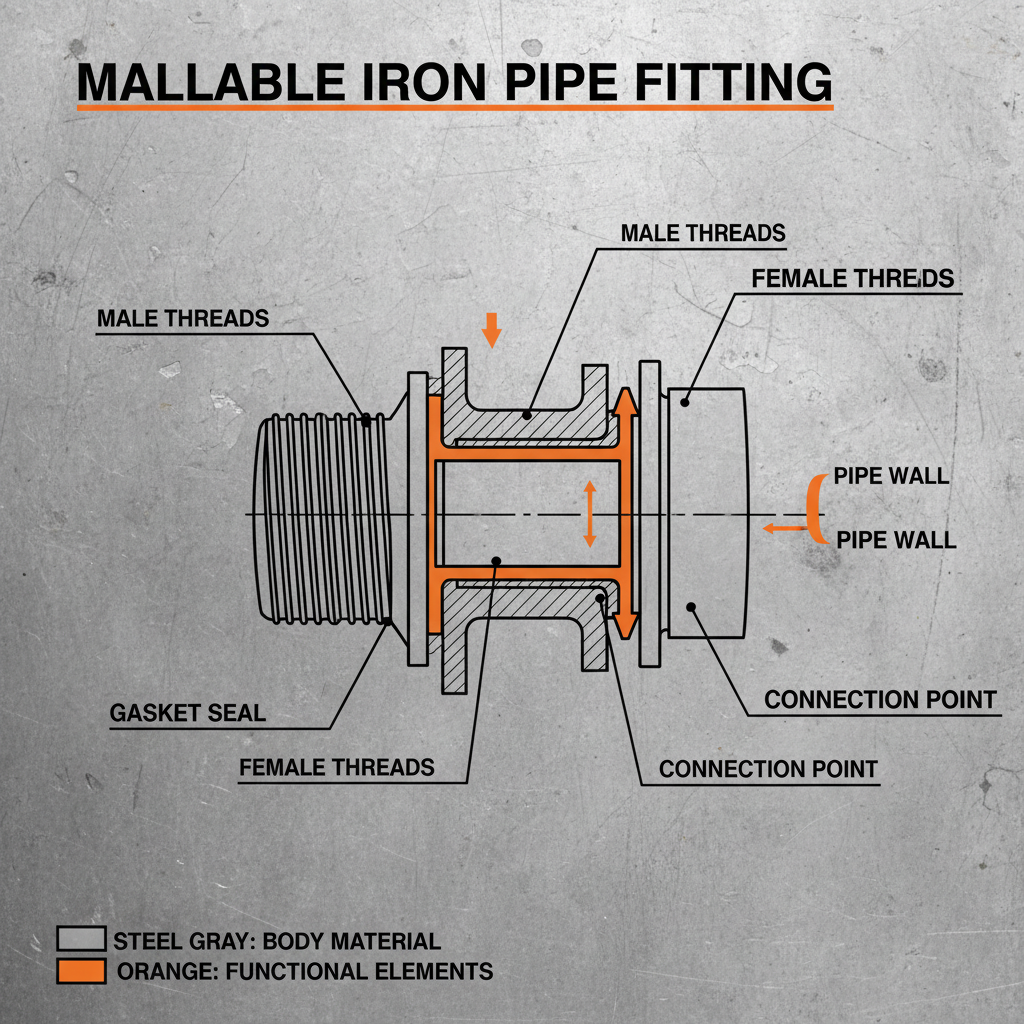
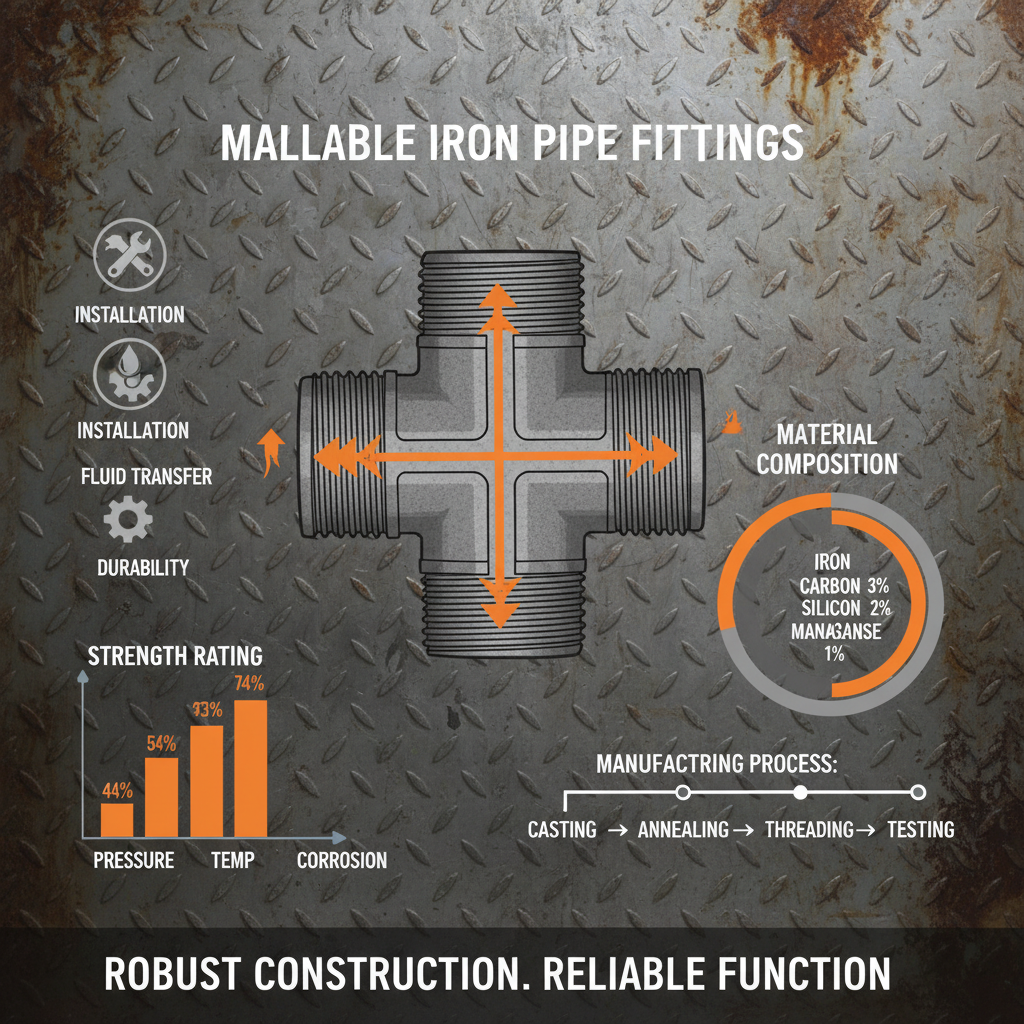
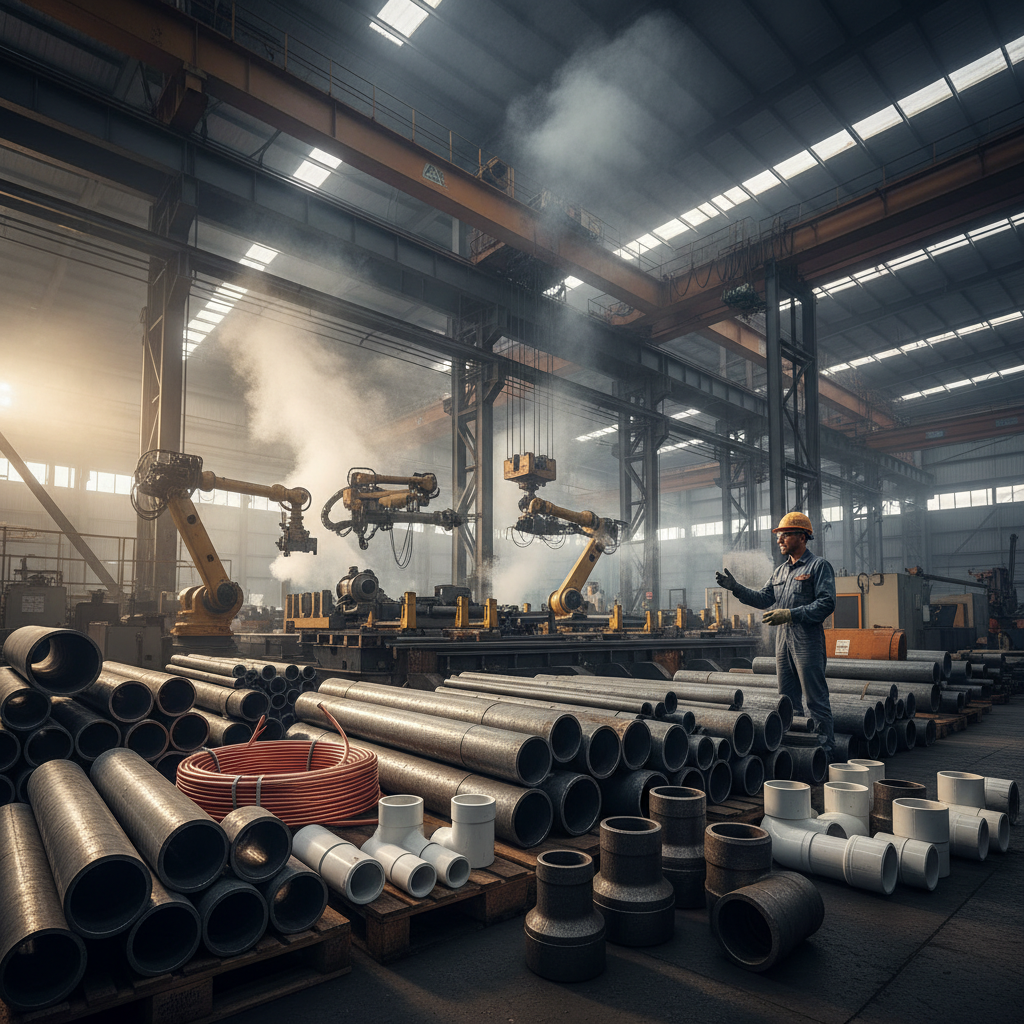
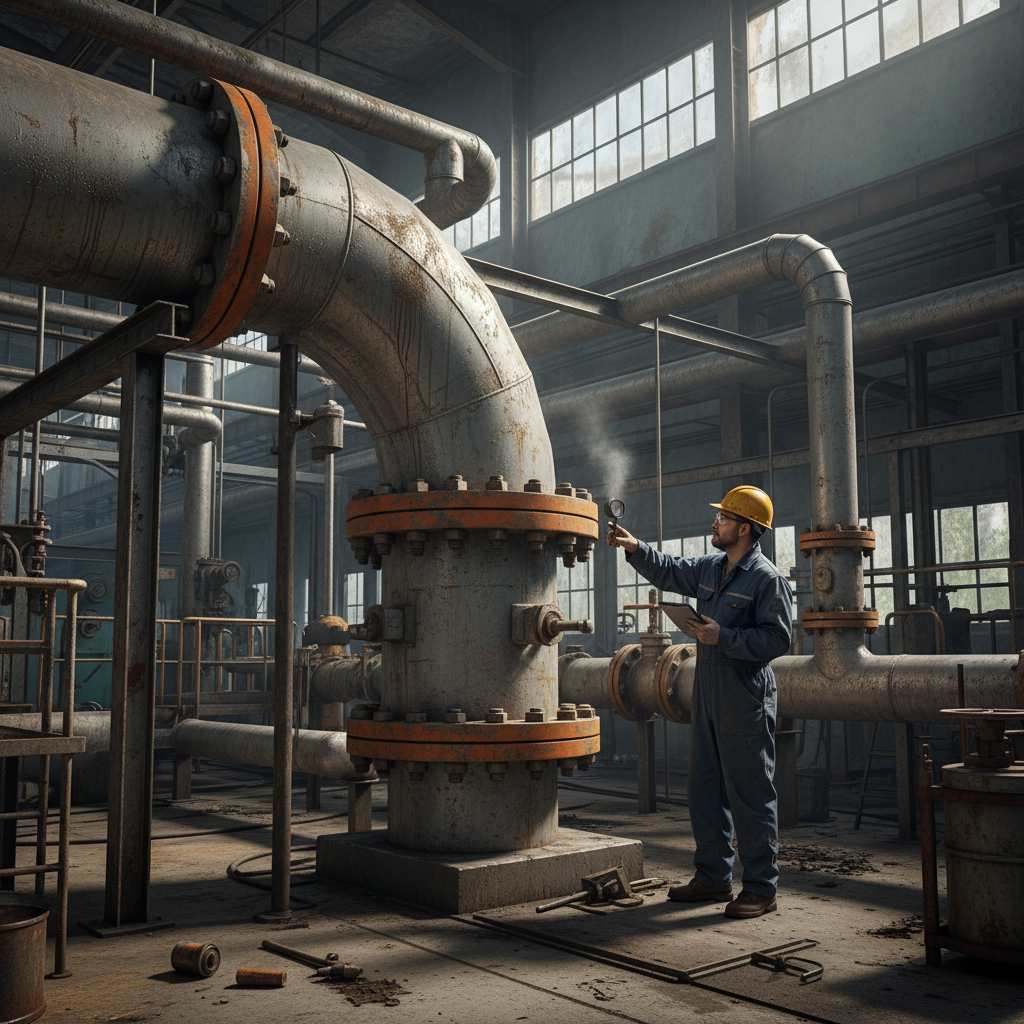
male female fittings are crucial components in piping systems across a vast array of industries, from construction and oil & gas to water treatment and manufacturing. Their ability to quickly and reliably connect dissimilar pipe threads makes them indispensable for efficient fluid transfer and system maintenance. Understanding their application, specifications, and proper installation is vital for ensuring system integrity and preventing costly leaks or failures.
Globally, the demand for high-quality pipe fittings, including male female fittings, is driven by infrastructure development, urbanization, and increasing industrialization, particularly in emerging economies. According to a recent report by Global Market Insights, the global pipe fittings market is projected to reach USD 13.5 billion by 2027. The need for robust, corrosion-resistant, and easily installable connections is paramount, fueling innovation and the adoption of advanced materials and manufacturing techniques.
The efficient conveyance of fluids and gases relies heavily on the quality and compatibility of joining components. Male female fittings address a common challenge: connecting pipes with different thread types or materials. Without these adaptable connectors, complex piping systems would be significantly more difficult and expensive to construct and maintain, hindering progress across critical sectors.
Introduction to male female fitting
male female fittings represent a versatile solution in piping systems, seamlessly bridging the gap between pipes with differing thread types. Their widespread adoption stems from their ease of use, cost-effectiveness, and ability to ensure leak-proof connections. These fittings are not merely mechanical components; they're essential enablers of efficient fluid transfer in countless applications.
The selection of the right male female fitting is dictated by a multitude of factors, including the pipe materials, the fluid being conveyed, the operating pressure, and the ambient temperature. Proper material selection, such as brass, stainless steel, or galvanized steel, is critical to prevent corrosion and ensure long-term reliability.
Defining male female fitting
A male female fitting is a type of pipe fitting specifically designed to connect two pipes, one with a male (external) thread and the other with a female (internal) thread. This configuration provides a secure and relatively simple method for joining different pipe sections, even those made of dissimilar materials. They are a fundamental component in plumbing, industrial piping, and various other fluid transfer systems.
Essentially, a male female fitting acts as an adapter, facilitating the connection between components that would otherwise be incompatible. This is particularly useful in repair scenarios where existing piping may have differing thread standards or in new installations requiring connections between various system parts.
In modern industry, the precision and reliability of fittings like the male female fitting are crucial for maintaining process efficiency and minimizing downtime. Their role extends beyond simply connecting pipes; they are integral to the overall safety and performance of the entire system.
Key Characteristics of male female fitting
Durability is a defining characteristic of high-quality male female fittings. Constructed from robust materials like brass, stainless steel, or carbon steel, they are engineered to withstand significant pressure, temperature fluctuations, and exposure to corrosive substances. This ensures a long service life and minimizes the risk of leaks or failures.
Compatibility is another key attribute. male female fittings are designed to connect a wide range of pipe types, including threaded steel pipe (TSP), galvanized pipe, and even some plastic piping systems. Ensuring compatibility with the specific fluid being conveyed is also critical, requiring careful consideration of material selection.
Ease of installation is a significant advantage. Compared to welding or other more complex joining methods, male female fittings can be quickly and easily installed using simple hand tools, reducing labor costs and minimizing system downtime.
Applications of male female fitting
male female fittings find extensive use in residential plumbing systems, connecting faucets, showerheads, and other fixtures to water supply lines. They’re also integral in commercial building infrastructure, providing reliable connections for fire suppression systems, HVAC units, and general plumbing networks.
In the industrial sector, these fittings are crucial in chemical processing plants, oil refineries, and power generation facilities, where they connect pipes carrying a variety of fluids and gases under high pressure and extreme temperatures. The ability to quickly adapt existing systems makes them invaluable for maintenance and upgrades.
Agricultural applications also benefit from male female fittings, utilized in irrigation systems, fertilizer delivery lines, and livestock watering systems. Their durability and resistance to corrosion make them well-suited for outdoor environments and harsh conditions.
male female fitting Application Areas
Advantages of Utilizing male female fitting
Cost-effectiveness is a primary benefit of using male female fittings. Compared to welding or specialized joining techniques, they require minimal tooling and labor, resulting in lower installation costs. This makes them an attractive option for both large-scale projects and smaller repairs.
Reliability is paramount, and these fittings deliver consistent performance, minimizing the risk of leaks and system failures. Their robust construction and secure connection ensure long-term integrity, reducing maintenance requirements and downtime.
Global Impact and Future Trends of male female fitting
The global demand for male female fittings is closely tied to infrastructure development, particularly in rapidly urbanizing regions of Asia, Africa, and South America. As populations grow and economies expand, the need for reliable water, sanitation, and industrial piping systems increases, driving demand for these essential components.
Looking ahead, we can anticipate a shift towards more sustainable materials and manufacturing processes. The development of corrosion-resistant alloys and eco-friendly coatings will further enhance the longevity and environmental performance of these fittings.
Digitalization will also play a key role, with the integration of smart sensors and data analytics enabling predictive maintenance and real-time monitoring of piping systems. This will improve efficiency, reduce downtime, and enhance overall system reliability.
Challenges & Solutions in male female fitting Application
A common challenge lies in ensuring compatibility between different materials. Galvanic corrosion can occur when dissimilar metals are connected in the presence of an electrolyte, leading to premature failure. Careful material selection and the use of dielectric unions can mitigate this risk.
Proper installation is crucial. Over-tightening can damage the threads, while under-tightening can lead to leaks. Using appropriate sealing compounds and following recommended torque specifications are essential for achieving a secure and leak-proof connection.
The increasing demand for specialized fittings to handle high pressures and corrosive fluids presents another challenge. Manufacturers are responding with the development of advanced alloys and innovative designs to meet these demanding requirements, ensuring continued reliability and safety.
Summary of male female fitting Challenges & Solutions
| Challenge |
Material Impact |
Installation Issue |
Proposed Solution |
| Galvanic Corrosion |
Dissimilar Metal Contact |
Improper Torque |
Dielectric Unions & Proper Sealing |
| Thread Damage |
Material Brittleness |
Over-Tightening |
Controlled Torque Wrenches & Sealant |
| Leakage |
Material Degradation |
Under-Tightening |
Thread Sealant Tape & Re-Tightening |
| High Pressure Failure |
Inadequate Strength |
Improper Rating |
Use High-Pressure Fittings & Testing |
| Corrosion from Chemicals |
Incompatible Alloy |
Lack of Protection |
Chemical-Resistant Materials & Coatings |
| Environmental Degradation |
Exposure to Elements |
Insufficient Maintenance |
Protective Enclosures & Regular Inspection |
FAQS
Common materials include brass, stainless steel, carbon steel, and PVC. Brass offers good corrosion resistance and is suitable for potable water systems. Stainless steel provides superior corrosion resistance for harsh environments, while carbon steel is a cost-effective option for non-corrosive applications. PVC is a lightweight, plastic option for lower-pressure systems. The material choice depends heavily on the application and the fluid being conveyed.
Accurately identifying the pipe size and thread type is crucial. Measure the outer diameter of the male thread and the inner diameter of the female thread. Common thread types include NPT (National Pipe Thread) and BSPT (British Standard Pipe Thread). Cross-referencing these measurements with pipe specifications will ensure a proper and leak-proof connection. Consulting a piping professional can provide assurance.
Proper installation is key. Always use a suitable thread sealant, such as PTFE tape (Teflon tape) or pipe dope, on the male threads. Apply the sealant in the direction of the thread helix. Tighten the fitting securely, but avoid over-tightening, which can damage the threads. A torque wrench can help ensure consistent tightening.
While male female fittings can be used in some high-pressure applications, it’s essential to select fittings specifically rated for the intended pressure. Look for fittings made from robust materials like stainless steel and ensure they meet relevant industry standards. Regular inspection and maintenance are also vital for high-pressure systems.
Galvanic corrosion can occur when connecting dissimilar metals in a conductive environment. To prevent this, use dielectric unions or sleeves to isolate the metals. Alternatively, select fittings made from compatible materials or apply a protective coating to the dissimilar metal surfaces. Consider the fluid composition, as some fluids accelerate corrosion.
Regular visual inspections are essential to check for signs of corrosion, leaks, or damage. Periodically tighten fittings as needed, but avoid over-tightening. In harsh environments, consider periodic cleaning and application of protective coatings. Replace any fittings that show significant signs of wear or corrosion.
Conclusion
In conclusion, male female fittings represent a fundamental component in countless piping systems across diverse industries. Their versatility, cost-effectiveness, and reliability make them an indispensable solution for connecting dissimilar pipes and ensuring efficient fluid transfer. Understanding their applications, material properties, and proper installation techniques is crucial for maximizing their performance and longevity.
As technology advances and sustainability concerns grow, we can expect continued innovation in male female fitting design and materials. Investing in high-quality fittings and implementing proactive maintenance strategies will ensure the continued integrity and efficiency of piping systems for years to come. Visit our website at www.pannextfittings.com to explore our comprehensive range of pipe fittings and solutions.