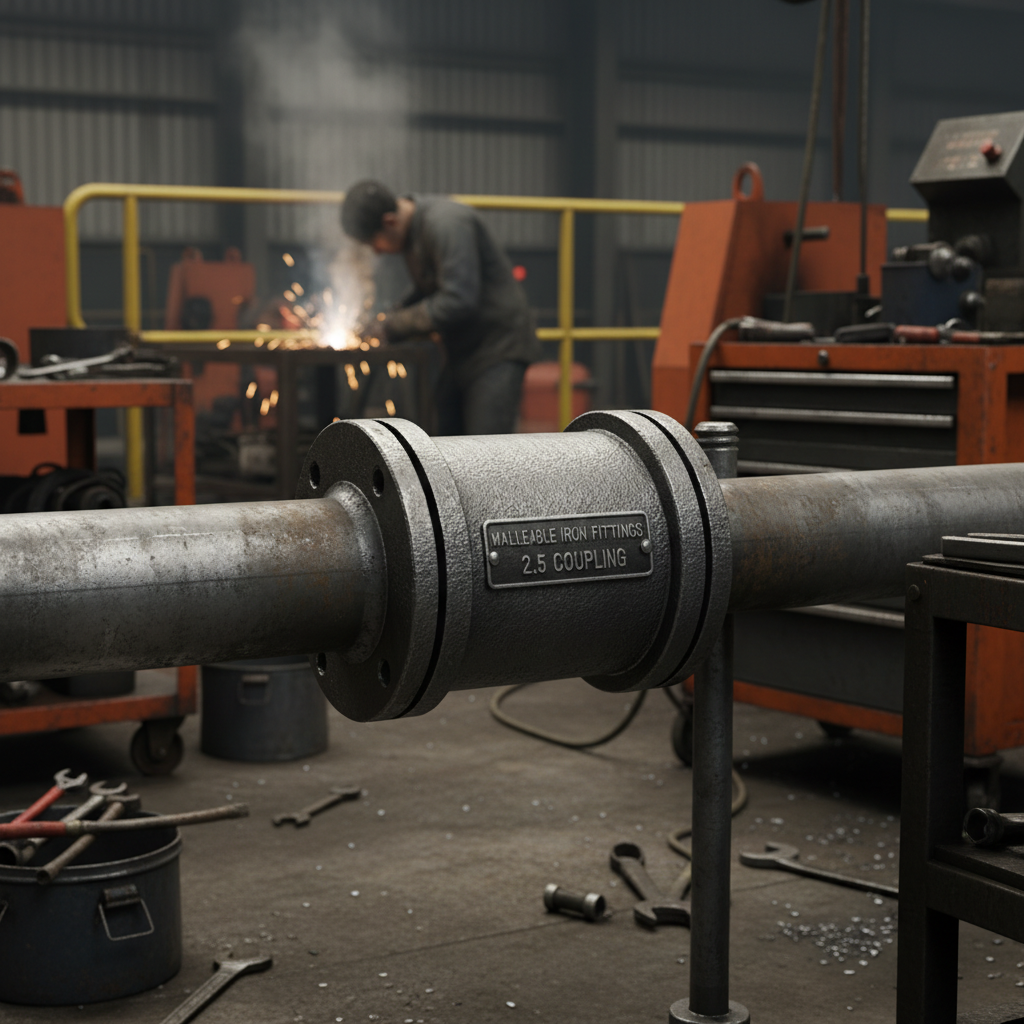
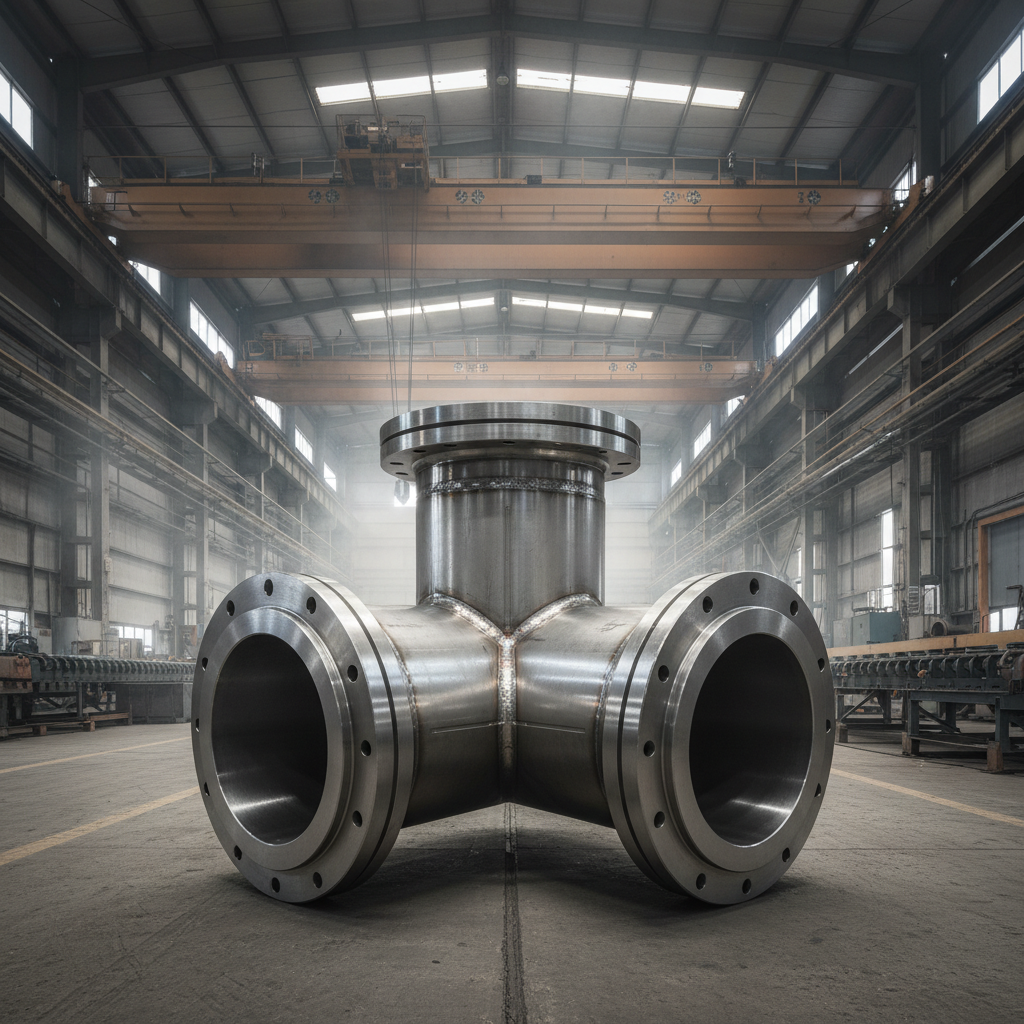
In the complex world of fluid conveyance and industrial piping, the 2.5 coupling serves as a critical intersection point, ensuring leak-proof connectivity and structural integrity in high-pressure environments. Whether utilized in fire protection systems or heavy-duty industrial manufacturing, the precision of a 2.5-inch coupling determines the efficiency of the entire flow system. Understanding the nuances of this component is essential for engineers and procurement specialists who aim to minimize downtime and maximize operational safety.
Globally, the demand for standardized pipe fittings has surged as infrastructure projects become more complex and regulatory requirements for safety more stringent. The 2.5 coupling is not merely a piece of hardware but a engineered solution that bridges the gap between different piping segments, providing a secure seal that can withstand thermal expansion and mechanical vibration. By adopting high-grade materials and precise threading, these couplings prevent costly leaks and hazardous failures in critical utility lines.
For businesses operating within the metal products industry, mastering the selection and application of the 2.5 coupling leads to significant long-term cost savings and enhanced system reliability. This guide explores the technical specifications, global applications, and future innovations surrounding these essential fittings, providing a comprehensive resource for those seeking to optimize their piping architecture through the use of high-quality malleable iron or bronze components.
Global Industry Context of 2.5 Coupling
The global industrial landscape is currently undergoing a massive shift toward modularity and rapid deployment. In this environment, the 2.5 coupling plays a pivotal role, particularly in sectors like petrochemicals, water management, and urban fire safety. According to ISO standards and global manufacturing data, the standardization of 2.5-inch fittings has allowed for seamless cross-border trade and installation, ensuring that a fitting produced in one region fits perfectly into a system designed in another.
However, the industry faces a persistent challenge: the balance between cost-efficiency and extreme durability. Many legacy systems suffer from premature failure due to corrosion or improper torque during the installation of the 2.5 coupling. This has led to a global push toward utilizing higher-grade materials, such as coated malleable iron and bronze, to ensure that critical infrastructure can withstand harsher environments without risking catastrophic leaks.
Technical Definition and Meaning of 2.5 Coupling
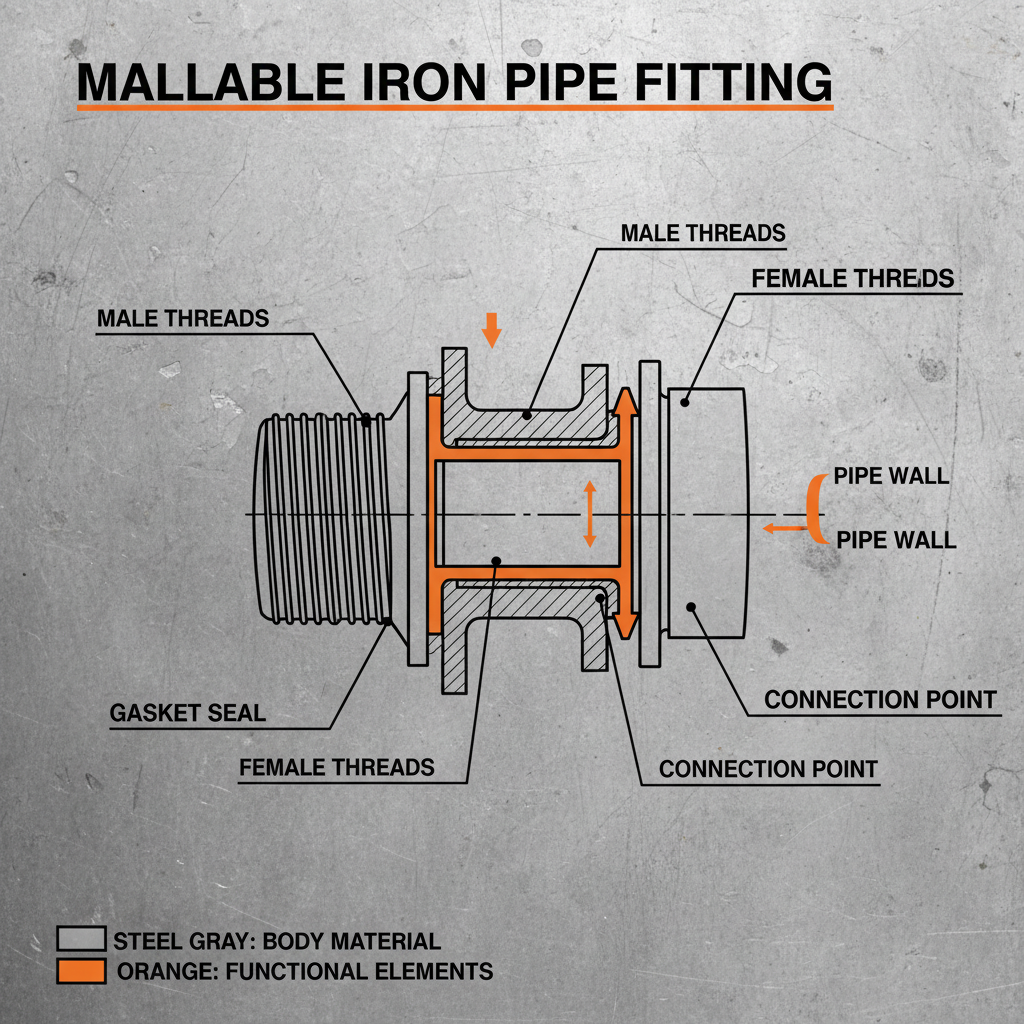
At its core, a 2.5 coupling is a short length of pipe with internal threading at both ends, designed to connect two pieces of pipe that have external threads. The "2.5" refers to the nominal pipe size (NPS), providing a specific internal diameter that allows for a high volume of fluid or gas flow while maintaining a compact footprint. It is the "invisible glue" of the piping world, ensuring that linear paths can be extended or modified without the need for complex welding in every single joint.
Beyond the simple geometry, the meaning of the 2.5 coupling extends to its role in humanitarian and safety infrastructure. In emergency response scenarios, such as firefighting or rapid water deployment in disaster zones, the ability to quickly couple and decouple 2.5-inch hoses and pipes is a matter of life and death. The standardized nature of these couplings ensures that different agencies can share equipment and resources during a crisis.
In modern industrial manufacturing, these couplings are integrated into larger systems including Class 300 pipe fittings and compression quick connecting units. The 2.5 coupling serves as a versatile adapter, often bridging the gap between heavy-duty mainline piping and smaller distribution branches, making it an indispensable tool for fluid dynamics and pressure management.
Core Components and Key Factors of 2.5 Coupling
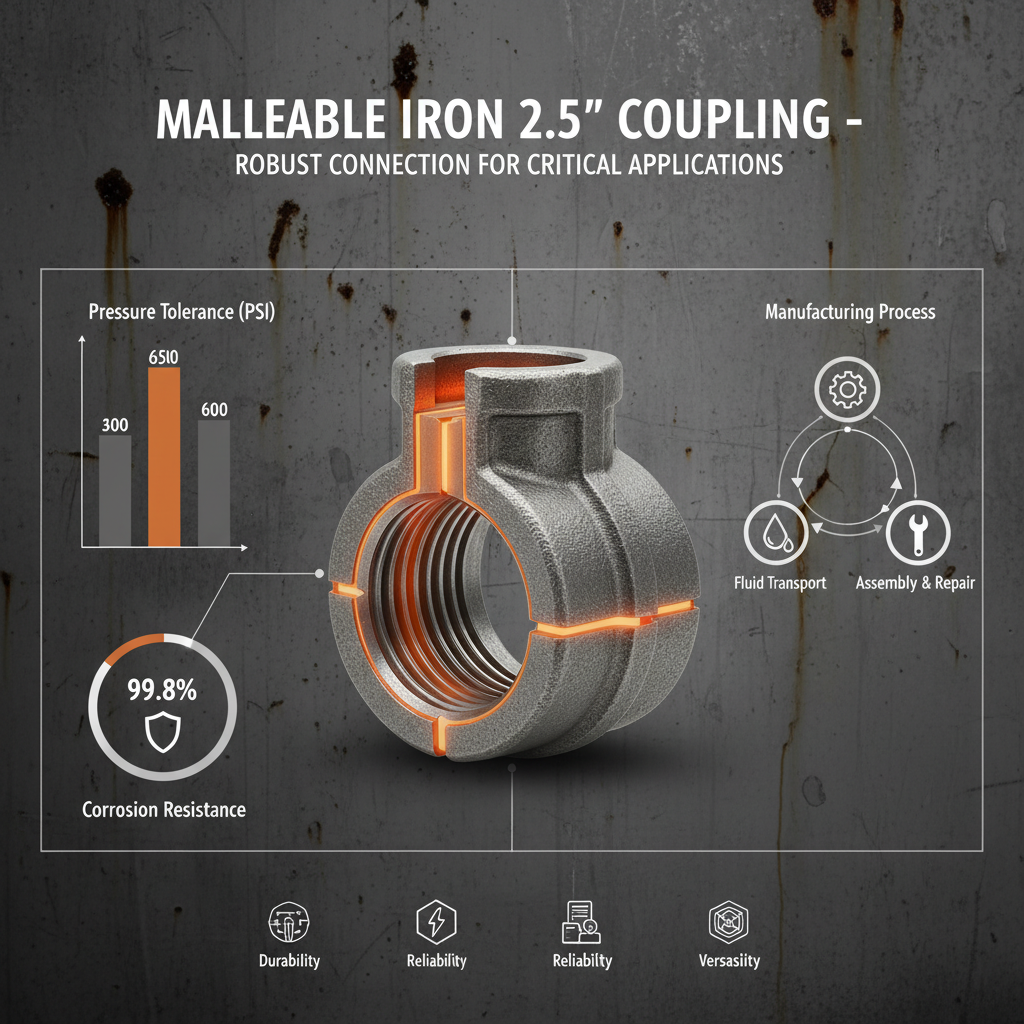
The performance of a 2.5 coupling is primarily determined by its material composition. Whether it is crafted from malleable iron for strength or bronze for corrosion resistance, the material must be capable of withstanding the specific chemical properties of the fluid it transports. Durability is not just about hardness but about the ability to resist oxidation over decades of service.
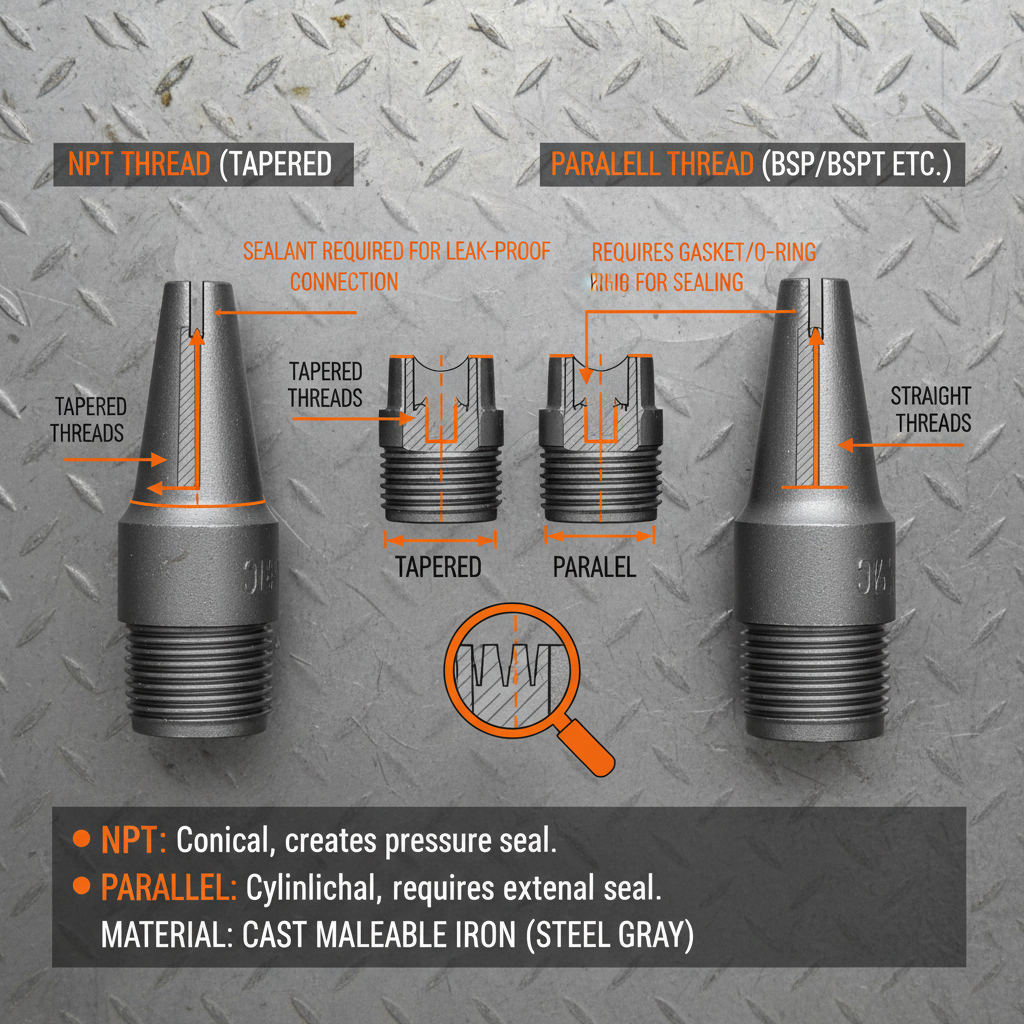
Precision threading is the second critical factor. A 2.5 coupling must adhere to strict NPT (National Pipe Thread) or BSP (British Standard Pipe) specifications. Even a micron-level deviation in the thread pitch can lead to "cross-threading," which compromises the seal and creates a point of failure under high-pressure loads, leading to potential system rupture.
Lastly, the surface treatment—such as galvanization or specialized coatings—determines the coupling's lifespan in humid or acidic environments. A high-quality 2.5 coupling often features an anti-corrosive layer that prevents the internal and external surfaces from pitting, ensuring that the connection remains tight and the flow remains laminar and unobstructed.
Global Applications and Use Cases for 2.5 Coupling
The application of the 2.5 coupling spans across diverse sectors. In the maritime industry, bronze versions are used extensively in ship ballast systems and engine cooling lines due to their exceptional resistance to saltwater corrosion. Meanwhile, in the oil and gas sector, high-pressure malleable iron couplings are the standard for transporting lubricants and fuel in refinery settings where mechanical stability is paramount.
In urban development, specifically within the realm of fire safety, the 2.5 coupling is the backbone of standpipe systems. In skyscrapers across New York, Dubai, and Shanghai, these fittings allow firefighters to quickly connect heavy-duty hoses to the building's internal water supply, ensuring that water can be delivered to the highest floors with minimal pressure loss.
Performance Analysis of 2.5 Coupling Variants
Tangible Advantages and Long-Term Value
The primary advantage of integrating a high-quality 2.5 coupling into a system is the drastic reduction in maintenance overhead. By utilizing fittings that meet strict E-E-A-T (Experience, Expertise, Authoritativeness, and Trustworthiness) manufacturing standards, companies can extend the service interval of their piping networks from five years to over fifteen years, significantly lowering the Total Cost of Ownership (TCO).
Beyond the financial logic, there is an emotional angle of safety and trust. In a facility transporting volatile chemicals, the peace of mind provided by a certified 2.5 coupling is invaluable. Knowing that the joint will not fail under a sudden pressure spike ensures the safety of workers and protects the environment from hazardous spills, thereby upholding the corporate social responsibility and ethical standing of the organization.
Future Trends and Innovations in 2.5 Coupling
The future of the 2.5 coupling is being shaped by the "Green Industry" movement. We are seeing a transition toward "smart fittings" that incorporate embedded sensors to monitor flow rates and detect micro-leaks in real-time. These IoT-enabled couplings can alert maintenance teams via a digital dashboard long before a visible leak occurs, transforming the maintenance model from reactive to predictive.
Additionally, advancements in metallurgy are introducing hybrid materials that combine the strength of iron with the corrosion resistance of advanced polymers. These new generation 2.5 coupling designs are lighter, reducing the overall weight of the piping system and lowering the carbon footprint associated with transportation and installation.
Automation in the manufacturing process, such as 3D metal printing (additive manufacturing), is also allowing for the creation of customized 2.5 coupling geometries. This means that for specialized aerospace or nuclear applications, couplings can be engineered with internal lattices that maximize strength while minimizing material waste, aligning with global sustainability goals.
Challenges and Expert Solutions for 2.5 Coupling
One of the most common challenges in the field is galvanic corrosion, which occurs when a 2.5 coupling made of one metal is connected to a pipe made of another. This electrochemical reaction can eat through the fitting in a matter of months. The expert solution is the implementation of dielectric unions or the use of coated fittings that act as an insulating barrier, breaking the electrical circuit between the two dissimilar metals.
Another significant issue is "over-torquing" during installation. Many technicians, in an attempt to ensure a tight seal, apply excessive force that stresses the threads of the 2.5 coupling, leading to hairline fractures. To solve this, industry leaders are now recommending the use of calibrated torque wrenches and the application of high-performance thread sealants that provide a gas-tight seal without requiring extreme mechanical pressure.
Finally, the challenge of supply chain volatility often leads to the use of sub-standard, non-certified couplings. The solution lies in establishing a rigorous vendor qualification process, ensuring that every 2.5 coupling sourced comes with a Material Test Report (MTR) and conforms to ASTM or ANSI standards, thereby eliminating the risk of "counterfeit" parts entering the critical infrastructure.
Comparison of 2.5 Coupling Material Performance across Industrial Metrics
| Material Type |
Corrosion Resistance |
Pressure Rating |
Cost Efficiency |
| Malleable Iron |
Moderate |
High |
Excellent |
| Bronze |
Very High |
Moderate |
Moderate |
| Galvanized Steel |
High |
High |
Good |
| Stainless Steel |
Exceptional |
Very High |
Low |
| Coated Iron |
High |
High |
Good |
| PVC/Polymer |
Absolute |
Low |
Excellent |
FAQS
The 2.5 coupling is specifically designed for 2.5-inch nominal pipe sizes. The primary difference lies in the internal diameter and the corresponding thread count, which allows for a specific flow volume. Using a size that is too small restricts flow and increases pressure, while a size too large will not create a seal. It is a mid-range size often used to bridge heavy-duty mains and smaller distribution lines.
Yes, bronze is highly recommended for saltwater applications. Unlike malleable iron, which can rust and pit quickly in saline conditions, bronze forms a protective oxide layer that prevents deep corrosion. This makes it the gold standard for marine piping and desalination plants where longevity and leak prevention are critical for operational safety.
To prevent leaks, always ensure the threads are clean and free of debris. Apply a high-quality thread sealant or PTFE tape in the direction of the threads. Most importantly, use a torque wrench to tighten the coupling to the manufacturer's specified limit; over-tightening can warp the threads and actually create new leak paths.
Malleable iron is generally suitable for moderate pressure, but for high-pressure steam, you should verify the "Class" rating (e.g., Class 300). Steam creates significant thermal expansion and contraction, which can stress the coupling. In extreme cases, forged steel or specialized high-temp alloys are preferred to avoid catastrophic failure.
Look for markings on the side of the fitting, such as "ANSI," "ISO," or "ASTM," along with the size designation (2.5"). Reputable manufacturers also provide Material Test Reports (MTRs) and certificates of conformity that guarantee the part meets international dimensional and material standards.
Depending on the environment, a high-quality coated 2.5 coupling can last between 15 to 30 years. In controlled indoor environments, they may last indefinitely. However, in outdoor or chemical-heavy areas, the lifespan depends on the integrity of the coating. Regular inspections for signs of peeling or surface rust are recommended every 2-3 years.
Conclusion
The 2.5 coupling is an essential component that ensures the reliability, safety, and efficiency of global piping infrastructures. From its critical role in fire safety to its durability in marine environments, the selection of the right material and the precision of its installation are what separate a high-performing system from one prone to failure. By focusing on standardized quality and adopting modern anti-corrosive technologies, industries can ensure long-term operational stability.
As we move toward a future of smart cities and sustainable manufacturing, the evolution of the 2.5 coupling will continue to integrate with digital monitoring and eco-friendly materials. For engineers and procurement officers, the key to success lies in sourcing components that meet rigorous international standards and prioritizing long-term value over short-term cost savings. For premium, certified piping solutions, visit our website: www.pannextfittings.com