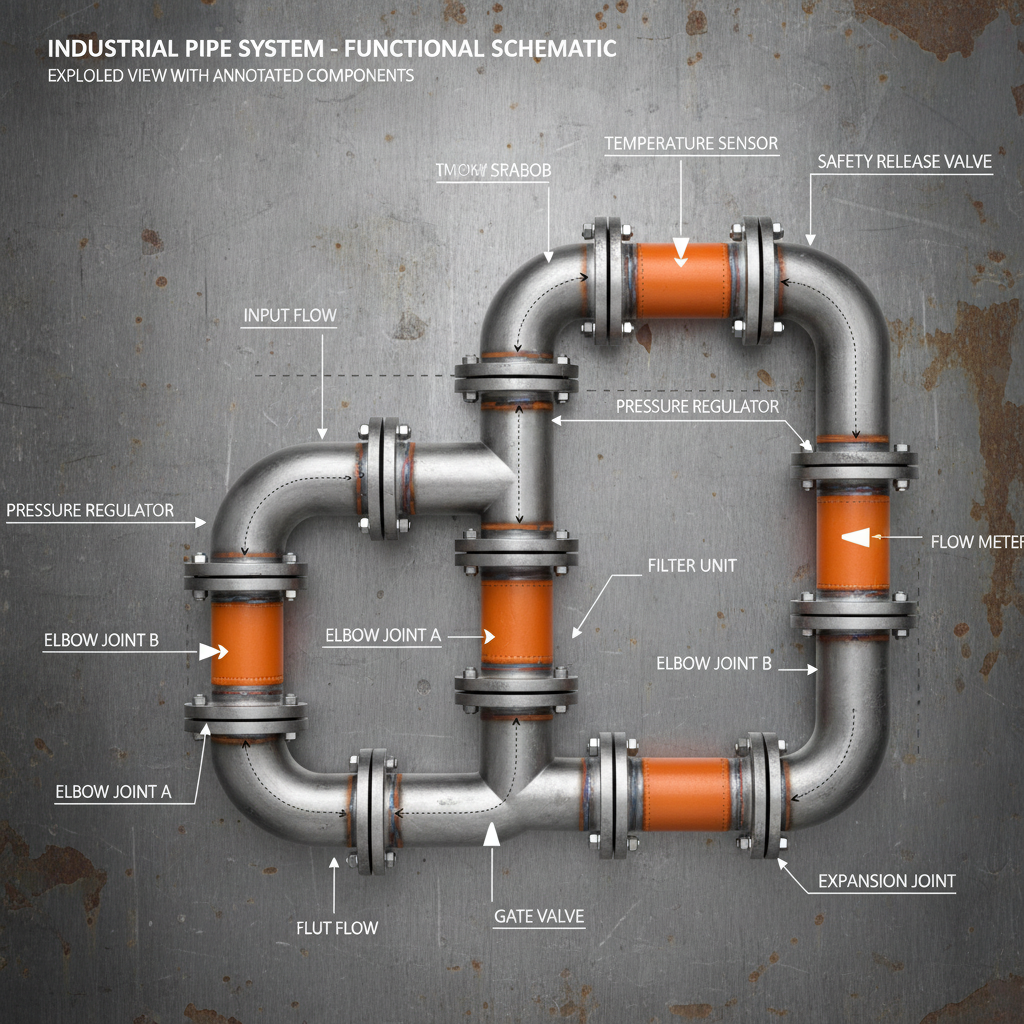
When engineers specify components for high-pressure piping systems, the choice of a malleable casting manufacturer often determines the long-term structural integrity of the entire installation. Unlike standard cast iron, malleable iron undergoes a specific annealing process that removes internal stresses and adds ductility, making it indispensable for systems subject to vibration or moderate impact. Selecting the right production partner requires a deep dive into their metallurgy and quality control certifications.
The criticality of this selection becomes evident when considering the variety of specialized components required, such as Bronze pipe Fittings, Class 300 Pipe Fittings, and Coated Pipe Fittings. In industrial environments, a failure in a single compression coupling or a standard malleable iron pipe fitting can lead to catastrophic leaks or system downtime. Therefore, the synergy between the casting process and the final surface treatment—such as epoxy coating—is what defines a product's lifespan in corrosive atmospheres.
This guide examines the technical benchmarks that distinguish top-tier manufacturers from generic suppliers, focusing on how material science and automated production lines impact system safety. By understanding these variables, procurement officers can ensure they partner with a malleable casting manufacturer that prioritizes precision and international safety standards.


Malleable iron is produced through a two-stage process starting with white cast iron, which is subsequently heat-treated in an annealing oven. This transformation converts the brittle iron carbides into tempered carbon nodules, which allows the material to be deformed without fracturing. For a professional manufacturer, controlling the temperature and duration of this annealing cycle is critical to ensuring that the resulting pipe fittings can withstand high pressure without the risk of sudden brittle failure.
From a structural perspective, this material combines the ease of casting associated with gray iron with the mechanical properties of steel. In the context of pipe fitting production, this means complex geometries—like those found in Compression Quick Connecting Malleable Iron Pipe Fittings—can be manufactured with high precision while maintaining the strength required for Class 300 specifications. The result is a component that provides a secure seal and high impact resistance.
The longevity of a piping connection depends heavily on the chemical composition of the iron and the precision of the threading. High-quality malleable iron must be free of significant impurities that could act as stress concentrators. When manufacturers utilize automated lines, such as the DISA system, the consistency of the mold filling is improved, which significantly reduces the occurrence of internal voids or "sand holes" that could eventually lead to leakage under pressure.
Material integrity is maximized when casting precision is paired with certified testing; UL and FM certifications ensure that every fitting meets rigorous safety benchmarks for fire protection and pressure containment.
Furthermore, the compatibility between the fitting and the piping material is a vital durability factor. Whether using Malleable Pipe Fittings or Bronze pipe Fittings, the electrochemical potential between joined metals must be managed to prevent galvanic corrosion. Proper selection of gaskets and the application of appropriate torque during installation are the final steps in ensuring the durability established during the casting process.
Surface protection is not merely aesthetic; it is a functional requirement for fittings operating in humid or chemically aggressive environments. Coated Pipe Fittings utilize specialized layers to isolate the malleable iron from oxygen and moisture. For instance, the use of epoxy resin combined with high-temperature resistant pigments provides a robust barrier that prevents oxidation and extends the service life of the fitting significantly.
A color-sprayed coating with a thickness of ≥100μm does more than prevent rust; it effectively blocks micro-pores and sand holes in the iron, making it essential for flammable and explosive gas applications.
The application method—whether electrostatic spraying or thermal baking—determines the bond strength of the coating. Thermal spraying, which involves baking the powder into the surface, ensures that the coating does not peel or flake off under thermal expansion and contraction. This creates a reliable, stainless finish that allows different pipe purposes to be visually distinguished by color, such as yellow for gas lines.
When evaluating different materials for piping connections, the trade-off between cost, corrosion resistance, and strength is the primary consideration. While standard malleable iron is highly cost-effective and strong, bronze fittings offer superior resistance to saltwater and certain chemicals, making them the preferred choice for marine or specialized industrial applications.
The following data represents a relative performance index across key metrics, where a higher value indicates better performance in that specific category. This helps buyers determine which fitting type matches their specific environment, from standard HVAC systems to high-pressure industrial lines.
In large-scale manufacturing plants, the use of Class 300 Pipe Fittings is mandatory for systems where pressure fluctuations are common. These fittings provide the necessary wall thickness and structural reinforcement to prevent deformation. The integration of Compression Couplings in these environments allows for faster assembly and easier maintenance without compromising the seal, which is critical during plant shutdowns.
Additionally, in fire suppression systems, the reliability of the connection is a matter of life safety. This is why certifications like UL and FM are non-negotiable. Fittings used in these systems must be able to withstand sudden pressure surges and remain leak-proof over decades of inactivity, ensuring that the system activates perfectly when needed. The use of coated malleable iron helps prevent internal corrosion that could otherwise clog sprinkler heads.
The transition toward fully automated production, such as the expanded use of DISA lines, is reducing human error in the casting process. Modern automation allows for precise control over the metal pour and cooling rates, which leads to a more uniform grain structure in the malleable iron. This consistency is what allows manufacturers to increase annual production capacities to over 10,000 tons while maintaining strict quality tolerances.
Furthermore, the integration of digital quality tracking is becoming standard. By tagging batches and using non-destructive testing (NDT) on a wider sample size, manufacturers can provide better traceability for critical infrastructure projects. This shift ensures that every fitting, from a simple elbow to a complex tee, meets the exact specifications of the project engineer.
Sustainability is also driving innovation in the coating process. The industry is moving toward low-VOC (Volatile Organic Compound) powders and more energy-efficient curing ovens. These advancements not only reduce the environmental footprint of the factory but also result in a more stable chemical bond between the coating and the malleable iron surface.
Procuring pipe fittings for international projects often involves navigating conflicting regional standards and logistics hurdles. The primary challenge for buyers is verifying the authenticity of certifications and ensuring that the product delivered matches the requested material grade. Partnering with a Sino-US joint venture often bridges this gap, providing a balance of manufacturing scale and North American quality standards.
Another common issue is the failure of coatings in extreme weather. When fittings are stored outdoors before installation, inferior coatings can degrade under UV exposure. The solution is the use of high-temperature resistant pigments and a thickness of at least 100μm, which provides both a chemical barrier and physical protection against surface abrasion during transport.
Finally, lead time management is essential for meeting construction schedules. Proximity to major transport hubs, such as the Tianjin Seaport or Beijing International Airport, reduces the risk of shipping delays. Buyers should prioritize manufacturers with integrated logistics and a proven track record of exporting to diverse markets, including North America, Europe, and Southeast Asia.
| Fitting Type | Primary Environment | Key Advantage | Recommended Coating |
|---|---|---|---|
| Standard Malleable | General HVAC | Cost Efficiency | Galvanized |
| Class 300 Iron | High Pressure Gas | Wall Strength | Epoxy Coated |
| Bronze Fittings | Marine/Chemical | Corrosion Resistance | None/Polished |
| Coated Malleable | Corrosive Industrial | Acid/Alkali Resist | Color-Sprayed |
| Compression Coupling | Rapid Installation | Tool-less Assembly | Zinc Plated |
| Quick Connect | Temporary Piping | Speed of Setup | Electro-sprayed |
Malleable iron is produced by annealing white cast iron, which removes brittleness and adds ductility. Unlike gray iron, which can crack under impact or vibration, malleable iron can be deformed without breaking, making it safer and more durable for pressurized piping systems.
The coating provides two safety benefits: first, it creates a physical barrier of ≥100μm that blocks micro-pores or sand holes in the casting, preventing gas leaks. Second, the color-coding (e.g., yellow for gas) prevents installation errors by clearly identifying the pipe's purpose.
While not required for low-pressure water lines, UL and FM certificates are essential for fire protection and high-risk industrial systems. These certifications prove that the fittings have passed rigorous stress and leak tests, ensuring they will perform during emergencies.
Bronze fittings should be selected for environments where extreme corrosion resistance is required, such as in seawater applications or when transporting highly corrosive chemicals that would degrade even coated malleable iron. They offer a longer life in salty or acidic conditions.
The DISA line ensures high-precision casting and consistency across thousands of units. By automating the molding and pouring process, it eliminates common manual defects, resulting in tighter tolerances for threads and more uniform wall thickness in every fitting.
Verify the coating thickness using a digital gauge to ensure it meets the ≥100μm specification. Additionally, check for uniform color and the absence of bubbles or peeling, which indicates a proper thermal bonding process during the baking stage.
The reliability of an industrial piping network depends on the synergy between metallurgy, precision casting, and advanced surface protection. Choosing a manufacturer that combines automated production technology with international certifications like UL and FM is the most effective way to mitigate the risks of leakage and structural failure. Whether utilizing standard malleable iron or specialized bronze fittings, the focus must remain on material integrity and the functional value of protective coatings.
For organizations seeking to enhance the safety and lifespan of their piping infrastructure, partnering with a technically proficient supplier is key. You can explore a comprehensive range of certified fittings and technical specifications by visiting www.pannextfittings.com to find the right components for your specific operational requirements.