In the world of industrial piping and fluid conveyance, precision is not just a requirement—it is a safety mandate. For engineers and technicians, understanding the intricacies of connection standards is paramount to preventing leaks and ensuring system integrity. One of the most common queries in the field is what is npt thread, as this standard forms the backbone of North American piping systems.
The National Pipe Tapered (NPT) standard is designed specifically to create a seal between two mating parts. Unlike parallel threads, which rely on a gasket or O-ring for sealing, the tapered nature of these threads allows the joint to tighten as it is screwed together, compressing the threads against each other to create a pressure-tight seal. This mechanical advantage makes it indispensable for transporting gases, water, and chemicals in high-pressure environments.
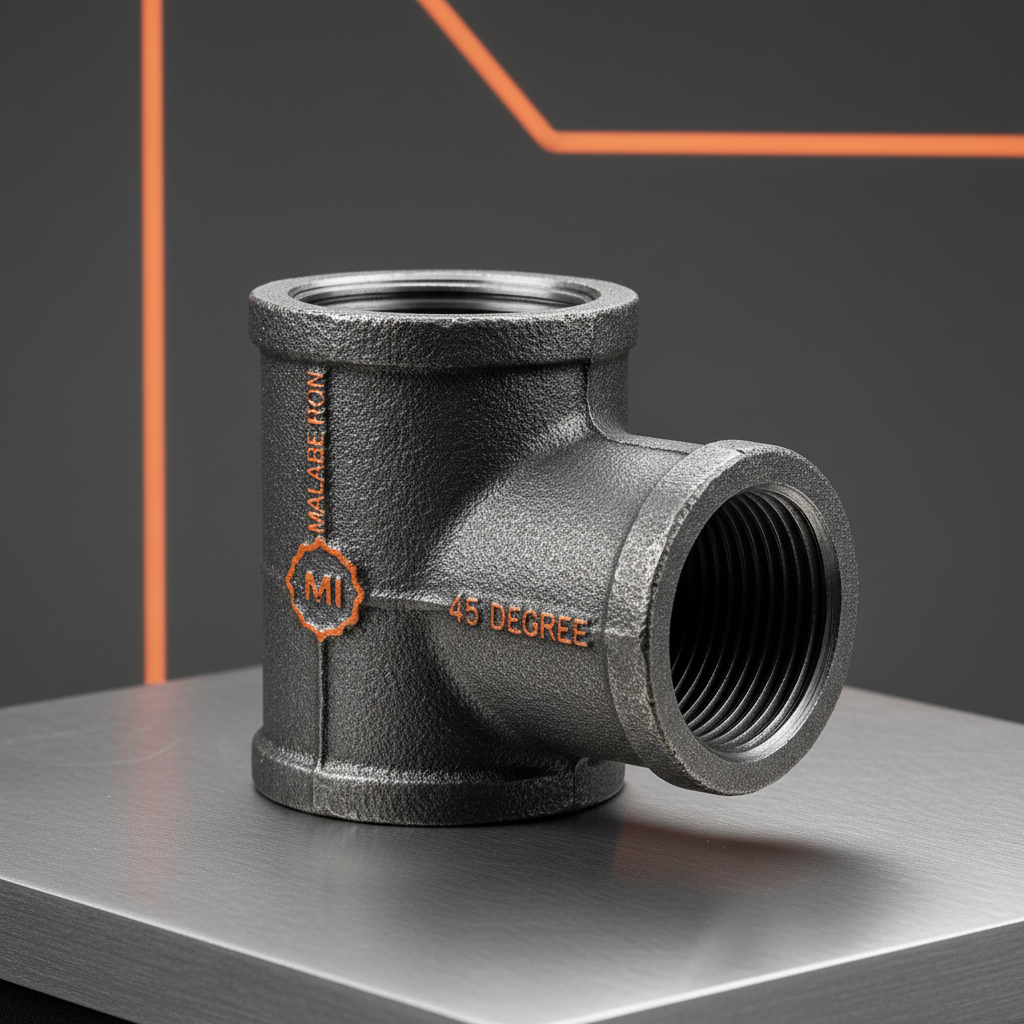
Whether you are working with malleable iron pipe fittings or specialized bronze components, knowing what is npt thread allows you to select the correct hardware for your specific application. From the residential plumbing in a skyscraper to the complex machinery in a chemical plant, the reliability of the NPT standard ensures that infrastructure remains durable and leak-free over decades of service.
The Technical Definition of NPT Threads
To answer the fundamental question of what is npt thread, we must look at the geometry. NPT stands for National Pipe Tapered. Unlike a bolt or a screw that has a straight cylinder shape, an NPT thread is slightly conical. This means the diameter of the thread decreases as it moves toward the end of the pipe, creating a "wedge" effect when mated with a corresponding female fitting.
This design is critical for leak prevention. As the male and female threads are tightened, the taper forces the crests and roots of the threads to mesh more tightly, effectively sealing the gap. In industrial settings, this is often supplemented with PTFE tape or pipe sealant to fill any microscopic voids, ensuring a hermetic seal capable of withstanding significant internal pressure.
Global Industrial Importance of Tapered Piping
The global adoption of tapered threading standards has streamlined the manufacturing of pipe fittings across the world. By adhering to strict ASTM and ANSI standards, manufacturers in regions like Hebei, China, can produce malleable iron fittings that are perfectly compatible with systems installed in the United States or Canada. This standardization reduces the risk of catastrophic failure due to mismatched parts.
In heavy industries, the cost of a single leak can be measured in millions of dollars in lost product or, worse, in human lives. The reliability of tapered threads addresses this challenge by providing a mechanical lock that is resistant to vibration and thermal expansion. This is why NPT remains the preferred choice for oil, gas, and chemical processing plants worldwide.
Furthermore, the ability to quickly assemble and disassemble piping systems using standardized threads facilitates rapid maintenance and upgrades. Whether it is a simple replacement of a 1/2" fitting or a full system overhaul involving 2" mains, the consistency of the NPT standard ensures that downtime is minimized and operational efficiency is maximized.
Key Factors in Malleable Iron NPT Fittings
When evaluating the quality of a fitting, the material choice is as important as the thread type. Malleable iron, produced through casting and annealing, provides the necessary ductility to withstand the stresses of tightening NPT threads without cracking. This makes the answer to what is npt thread practical when paired with ASTM A197 malleable iron.
Corrosion resistance is another critical factor. For NPT fittings used in humid or corrosive environments, zinc coatings such as SI 918 or ASTM A 153 are applied. This protective layer prevents the threads from rusting, which would otherwise make it impossible to disassemble the joint without destroying the pipe, thus preserving the integrity of the what is npt thread connection over time.
Lastly, the precision of the casting process ensures that the taper angle is exact. A deviation of even a fraction of a degree can result in a "false torque" scenario, where the fitting feels tight but does not actually seal. Strict quality management systems are therefore essential to ensure every male and female connection meets the rigorous demands of the industry.
Performance Metrics of Different NPT Sizes
The performance of an NPT connection varies based on the nominal size of the fitting. Smaller sizes, such as 1/2" and 3/4", are common in instrumentation and low-flow systems, where precision and a tight seal are more critical than sheer volume. Larger sizes, such as 1-1/2" and 2", are designed for main distribution lines where structural strength and flow capacity are the primary concerns.
Understanding the weight and dimension differences between these sizes is key for logistics and installation. For instance, a 1/2" fitting is lightweight and easy to install, while a 2" malleable iron fitting requires more torque and careful alignment to ensure the taper seals correctly across the entire surface area of the thread.
Seal Reliability and Pressure Capacity by NPT Size
Real-World Applications and Use Cases
In industrial zones, NPT fittings are the standard for pneumatic systems. Because compressed air can escape through the smallest gaps, the tapered seal provided by NPT threads is essential for maintaining system pressure and reducing energy waste from leaks. Malleable iron fittings are frequently used here due to their ability to handle the mechanical vibrations of compressors.
Another critical use case is in the installation of fire suppression systems. In these high-stakes environments, the reliability of the connection can be a matter of life and death. By using standardized NPT threads, engineers ensure that valves, sprinklers, and pipes can be sourced from different vendors but still fit together perfectly, ensuring the system is deployed rapidly and functions without failure.
Long-Term Value and Sustainability
The long-term value of using NPT standards lies in their sustainability through durability. A well-installed malleable iron fitting with a zinc coating can last for decades without needing replacement. This reduces the overall material waste and lowers the carbon footprint associated with the frequent manufacturing and shipping of replacement parts.
From an economic perspective, the universality of NPT threads prevents "vendor lock-in." Companies are not forced to buy specialized, proprietary fittings from a single manufacturer. This competition drives down costs and ensures that high-quality, ASTM-compliant parts remain accessible to projects of all sizes, from small workshops to massive industrial complexes.
Moreover, the safety associated with tapered threads provides peace of mind. The logical certainty that a joint is mechanically sealed, combined with the emotional trust that the installation meets international safety codes, allows operators to focus on productivity rather than constant leak detection and repair.
Technical Specifications for NPT Product Ranges
When sourcing NPT fittings, it is essential to look at the specific dimensions and weights to ensure they meet the design load of your system. For example, moving from a 1" to a 2" fitting significantly increases the weight—from approximately 205 grams to 581.7 grams—which must be accounted for in the support structures of the piping network.
The connection types available, typically female or male, allow for versatile configurations. Reducing fittings are particularly useful for transitioning between different pipe diameters while maintaining the seal integrity of the NPT standard. This versatility is what makes the system so adaptable to complex architectural layouts.
Ultimately, the combination of material (ASTM A197), coating (SI 918), and thread standard (NPT) creates a product that is optimized for harsh environments. Whether the application is in a coastal region with salty air or a chemical plant with acidic vapors, these specifications ensure the fitting remains functional.
Technical Analysis of Malleable Iron NPT Fitting Specifications
| Item Size (Inch) |
Weight (Gram) |
Thread Standard |
Material Grade |
| 1/2" (EXT05) |
80 |
NPT / BSP |
ASTM A197 |
| 3/4" (EXT07) |
128.3 |
NPT / BSP |
ASTM A197 |
| 1" (EXT10) |
205 |
NPT / BSP |
ASTM A197 |
| 1-1/4" (EXT12) |
305 |
NPT / BSP |
ASTM A197 |
| 1-1/2" (EXT15) |
430 |
NPT / BSP |
ASTM A197 |
| 2" (EXT20) |
581.7 |
NPT / BSP |
ASTM A197 |
FAQS
NPT stands for National Pipe Tapered. The primary difference is that NPT threads are tapered (conical), meaning they get narrower toward the end of the pipe. Parallel threads (like NPS) are straight and require a gasket or O-ring to seal. NPT threads create a seal through the mechanical interference of the tapered threads as they are tightened together.
Yes, while the taper provides a mechanical seal, it is industry standard to use PTFE tape or a pipe sealant. This fills microscopic gaps in the thread crests and roots, ensuring a completely leak-proof joint, especially in high-pressure gas or liquid systems.
Yes, NPT threads are widely used in chemical industries. However, the material of the fitting is crucial. For chemical environments, malleable iron fittings with specialized coatings (like ASTM A 153 zinc coating) or bronze fittings are recommended to prevent corrosion from compromising the thread integrity.
Over-tightening can lead to "stripping" the threads or cracking the fitting. Because the threads are tapered, they wedge together tightly; too much force can deform the malleable iron or cause the female fitting to split, which results in a permanent leak that cannot be fixed without replacing the hardware.
No, NPT and BSP (British Standard Pipe) are not compatible. They have different thread pitches and different taper angles. Attempting to force an NPT male fitting into a BSP female fitting will damage the threads and will not create a secure, leak-proof seal.
You can use a thread gauge or a caliper to measure the outer diameter of the male thread. For example, a 1/2" NPT fitting has a different actual measured diameter than 0.5 inches because the nominal size refers to the inside diameter of the pipe it is designed for, not the thread itself.
Conclusion
Understanding the technical nature of the NPT standard is essential for anyone involved in the design, installation, or maintenance of industrial piping. By leveraging the mechanical advantages of tapered threads and combining them with high-grade materials like ASTM A197 malleable iron, industries can ensure their fluid and gas transport systems are safe, efficient, and durable. From the precise dimensions of a 1/2" reducer to the robust strength of a 2" main fitting, the consistency of this standard eliminates guesswork and prevents costly failures.
As we look toward the future of industrial automation and green energy, the need for reliable, standardized connections will only grow. We recommend that engineers always verify material coatings and thread standards before procurement to ensure maximum longevity. For high-quality, ASTM-compliant pipe fittings that meet these rigorous standards, we invite you to explore our comprehensive product range. Visit our website: www.pannextfittings.com