
Understanding the Critical Role of Galvanized Pipe Unions in Industrial Systems
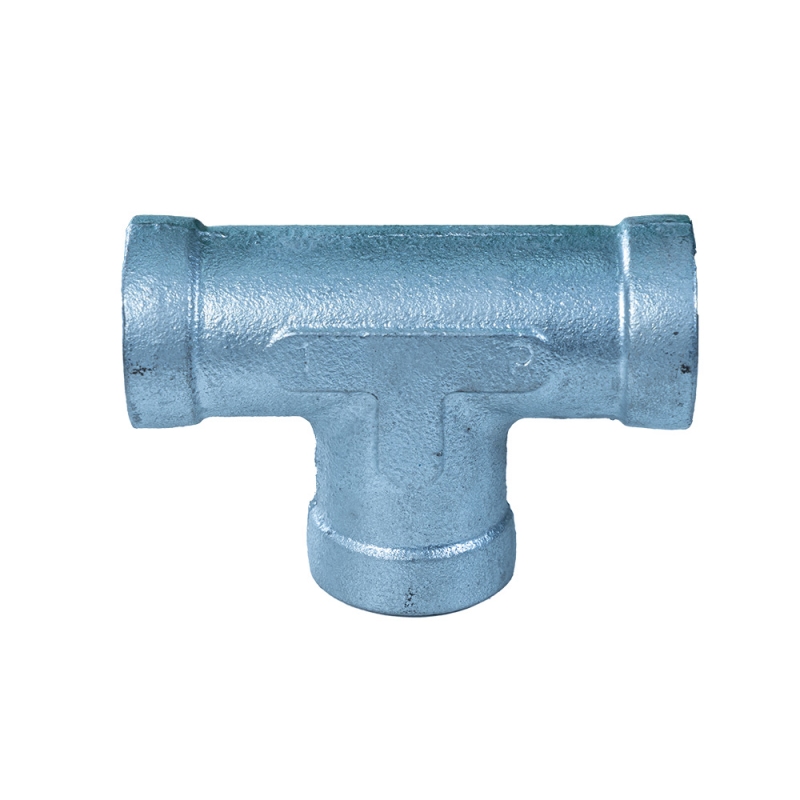
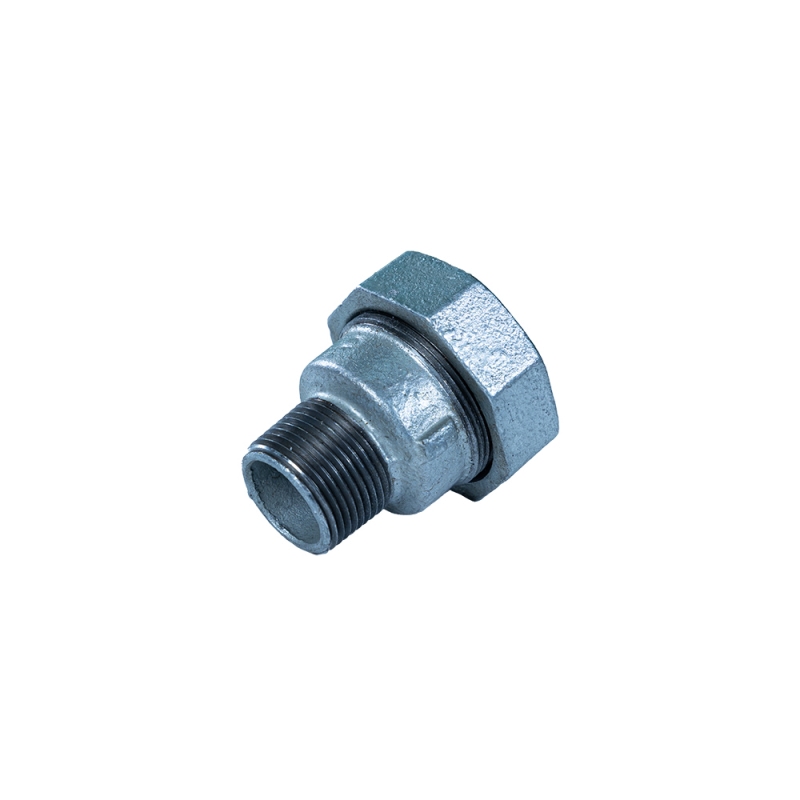
In the realm of industrial fluid conveyance, the integrity and maintainability of piping systems are paramount. Among the myriad of fittings available, the 1 1/2 galvanized union stands out as a fundamental component, essential for facilitating system assembly, disassembly, and maintenance without needing to rotate the pipe. This article delves into the technical intricacies, application advantages, and strategic importance of galvanized unions, offering a comprehensive resource for B2B decision-makers and engineering professionals.
Galvanized unions, particularly those conforming to stringent international standards, offer superior corrosion resistance and durability compared to their black iron counterparts, making them indispensable in environments exposed to moisture or corrosive elements. We will explore their manufacturing lifecycle, performance metrics, and the strategic considerations for their deployment across diverse industrial landscapes.
Manufacturing Process: Precision and Protection
The production of a high-quality 1 1/2 galvanized union is a multi-stage process, meticulously engineered to ensure maximum strength, reliability, and corrosion resistance. It typically involves advanced metallurgical and fabrication techniques, adhering to global quality benchmarks.
Schematic Process Flow for Galvanized Unions:
- 1. Material Selection (Malleable Iron or Steel): High-grade malleable iron (e.g., ASTM A197) or carbon steel (e.g., ASTM A105 for forged components) is selected for its excellent mechanical properties, castability, or forgeability. Malleable iron is preferred for threaded fittings due to its ductility and resistance to impact, making it ideal for unions.
- 2. Casting or Forging:
- Casting: For malleable iron unions, molten metal is poured into sand molds to form the three main components: the body, the nut, and the tailpiece. Precision molds ensure dimensional accuracy.
- Forging: For steel unions, hot metal billets are shaped under immense pressure, enhancing grain structure and resulting in superior strength and fatigue resistance.
- 3. Annealing (for Malleable Iron): Cast malleable iron components undergo heat treatment to transform brittle white iron into ductile malleable iron, improving machinability and impact resistance.
- 4. CNC Machining: Components are precisely machined using Computer Numerical Control (CNC) equipment. This includes threading (typically NPT - National Pipe Taper thread or BSPT - British Standard Pipe Taper thread), facing the seating surfaces, and ensuring accurate dimensions for the union joint. The critical seating surfaces are often machined with extreme precision to ensure a leak-proof seal.
- 5. Degreasing and Cleaning: All machined parts are thoroughly cleaned to remove oils, greases, and surface contaminants. This is crucial for optimal adhesion during the galvanization process.
- 6. Hot-Dip Galvanization: The cleaned components are immersed in a bath of molten zinc at approximately 450°C (840°F). A metallurgical bond forms between the iron/steel and the zinc, creating a durable, multi-layered protective coating. This process adheres to standards such as ASTM A123 or ISO 1461, ensuring consistent thickness and coverage.
- 7. Post-Galvanization Inspection and Finishing: After cooling, excess zinc is removed, and threads are cleaned and re-inspected. The galvanized coating is visually checked for uniformity and tested for thickness.
- 8. Assembly and Sealing: The body, nut, and tailpiece are assembled. A gasket (often made of non-asbestos fiber, PTFE, or rubber) is typically inserted between the tailpiece and the body to ensure a watertight and pressure-tight seal.
- 9. Quality Control & Testing:
- Pressure Testing: Each union undergoes hydrostatic or pneumatic pressure testing to verify its ability to withstand specified working pressures without leaks. This often exceeds application requirements, ensuring a safety margin.
- Dimensional Inspection: Critical dimensions, including thread engagement and overall length, are verified against engineering drawings and standards (e.g., ANSI B16.3, ISO 49).
- Coating Adhesion & Thickness: Zinc coating is tested for adhesion and thickness to ensure long-term corrosion protection.
- 10. Packaging: Finished unions are packaged to prevent damage during transit and storage, often with protective caps on threads.
This rigorous manufacturing process ensures that each union delivers exceptional performance in demanding industrial environments, characterized by extended service life and reliable operation.
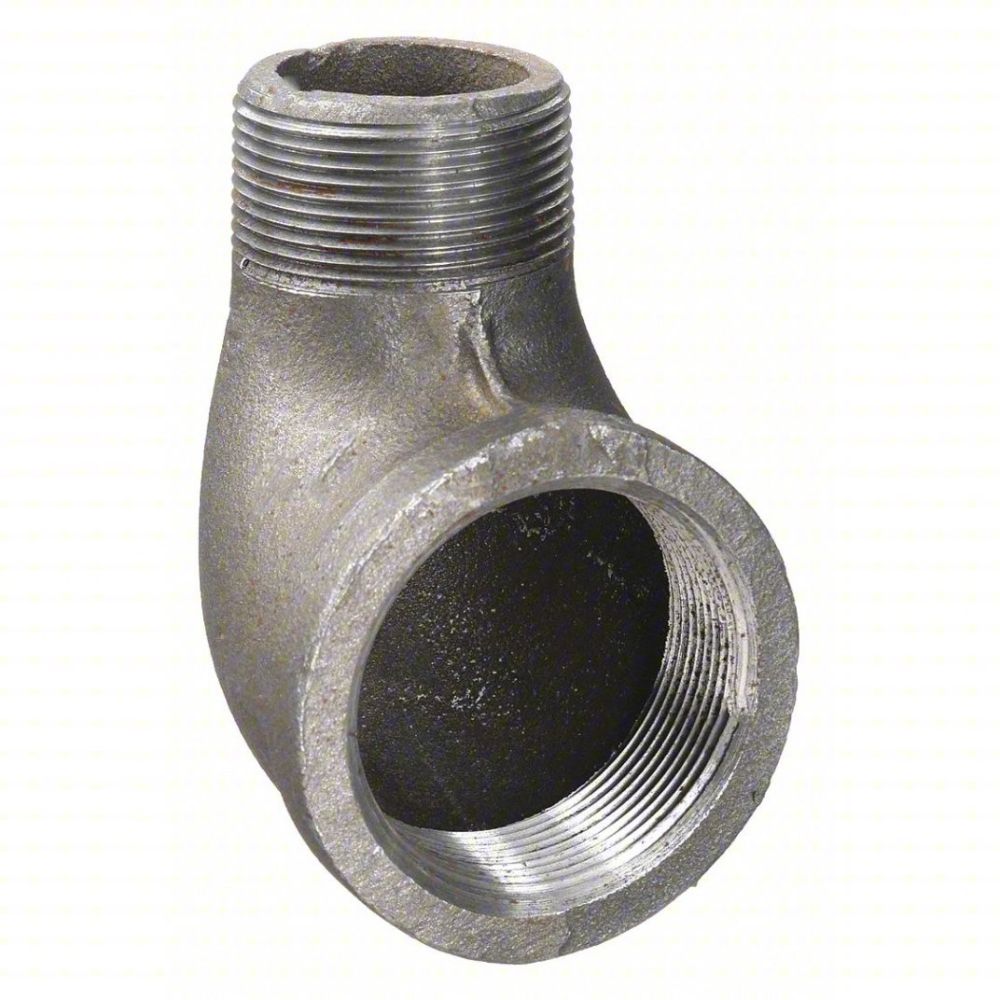
Figure 1: Illustration of a casting process in pipe fitting manufacturing, contributing to the initial form of a galvanized union component.
Technical Specifications and Industry Standards
The performance and reliability of a 1 1/2 galvanized union are defined by its adherence to critical technical specifications and industry standards. These parameters ensure interchangeability, pressure rating, and material compatibility across diverse systems.
Key Technical Parameters for a 1 1/2 Galvanized Union (Class 150):
| Parameter | Specification | Relevant Standard |
|---|---|---|
| Nominal Pipe Size (NPS) | 1 1/2 inches (DN40) | ASME B36.10M |
| Material (Body, Tailpiece, Nut) | Malleable Iron (ASTM A197) or Carbon Steel (ASTM A105) | ASTM A197/A105 |
| Coating | Hot-Dip Galvanized Zinc | ASTM A123 / ISO 1461 |
| Threads | NPT (ANSI B1.20.1) or BSPT (ISO 7-1) | ANSI B1.20.1 / ISO 7-1 |
| Pressure Rating | Class 150 (200 PSI SWP, 300 PSI WOG non-shock) | ASME B16.3 / UL / FM |
| Temperature Range | -20°F to 366°F (-29°C to 186°C) | Manufacturer Specific / ASME B16.3 |
| Gasket Material (if applicable) | Non-asbestos fiber, PTFE, or EPDM | Industry Best Practice |
| Typical Service Life | 20+ years under specified conditions | Empirical Data |
Related Keyword Comparison: Galvanized vs. Black Iron Unions/Couplings
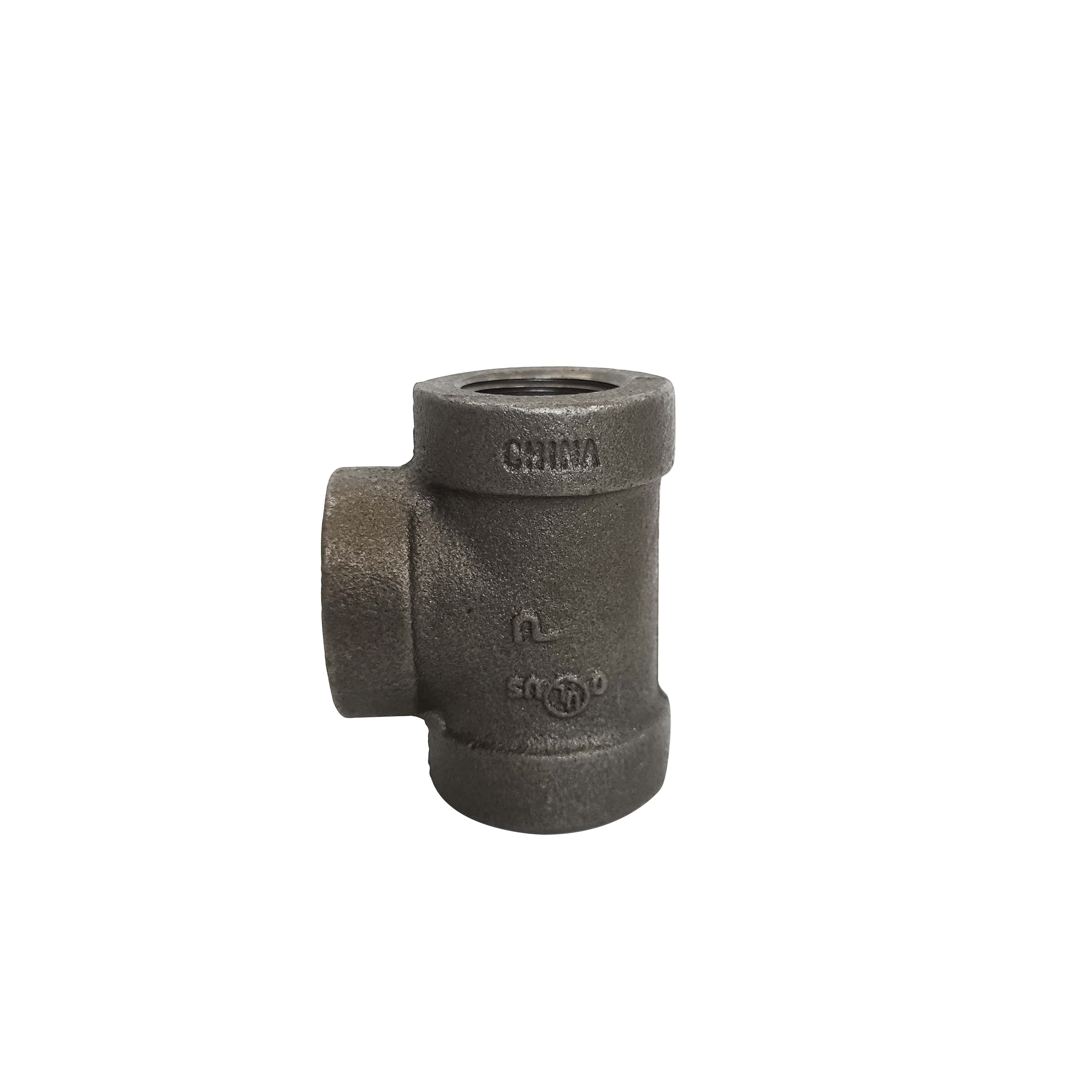
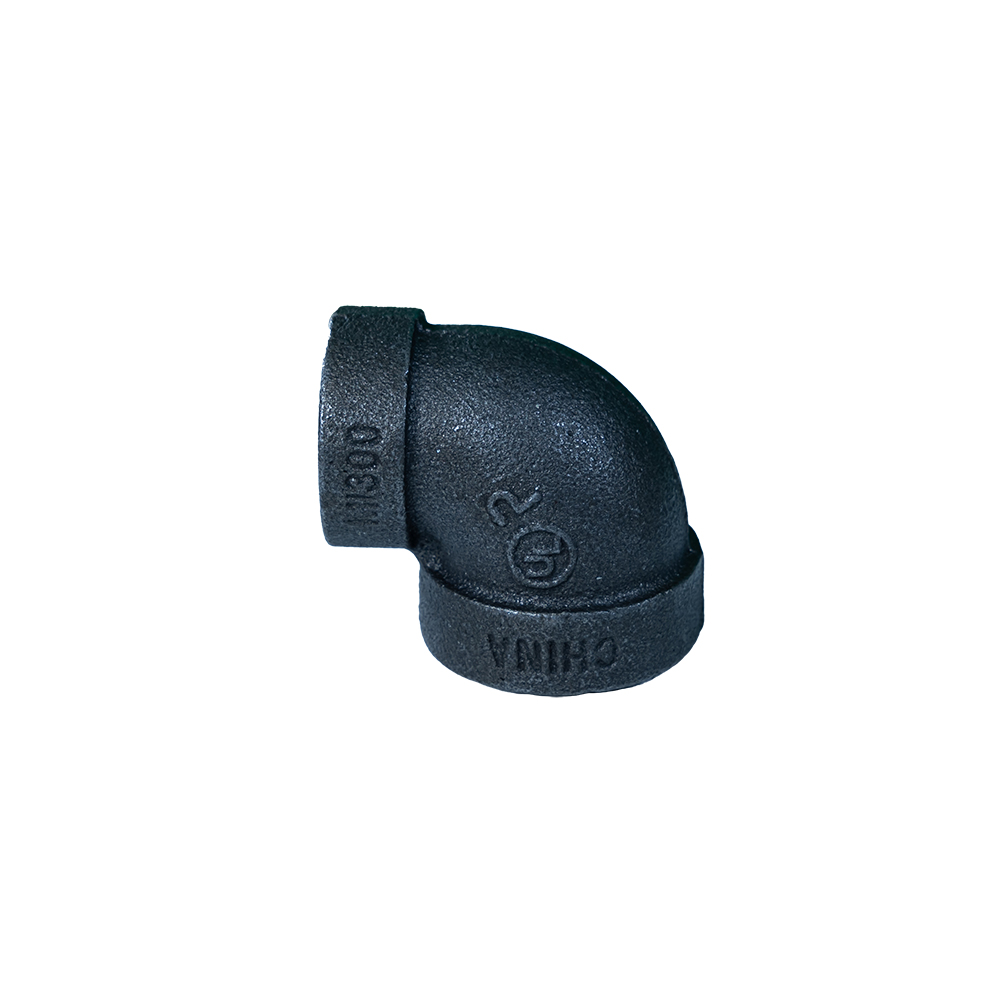
Understanding the distinctions between fitting types, such as a 1 1/2 galvanized union, a 1 1/4 black iron coupling, a 1 1/4 black iron union, and a 1 galvanized union, is crucial for appropriate material selection. The primary differentiator lies in the application environment and the need for corrosion resistance.
| Feature | Galvanized Union (e.g., 1 1/2) | Black Iron Union/Coupling (e.g., 1 1/4) |
|---|---|---|
| Corrosion Resistance | Excellent (zinc coating protects against rust and oxidation) | Poor (prone to rust in moist environments) |
| Primary Applications | Water supply, drainage, fire protection, outdoor piping, chemical processing | Natural gas lines, propane lines, dry sprinkler systems (indoors) |
| Material | Malleable iron or steel with zinc coating | Malleable iron or steel (uncoated) |
| Cost | Higher initial cost due to galvanization process | Lower initial cost |
| Durability | Longer service life in corrosive environments | Service life dependent on environment; shorter in corrosive conditions |
This comparison highlights that while black iron fittings are suitable for specific, less corrosive applications, galvanized fittings offer enhanced protection and longevity in demanding environments, justifying their higher investment for critical infrastructure.
Application Scenarios and Technical Advantages
The versatility and robustness of the 1 1/2 galvanized union make it an indispensable component across a broad spectrum of industrial and commercial applications. Its inherent design and material properties offer distinct technical advantages.
Target Industries and Typical Application Scenarios:
- Petrochemical Industry: Used in process piping for water lines, utility lines, and low-pressure steam lines where corrosive elements or moisture are present. Its easy disassembly aids in regular maintenance and component replacement in complex setups.
- Metallurgy and Mining: Essential for water supply and drainage systems, dust suppression, and cooling water circuits that operate in harsh, abrasive, and often wet environments. The galvanized coating protects against premature wear and corrosion.
- Water Supply & Drainage: Widely deployed in municipal and industrial water treatment plants, pumping stations, and distribution networks. Critical for connecting sections of pipe in locations requiring periodic access for cleaning or inspection, such as filter systems or backflow prevention assemblies.
- HVAC Systems: Utilized in chilled water and hot water lines for commercial and industrial heating, ventilation, and air conditioning systems, particularly in areas susceptible to condensation and potential corrosion.
- Fire Protection Systems: While often using specialized fittings, galvanized unions can be found in certain wet-pipe sprinkler system components or utility lines feeding these systems, where corrosion resistance is critical for system reliability.
- Agricultural and Irrigation: Employed in various irrigation systems and farm utility piping where exposure to outdoor elements and varying water quality necessitates robust corrosion protection.
Key Technical Advantages:
- Superior Corrosion Resistance: The hot-dip galvanized zinc coating provides a sacrificial barrier, protecting the base metal from rust and oxidation. This significantly extends the service life of the piping system, reducing maintenance frequency and costs.
- Ease of Installation and Maintenance: The primary advantage of a union is its ability to connect or disconnect two pipes without rotating either pipe. This simplifies installation in confined spaces and makes future maintenance (e.g., replacing a valve or a section of pipe) far more efficient, minimizing downtime.
- Robust and Durable Construction: Manufactured from malleable iron or steel, these unions are designed to withstand high pressures and mechanical stresses prevalent in industrial environments. The robust design ensures leak-proof connections when properly installed.
- Versatility: Compatible with various galvanized steel pipe types, offering flexibility in system design and integration.
- Energy Saving: By ensuring leak-free connections, galvanized unions contribute to maintaining system pressure and preventing fluid loss, which in turn reduces energy consumption required for pumping and heating/cooling processes. This translates to operational cost savings.
- Cost-Effectiveness Over Lifetime: While potentially having a higher initial cost than black iron, the extended service life, reduced maintenance, and superior performance of galvanized unions lead to a lower total cost of ownership over the operational lifespan of the system.
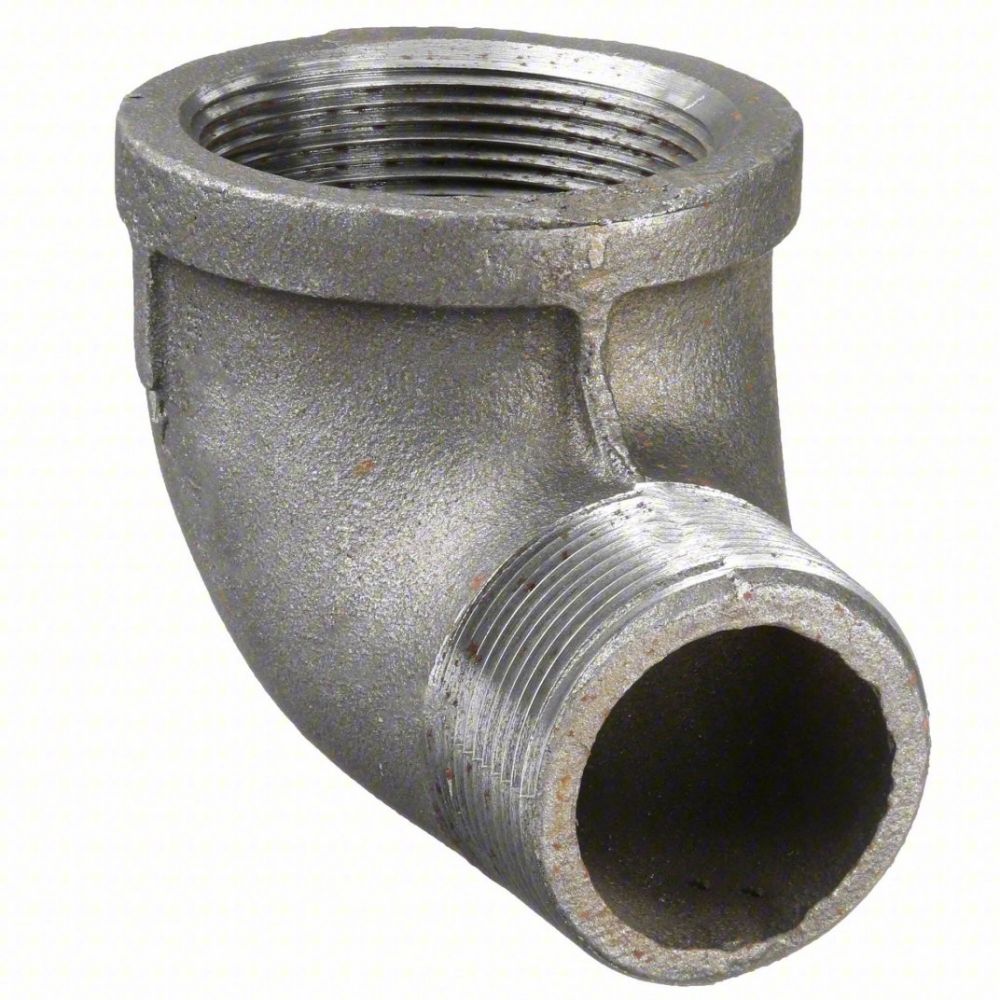
Figure 2: An example of pipe fittings in a complex industrial setup, demonstrating how unions facilitate connection and maintenance.
Vendor Comparison and Customized Solutions
Selecting the right supplier for a 1 1/2 galvanized union is as critical as selecting the fitting itself. Differentiation among vendors often lies in quality assurance, customization capabilities, and after-sales support.
Key Factors in Vendor Comparison:
- Quality Certifications: Reputable vendors adhere to international standards like ISO 9001 for quality management, and product-specific certifications such as UL, FM, and CE for specific applications (e.g., fire protection). These certifications provide assurance of consistent product quality and reliability.
- Material Traceability: Leading manufacturers offer full traceability of raw materials, ensuring that the malleable iron or steel meets specified metallurgical requirements.
- Manufacturing Expertise: Vendors with extensive experience in casting, forging, and hot-dip galvanization processes demonstrate higher product consistency and performance. A track record of "X" years in the industry signifies deep domain knowledge.
- Testing Protocols: Beyond standard pressure tests, some vendors conduct additional non-destructive testing (NDT) like eddy current testing or ultrasonic inspection to detect internal flaws, further enhancing product trustworthiness.
- Customer Service & Technical Support: The ability to provide expert technical advice, installation guidance, and rapid response to inquiries is crucial for complex industrial projects.
- Global Reach & Logistics: For international projects, a vendor's capability to manage complex logistics and ensure timely delivery across different regions is a significant advantage.
Customized Solutions: Tailoring to Specific Project Needs
While standard galvanized union fittings meet most requirements, certain specialized applications demand customized solutions. Leading manufacturers often provide:
- Custom Materials: For highly corrosive or extreme temperature environments, unions can be manufactured from specialized alloys or with enhanced galvanization techniques.
- Non-Standard Threading: Beyond NPT and BSPT, specific projects may require unique thread configurations, which can be accommodated through advanced CNC machining.
- Specialized Gaskets/Seals: Depending on the conveyed fluid and operating conditions, custom gasket materials (e.g., high-temperature PTFE, chemically resistant elastomers) can be integrated.
- Unique Dimensions or Configurations: For retrofitting existing systems or highly specialized machinery, unions with non-standard lengths, offsets, or other geometric adjustments can be produced.
- Advanced Coatings: In addition to hot-dip galvanization, alternative or supplementary coatings (e.g., epoxy lining, specialized polymer coatings) can be applied for enhanced chemical resistance or reduced friction.
Collaborating with a manufacturer capable of delivering these customized solutions ensures that even the most challenging piping requirements are met with precision-engineered fittings.
Real-World Application Case Studies
The practical deployment of the galvanized union consistently demonstrates its value in demanding environments. Here are hypothetical case studies illustrating its impact:
Case Study 1: Municipal Water Treatment Plant Expansion
Challenge: A major municipal water treatment plant faced challenges in expanding its filtration and distribution network. The existing system required frequent maintenance of control valves and flow meters, leading to significant downtime due to the difficulty of disconnecting rigid pipe sections. The highly corrosive environment of treated and untreated water also demanded exceptional longevity from all components.
Solution: The engineering team specified the use of over 500 units of 1 1/2 galvanized union fittings at strategic points throughout the new expansion. These were installed on either side of critical inline components like check valves, pressure gauges, and small pumps.
Result: The galvanized unions provided unparalleled ease of maintenance. When a flow meter required calibration, technicians could quickly disconnect the union, remove the component, service it, and reinstall it, reducing downtime by an estimated 60%. The hot-dip galvanized coating has shown no signs of corrosion after five years of continuous service in both raw and potable water lines, contributing to the plant's operational reliability and reduced long-term maintenance costs. The robust construction ensured leak-free operation even under fluctuating pressures.
Case Study 2: Industrial Cooling Tower Refurbishment
Challenge: An industrial facility undertaking a major refurbishment of its cooling tower system needed to replace extensive sections of piping that had succumbed to corrosion from aerated, chemically treated cooling water. The project required fittings that could withstand aggressive water conditions and simplify future sectional replacements.
Solution: Hundreds of galvanized unions, including various sizes such as a 1 galvanized union and 1 1/4 galvanized union, alongside other specialized fittings, were utilized throughout the cooling water distribution and return lines. These were selected specifically for their superior corrosion resistance and the flexibility they offered for future sectional replacement without requiring extensive pipe cutting and re-threading.
Result: The installation proceeded smoothly, with the unions enabling quick connections in a complex, multi-level piping structure. The galvanized coating has proven highly effective in protecting against the corrosive cooling water, showing no degradation after two years. Furthermore, the modularity provided by the unions allows for anticipated future maintenance or upgrades to be performed with significantly less effort and material waste compared to a welded or permanently threaded system, ensuring long-term operational efficiency and asset protection.
Trustworthiness: FAQ, Lead Times, Warranty, and Support
Building trust with B2B clients requires transparency and robust support mechanisms. Here’s what clients can expect regarding the procurement and long-term use of our high-quality galvanized union fittings.
Frequently Asked Questions (FAQ):
- Q: What is the primary advantage of a galvanized union over a black iron union?
- A: The primary advantage is superior corrosion resistance due to the zinc coating. Galvanized unions are ideal for water lines, outdoor applications, and moist environments where black iron would quickly rust.
- Q: Are these unions suitable for high-pressure applications?
- A: Our unions, typically Class 150, are rated for specific pressures (e.g., 200 PSI SWP, 300 PSI WOG non-shock). Always refer to the product specification sheet for exact pressure and temperature ratings relevant to your application.
- Q: Can I use a 1 1/2 galvanized union with dissimilar metals?
- A: While galvanized unions connect to galvanized pipes, caution is advised when connecting directly to dissimilar metals (e.g., copper) due to potential galvanic corrosion. Dielectric unions or appropriate transition fittings are recommended in such cases.
- Q: What kind of gasket is used for sealing the union?
- A: Standard unions typically include non-asbestos fiber gaskets. For specific chemical compatibility or temperature requirements, PTFE, EPDM, or other specialized gasket materials can be supplied or specified.
Lead Time and Fulfillment:
We understand the importance of timely delivery for industrial projects. Our standard lead times for common sizes and quantities of 1 1/2 galvanized union fittings typically range from 2-4 weeks, depending on order volume and current stock levels. For large-scale projects or custom orders, lead times will be confirmed upon quotation. We maintain efficient inventory management and a robust supply chain to ensure prompt fulfillment.
Warranty Commitments:
All our galvanized unions are backed by a comprehensive 5-year limited warranty against manufacturing defects and material failures under normal operating conditions. This commitment reflects our confidence in the quality and durability of our products, ensuring peace of mind for our clients. Full warranty terms and conditions are available upon request.
Customer Support:
Our dedicated technical support team is available to assist with product selection, installation guidance, troubleshooting, and any post-purchase inquiries. We offer 24/7 online support and direct access to engineering experts during business hours. Our goal is to ensure seamless integration and optimal performance of our fittings within your critical systems, with customer satisfaction being our highest priority.
Industry Trends and Future Outlook
The industrial pipe fittings market, including demand for components like the 1 1/2 galvanized union, is influenced by several evolving trends. Understanding these helps decision-makers plan for future infrastructure investments.
- Sustainability and Environmental Regulations: Increasing global emphasis on sustainable manufacturing practices and stricter environmental regulations are driving demand for fittings produced with lower environmental impact and offering longer service lives, reducing waste. Galvanized fittings, with their extended durability, align with these goals.
- Smart Infrastructure Development: The rise of smart cities and intelligent industrial facilities necessitates piping systems that are not only robust but also capable of integrating with sensor technologies for real-time monitoring of pressure, flow, and structural integrity. Reliable fittings are foundational to such smart networks.
- Advanced Material Science: Research into new alloys and composite materials continues, potentially leading to fittings with even greater strength-to-weight ratios or enhanced corrosion resistance in highly specialized applications. While traditional galvanized iron remains a staple, innovations are constantly explored.
- Digitalization in Manufacturing: Industry 4.0 principles, including AI-driven quality control, predictive maintenance for machinery, and automated production lines, are improving the precision, consistency, and cost-efficiency of manufacturing pipe fittings.
- Global Infrastructure Investment: Significant investments in water infrastructure, energy pipelines, and industrial expansions in developing economies continue to fuel a steady demand for reliable and durable pipe fittings.
These trends underscore the enduring relevance and continuous evolution in the design and application of critical components like the galvanized union, ensuring its place in the industrial landscape for years to come.
Conclusion
The 1 1/2 galvanized union is far more than a simple pipe connector; it is a meticulously engineered component critical to the longevity, maintainability, and operational efficiency of countless industrial fluid conveyance systems. From its rigorous manufacturing process and adherence to global standards to its widespread application in challenging environments, its value proposition is clear. For B2B decision-makers and engineers, understanding the technical merits, material advantages, and strategic deployment of such fittings is essential for building resilient and sustainable infrastructure. Opting for high-quality galvanized unions from reputable manufacturers ensures not only immediate operational benefits but also significant long-term savings through reduced maintenance and extended system lifespans.
Authoritative References
- ASTM International. (Current Year). ASTM A197/A197M-00(2020) Standard Specification for Cupola Malleable Iron.
- ASTM International. (Current Year). ASTM A123/A123M-17 Standard Specification for Zinc (Hot-Dip Galvanized) Coatings on Iron and Steel Products.
- ASME. (Current Year). ASME B16.3-2017 Malleable Iron Threaded Fittings: Classes 150 and 300.
- ISO. (Current Year). ISO 7-1: Pipe threads where pressure-tight joints are made on the threads — Part 1: Dimensions, tolerances and designation.
- American National Standards Institute. (Current Year). ANSI B1.20.1: Pipe Threads, General Purpose (Inch).
Post time: Sep-22-2025