
Understanding Cheap Pipe Fittings: Why They Matter Worldwide
Pipe fittings — those little connectors and joints — might not be the first things that come to mind when thinking about global infrastructure, but trust me, they quietly hold everything together. Cheap pipe fittings, in particular, are essential in driving affordable, large-scale plumbing, irrigation, and industrial projects worldwide. They help countless communities access clean water, keep factories running smoothly, and even aid disaster recovery efforts.
Why focus on affordability? Simple. Not every country or project can bankroll premium parts without compromising quality and safety. Cheap pipe fittings offer a reliable, cost-effective option that makes big projects doable without breaking budgets. For engineers, planners, or humanitarian groups, understanding what makes pipe fittings both cheap and trustworthy is a game changer.
Mini takeaway: Recognizing the balance between cost and quality in pipe fittings is critical for creating resilient, sustainable infrastructure globally.
The Global Context: Cheap Pipe Fittings and the World's Infrastructure Needs
To put it in perspective, according to the United Nations, nearly 2.2 billion people worldwide lack access to safely managed drinking water (UN Water, 2023). Infrastructure efforts aiming to change that rely heavily on pipe systems assembled from fittings — and naturally, budget constraints are a huge challenge. Cheap pipe fittings often become the linchpin for projects stacking up against tight financial limits.
Meanwhile, in expanding industrial hubs in Asia, Africa, or Latin America, cost-effective pipe solutions enable quicker development of factories and housing. But there’s a catch: cheaper shouldn’t mean shoddy or short-lived. The market’s challenge is delivering fittings affordable enough to win bids but good enough to pass rigorous testing in harsh conditions.
Frankly, many engineers say it’s a tough balancing act — very much like walking a tightrope where quality and price both demand attention.
Mini takeaway: The global push for sustainable infrastructure demands pipe fittings that keep costs low but performance high.
What Exactly Are Cheap Pipe Fittings?
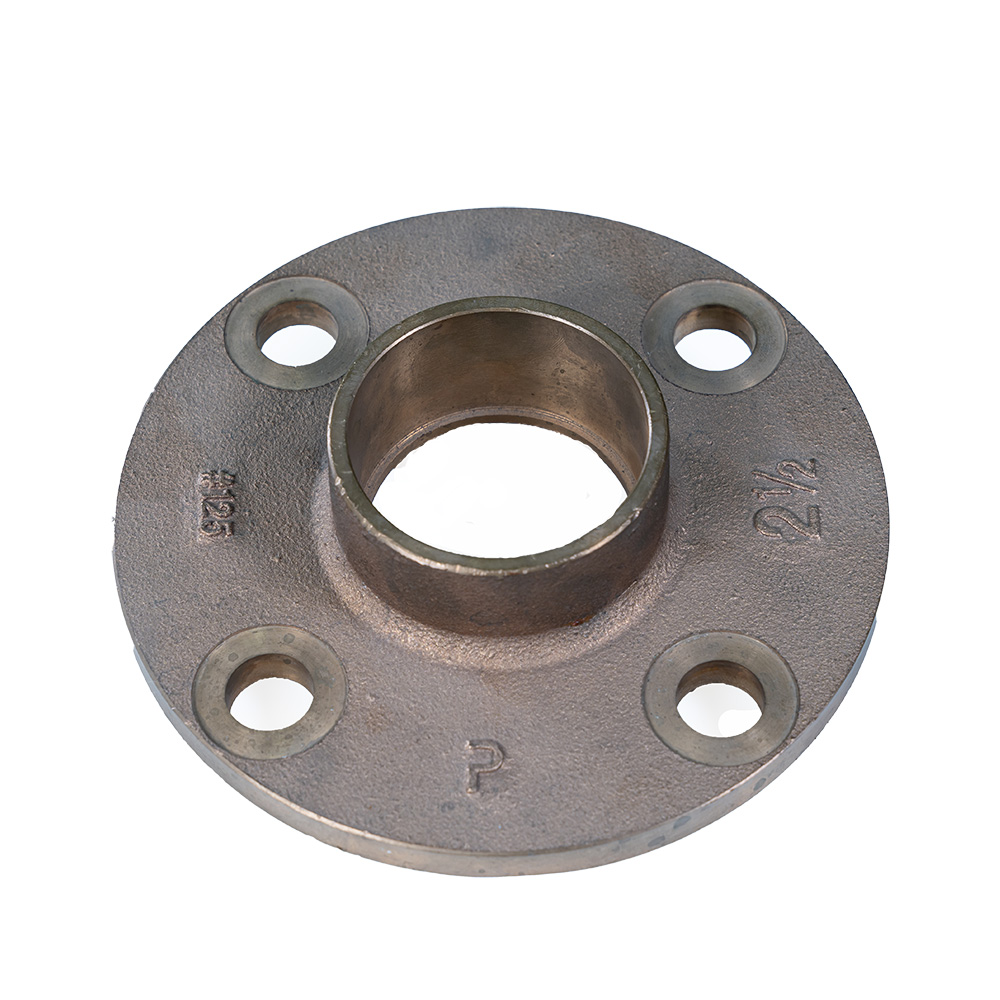
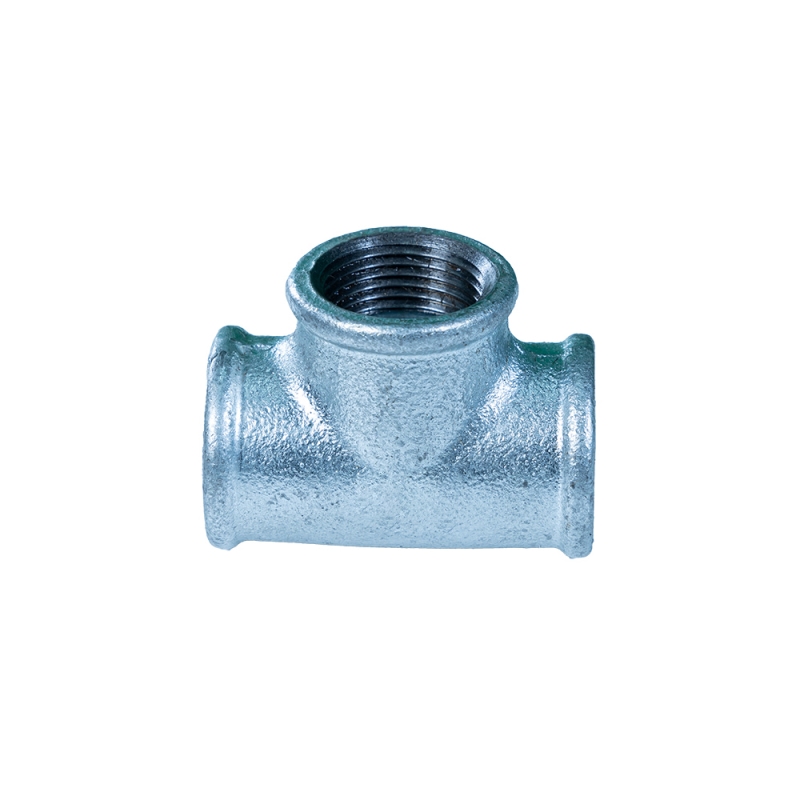
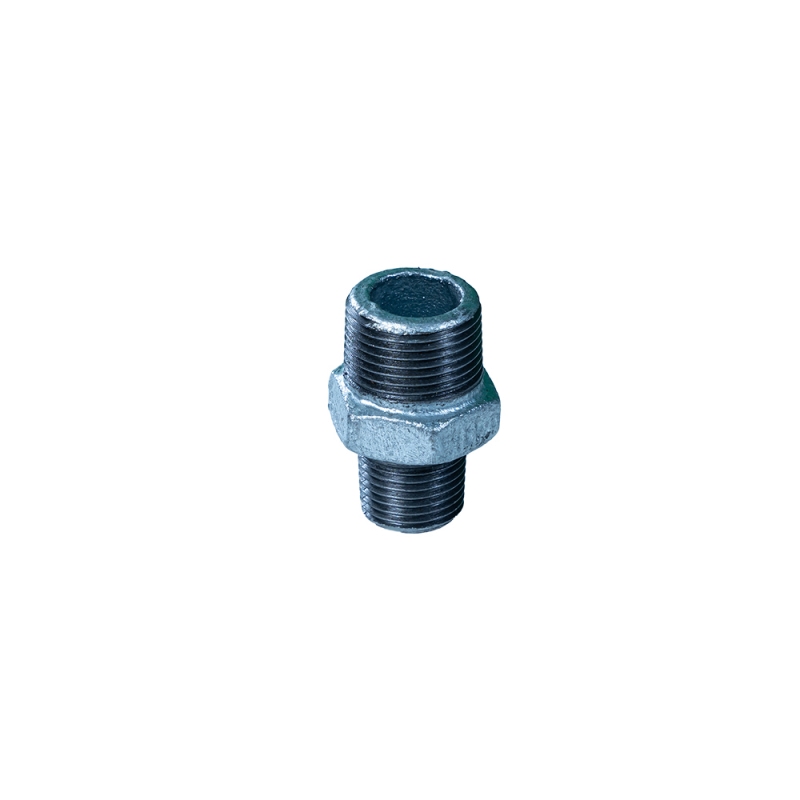
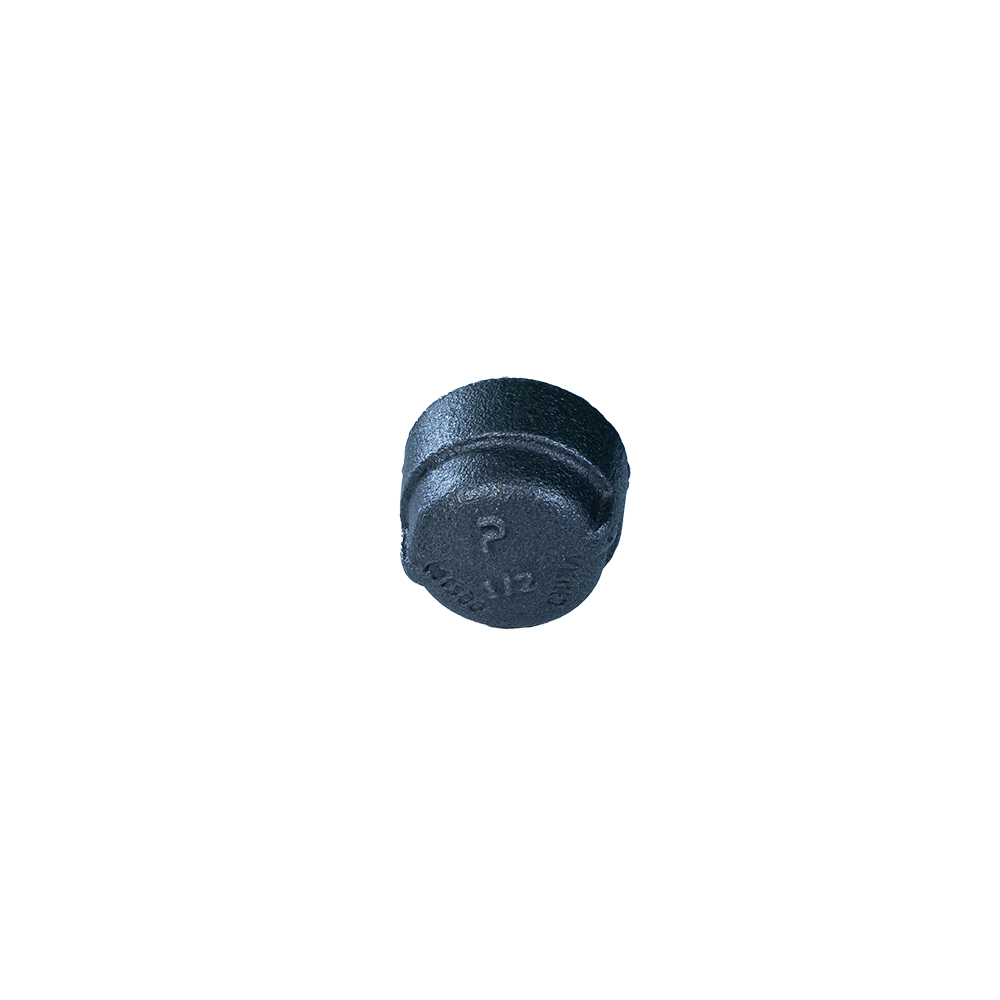
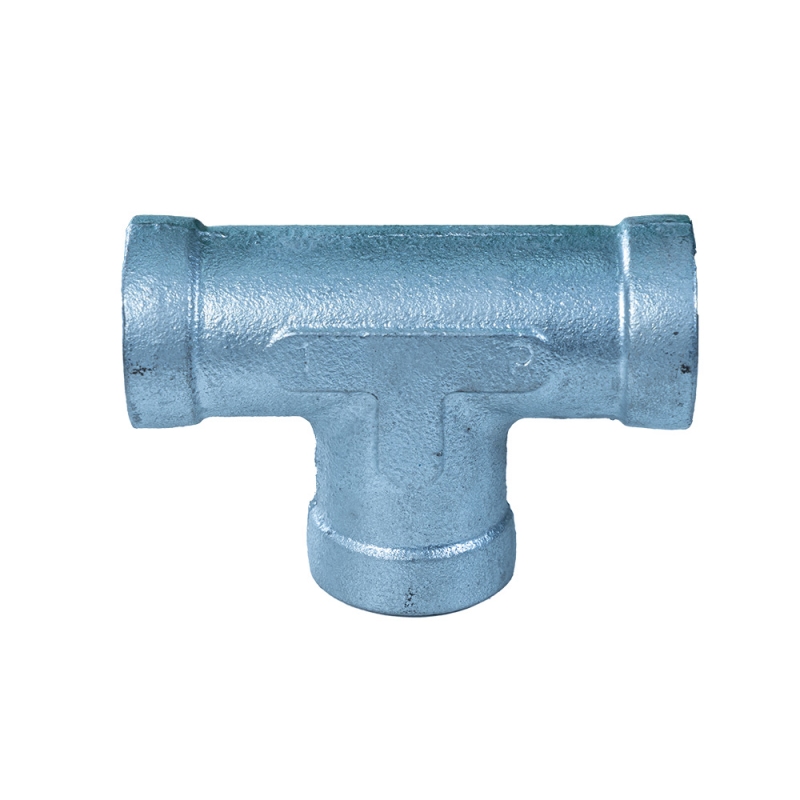
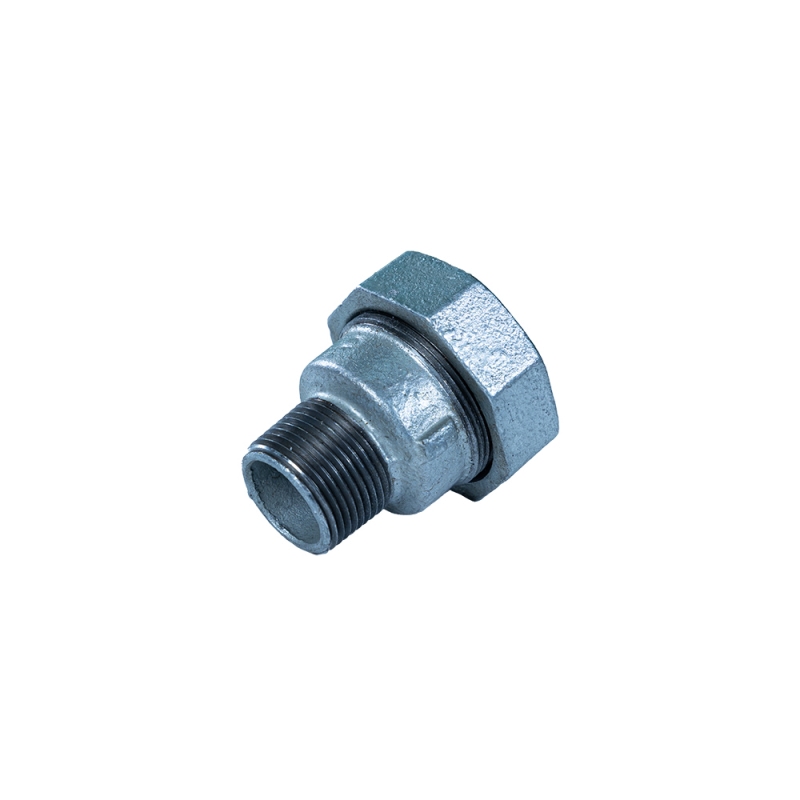
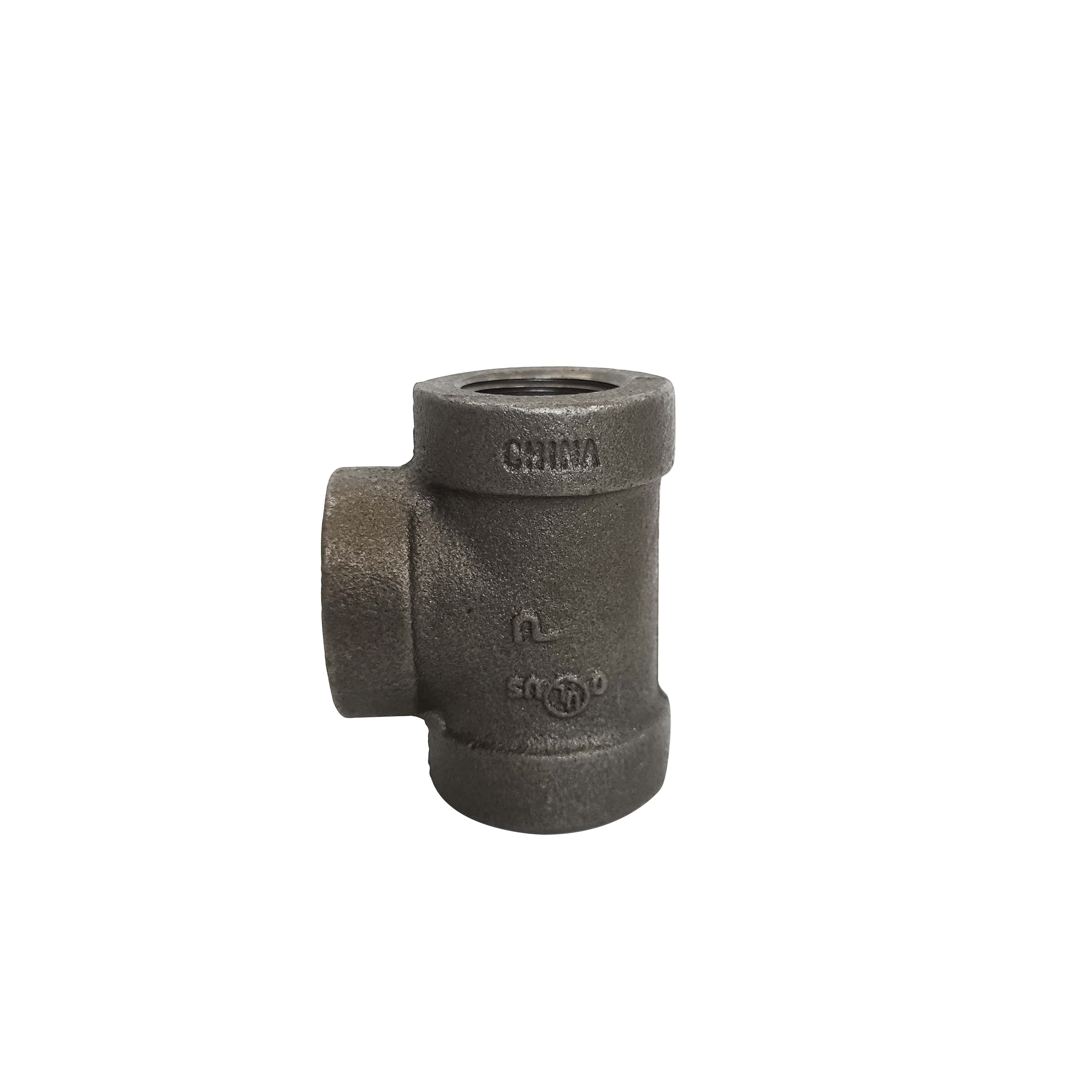
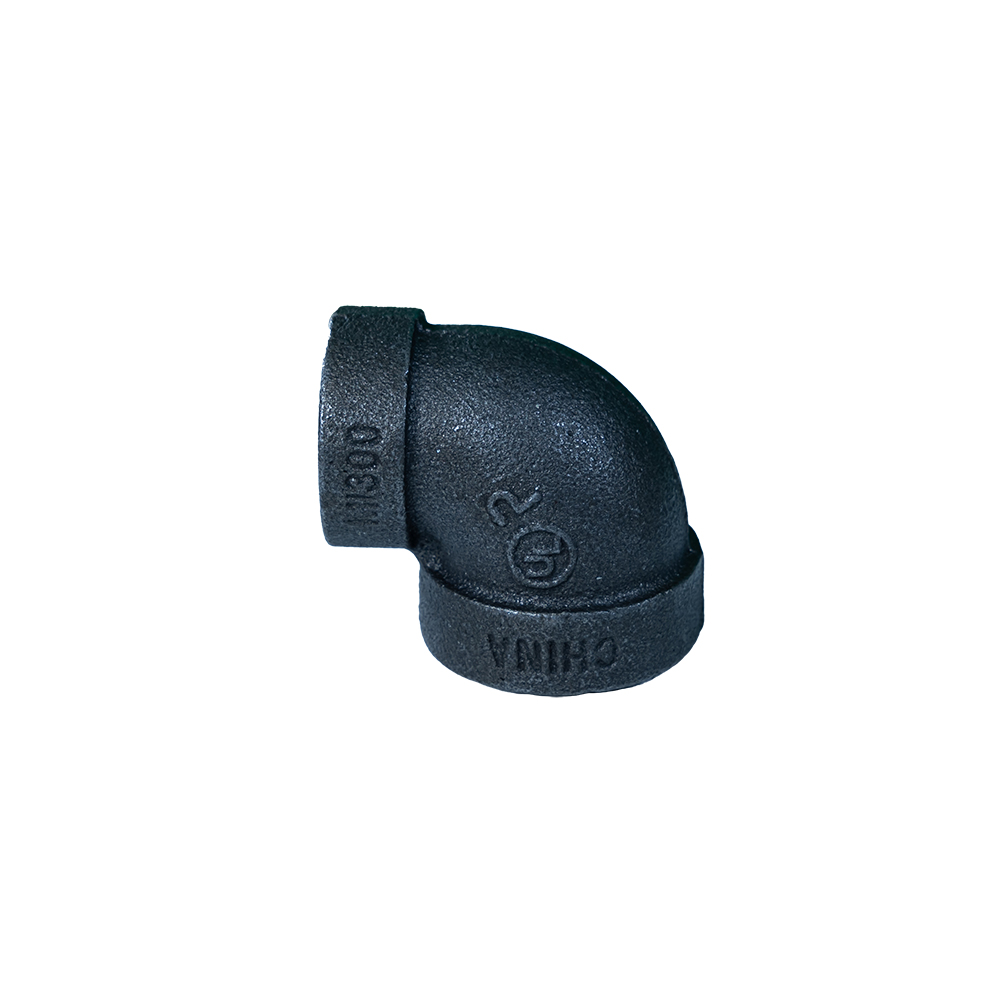
Put simply, pipe fittings are components used to join, redirect or seal sections of piping. Types range from elbows and tees to couplers and flanges. The prefix "cheap" doesn’t imply low-quality — it just means these fittings come at a budget-friendly price, often using cost-effective manufacturing techniques or materials without compromising core functionality.
These fittings play a huge role beyond plumbing — from industrial processing plants to irrigation systems in remote villages. In disaster zones, quick-to-install, cheap pipe fittings let teams restore water or gas lines rapidly. I often think of them as the unsung heroes behind modern life’s comfort and safety.
Core Factors That Make Cheap Pipe Fittings Work
1. Material Selection
One way manufacturers keep prices down is by choosing alternative materials — for example, using high-grade PVC instead of metal, or blending composite materials that offer decent durability without the cost of steel or brass.
2. Manufacturing Techniques
Automation and rapid molding allow mass production of fittings at scale. It’s a bit like baking cookies on a conveyor belt instead of handcrafting each — more cost-efficient and largely consistent quality.
3. Durability and Corrosion Resistance
Even cheap fittings must resist wear, weather, and corrosion. Otherwise, they become liabilities. Some companies apply special coatings or use additives to extend lifespan without hitting premium price points.
4. Standardization & Compatibility
Adhering to industry standards like ISO or ANSI ensures fittings can be integrated into many systems globally, preventing costly mismatches or replacements.
5. Ease of Installation
Simple, snap-fit or push-to-connect designs reduce labor time, meaning overall project costs fall — critical for places where skilled labor might be scarce.
6. Scalability
Cheap pipe fittings should accommodate expansion, letting systems grow without costly reworks.
Mini takeaway: Quality cheap pipe fittings balance smart material choices, manufacturing efficiency, and practical features to meet a range of real-world demands.
Where and How Are Cheap Pipe Fittings Used Around the World?
They’re everywhere. In rural sub-Saharan Africa, low-cost plastic fittings power irrigation systems advancing food security. In Southeast Asia’s fast-growing industrial parks, affordable metal fittings support high-pressure water and steam lines. Even in North America, cheaper fittings streamline residential plumbing for affordable housing projects.
For example, after the 2010 earthquake in Haiti, NGOs relied heavily on cheap, durable pipe fittings to rebuild essential water distribution networks. Similarly, remote mining operations in Chile regularly use cost-effective copper alloy fittings for tough conditions, cutting costs but maintaining safety.
- Disaster relief water systems
- Urban affordable housing plumbing
- Large-scale farm irrigation
- Industrial plant piping and HVAC
These use cases show how cheap pipe fittings enable broad, impactful outcomes — often where budget constraints and time pressures are intense.
Advantages and Why They Offer Long-Term Value
Let’s face it, initial savings are nice but what truly counts is durability and trust. Cheap pipe fittings, when properly designed, can:
- Cut upfront material and installation costs
- Promote sustainable resource use by minimizing waste
- Reduce downtime via easier repairs and replacements
- Enhance safety by meeting strict standards
- Increase access to clean water and sanitation, improving health outcomes
There’s also a human side here — cheaper fittings help bring dignity by making water systems accessible in underserved communities. It’s a mix of economics and empathy.
Product Specification Table: Typical Cheap Pipe Fittings
| Specification | Typical Value |
|---|---|
| Material | PVC, CPVC, PP, or low-carbon steel |
| Operating Temperature | -10°C to 60°C (PVC), up to 120°C (CPVC/steel) |
| Pressure Rating | Up to 16 bar (varies by type) |
| Connection Type | Socket, threaded, push-fit |
| Standards | ISO 4144, ASTM D2467, ANSI B1.20.1 |
| Typical Lifespan | 10–25 years |
What Makes the Market Competitive? Vendor Comparison
| Feature | Vendor A | Vendor B | Vendor C |
|---|---|---|---|
| Price Range (per unit) | $0.30–$0.50 | $0.25–$0.45 | $0.40–$0.60 |
| Material Options | PVC, CPVC | PVC, Steel | PVC, Brass |
| Certifications | ISO 4144, NSF | ASTM, ISO 4144 | NSF, ANSI |
| Typical Lead Time | 2–3 weeks | 1–2 weeks | 3–4 weeks |
| Warranty | 5 years | 3 years | 7 years |
Looking Ahead: Innovations and Trends in Cheap Pipe Fittings
The landscape is changing, fast. Advances in bioplastics promise cheaper fittings that are also greener — breaking the old “cheap equals wasteful” stereotype. Then there’s the rise of digital manufacturing: 3D printing could revolutionize how custom fittings get made on-demand, reducing inventory costs.
Automation and IoT (Internet of Things) are also creeping in. Imagine pipe fittings embedded with sensors tracking pressure or leaks in real time — usually only found in high-end systems — potentially becoming affordable in the near future.
On the policy front, tightening environmental standards push vendors towards sustainable materials, meaning cheap pipe fittings must get smarter, lighter, and more durable.
Common Challenges and How the Industry Handles Them
Cheap pipe fittings aren’t without drawbacks. They can sometimes be less durable in extreme temperatures or corrosive environments, or their quick mass production may lead to slight inconsistencies. I’ve found that bridging the gap means:
- Investing in quality control and batch testing
- Selecting the right material based on use-case (not just cheapest on market)
- Developing modular systems that allow easy replacement
- Collaborating closely with end-users for feedback and customization
So even if a fitting is labeled "cheap," it shouldn’t feel cheap when performance counts.
FAQ: Questions About Cheap Pipe Fittings
- Q: Are cheap pipe fittings reliable for high-pressure industrial use?
A: They can be, provided they meet relevant standards such as ISO 4144 or ASTM and are made from suitable materials like CPVC or steel. Always check pressure ratings before deploying. - Q: How long do cheap pipe fittings typically last?
A: Lifespans range from 10 to 25 years depending on material, environment, and usage, so ongoing inspection is essential. - Q: Can cheap pipe fittings be used in potable water systems?
A: Yes, if they have NSF or equivalent certification ensuring they don't leach harmful chemicals. - Q: What should I consider when importing cheap pipe fittings internationally?
A: Verify compliance with local standards, shipping costs, and supplier reputation. Using a trusted platform like cheap pipe fittings vendors can reduce risks.
Wrapping Up: Why Cheap Pipe Fittings Are More Than Just Budget Choices
So, here’s the deal. Cheap pipe fittings don’t mean cutting corners; they represent intelligent engineering solutions tailored to balance economy with quality. From building vital community infrastructure to powering industrial revolutions in developing countries, their role is profound and expanding.
If you’re considering pipe solutions for your next project and want a good mix of affordability and reliability — I highly recommend checking out suppliers that specialize in cheap pipe fittings. Their innovative offerings might surprise you.
Because, in real terms, saving a penny can sometimes save a life.
References:
Post time: Nov-29-2025