
What Exactly is a 45 Fitting and Why It Matters
If you’ve ever dabbled in plumbing, industrial piping, or HVAC systems, you’ve probably come across the humble 45 fitting. It’s one of those tiny but mighty components — basically an angled connector that links pipes at precisely 45 degrees. But don’t let its simplicity fool you. This piece plays a crucial role in ensuring fluid or air flows smoothly and efficiently in countless applications worldwide, from residential plumbing to massive oil refineries.
Understanding the nuances of the 45 fitting isn’t just an engineer’s curiosity—it matters globally. In fact, ISO reports estimate over 70% of industrial piping systems utilize various angled fittings to optimize flow and reduce wear. From water supply to chemical plants, these fittings minimize turbulence and help maintain pressure levels. Plus, as sustainability and efficient resource use become mandates rather than options, knowing your fittings inside-out can save money and reduce environmental impact.
Mini takeaway: The 45 fitting, while small, holds significant sway in piping systems worldwide by optimizing flow and supporting sustainable practices.
Global Context: Why 45 Fittings Matter Today More Than Ever
In an increasingly interconnected world, infrastructure upgrades are a hot topic. The World Bank points out that global infrastructure needs will require trillions in investment by 2040, much of which revolves around upgrading utilities like water and gas pipelines. Within this giant puzzle, 45 fittings solve problems related to directional changes—helping engineers steer flows without sudden pressure changes or damage.
But here’s a challenge: as pipelines reach deeper into remote areas, often in harsh climates, conventional fittings sometimes fail prematurely. Engineers now seek durable, corrosion-resistant, and easy-to-install 45-degree connectors that can withstand these demands. For example, places prone to earthquakes or flooding require fittings that can flex and endure stresses without cracking. All this makes the humble 45 fitting a linchpin in both developed urban centers and rugged remote sites.
Mini takeaway: With global infrastructure expansion and environmental stressors, 45 fittings must evolve to meet new durability and flexibility standards.
Defining the 45 Fitting: What Is It Really?
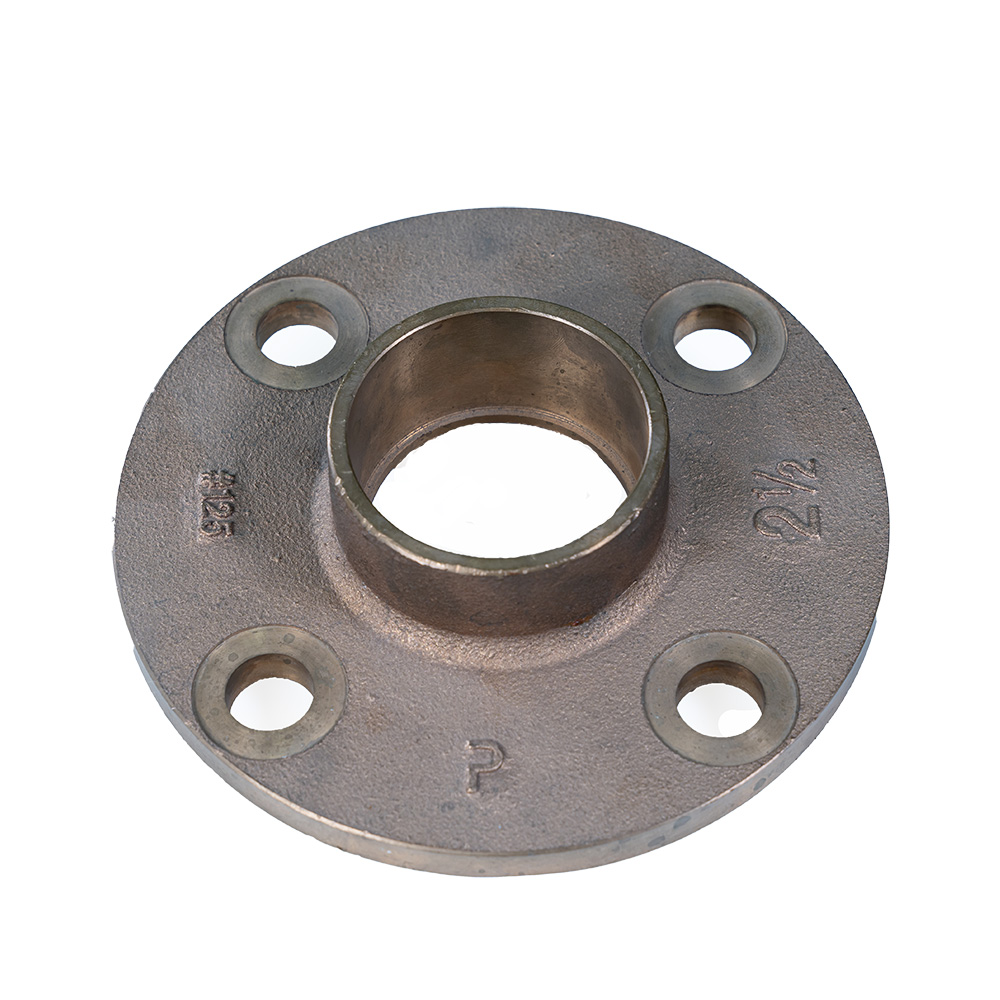
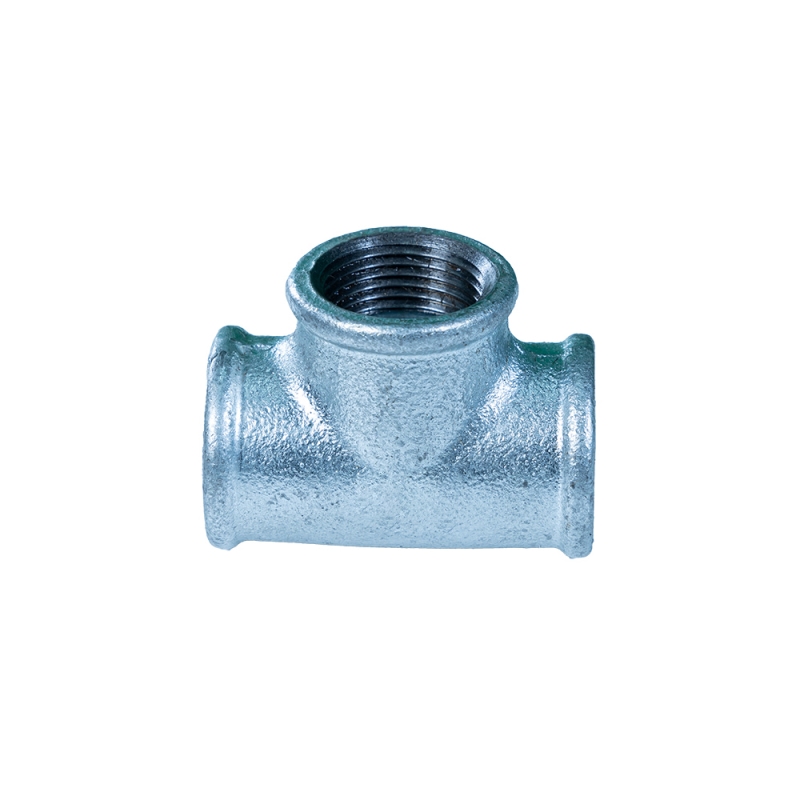
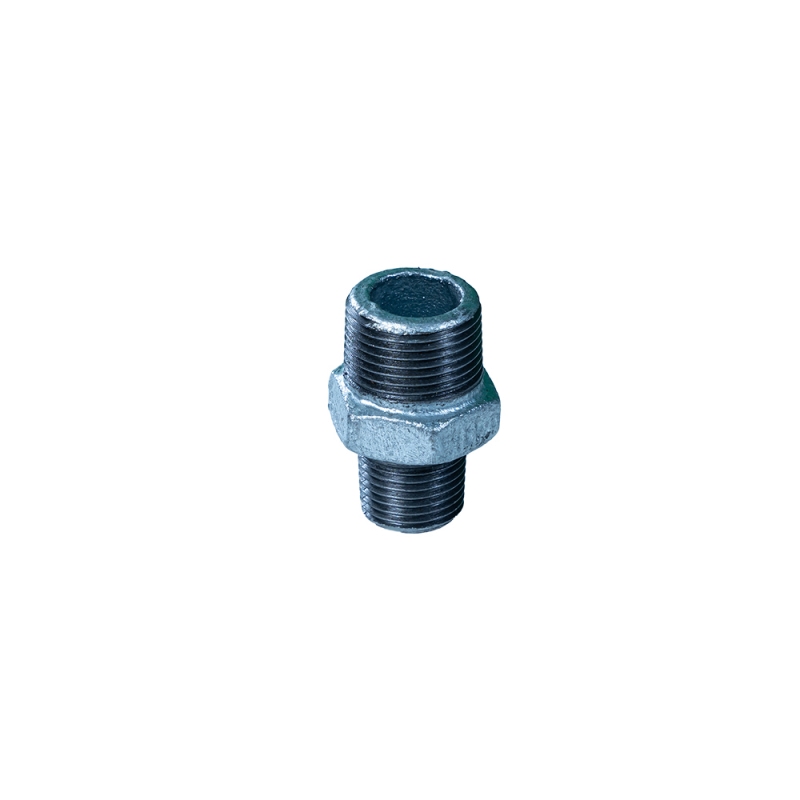
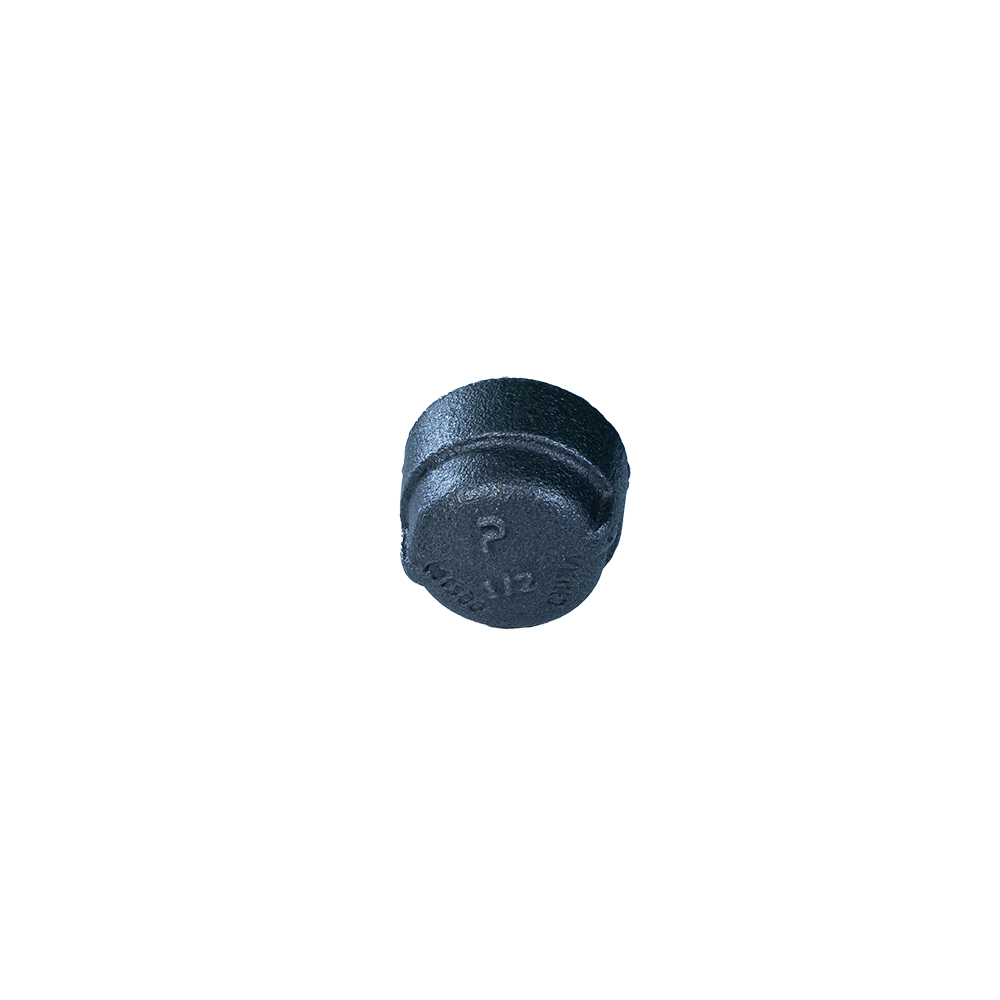
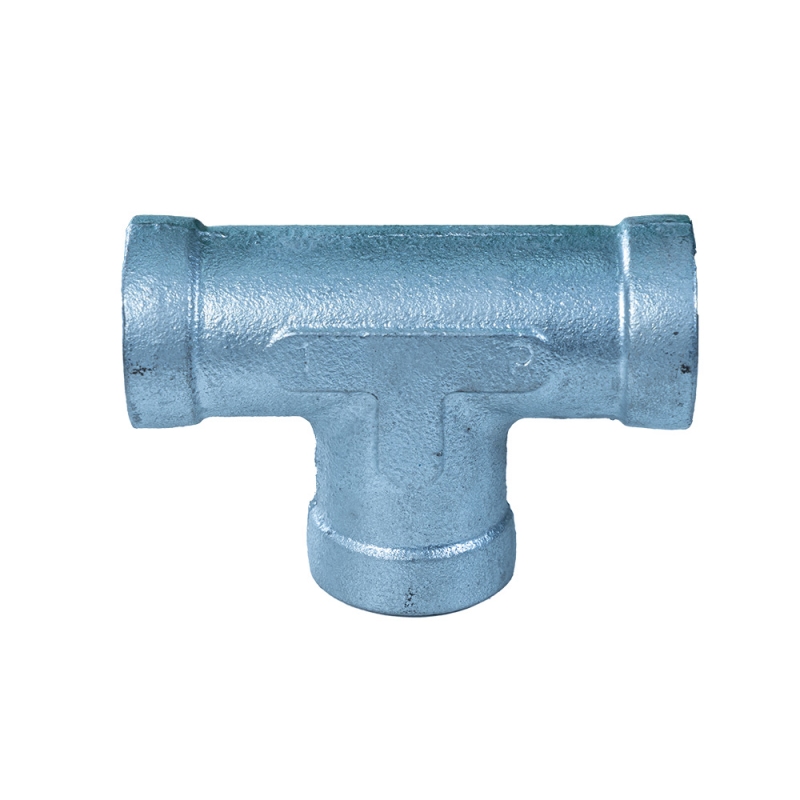
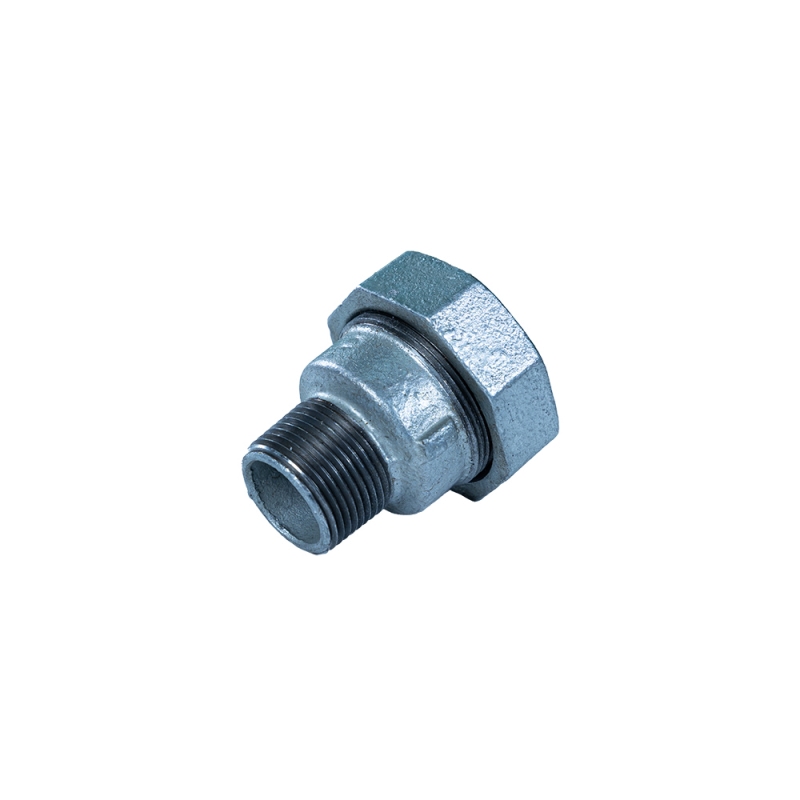
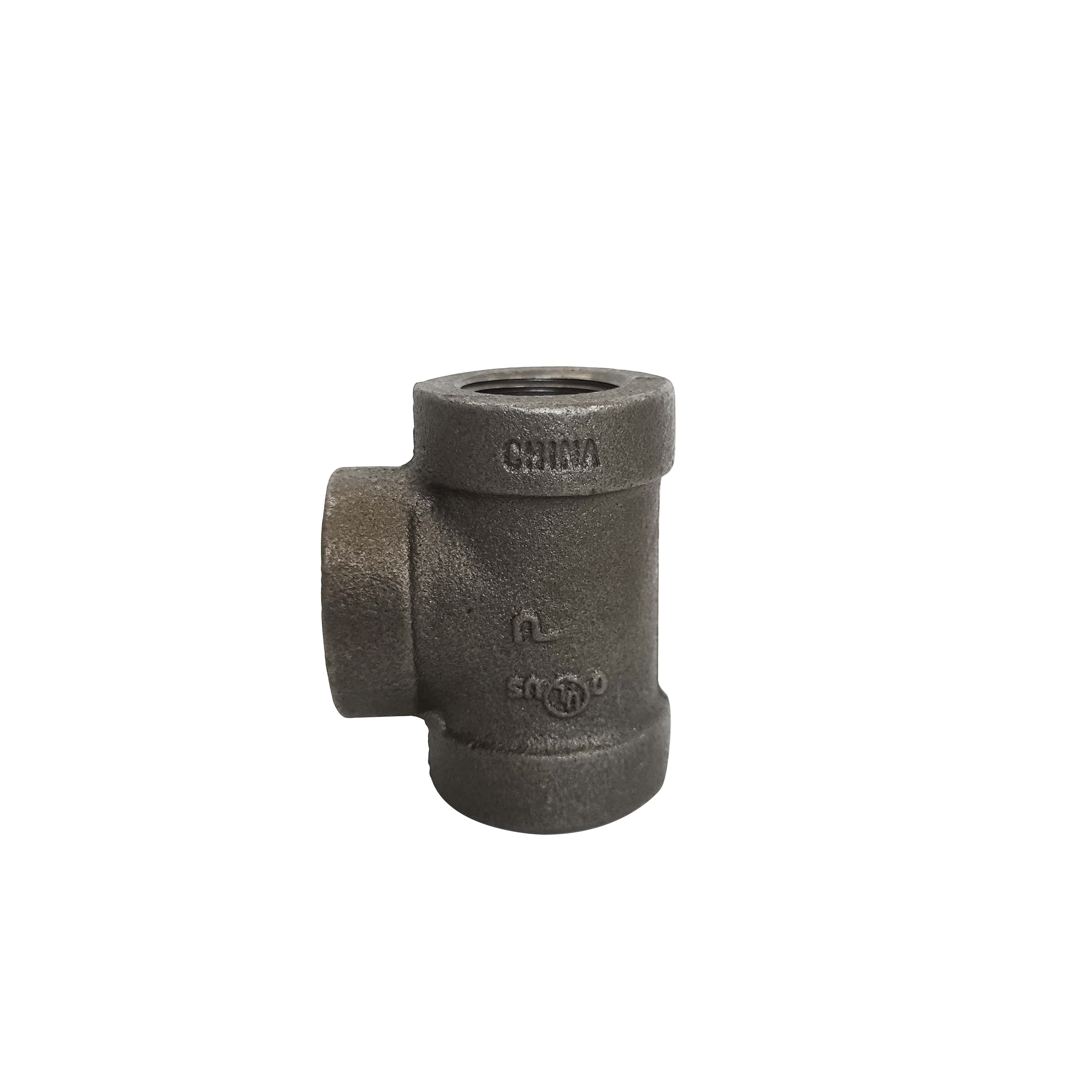
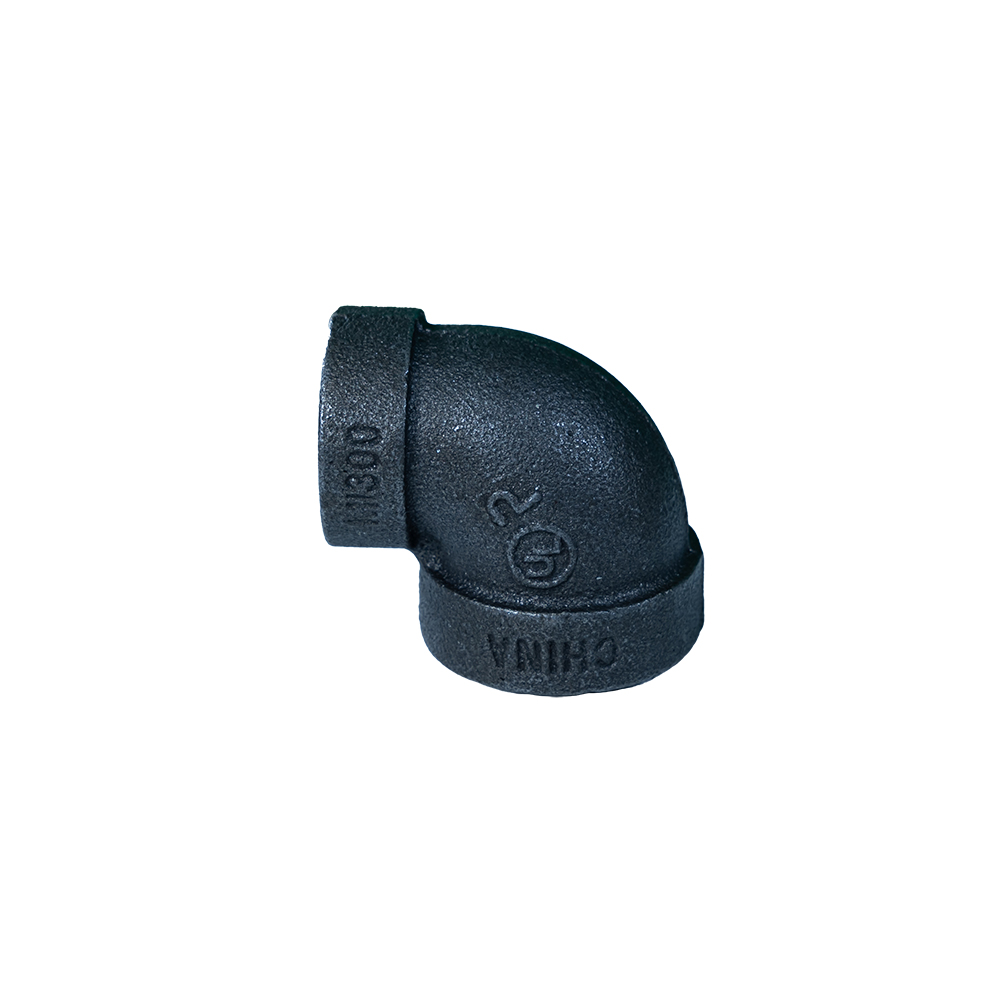
Simply put, a 45 fitting is a pipe accessory designed to join two pipes at a 45-degree angle. Unlike standard elbows which are usually 90 degrees, this angled fitting alters the direction more gradually, reducing resistance and turbulence in the pipe system. Typically crafted from PVC, stainless steel, copper, or alloys, they come in various pressure ratings and sizes.
Modern 45 fittings connect industrial sectors—in petrochemical plants, food manufacturing lines, or water treatment facilities—and support humanitarian needs. For example, in rapid disaster relief setups, modular piping networks fitted with adaptable 45-degree connectors speed water distribution or sanitation installations. It's a fascinating cross-over where industrial utility meets vital human need.
Mini takeaway: The 45 fitting’s main function is to maintain efficient, angled flow in piping systems, bridging diverse industries and humanitarian efforts alike.
Core Components of a Quality 45 Fitting
Durability and Material Choice
The best 45 fittings resist corrosion, temperature extremes, and pressure fluctuations. In real terms, stainless steel alloys are favored for their strength and longevity, while PVC variants shine in lightweight and budget-conscious projects. Selecting the right material often spells the difference between regular maintenance and decades of trouble-free operation.
Precision Engineering
Oddly enough, an imprecise angle—even by a couple degrees—can lead to turbulence that weakens pipes or wastes energy. Well-fabricated 45 fittings ensure smooth surfaces and exact angles, supporting system integrity. Many manufacturers now use CNC machining and automated welding to keep angles spot-on.
Ease of Installation
Field engineers swear by fittings that snap or weld easily, reducing work time and error. Some come with gasket seals or quick-connect designs to ensure leak-free joints with minimal fuss. This is critical in time-sensitive industrial projects or disaster response situations.
Scalability & Compatibility
Modern 45 fittings are designed to integrate seamlessly with standard piping sizes and materials. This interchangeability is vital when scaling projects up or performing quick repairs without custom fabrication.
Cost Efficiency
While high-end fittings might carry a premium, their longer lifespan and better performance often reduce total ownership costs. Operators balance upfront price with lifecycle savings—something every procurement manager understands all too well.
Mini takeaway: A top-tier 45 fitting is about balanced excellence—durable materials, precision angles, easy installation, and cost-conscious design.
Real-World Applications of 45 Fittings
Walking through industries, you’ll find 45 fittings quietly doing their jobs:
- Oil and Gas: Safe, angled pipelines reduce wear and prevent leaks in multi-kilometer runs.
- Water Treatment Plants: Turning flow directions without disturbing pressure levels helps process clarity.
- HVAC Systems: Routing ducts and pipes through tricky architectural spaces requires precise 45-degree bends.
- Disaster Relief: Rapid-deploy water piping networks use modular 45 fittings for swift assembly on challenging terrain.
For example, after recent floods in Southeast Asia, NGOs installed portable water systems featuring robust 45 fittings to rapidly restore safe drinking water. Meanwhile, remote mining operations in Canada rely on stainless steel 45 fittings to endure subzero temperatures and corrosive materials.
Mini takeaway: Across sectors and continents, 45 fittings underpin smoother, safer, and faster piping solutions.
Advantages and Long-Term Value of Using 45 Fittings
Choosing the right 45 fitting has tangible benefits — and I’m not just talking dollars. There’s a strong emotional and social dimension too: reliability means less downtime, safer environments for workers, and cleaner resource management.
- Cost Savings: Reduced pipe stress equals fewer breaks, less repair, and longer infrastructure life.
- Sustainability: Efficient flow conserves energy in pump-driven systems and lowers carbon footprints.
- Social Impact: Reliable clean water delivery systems empower communities, enhancing dignity and health.
- Innovation & Trust: Operators who invest in quality fittings build solid reputations — and that trust fuels commercial success.
Mini takeaway: Beyond dollars, 45 fittings bring lasting value by supporting efficiency, safety, and societal wellbeing.
Looking Ahead: Future Trends in 45 Fittings
What’s next for this staple of piping tech? For starters, greener manufacturing methods—think recycled materials and water-based coatings—are gaining traction as clients demand sustainability. Digital transformation plays a role too: smart pipe networks with embedded sensors now integrate with 45 fittings for real-time pressure monitoring, an innovation many engineers find exciting.
Automation in manufacturing ensures consistent quality at scale, while additive manufacturing (3D printing) opens doors for rapid prototyping custom fittings tailored to unusual angles and sizes. Perhaps one day soon, AI-designed fittings will predict optimal geometries based on complex flow simulations.
Mini takeaway: Sustainability, connectivity, and customization are steering 45 fittings towards smarter, greener futures.
Common Challenges and How Experts Solve Them
No product is perfect. Some challenges with 45 fittings include:
- Material Suitability: One-size-fits-all materials can fail prematurely under chemical or mechanical stress.
- Leak Prevention: Poor sealing can allow leaks—especially in extreme temperatures.
- Compatibility Issues: Inconsistent pipe standards worldwide complicate universal fitting use.
Solutions often come from selecting fit-for-purpose materials, investing in precision manufacturing, or using adaptable joint seals. For example, innovative gasket materials with temperature resilience significantly reduce leak risks.
Mini takeaway: Awareness of limitations, combined with tailoring materials and design, keeps 45 fittings solid in tough environments.
FAQ: Frequently Asked Questions About 45 Fittings
- Q: What makes 45 fittings preferable over a 90-degree elbow in piping?
- A: The gentler angle reduces turbulence and pressure loss, prolonging pipe life and improving flow efficiency.
- Q: Can 45 fittings be used with all pipe materials?
- A: Most fittings are compatible within pipe material families but always check specifications, especially for metals versus plastics.
- Q: How are 45 fittings tested for quality?
- A: Common tests include pressure, leak, and corrosion resistance testing per ISO or ASTM standards to ensure durability.
- Q: Are there eco-friendly 45 fitting options?
- A: Yes, some manufacturers produce fittings from recycled plastics or use green coatings minimizing environmental impact.
- Q: How easy is it to retrofit 45 fittings into existing systems?
- A: Usually straightforward if pipe sizes match. Some quick-connect designs further simplify retrofits or replacements.
A Practical Product Specification Table
| Specification | Value | Notes |
|---|---|---|
| Angle | 45° | Precise to ±0.5° |
| Materials | PVC, Stainless Steel, Copper | Material depends on application |
| Pressure Rating | 150–600 PSI | Varies by material and size |
| Temperature Range | -40°C to 200°C | Material specific |
| Connection Types | Socket, Welded, Flanged | Varies for installation needs |
| Standards | ANSI B16.9, ISO 9001 | Certified quality management |
Vendor Comparison: Choosing the Right 45 Fitting Supplier
| Vendor | Material Options | Price Range (USD) | Lead Time | Warranty | Special Features |
|---|---|---|---|---|---|
| AlphaPipe Inc. | Steel, PVC | $12-$40 | 2–4 weeks | 5 years | Custom sizes on demand |
| PipeMasters | Copper, Stainless Steel | $18-$55 | 1–3 weeks | 7 years | Premium corrosion resistance |
| EcoFit Solutions | Recycled Plastics, PVC | $10-$30 | 3–5 weeks | 3 years | Eco-friendly coatings |
In Conclusion: Why the 45 Fitting Deserves More Attention
Honestly, the overlooked 45 fitting quietly holds together vast networks—both industrial and humanitarian. It’s kind of like the unsung hero in a piping saga, shaping how fluids flow smoothly and systems last longer. From robust materials to increasing digital integration, the future looks bright... or rather, precisely angled.
For anyone tackling piping challenges or concerned with infrastructure longevity, a deep understanding of 45 fittings is a worthwhile asset. Whether you’re upgrading municipal water lines or setting up disaster relief pipelines, choosing the right fitting can make a world of difference.
If you’re curious to explore high-quality fittings crafted for performance and reliability, check out 45 fitting offerings at PanNext Fittings. There’s a reason so many field engineers trust them.
References
Post time: Nov-30-2025