
Understanding High-Performance Pipe Fittings: An Overview of Industry Trends
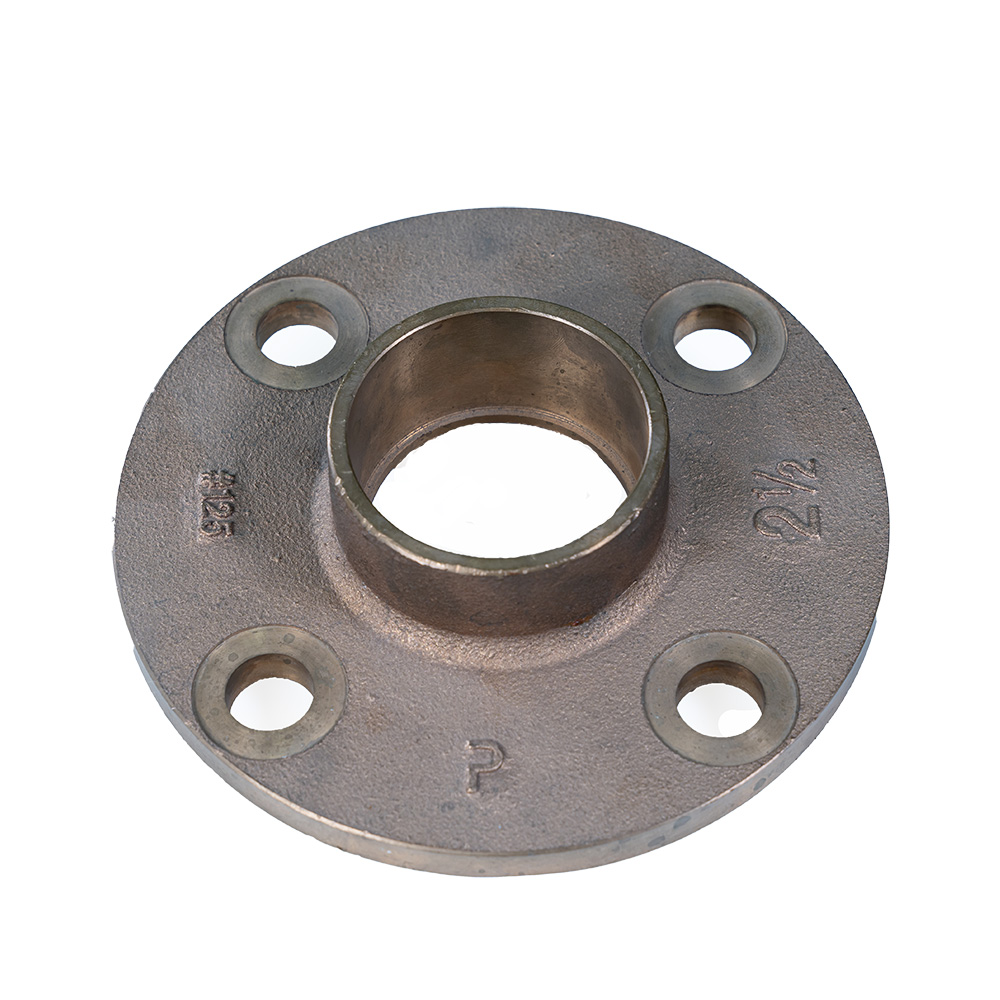
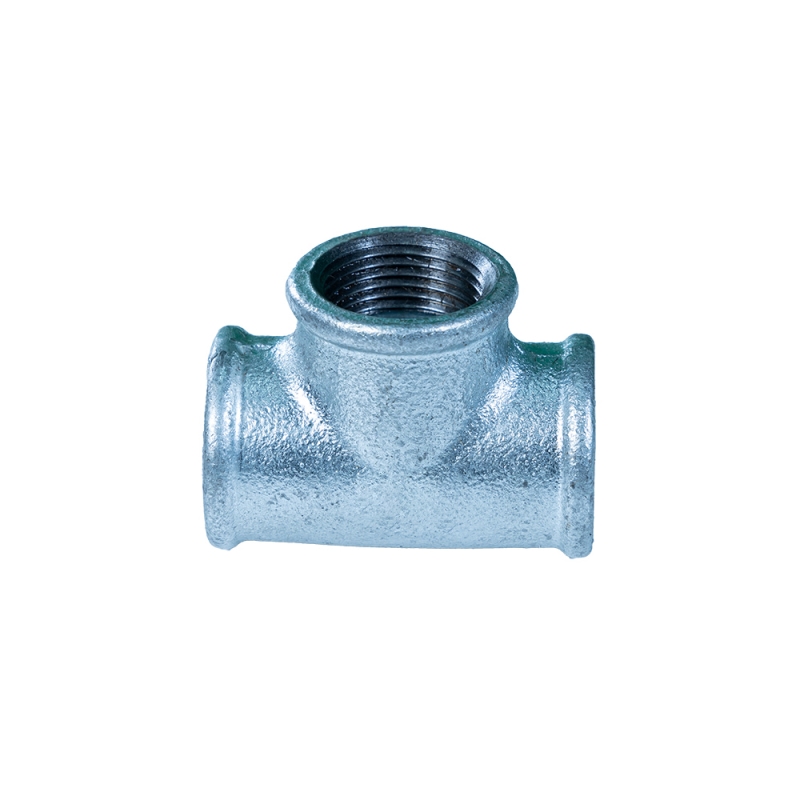
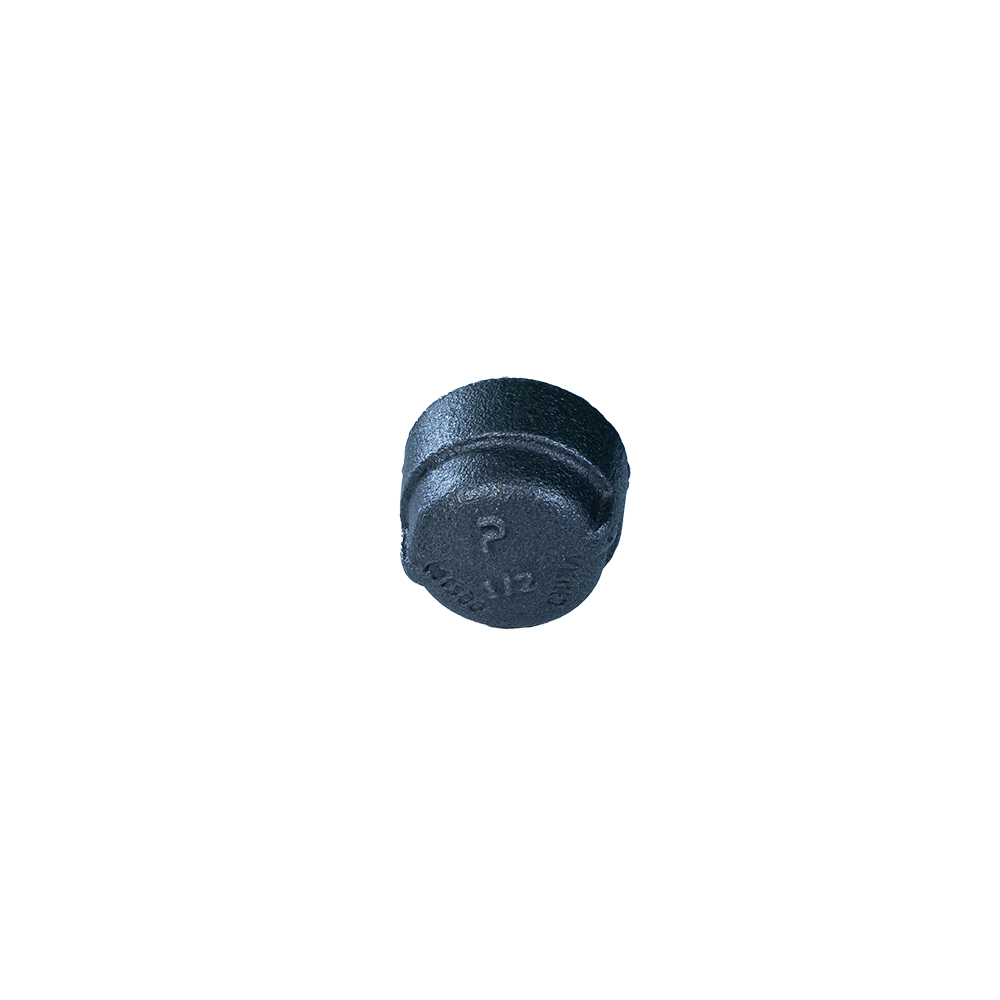
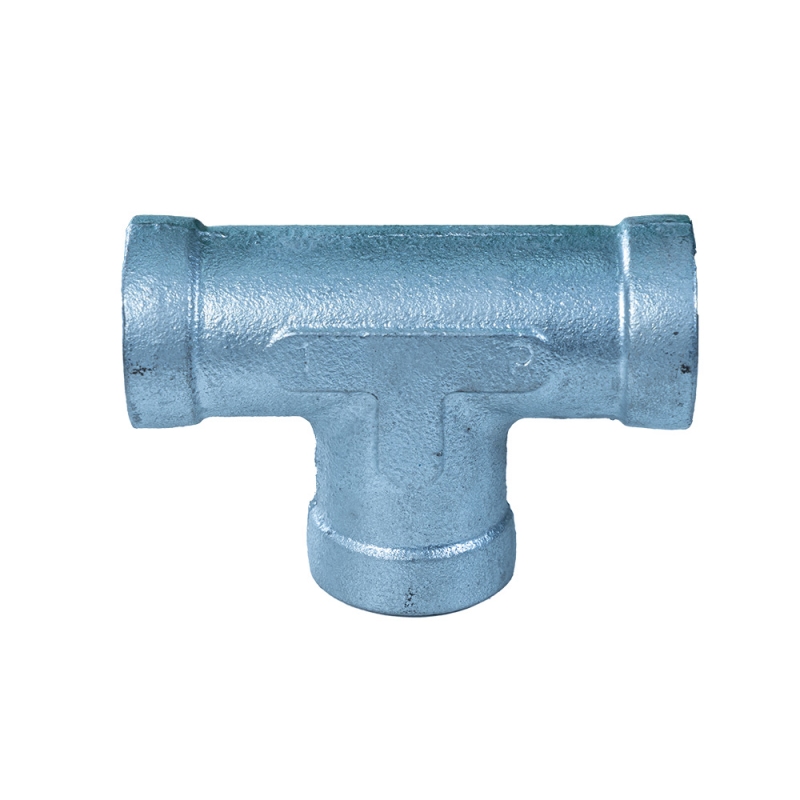
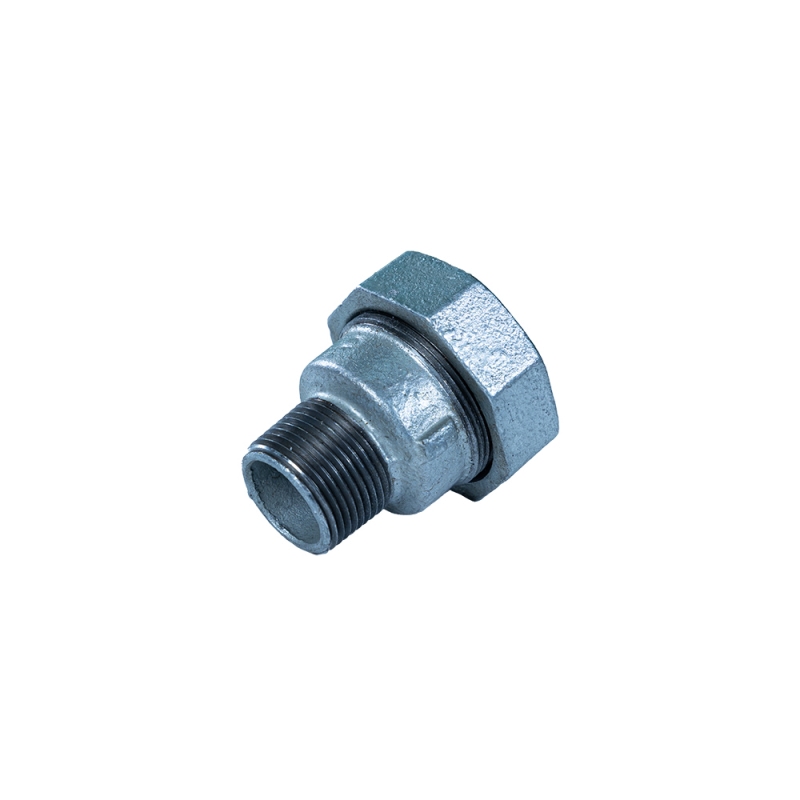
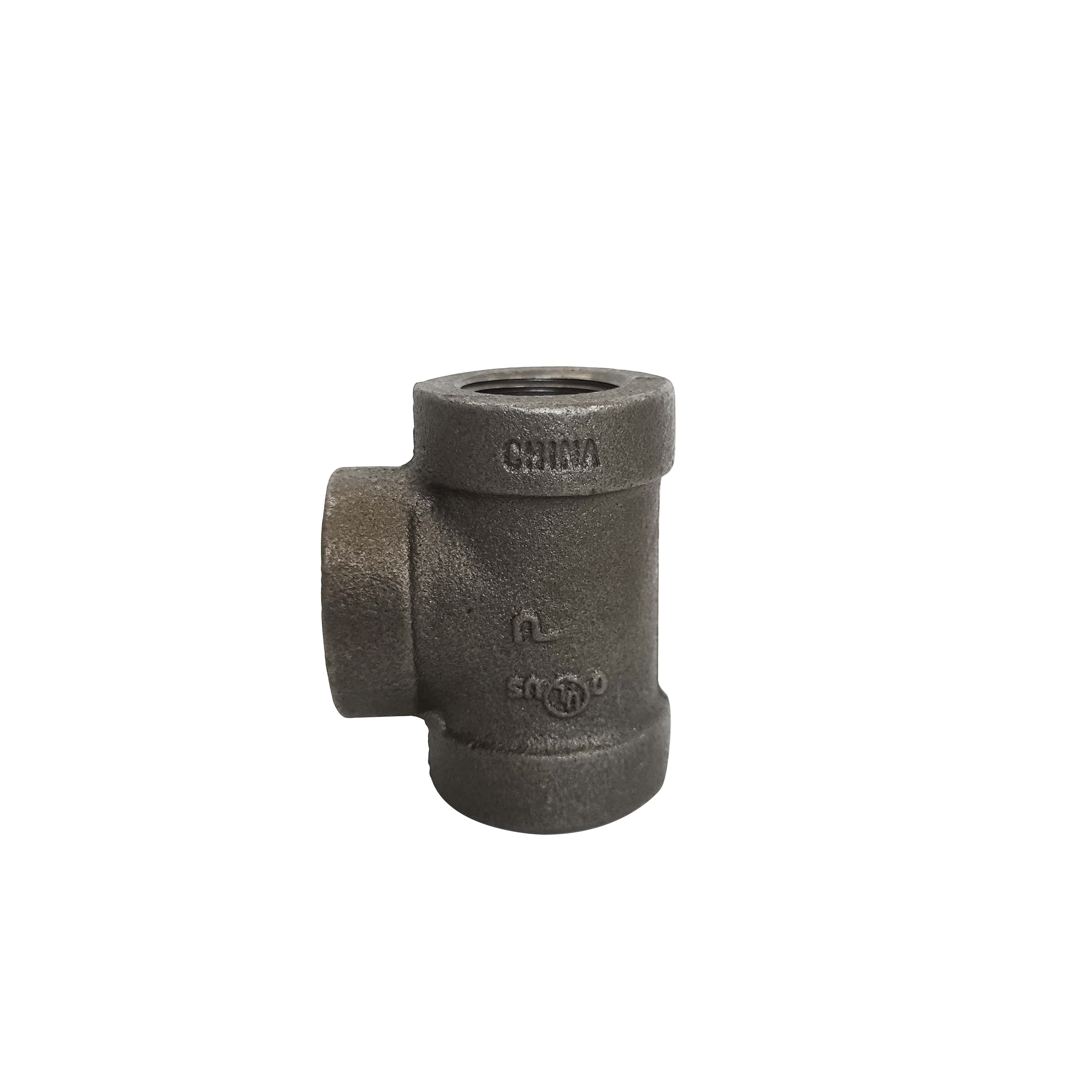
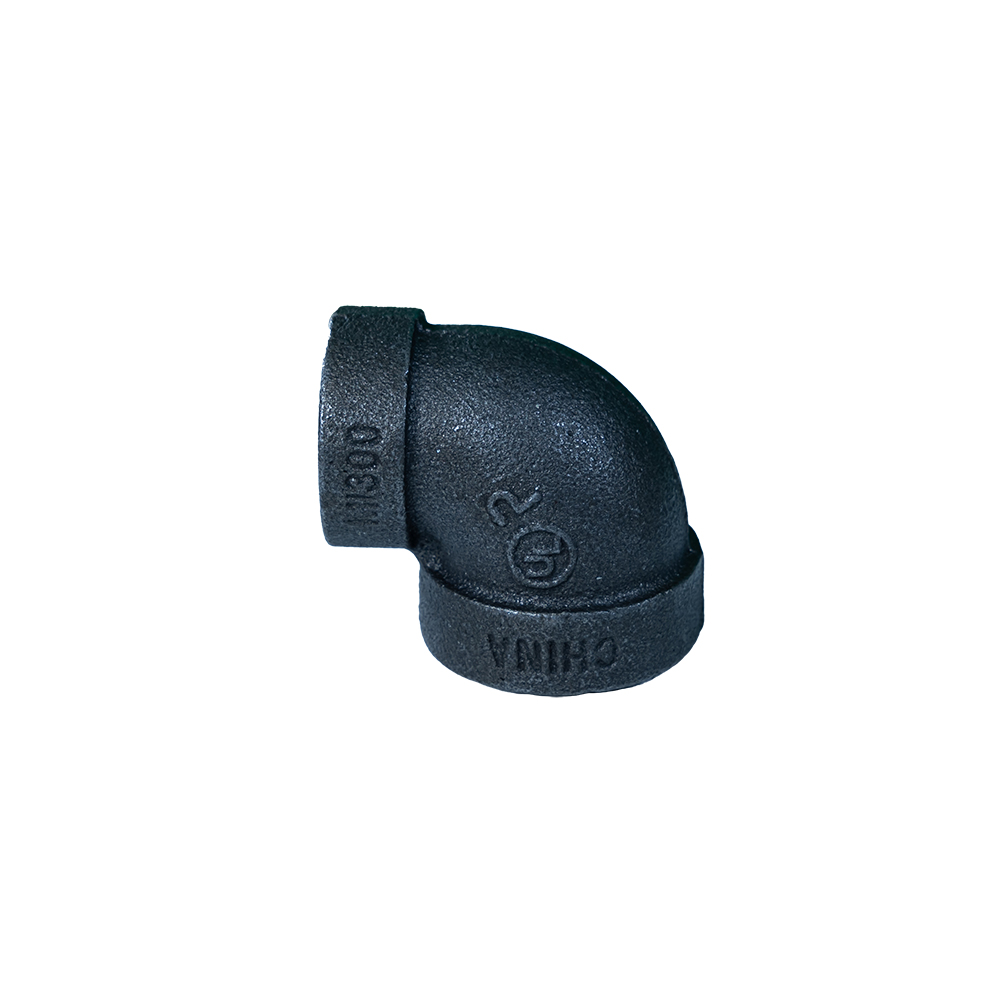
The industrial landscape is continuously evolving, demanding increasingly robust and reliable infrastructure solutions. Within this context, the specification and deployment of high-grade pipe fittings are paramount for operational integrity and safety. A critical component for many high-pressure and critical applications is the class 300 pipe fittings. These fittings are engineered to withstand demanding operational parameters, making them indispensable in sectors where failure is not an option. Current industry trends emphasize enhanced material science, stringent quality control, and the integration of smart technologies for predictive maintenance, all while ensuring compliance with global regulatory standards. Manufacturers are focusing on reducing lead times and offering customized solutions to meet the unique challenges faced by B2B clients, from large-scale petrochemical plants to municipal water treatment facilities. The shift towards sustainable manufacturing practices and fittings with extended service life also remains a significant driver in the market for these specialized components.
The demand for durable and efficient fluid conveyance systems is driving innovation in the design and production of components like the class 300 pipe fittings. These fittings are designed to offer superior mechanical strength and sealing capabilities, essential for environments characterized by high pressures and temperatures. From the initial material selection to the final finishing, every step in their production is optimized to deliver peak performance and reliability. The choice of fitting directly impacts system efficiency, maintenance costs, and operational safety, making an informed decision critical for engineers and procurement specialists.
Manufacturing Process Flow of Class 300 Pipe Fittings
The production of class 300 pipe fittings involves a meticulous multi-stage process, ensuring that each component meets rigorous performance and safety standards. The primary material for these fittings is often high-grade malleable iron or ductile iron, selected for its excellent tensile strength, ductility, and resistance to corrosion, particularly relevant for 300 malleable iron fittings. The process integrates advanced manufacturing techniques, precision engineering, and comprehensive quality control measures to guarantee reliability.
Schematic Steps: Manufacturing of Class 300 Malleable Iron Fittings
- Material Selection & Preparation: High-quality raw pig iron, steel scrap, and alloying elements are precisely weighed and charged into induction furnaces. The chemical composition is continuously monitored to meet specific ASTM A197 or equivalent standards for malleable iron.
- Melting & Casting: The molten metal is heated to optimal temperatures (e.g., 1450-1550°C) and then poured into sand molds created using automated molding lines (e.g., DISA matchplate molding for consistency). This casting process forms the rough shape of the class 300 pipe fittings.
- Annealing (Malleabilizing): Castings are subjected to a controlled heat treatment process, typically involving heating to 900-950°C and slow cooling. This transforms the brittle white iron into ductile malleable iron, significantly enhancing its strength and toughness.
- Cleaning & Shot Blasting: After annealing, the fittings undergo shot blasting to remove sand residues, scale, and surface imperfections, preparing them for further processing and inspection.
- CNC Machining & Threading: Precision CNC machining centers are used to bore, face, and tap the fittings. Threads are meticulously cut to meet international standards such as NPT, BSPT, or ISO 7-1, ensuring leak-proof connections. Tolerances are held to microns for perfect fitment.
- Surface Treatment (Galvanizing/Coating): Many fittings receive a hot-dip galvanization coating, adhering to standards like ASTM A153, for superior corrosion resistance. Other coatings, such as epoxy, may be applied based on application requirements.
- Hydrostatic & Air Testing: Each fitting undergoes hydrostatic testing at pressures significantly exceeding its nominal pressure rating (e.g., 500-1000 psi for class 300 pipe fittings pressure rating) to detect leaks. Air pressure tests may also be conducted for specific applications.
- Final Inspection & Packaging: Visual inspection, dimensional checks, and thread gauging are performed. Approved fittings are marked, oiled (if necessary), and carefully packaged to prevent damage during transit.
Throughout this process, adherence to international testing standards like ISO 9001 for quality management, ANSI B16.3 for malleable iron threaded fittings, and various ASTM specifications for materials and testing is strictly maintained. The typical service life of properly installed and maintained class 300 malleable iron fittings can exceed 50 years, demonstrating their long-term reliability and cost-effectiveness in critical infrastructure.
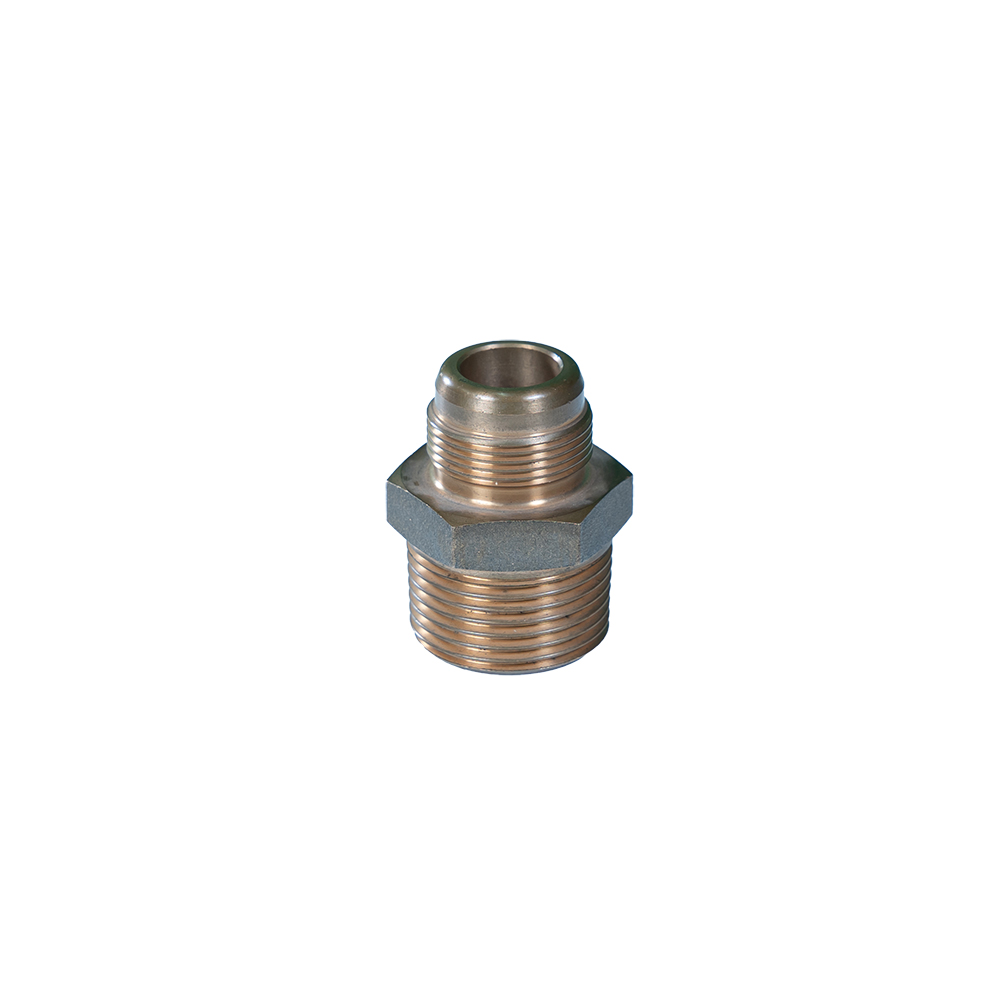
Technical Specifications and Pressure Ratings
The specification of class 300 pipe fittings is defined by a comprehensive set of technical parameters ensuring their suitability for high-pressure applications. These fittings are rated for a maximum non-shock working pressure, which is dependent on both the material and the operating temperature. For malleable iron, this typically aligns with the ANSI/ASME B16.3 standard for threaded malleable iron pipe fittings.
Key Technical Parameters for Class 300 Malleable Iron Fittings
| Parameter | Specification / Value | Relevant Standard |
|---|---|---|
| Material Grade | Malleable Iron (Black or Galvanized) | ASTM A197 / ASTM A153 |
| Pressure Class (Non-Shock WOG) | 300 PSI (20.7 bar) for water, oil, gas | ASME B16.3 |
| Pressure Class (Steam) | 150 PSI (10.3 bar) at 450°F (232°C) | ASME B16.3 |
| Hydrostatic Test Pressure | Minimum 500 PSI (34.5 bar) | Manufacturer Standard / ASME B16.3 |
| Tensile Strength | Min. 50,000 PSI (345 MPa) | ASTM A197 |
| Yield Strength | Min. 32,000 PSI (220 MPa) | ASTM A197 |
| Elongation | Min. 10% in 2 inches | ASTM A197 |
| Thread Type | NPT, BSPT, ISO 7-1 (Tapered) | ASME B1.20.1, ISO 7-1 |
Understanding the specific class 300 pipe fittings pressure rating is crucial for system design. These fittings are rigorously tested to ensure they can reliably operate under their rated pressure without compromise, providing engineers with confidence in their applications. The material composition, particularly for 300 malleable iron fittings, contributes significantly to their ability to withstand mechanical stresses and thermal cycling.
Application Scenarios and Technical Advantages
Class 300 pipe fittings are extensively utilized across a spectrum of demanding industries where reliable, leak-proof, and durable fluid conveyance is essential. Their robust construction and high-pressure ratings make them ideal for systems handling various media under challenging conditions.
Target Industries:
- Petrochemical Industry: Used in refineries, chemical processing plants, and oil and gas transportation for handling high-pressure hydrocarbons, steam, and various corrosive chemicals.
- Metallurgy and Mining: Essential in systems for water, compressed air, and slurry transport where resistance to abrasion and high operational pressures are critical.
- Water Supply & Drainage: Deployed in municipal water treatment plants, pumping stations, and high-pressure distribution networks, particularly where potable water integrity and long-term reliability are paramount.
- Fire Protection Systems: Integral to sprinkler systems and hydrants in commercial and industrial buildings due to their high-pressure rating and fire resistance.
- Industrial Manufacturing: Found in various general industrial applications, including air compressors, hydraulic systems, and process piping.
Key Technical Advantages:
- Superior Corrosion Resistance: When galvanized, class 300 malleable iron fittings offer excellent protection against rust and corrosion, extending their operational lifespan significantly in humid or chemically aggressive environments, leading to reduced maintenance and replacement costs.
- High-Pressure Endurance: Designed specifically to handle elevated internal pressures, these fittings minimize the risk of blowouts and leaks, ensuring system integrity and safety, directly impacting energy efficiency by preventing pressure drops.
- Durability & Longevity: The inherent strength and ductility of malleable iron, combined with precise manufacturing, result in fittings that withstand mechanical stress, vibration, and thermal cycling over decades.
- Ease of Installation: Standardized threading (NPT, BSPT, etc.) ensures compatibility with existing piping systems, facilitating quick and secure installations, thereby reducing labor costs and project timelines.
- Cost-Effectiveness: While initially a higher investment than lower-class fittings, their extended service life, reduced maintenance needs, and enhanced safety profile translate into significant long-term cost savings for industrial operations.
In typical application scenarios, such as a high-pressure compressed air line in a manufacturing facility, the use of class 300 pipe fittings ensures minimal air leakage, which directly translates to energy saving by maintaining system efficiency and reducing compressor workload. Similarly, in aggressive chemical transport lines, their corrosion resistance prevents material degradation, safeguarding the purity of the transported media and preventing catastrophic failures.
Vendor Comparison and Customization Solutions
Selecting the right vendor for class 300 pipe fittings is a critical decision that impacts project timelines, budget, and long-term operational reliability. A thorough evaluation of potential suppliers based on manufacturing capabilities, quality assurance, and customer support is essential. Many B2B clients also require customized solutions to address unique project specifications.
Key Considerations for Vendor Comparison:
| Criterion | Leading Vendor (e.g., Pannext) | Other Vendors (General) |
|---|---|---|
| Certifications & Standards | ISO 9001, CE, UL/FM (where applicable), ASME B16.3 compliance, ASTM A197. | May vary, sometimes limited to basic ISO. |
| Material Traceability | Full batch traceability from raw material to finished product, comprehensive MTRs. | Often limited or partial traceability. |
| Quality Control | 100% hydrostatic testing, dimensional inspection, thread gauging, third-party inspection support. | Batch testing, less stringent in-house checks. |
| Customization Capability | Special coatings, non-standard dimensions, custom threads, private labeling, engineering support. | Limited to standard products, minimal engineering support. |
| Lead Time & Logistics | Optimized supply chain, global distribution, express shipping options, transparent lead times (e.g., 2-4 weeks typical). | Longer lead times, less flexible logistics. |
| After-Sales Support | Dedicated technical support, comprehensive warranty, easy returns/replacements. | Basic support, more stringent warranty claims. |
Customized Solutions for Specialized Applications:
Beyond standard offerings, reputable manufacturers of class 300 pipe fittings provide tailored solutions to meet specific project demands. This includes:
- Specialty Coatings: Applying internal or external coatings (e.g., specialized epoxy, PTFE linings) to enhance chemical resistance or reduce friction for unique media.
- Non-Standard Dimensions: Manufacturing fittings with specific lengths, angles, or wall thicknesses to fit legacy systems or unique design constraints.
- Hybrid Materials: Combining materials for specific properties, though less common for traditional malleable iron, specialized alloys can be considered for extreme conditions.
- Private Labeling & Packaging: Branding fittings with client logos and custom packaging for supply chain integration.
- Engineering Consultations: Offering expert advice on material selection, design optimization, and performance prediction for highly specialized projects.
Application Case Studies and Customer Feedback
Real-world applications demonstrate the tangible benefits and reliability of class 300 pipe fittings. Our extensive experience serving diverse industries has yielded numerous success stories and invaluable customer feedback, reinforcing our commitment to quality and performance.
Case Study 1: Municipal Water Infrastructure Upgrade
Challenge: A major metropolitan water utility in the Midwest needed to replace aging, corroded galvanized iron fittings in its high-pressure distribution network. Leaks and frequent maintenance were causing significant operational costs and service disruptions. The replacement required fittings that could handle continuous 250 PSI pressure and offer superior corrosion resistance over a 50+ year service life.
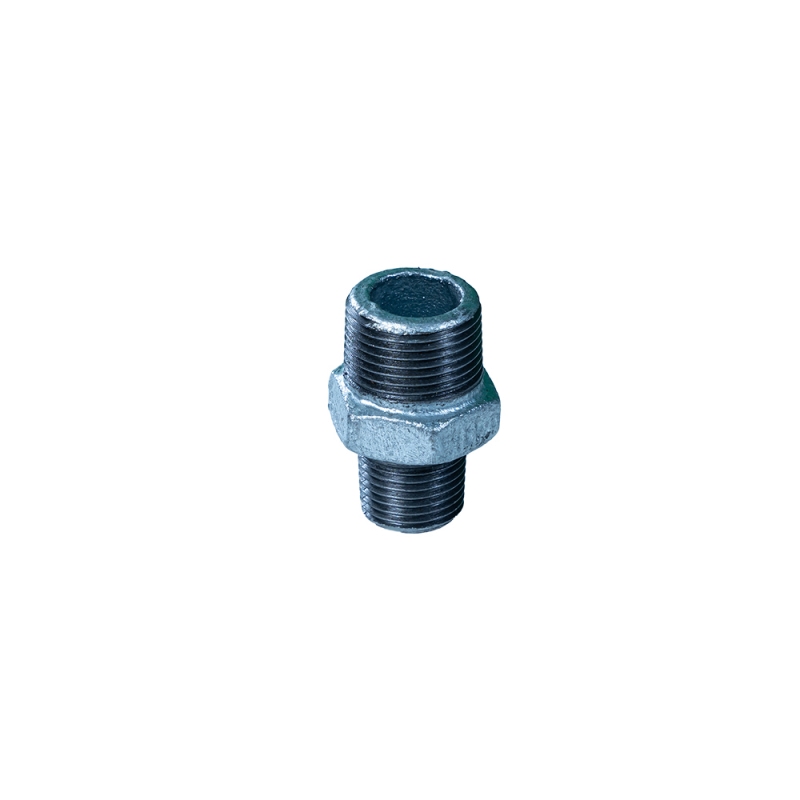
Solution: We supplied a range of hot-dip galvanized class 300 malleable iron fittings, including reducing nipples and elbows, conforming to ASME B16.3 and ASTM A153 standards. Our engineering team provided on-site consultation for installation best practices.
Outcome: Over three years since installation, the utility has reported zero failures related to the fittings. Leakage rates in the upgraded sections have dropped by 95%, leading to substantial savings in water loss and maintenance labor. The project manager noted, "The reliability and ease of installation of Pannext's class 300 fittings were outstanding. We now specify these fittings for all our high-pressure upgrades."
Case Study 2: Chemical Processing Plant Expansion
Challenge: A specialty chemical manufacturer required fittings for a new process line handling a mildly corrosive solvent at 280 PSI and 180°F. The client needed fittings with exceptional chemical resistance and guaranteed pressure integrity to prevent costly downtime and environmental risks.
Solution: Working closely with the client's engineering team, we provided custom-coated class 300 pipe fittings. These were standard malleable iron fittings, hot-dip galvanized, and then further treated with a specialized internal epoxy lining to enhance resistance to the specific solvent. Each batch underwent independent third-party testing for coating adhesion and pressure performance.
Outcome: The customized fittings performed flawlessly, surpassing the client's expectations for both chemical resistance and operational stability. The plant manager commented, "Pannext's willingness to provide a custom-engineered solution and their rigorous quality control gave us the confidence we needed for this critical application. The fittings have significantly contributed to the safety and efficiency of our new production line." This successful collaboration highlights our capability to deliver precise solutions for complex industrial challenges.
Frequently Asked Questions (FAQ)
Q: What does "Class 300" signify for pipe fittings?
A: "Class 300" refers to the pressure rating of the fitting. For non-shock water, oil, or gas (WOG) service at ambient temperatures, it typically means the fitting is rated for 300 pounds per square inch (PSI). For steam service, the pressure rating is usually lower at elevated temperatures, often 150 PSI at 450°F (232°C) as per ASME B16.3.
Q: Are 300 malleable iron fittings suitable for corrosive environments?
A: Standard black malleable iron fittings have limited corrosion resistance. However, hot-dip galvanized class 300 malleable iron fittings offer significantly improved corrosion protection, making them suitable for many outdoor and moderately corrosive environments. For highly aggressive chemicals, specialized coatings or alternative materials may be recommended.
Q: What is the typical lead time for custom class 300 pipe fittings orders?
A: For standard inventory items, lead times can be as short as 1-2 weeks. For custom orders involving specific coatings, dimensions, or significant quantities, lead times typically range from 4 to 8 weeks, depending on complexity and current production schedules. We provide precise estimates upon order confirmation.
Q: What warranty do you offer on class 300 pipe fittings?
A: We offer a comprehensive warranty against manufacturing defects and material faults for a period of 12 months from the date of shipment or 18 months from the date of purchase, whichever comes first. This warranty reflects our confidence in the quality and durability of our products, including our class 300 pipe fittings pressure rating performance.
Lead Time, Warranty, and Customer Support
We understand that in B2B transactions, logistical efficiency and robust support systems are as crucial as product quality. Our commitment extends beyond manufacturing to ensure a seamless experience for our clients.
Lead Time and Fulfillment:
We maintain an optimized inventory for standard class 300 pipe fittings to facilitate rapid dispatch. For common sizes and types, typical lead times are 1-2 weeks for domestic shipments and 3-5 weeks for international orders, depending on destination and customs. For bespoke or high-volume orders, detailed production schedules are provided and rigorously adhered to. Our advanced logistics network, coupled with strategic warehousing, aims to minimize transit times and ensure on-time delivery, supporting your project timelines.
Warranty Commitments:
All our class 300 malleable iron fittings are backed by a comprehensive 12-month warranty against defects in material and workmanship, starting from the date of shipment. This warranty underscores our confidence in the integrity and longevity of our products. We ensure that our fittings meet or exceed all specified industry standards and performance benchmarks, including the rated class 300 pipe fittings pressure rating. Full warranty details are available upon request and provided with every order.
Dedicated Customer Support:
Our B2B clients receive dedicated support from a team of experienced technical professionals. From initial consultation and product selection to post-installation queries, our support channels are designed for responsiveness and expertise. We offer:
- Technical Assistance: Expert guidance on specifications, applications, and installation.
- Order Tracking: Real-time updates on your order status and shipping.
- After-Sales Service: Prompt resolution of any issues, including warranty claims and replacements.
Our goal is to build long-term partnerships through consistent product quality and unparalleled service. Reach out to our customer service team via phone, email, or our dedicated B2B portal for any inquiries.
Conclusion
The selection of high-quality pipe fittings is a foundational element for the success and safety of any industrial fluid conveyance system. Class 300 pipe fittings, particularly those made from malleable iron, represent a pinnacle of engineering excellence, offering unmatched durability, pressure handling capabilities, and resistance to environmental factors. By adhering to rigorous manufacturing standards, providing comprehensive technical specifications, and offering bespoke solutions, leading manufacturers ensure that these fittings not only meet but exceed the demanding requirements of modern industrial applications. Investing in such components safeguards operational integrity, enhances system longevity, and ultimately drives greater efficiency and cost-effectiveness for B2B enterprises worldwide.
References
- ASME B16.3: Malleable Iron Threaded Fittings. American Society of Mechanical Engineers.
- ASTM A197/A197M-00: Standard Specification for Cupola Malleable Iron. ASTM International.
- ISO 7-1: Pipe threads where pressure-tight joints are made on the threads — Part 1: Dimensions, tolerances and designation. International Organization for Standardization.
- API 570: Piping Inspection Code: In-service Inspection, Rating, Repair, and Alteration of Piping Systems. American Petroleum Institute.
Post time: Sep-09-2025