
Understanding 3/8 NPT Fittings: A Comprehensive Guide
When working with fluid or gas transfer systems, choosing the right fitting is crucial for ensuring a secure, leak-proof connection. 3/8 NPT fittings are a common choice in numerous industries due to their reliability and compatibility. This article provides a deep dive into 3/8 NPT fittings, covering their specifications, applications, materials, installation, and benefits. We'll explore why these fittings are a preferred choice for professionals seeking robust and dependable connections.

What is a 3/8 NPT Fitting?
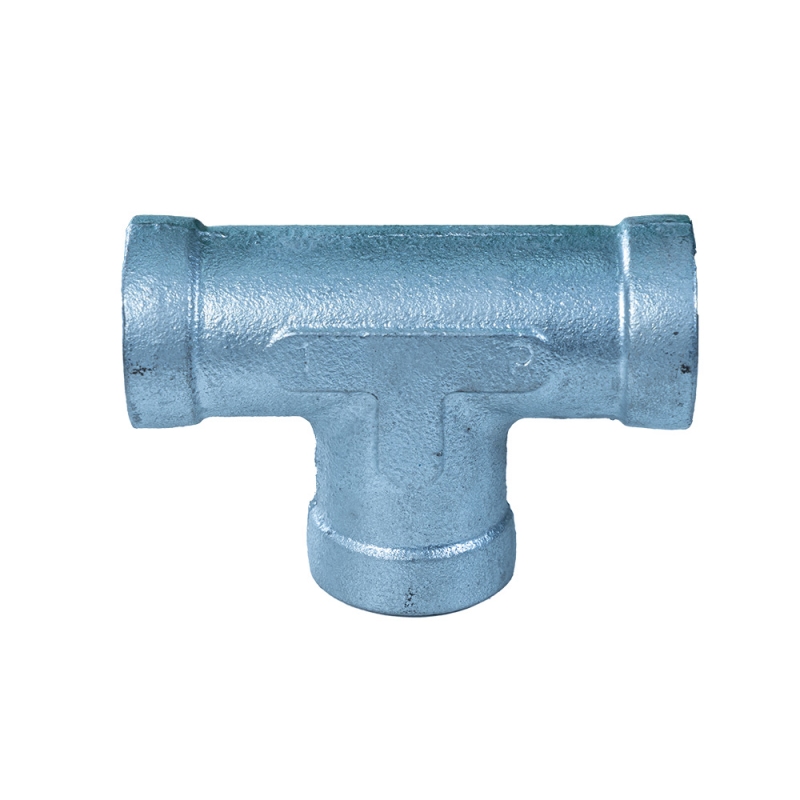
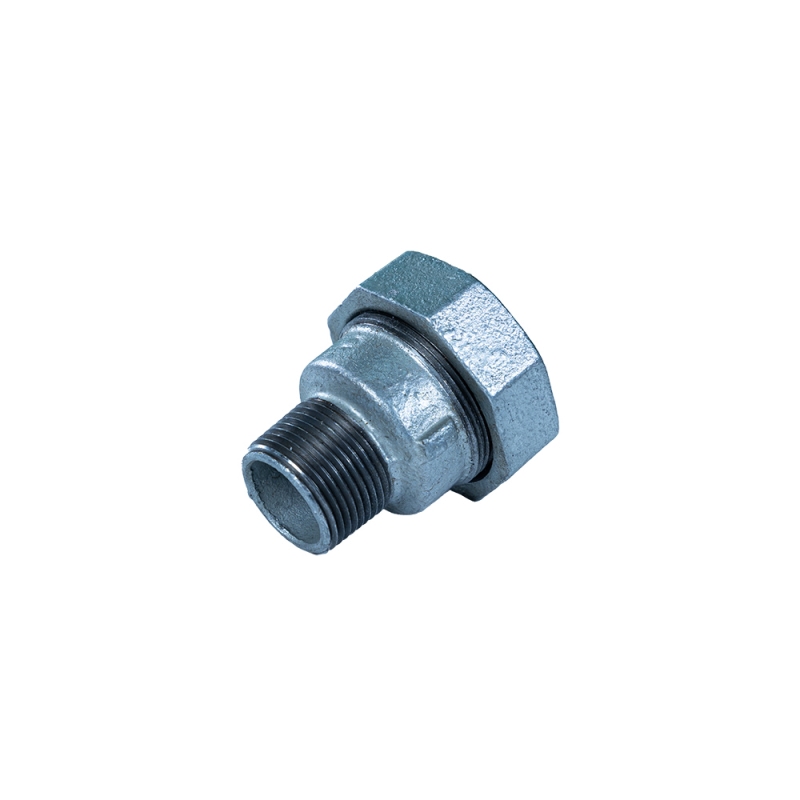
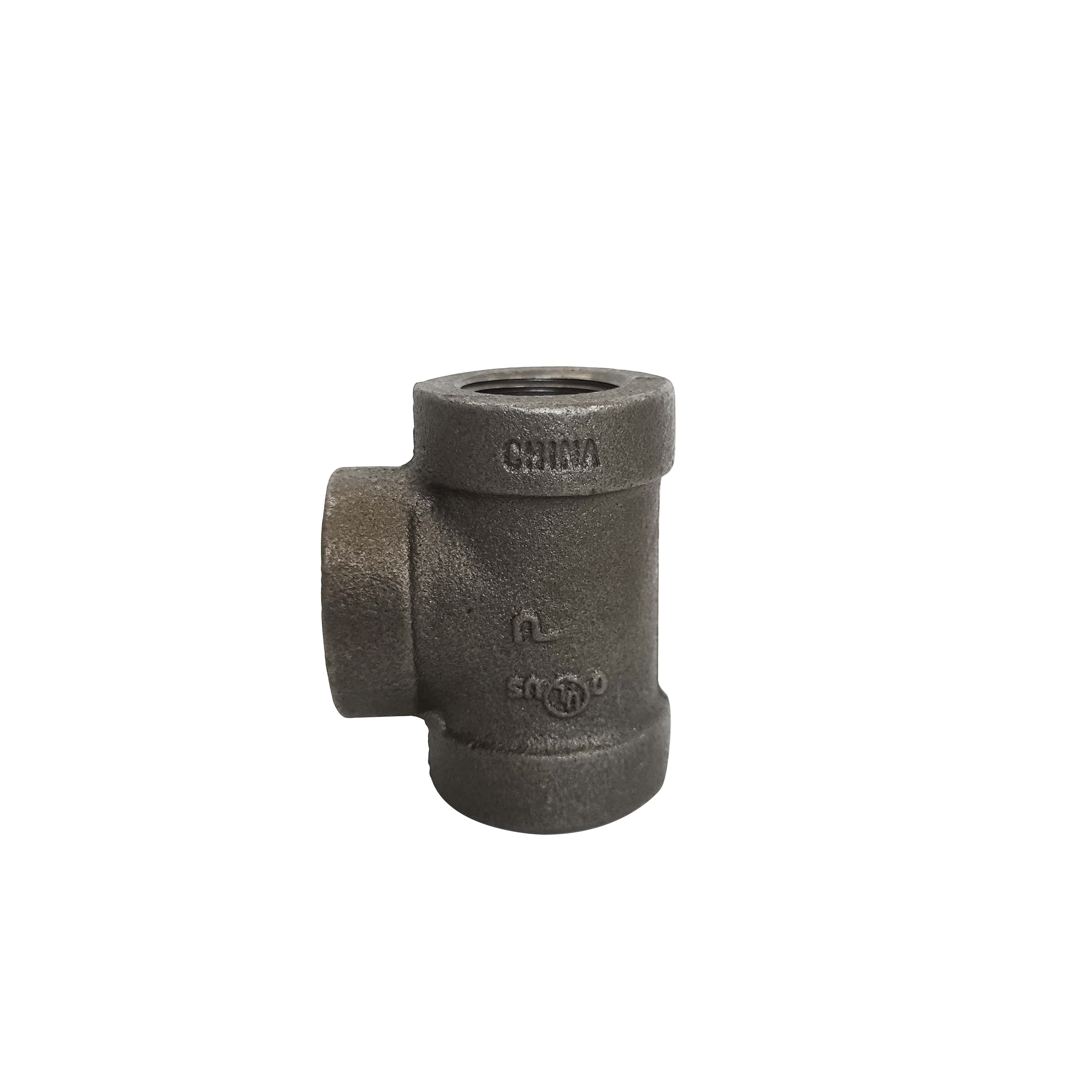
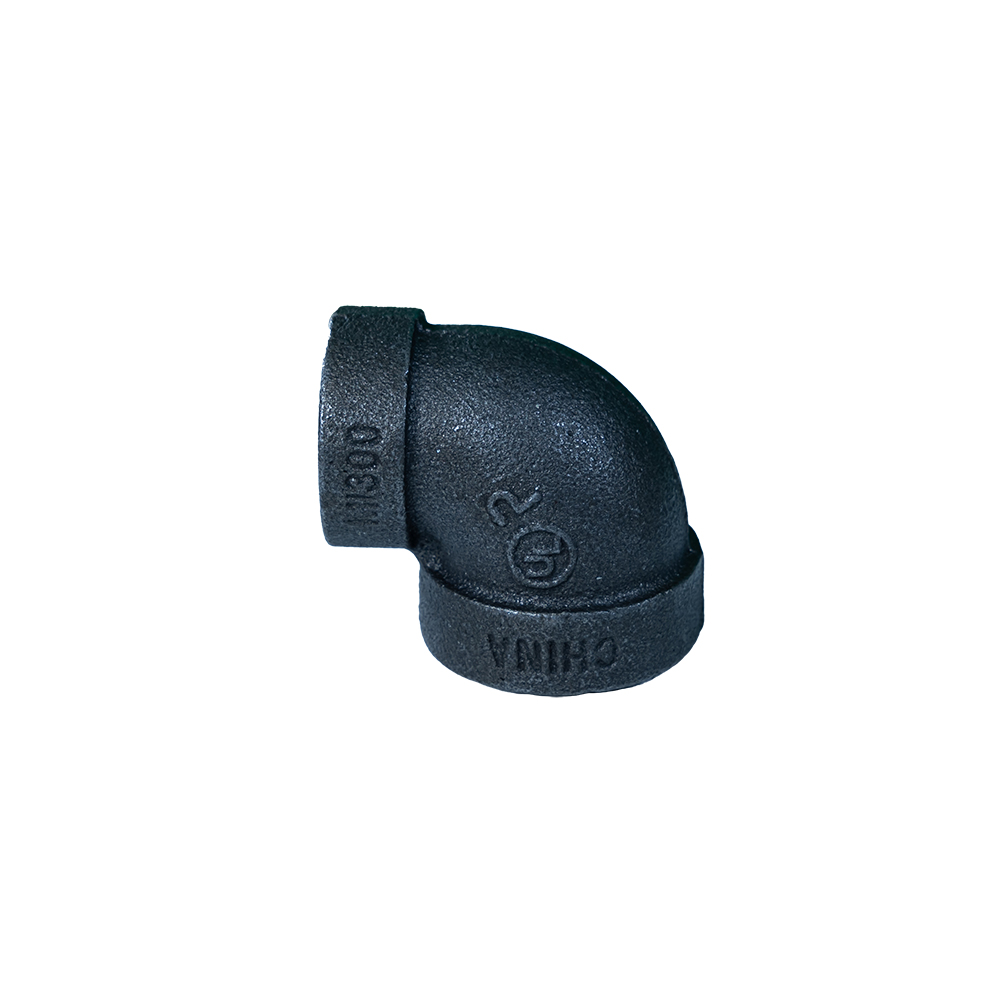
NPT stands for National Pipe Tapered. A 3/8 NPT fitting has a 3/8 inch nominal diameter and features tapered threads. This taper is crucial because it allows the fitting to create a mechanical seal when tightened, eliminating the need for additional sealing compounds in many applications. The tapered threads wedge tightly together, forming a strong, leak-resistant joint. Pannex Fittings offers a wide selection of high-quality 3/8 NPT fittings for various needs.
Key Highlights: 3/8 NPT fittings use tapered threads to create a mechanical seal, offering a reliable and leak-proof connection suitable for diverse applications.
Applications of 3/8 NPT Fittings
3/8 NPT fittings are incredibly versatile and find use in a wide array of industries. Common applications include: pneumatic systems, hydraulic systems, gas lines (natural gas, propane), water lines, instrumentation, and automotive applications. They're frequently used in manufacturing, oil and gas, chemical processing, and automotive repair. Because of their ability to withstand high pressures and temperatures, they're also found in demanding industrial settings.
Common Industries Utilizing 3/8 NPT Fittings:
• Oil and Gas
• Automotive
• Manufacturing
• Pneumatics and Hydraulics
Material Options for 3/8 NPT Fittings
3/8 NPT fittings are available in a variety of materials to suit different operating conditions and fluid compatibility requirements. Common materials include: Brass, Stainless Steel (304, 316), Carbon Steel, and Plastic (like Nylon or Polypropylene). Brass fittings are suitable for general-purpose applications. Stainless steel offers superior corrosion resistance, making it ideal for harsh environments. Carbon steel is a strong and economical choice for many applications, but it may require protective coatings to prevent corrosion. Plastic fittings are lightweight and resistant to many chemicals.
Proper Installation of 3/8 NPT Fittings
Correct installation is vital for a leak-proof connection. First, ensure the threads on both the fitting and the pipe are clean and free of debris. Applying a thread sealant (Teflon tape or pipe dope) is generally recommended, though often not necessary with the tapered NPT design, it can add an extra layer of security. Wrap the Teflon tape clockwise around the male threads, overlapping each wrap. Tighten the fitting firmly with a wrench, but avoid over-tightening, as this can damage the threads.
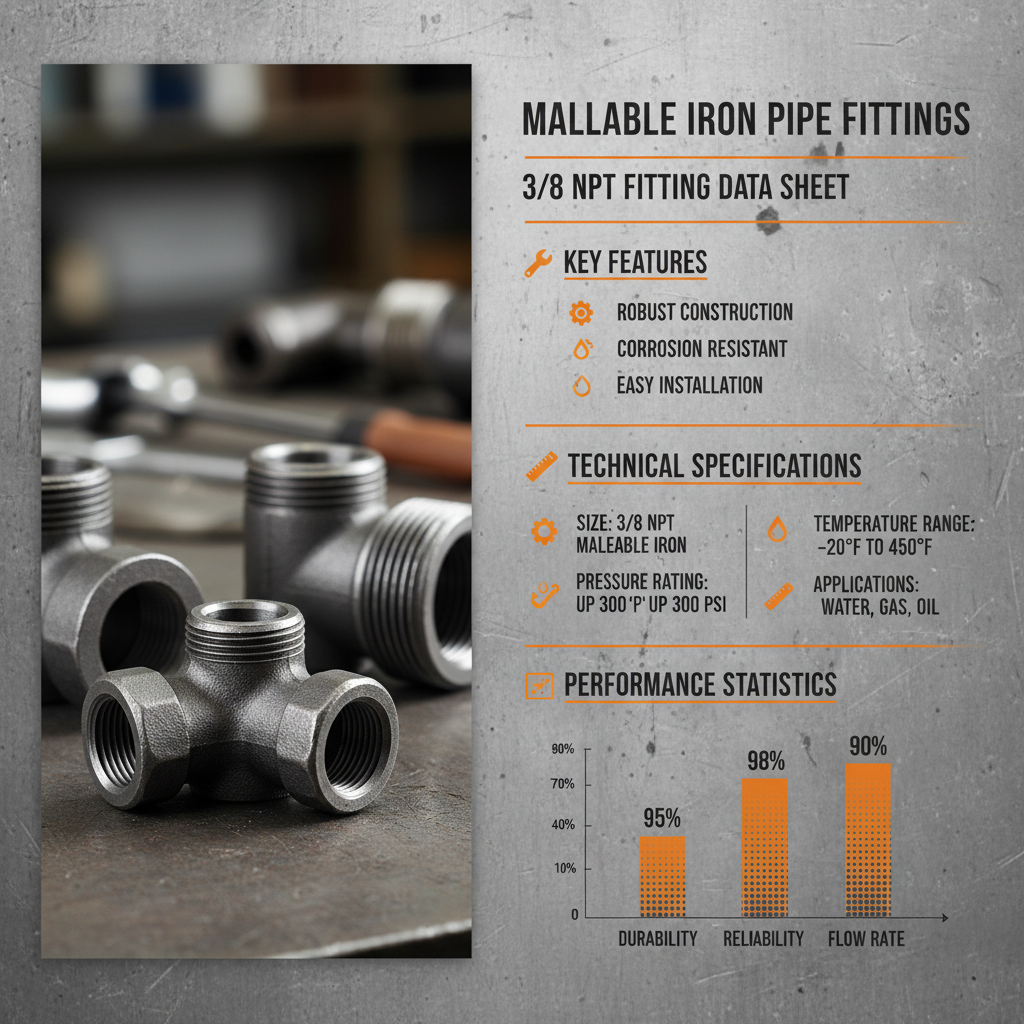
Benefits of Using 3/8 NPT Fittings
Choosing 3/8 NPT fittings offers numerous advantages: reliable leak-proof connections, wide availability, compatibility with numerous materials, and relatively easy installation. Their standardized design makes them easily replaceable and readily available from suppliers like Pannex Fittings. They are a cost-effective solution for a vast range of applications.
Conclusion: A Versatile and Reliable Connection
3/8 NPT fittings are a cornerstone of many fluid and gas systems, offering a blend of reliability, affordability, and versatility. Whether you’re in manufacturing, automotive, or another industry, understanding the benefits and proper installation of these fittings is crucial for ensuring safe and efficient operations. Pannex Fittings provides the quality and selection you need for your specific application.
Frequently Asked Questions (FAQs)
What is the difference between NPT and NPS fittings?
NPT (National Pipe Tapered) and NPS (National Pipe Straight) are two common thread types for pipe fittings. The key difference is the thread design. NPT has tapered threads, creating a mechanical seal when tightened. NPS has straight threads and requires a separate sealing method like a gasket or O-ring to prevent leaks. NPT is generally used for sealing fluids and gases, while NPS is often used for mechanical connections where sealing is achieved with other components. It's crucial to use the correct fitting type for your application to ensure a reliable connection.
Can I reuse Teflon tape on an NPT fitting?
While technically possible, it’s generally not recommended to reuse Teflon tape. With each tightening, the tape compresses and loses its sealing properties. Using fresh Teflon tape ensures a better seal. If you attempt to reuse tape, make sure to remove any old, damaged pieces and apply a new, complete wrap. It’s a small investment that can prevent costly leaks.
What torque should I use when tightening a 3/8 NPT fitting?
The correct torque for tightening a 3/8 NPT fitting depends on the material of the fitting and the pipe. As a general guideline, tighten the fitting firmly until snug, then add a further quarter to half turn. Avoid over-tightening, which can damage the threads and create leaks. Specific torque recommendations may be available from the fitting manufacturer, so always refer to their documentation when possible. Using a torque wrench ensures consistent and accurate tightening.
Post time: Mar-04-2026