
Understanding NPT Couplings: A Comprehensive Guide
NPT (National Pipe Thread) couplings are essential components in a wide range of industries, facilitating secure connections for pipes and fittings. These couplings are widely used in applications involving fluids, gases, and pressure systems. Understanding their functionality, types, and proper application is critical for ensuring safe and efficient operation. Pannext Fittings offers a comprehensive range of high-quality NPT couplings designed to meet diverse industrial needs. Selecting the right NPT coupling is paramount for preventing leaks and ensuring the integrity of your system.

What are NPT Couplings?
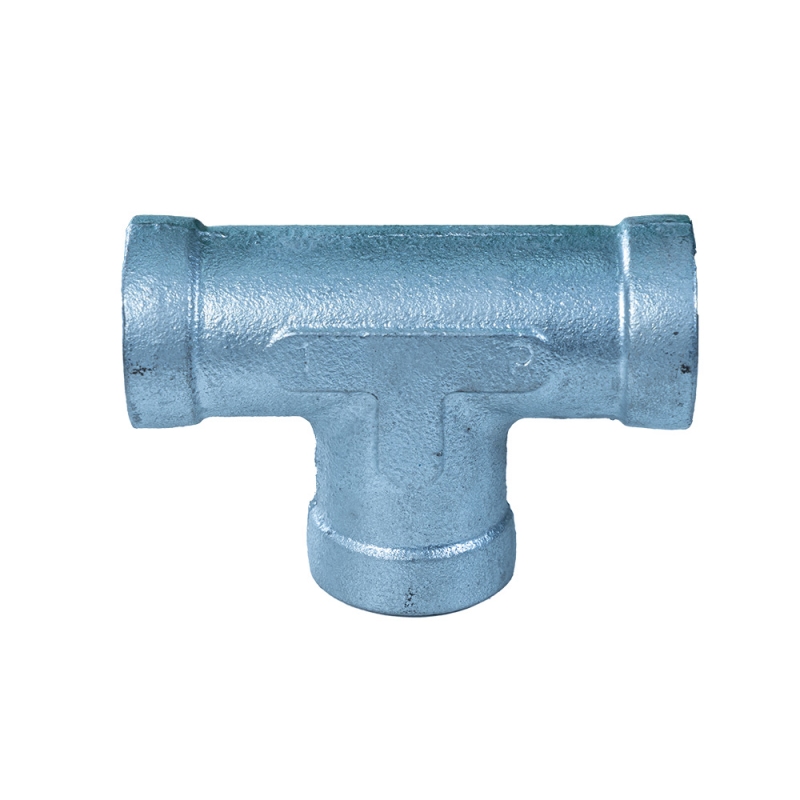
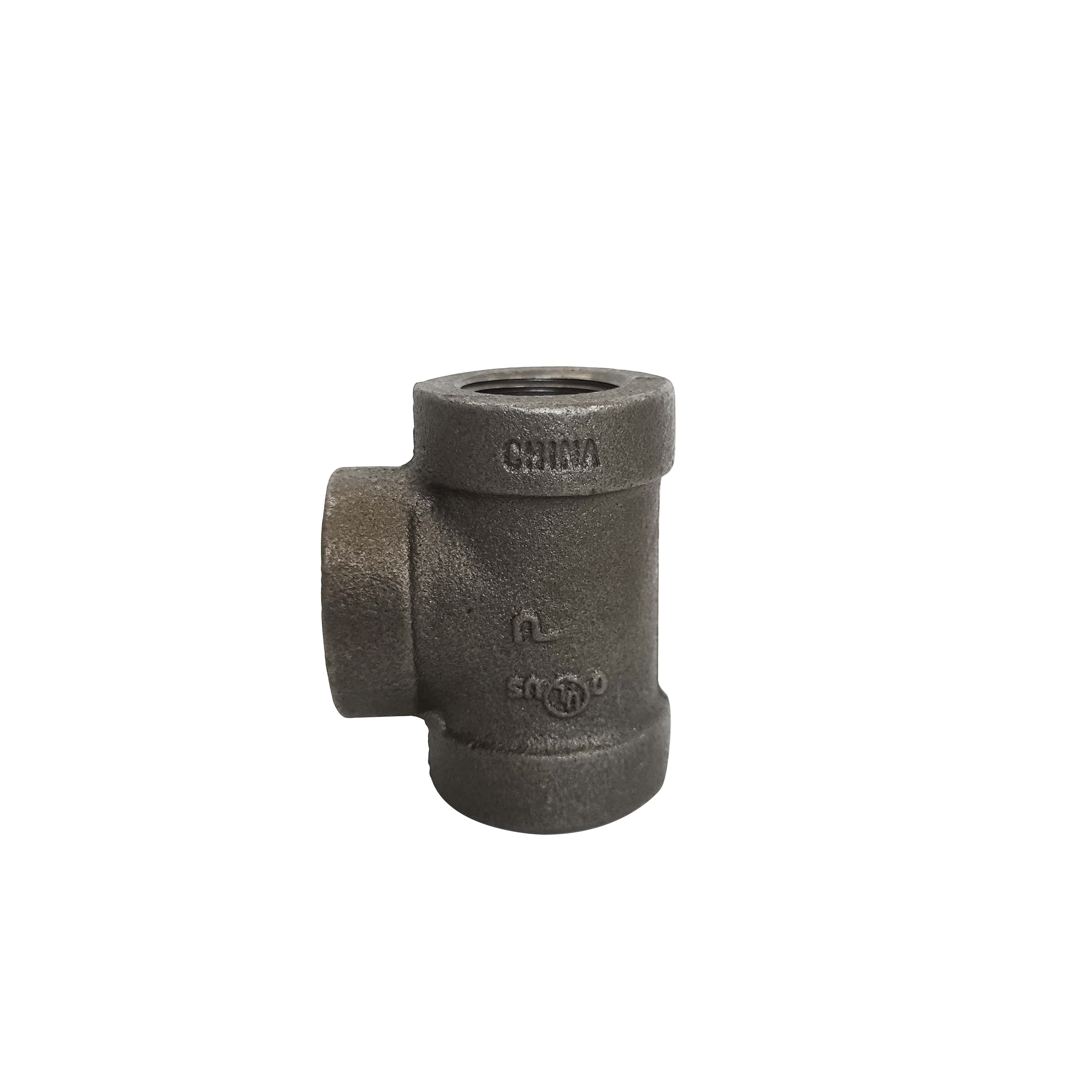
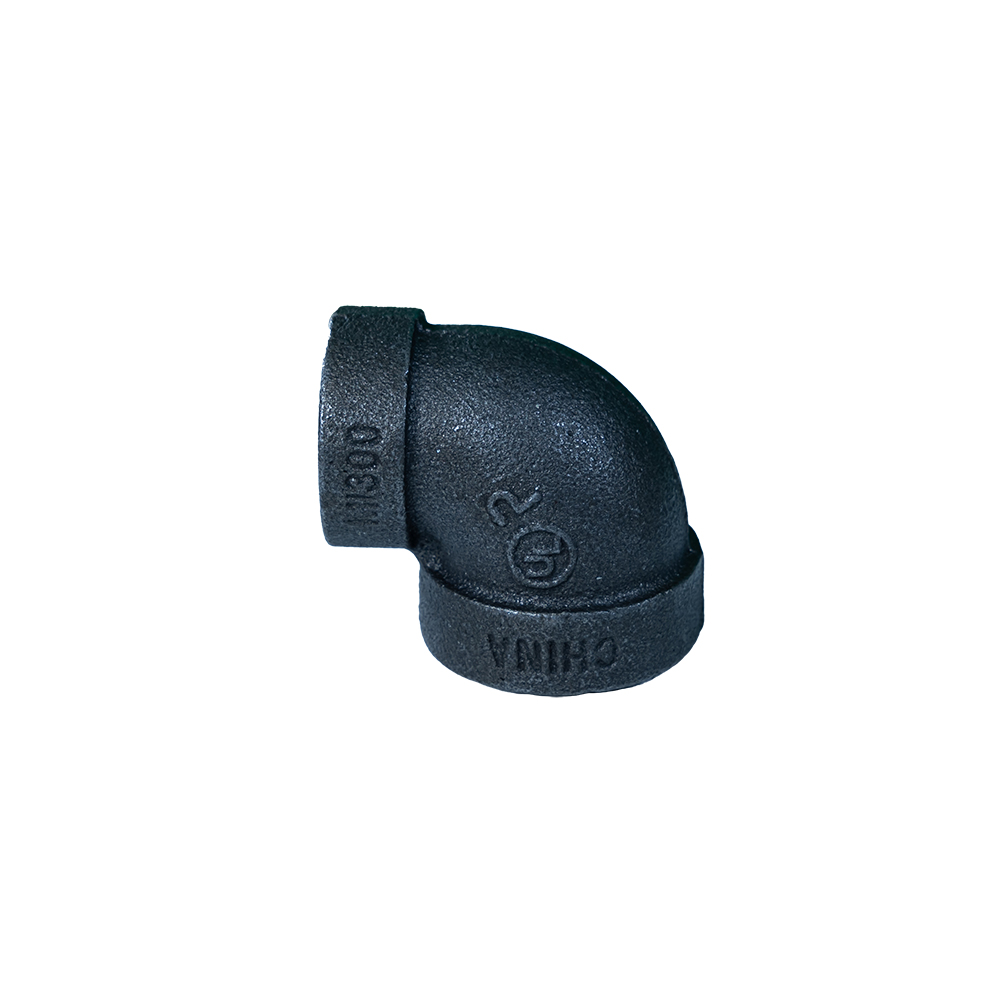
NPT couplings are a type of threaded connector used to join two pipes or fittings together. The 'NPT' designation refers to a specific tapered thread standard developed in the United States. The taper is crucial; as the coupling is tightened, the threads compress and create a pressure-tight seal. It's vital to understand that NPT threads are not parallel, requiring a tapered thread engagement for a proper seal. These couplings are available in various materials like stainless steel, brass, carbon steel, and plastic, each suited for different applications and fluid compatibility. Choosing the appropriate material based on the fluid and operating temperature is crucial for long-term performance and preventing corrosion.
Key Highlights: NPT couplings create a pressure-tight seal through tapered threads, available in various materials to suit different applications. Proper selection and installation are crucial for preventing leaks.
Types of NPT Couplings
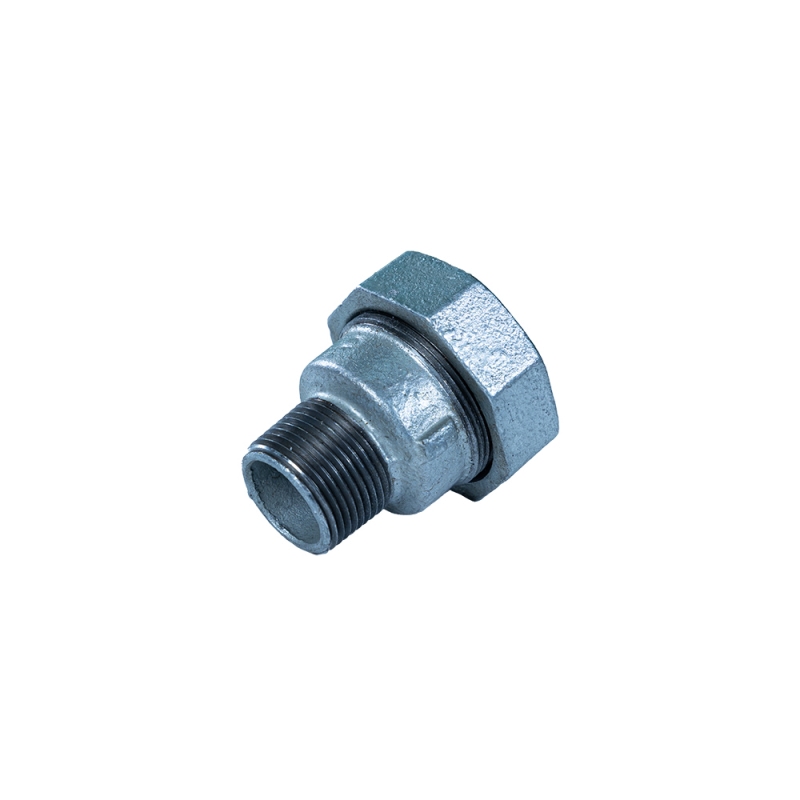
Several types of NPT couplings cater to different connection needs. Common types include:
- Straight Couplings: Used to connect two pipes of the same size in a straight line.
- Reducing Couplings: Join two pipes of different sizes, effectively reducing the pipe diameter.
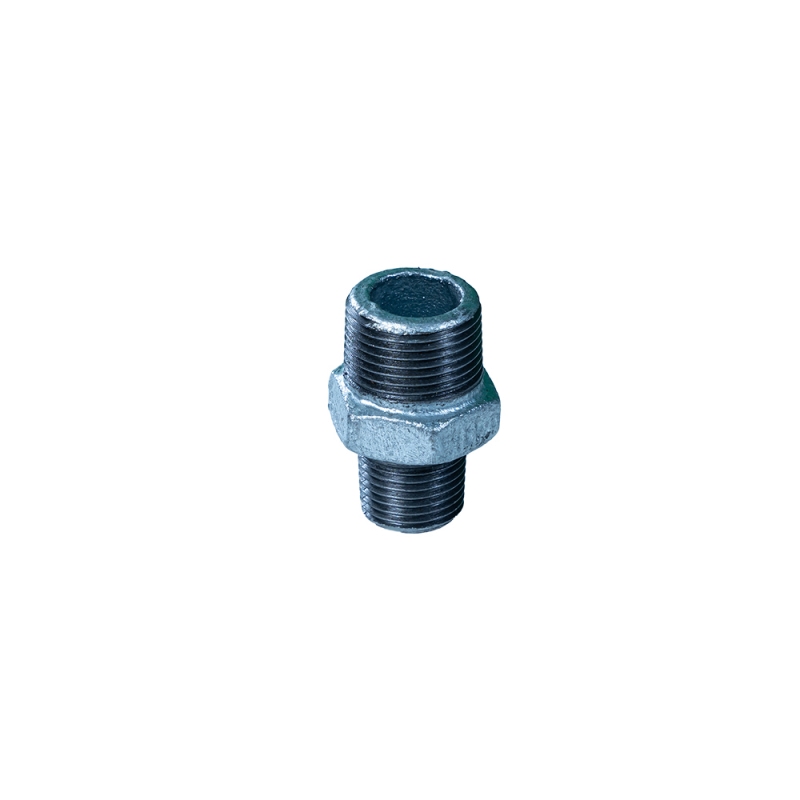
- Nipple Couplings: Short lengths of pipe with NPT threads on both ends, often used in tight spaces.
- Swivel Couplings: Allow for rotational movement between connected pipes, helpful where flexibility is needed.
The selection of the appropriate coupling type depends on the specific application and the desired connection configuration. For example, a reducing coupling is ideal for transitioning between different pipe sizes, while a swivel coupling provides flexibility in dynamic systems.
NPT Coupling Types:
• Straight Couplings: Connect pipes of the same size.
• Reducing Couplings: Connect pipes of different sizes.
• Nipple Couplings: Used in tight spaces.
• Swivel Couplings: Allow rotational movement.
NPT vs. Other Thread Types
While NPT is common, other thread types exist, such as BSPT (British Standard Pipe Taper) and NPS (National Pipe Straight). It's crucial to understand the differences. NPT and BSPT have different thread angles and pitches, making them incompatible. NPS threads are straight, requiring a sealing compound or gasket to prevent leaks. Using the wrong thread type can lead to connection failure and potential safety hazards. Always verify the thread standard before connecting fittings. Pannext Fittings specializes in NPT couplings but can also assist with understanding the nuances of other thread types.
Applications of NPT Couplings
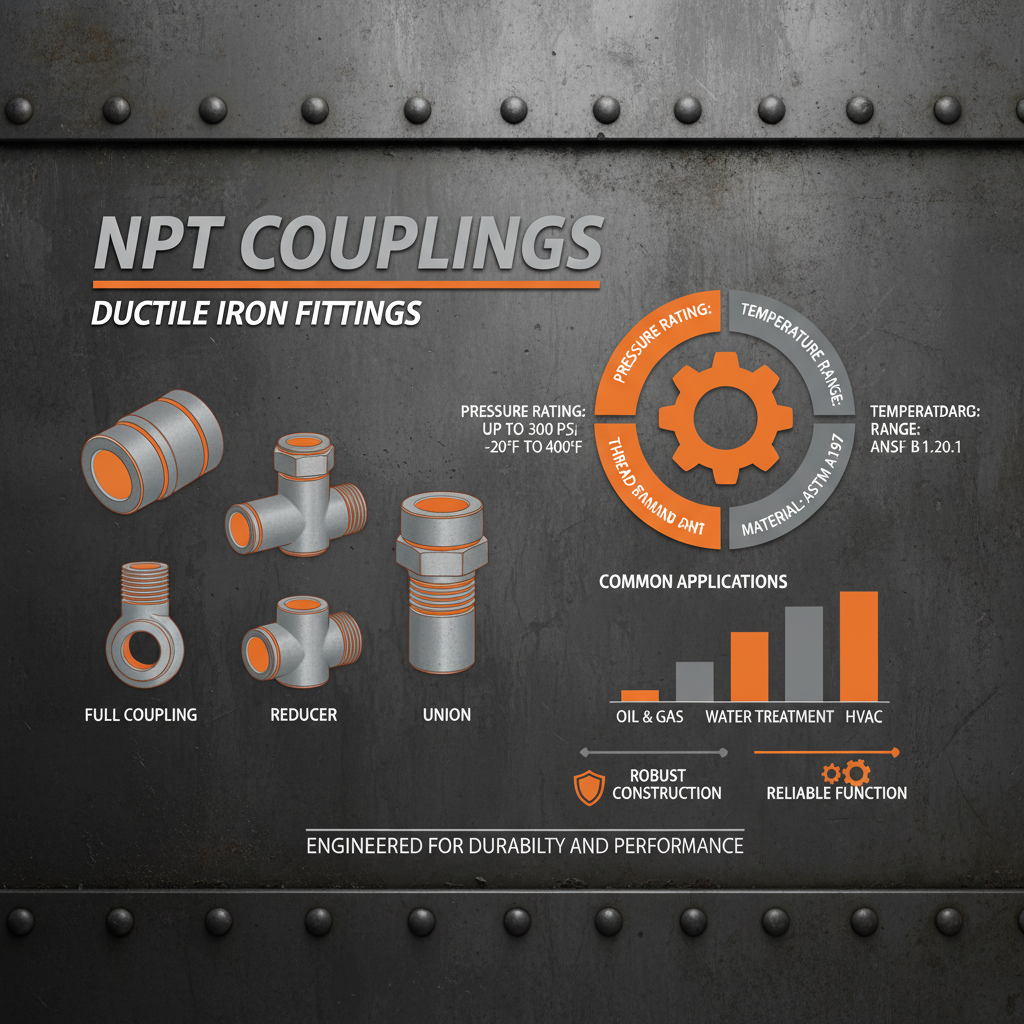
NPT couplings find extensive use across numerous industries, including:
- Plumbing: Connecting pipes for water and gas lines.
- Oil and Gas: Securely joining pipes in oil refineries and gas pipelines.
- Chemical Processing: Handling corrosive chemicals with appropriate material couplings.
- Automotive: Connecting fuel lines and hydraulic systems.
- Industrial Manufacturing: Various applications in machinery and equipment.
The versatility and reliability of NPT couplings make them a go-to solution for a wide array of fluid and gas transfer applications. Selecting the correct material based on the fluid being transferred is vital.
Proper Installation and Safety Considerations
Correct installation is crucial for preventing leaks and ensuring the longevity of NPT connections. Always use a suitable pipe sealant or Teflon tape (PTFE tape) to aid in creating a watertight seal. Avoid over-tightening, as this can damage the threads. When tightening, apply even pressure to prevent cross-threading. Pannext Fittings provides detailed installation guides and resources to assist with proper application. Always follow safety guidelines when working with pressurized systems.
Conclusion: Choosing the Right NPT Coupling
Selecting the right NPT coupling from Pannext Fittings is crucial for ensuring the safety and efficiency of your fluid and gas systems. Understanding the different types, thread standards, and proper installation techniques will help you make informed decisions. Invest in quality couplings and prioritize safety for reliable performance and long-term peace of mind.
Frequently Asked Questions (FAQs)
What is the best sealant to use with NPT couplings?
PTFE (Teflon) tape is the most commonly recommended sealant for NPT couplings. It’s chemically inert, provides a good seal, and is relatively inexpensive. Pipe dope (a paste sealant) is also effective, particularly for stubborn connections or when dealing with certain fluids. Avoid using excessive amounts of sealant, as it can contaminate the fluid system. Apply the sealant in the direction of the thread, ensuring it covers the male threads completely.
Can NPT couplings be reused?
Yes, NPT couplings can often be reused, but it's important to inspect them carefully before reinstallation. Check for damaged threads, corrosion, or any signs of wear. If the threads are damaged, the coupling should be replaced. When reusing a coupling, always clean the threads thoroughly and apply fresh sealant. Repeated use can gradually degrade the threads, so monitor the coupling's condition regularly.
What materials are NPT couplings typically made from?
NPT couplings are commonly manufactured from materials like carbon steel, stainless steel (304, 316), brass, and various plastics (PVC, polypropylene). Carbon steel is a cost-effective option for general applications. Stainless steel offers superior corrosion resistance, making it suitable for harsh environments. Brass is often used for potable water systems. The choice of material depends on the fluid being conveyed, the operating temperature, and the desired level of corrosion resistance.
How do I identify the correct NPT coupling size?
NPT coupling size is determined by the nominal pipe size (NPS). This refers to the internal diameter of the pipe. The coupling should match the NPS of the pipes it’s connecting. Sizes are typically marked on the coupling itself. Measuring the outer diameter of the pipe is not sufficient to determine the NPS. Always refer to the pipe's specifications or markings to ensure you select the correct coupling size. Pannext Fittings offers assistance with sizing and selection.
Post time: Mar-19-2026