
Understanding the 45 Degree 2 Inch Elbow: A Comprehensive Guide
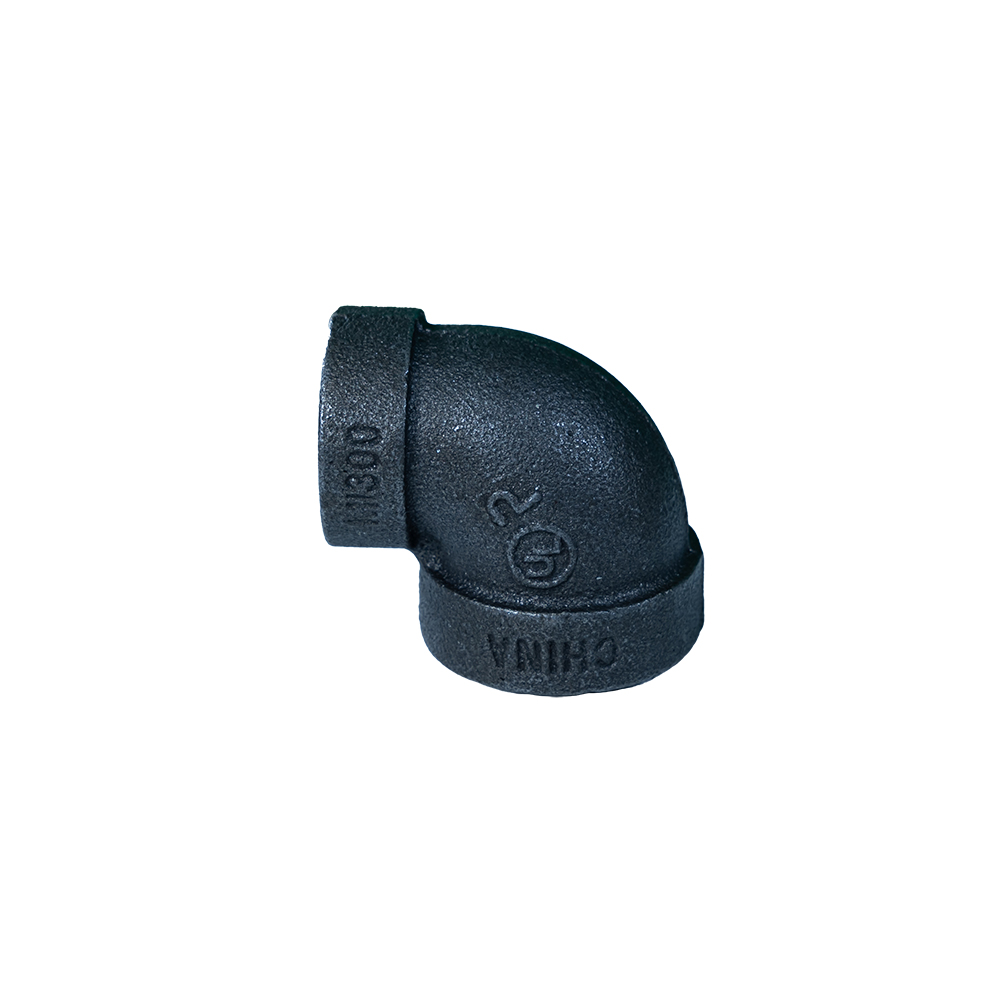
When designing or maintaining fluid or gas piping systems, the 45-degree 2 inch elbow is a crucial component. This fitting allows for a change in direction while minimizing flow restriction compared to a 90-degree elbow. At Pannext Fittings, we specialize in providing high-quality pipe fittings, including a diverse range of 45-degree elbows. This article will provide an in-depth look at these elbows, covering applications, materials, specifications, and factors to consider when making a purchase. Properly selecting and installing a 45 degree 2 inch elbow is vital for system efficiency and longevity.
Applications of a 45 Degree 2 Inch Elbow
The 45-degree 2 inch elbow finds applications in numerous industries, including plumbing, HVAC, chemical processing, and irrigation. Its primary function is to connect two pipes at a 45-degree angle. Compared to sharper bends, a 45-degree elbow reduces turbulence and pressure drop, improving system efficiency. It's commonly used in residential and commercial plumbing for drain lines, water supply lines, and ventilation systems. In industrial settings, you'll find them in chemical transfer lines, compressed air systems, and process piping. Its versatility makes it a staple in many engineering designs.
Key Benefits: Reduced flow resistance, easier installation compared to custom bends, readily available in various materials.
Materials Used in 45 Degree 2 Inch Elbow Construction
The material of a 45-degree 2 inch elbow is critical, dictated by the fluid or gas being conveyed, operating temperature, and pressure requirements. Common materials include:
- Carbon Steel: Cost-effective and suitable for general-purpose applications. Often galvanized for corrosion resistance.
- Stainless Steel: Provides excellent corrosion resistance, making it ideal for chemical processing, food and beverage, and pharmaceutical applications. Grades like 304 and 316 are frequently used.
- PVC (Polyvinyl Chloride): Lightweight, economical, and corrosion-resistant. Commonly used in irrigation, drainage, and low-pressure applications.
- CPVC (Chlorinated Polyvinyl Chloride): Offers higher temperature resistance than PVC, making it suitable for hot water applications.
- PEX (Cross-linked Polyethylene): Flexible and resistant to freezing. Popular for residential plumbing and radiant heating systems.
Choosing the Right 45 Degree 2 Inch Elbow for Your Application
Selecting the correct elbow requires careful consideration of several factors. First, determine the material compatibility with the fluid or gas. Second, verify the pressure rating of the elbow matches or exceeds the system's operating pressure. Third, consider the connection type – threaded, welded, or socket weld – ensuring compatibility with your piping. Finally, check the elbow's dimensions to confirm it fits seamlessly into your existing piping layout. At Pannext Fittings, we can help guide you through this selection process to ensure optimal performance and safety.
Key Selection Criteria:
• Material Compatibility
• Pressure Rating
• Connection Type
• Dimensional Accuracy
Comparison of Common 45 Degree 2 Inch Elbow Materials
Here's a quick comparison of some commonly used materials to help you decide which is best for your project:
Installation Best Practices
Correct installation is essential for a leak-proof and reliable connection. Ensure the pipe ends are clean and free of debris. Apply appropriate thread sealant (for threaded connections) or primer and cement (for solvent welding). Tighten connections securely, but avoid over-tightening, which can damage the fitting. Always follow the manufacturer's instructions for installation. Proper support for the piping system is also vital to prevent stress on the elbows and connections.
Conclusion: Investing in Quality Elbows
Selecting the right 45 degree 2 inch elbow is crucial for the performance and longevity of your piping system. At Pannext Fittings, we offer a wide range of high-quality elbows in various materials and configurations. We are committed to providing our customers with the products and support they need to succeed. Choose quality, choose reliability, choose Pannext Fittings.
Frequently Asked Questions (FAQs)
What is the difference between a 45-degree and a 90-degree elbow?
A 45-degree elbow creates a gradual change in direction, resulting in less flow restriction and lower pressure drop compared to a 90-degree elbow. A 90-degree elbow offers a sharper bend, but can increase turbulence and reduce flow efficiency. The choice between the two depends on the specific application and space constraints. For situations where minimizing pressure loss is critical, a 45-degree elbow is generally preferred.
Can a 45-degree elbow be used in place of a 90-degree elbow if space allows?
Yes, a 45-degree elbow can often be used in place of a 90-degree elbow if the layout permits. Using two 45-degree elbows instead of a single 90-degree elbow can reduce flow resistance and noise. However, it will require more space. Consider the overall system design and pressure drop requirements when making this decision.
What is the maximum pressure rating for a 2 inch 45 degree elbow?
The maximum pressure rating depends on the material of the elbow and its construction. Carbon steel elbows typically have higher pressure ratings than PVC or PEX elbows. Always refer to the manufacturer's specifications for the specific elbow you are using. Pannext Fittings provides detailed specifications for all of our products, ensuring you select the correct fitting for your application.
Post time: Jan-30-2026