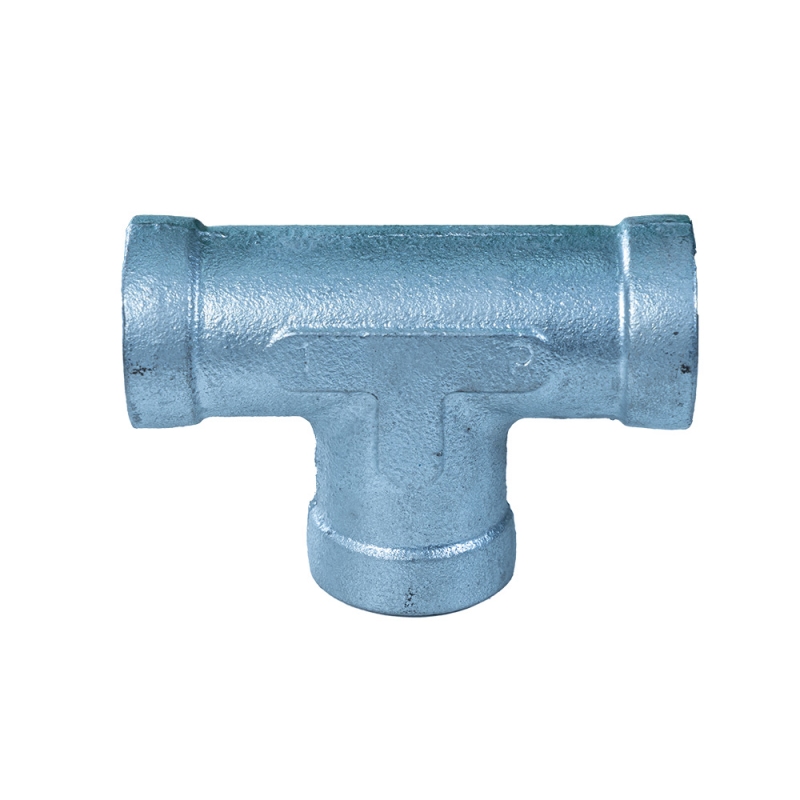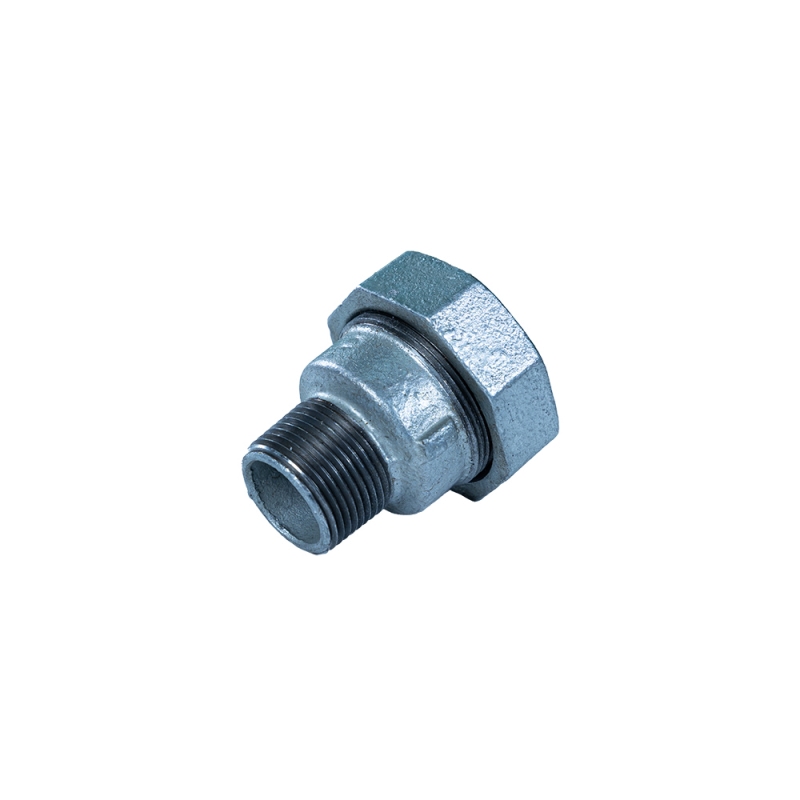

Understanding the Critical Role of 1 1/2 Galvanized Unions in Industrial Systems
In industrial piping infrastructure, the integrity and longevity of connections are paramount. Among the myriad of fittings available, the 1 1/2 galvanized union stands out as a fundamental component, essential for creating robust, maintainable, and corrosion-resistant pipe joints. This detailed guide explores the multifaceted aspects of this critical fitting, from its manufacturing intricacies to its extensive applications across diverse sectors.
Galvanized unions, particularly the 1 1/2 galvanized union, are designed to connect two pipes easily, allowing for convenient disconnection without rotating the pipes. This feature is invaluable for maintenance, repair, or system modifications, distinguishing them from permanent welded or threaded joints that require cutting. Their galvanized coating provides superior protection against rust and corrosion, making them suitable for environments where moisture or corrosive agents are present. The demand for such resilient fittings is consistently high, driven by ongoing infrastructure development and the need for reliable fluid transfer solutions.
Industry Trends and Market Dynamics for Pipe Fittings
The global pipe fittings market is experiencing steady growth, projected to reach over USD 140 billion by 2028, with a Compound Annual Growth Rate (CAGR) of around 5-6%. Key drivers include rapid industrialization, urbanization, and increasing investment in oil & gas, water treatment, and construction sectors. There's a notable shift towards materials offering enhanced corrosion resistance and higher pressure ratings, directly benefiting galvanized products. Furthermore, environmental regulations are pushing manufacturers towards more sustainable production methods and products with extended service lives, reducing waste and resource consumption. The integration of advanced manufacturing techniques like predictive analytics and IoT in production lines is also shaping the future, ensuring higher precision and quality for components like the 1 1/2 galvanized union.
- Emphasis on Longevity: Industries are prioritizing fittings that offer longer service life, reducing the frequency of replacements and associated downtime.
- Sustainability: Demand for fittings manufactured with environmentally responsible processes and materials.
- Smart Manufacturing: Adoption of automation and digital technologies to improve efficiency and quality control.
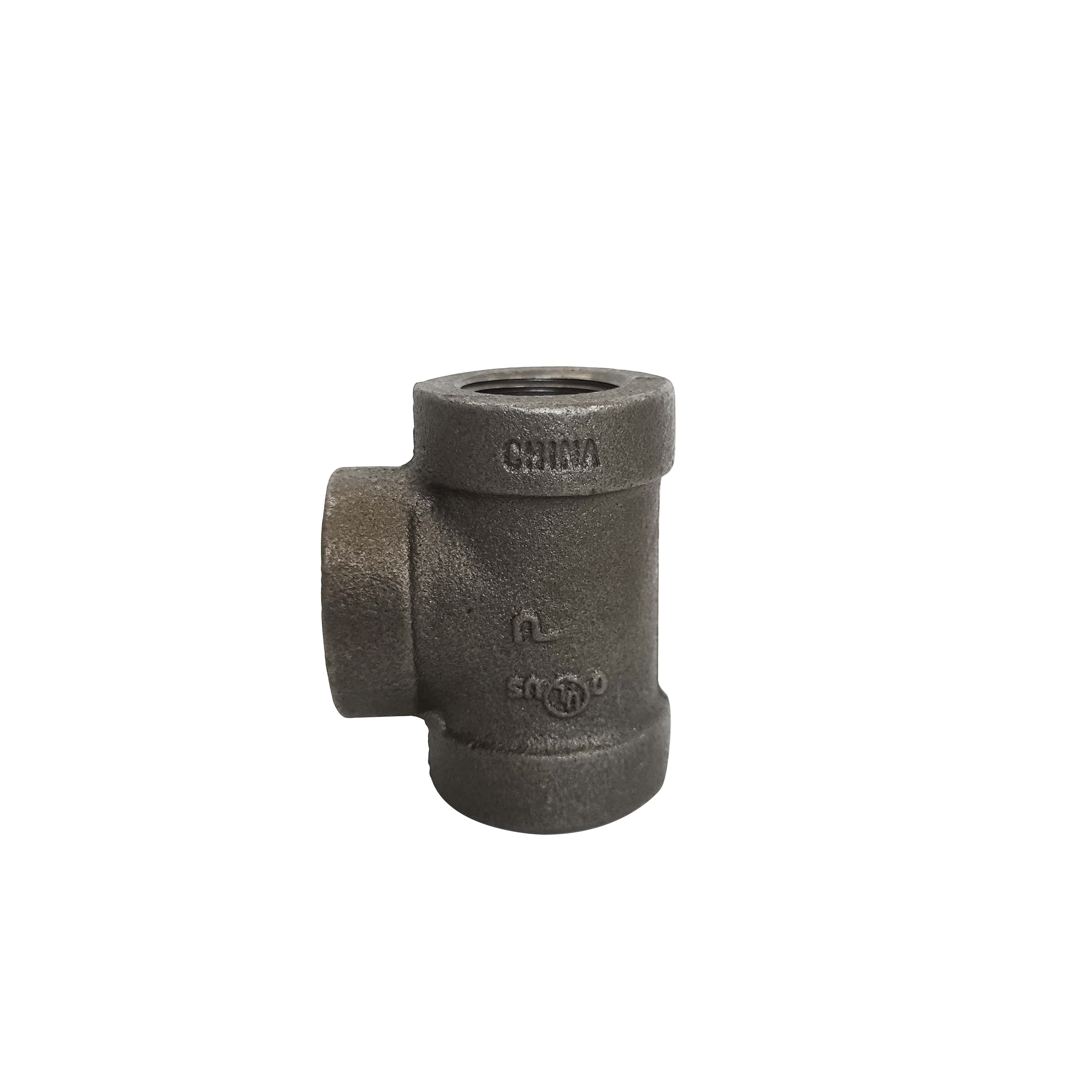
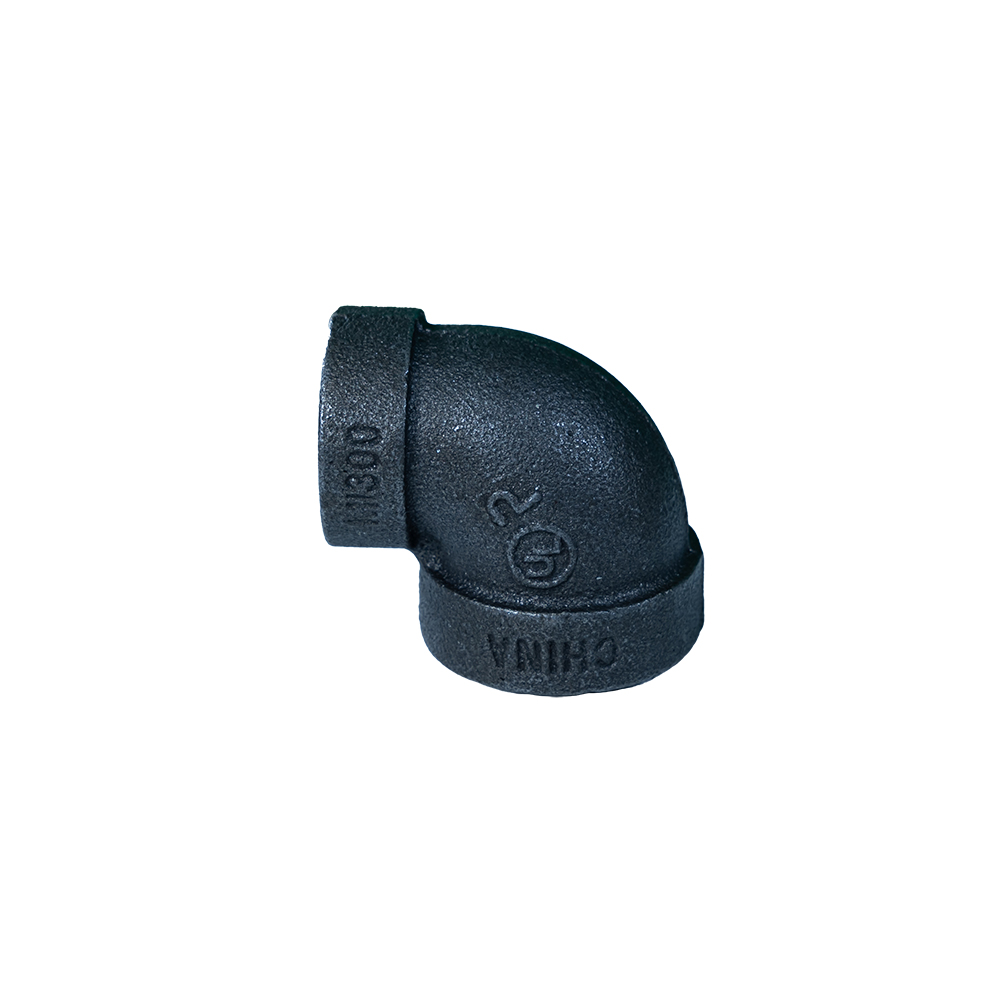
- Diverse Material Needs: While galvanized iron remains strong, there's growing interest in specialized alloys for extreme conditions, alongside solutions like 1 1/4 black iron coupling and 1 1/4 black iron union for specific non-corrosive or lower-pressure applications.
Manufacturing Process: From Raw Material to Robust Union
The production of a high-quality 1 1/2 galvanized union is a multi-stage process, meticulously controlled to ensure adherence to stringent industrial standards. This process typically involves casting, precision machining, and hot-dip galvanization.
Process Flow of a Galvanized Union
- Material Selection and Melting: High-grade malleable cast iron (e.g., ASTM A197) is selected for its excellent machinability and strength. Raw iron, scrap, and alloys are melted in an induction furnace at temperatures exceeding 1400°C.
-
Casting: Molten iron is poured into meticulously prepared sand molds (using methods like green sand molding or shell molding) to form the basic shape of the union components – nut, body, and tailpiece. This stage is critical for achieving the initial structural integrity.
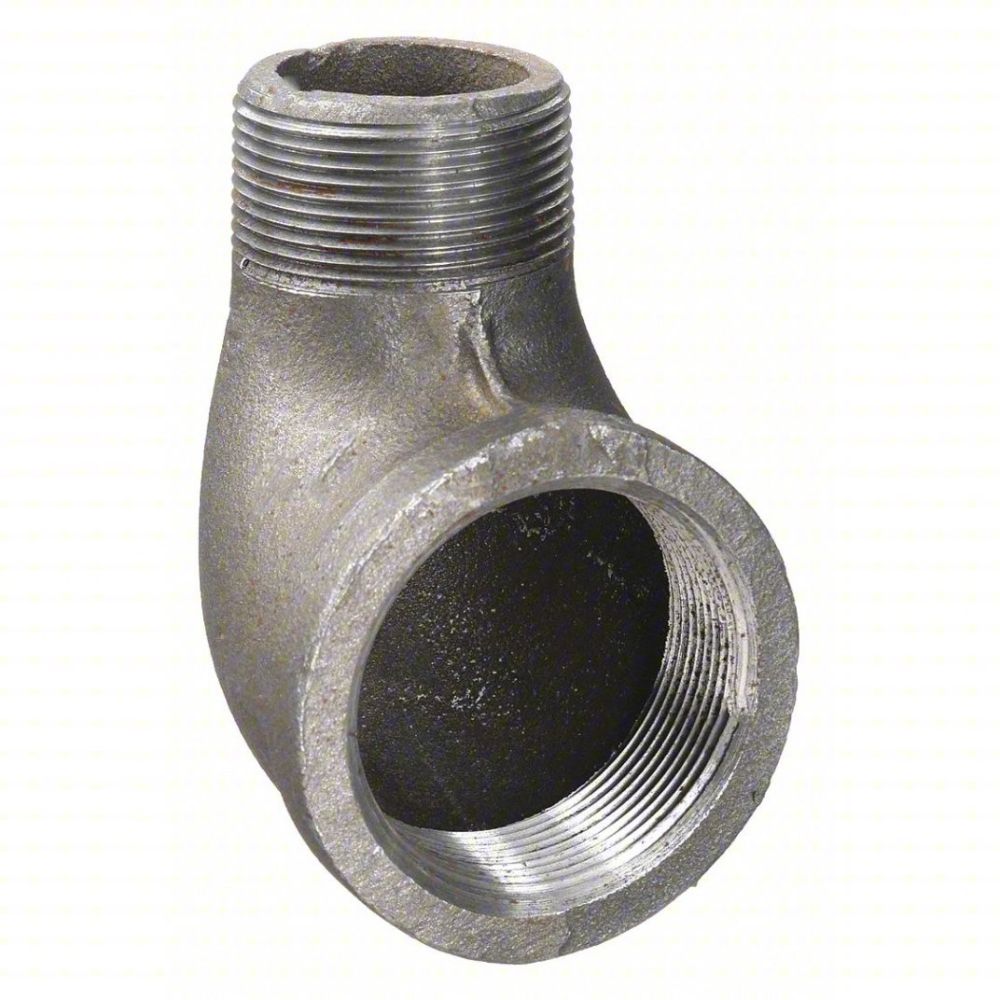
- Fettling and Heat Treatment: After cooling, the rough castings are removed from molds, and excess material (flash, risers) is trimmed in a process called fettling. They then undergo heat treatment (annealing) to improve ductility and reduce internal stresses, making the iron malleable.
- CNC Machining: Precision Computer Numerical Control (CNC) machines bore the internal dimensions, cut the tapered pipe threads (typically NPT – National Pipe Taper, per ANSI B1.20.1), and machine the seating surfaces. This ensures accurate fit, tight sealing, and interchangeability.
- Surface Preparation: Before galvanization, components are thoroughly cleaned. This involves degreasing (alkaline solution), pickling (acid bath to remove rust and scale), and fluxing (zinc ammonium chloride solution to prepare the surface for zinc bonding).
- Hot-Dip Galvanization: The cleaned and fluxed union components are immersed in a bath of molten zinc at approximately 450°C (840°F). A metallurgical bond forms between the iron and zinc, creating a durable, multi-layered protective coating. The thickness and uniformity of this coating are critical for corrosion resistance and are typically specified by ASTM A153.
- Finishing and Inspection: After galvanizing, excess zinc is removed, and threads are re-tapped (post-galvanization threading) to ensure clean engagement. Each 1 1/2 galvanized union undergoes rigorous quality control checks, including visual inspection, dimensional verification, thread gauging, and often hydrostatic pressure testing (e.g., to ANSI B16.3 standards, testing up to 2000 PSI or higher for some classes).
- Packaging: Approved unions are then packaged for shipment, ensuring protection during transit.
The average service life of a properly installed and maintained galvanized union can exceed 50 years, significantly contributing to the cost-effectiveness and sustainability of piping systems. This robust manufacturing process ensures that each 1 1/4 galvanized union, or its larger counterpart, can withstand demanding industrial environments.
Technical Specifications and Performance Parameters
Understanding the technical specifications of a 1 1/2 galvanized union is crucial for proper system design and operational safety. These fittings are manufactured to meet or exceed international standards, ensuring reliability and interchangeability.
Key Technical Parameters for Galvanized Unions
| Parameter | Specification (Typical for 1 1/2 Galvanized Union) |
|---|---|
| Nominal Size | 1 1/2 inch (DN40) |
| Material | Malleable Cast Iron (ASTM A197) |
| Coating | Hot-Dip Galvanized (ASTM A153) |
| Connection Type | Female NPT Threaded (ANSI B1.20.1) |
| Pressure Rating (Class 150) | 150 PSI (Water, Oil, Gas) / 300 PSI (Water, Non-Shock) |
| Max. Working Temperature | Up to 220°C (428°F) |
| Testing Standard | Hydrostatic Test per ANSI B16.3 |
| Thread Standard | ANSI B1.20.1 (NPT) |
| Dimensional Standard | ANSI B16.3 / ISO 49 |
These specifications ensure that a 1 1/2 galvanized union can reliably perform under various operational stresses, resisting corrosion, high pressures, and fluctuating temperatures common in industrial settings.
Application Scenarios and Technical Advantages
The versatility and robust nature of the 1 1/2 galvanized union make it an indispensable component across a multitude of industries and specific application scenarios. Its design facilitates easy installation and removal, providing significant operational flexibility.
Target Industries:
- Petrochemical: For non-corrosive fluid transfer lines, where ease of maintenance and resistance to external environmental corrosion are vital.
- Metallurgy: In cooling water systems or pneumatic lines, where exposure to dust and moderate corrosive agents is common.
- Water Supply & Drainage: A primary choice for municipal and industrial water distribution networks, due to its excellent corrosion resistance against water and soil conditions.
- HVAC Systems: Connecting pipework for heating, ventilation, and air conditioning, especially in humid or outdoor installations.
- Fire Protection: Often used in sprinkler systems for connecting various sections of pipe where the galvanized coating offers additional fire resistance and corrosion protection for water containment.
- General Industrial Applications: In factory utility lines for air, water, and non-hazardous chemicals.
Key Technical Advantages:
- Superior Corrosion Resistance: The hot-dip galvanized coating provides a sacrificial barrier, protecting the base iron from rust and significantly extending the fitting's service life, particularly in outdoor or humid environments. This is a critical advantage over standard black iron fittings like the 1 1/4 black iron union in specific applications.
- Ease of Installation and Maintenance: Unions allow for quick connection and disconnection of pipes without rotating the pipe itself, simplifying installation, inspection, and replacement of sections. This translates directly to reduced labor costs and downtime.
- Robust Mechanical Strength: Malleable cast iron provides excellent tensile strength and ductility, capable of withstanding significant mechanical stress and pressure fluctuations in piping systems.
- Cost-Effectiveness: While the initial cost might be slightly higher than plain iron fittings, the extended service life and reduced maintenance needs of galvanized unions result in a lower total cost of ownership over the project lifecycle. This contributes to energy saving by preventing leaks and maintaining system integrity.
- Versatility: Suitable for a wide range of non-potable water, air, and gas applications, providing flexibility in system design.
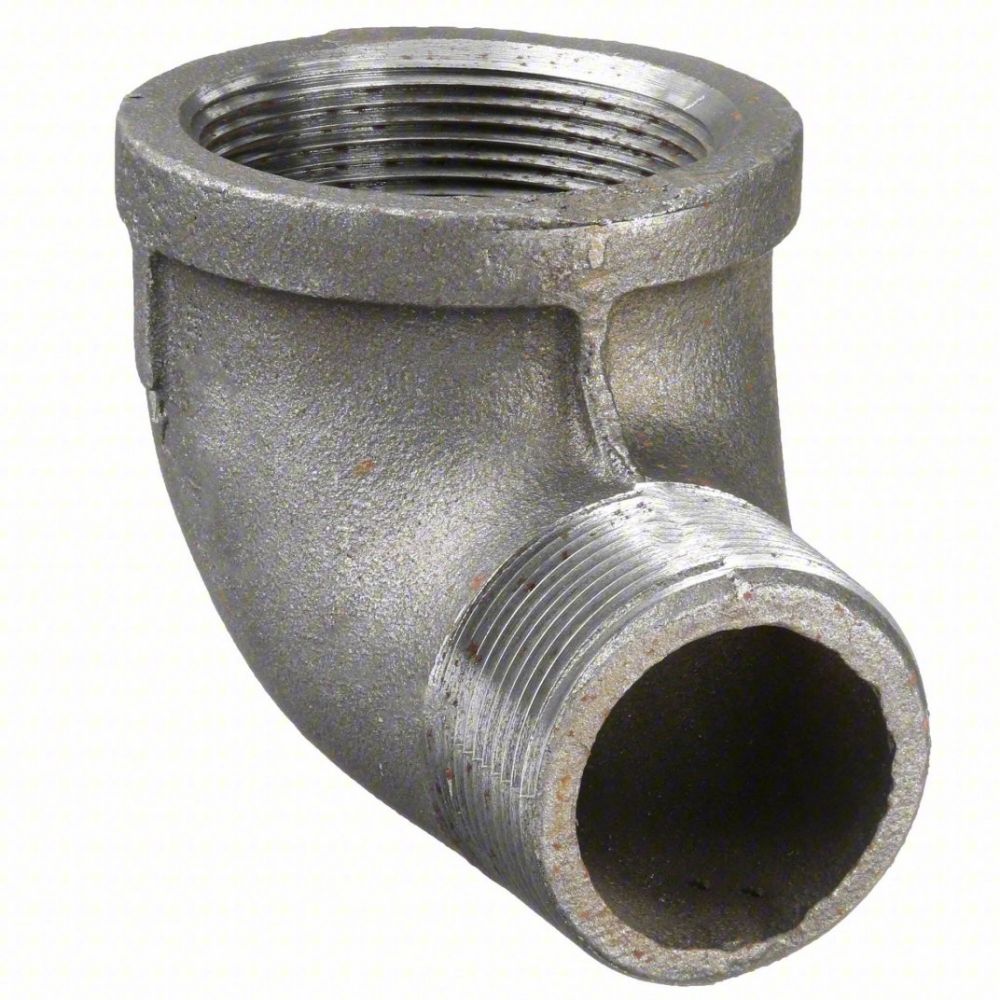
In a typical application scenario, consider a large-scale industrial water treatment plant. Here, numerous pipelines transport treated and untreated water. Using a 1 1/2 galvanized union ensures that sections of pipe can be quickly isolated and replaced during routine maintenance or unexpected failures, minimizing plant downtime and preserving system reliability against corrosive water.
Vendor Comparison and Customized Solutions
Selecting the right supplier for a 1 1/2 galvanized union is as critical as selecting the fitting itself. Key factors in vendor comparison include adherence to standards, quality consistency, customization capabilities, and after-sales support.
Vendor Comparison Criteria:
- Certifications: Look for ISO 9001, CE, UL, and other relevant certifications that validate quality management systems and product compliance.
- Material Traceability: Reputable vendors provide full traceability of raw materials to ensure consistent quality and performance.
- Testing Protocols: Inquire about hydrostatic, air, and dimensional testing procedures. For instance, testing to ANSI B16.3 (for malleable iron fittings) is crucial.
- Production Capacity: Ability to meet large volume orders while maintaining quality for items such as the 1 galvanized union.
- Customer Service and Technical Support: Responsiveness, technical expertise, and availability of support are paramount for B2B relationships.
Customized Solutions:
While standard 1 1/2 galvanized union fittings meet most requirements, specific projects may necessitate customized solutions. Leading manufacturers offer:
- Specialized Coatings: Beyond standard galvanization, custom epoxy coatings or specific paint finishes can be applied for enhanced chemical resistance or aesthetic requirements.
- Non-Standard Sizes/Thread Types: Although less common for unions, manufacturers can produce fittings with specific dimensions or thread forms (e.g., BSPT) to integrate into existing unique systems.
- Higher Pressure Ratings: For applications exceeding standard pressure classes, fittings can be designed and tested to higher specifications through material selection and thicker walls.
- Material Variations: While the core is typically malleable iron, some custom applications might explore options like stainless steel unions for extreme conditions, though at a significantly higher cost.
Partnering with a vendor capable of providing these tailored options ensures optimal system performance and long-term reliability.
Application Case Studies and Customer Experience
Real-world applications demonstrate the practical advantages and reliability of the 1 1/2 galvanized union in demanding environments.
Case Study 1: Municipal Water Distribution Network Upgrade
A major city in the Midwestern United States undertook a comprehensive upgrade of its aging water distribution network, replacing thousands of feet of old cast iron pipe. For connections and branching, particularly in areas prone to soil corrosion, galvanized malleable iron fittings were specified. Over 5,000 units of 1 1/2 galvanized union and various other galvanized fittings were used in a critical phase of the project. The ease of installation significantly reduced labor hours, completing the project 15% ahead of schedule. Post-installation inspections confirmed leak-free performance and excellent corrosion resistance, ensuring a projected service life exceeding 60 years. Customer feedback highlighted the consistent thread quality and robust construction as key factors in project success.
Case Study 2: Industrial HVAC System for a Pharmaceutical Plant
A leading pharmaceutical manufacturer required a new HVAC system for their production facility, demanding high reliability and resistance to the humid, cleanroom environment. The chilled water and heating lines utilized a combination of steel pipes and galvanized fittings. The decision to use 1 1/4 galvanized union fittings for accessible maintenance points proved invaluable. During routine filter replacements and coil cleaning, sections of pipe could be quickly uncoupled and reconnected, drastically reducing downtime from an estimated 8 hours per section to just 2 hours. This efficiency directly impacted production continuity, demonstrating the practical 'experience' advantage of these fittings.
Commitment to Trustworthiness: FAQ, Lead Times, Warranty & Support
Building trust in B2B partnerships extends beyond product quality to encompass transparent communication, reliable logistics, and comprehensive after-sales support.
Frequently Asked Questions (FAQ)
- Q: What is the primary advantage of a galvanized union over a black iron union?
- A: The primary advantage is superior corrosion resistance due to the hot-dip zinc coating. This makes galvanized unions suitable for outdoor, damp, or mildly corrosive environments where black iron would quickly rust.
- Q: Can a 1 1/2 galvanized union be used for potable water applications?
- A: Generally, galvanized fittings are not recommended for potable water systems due to potential zinc leaching and sediment buildup over time. Plastic or copper fittings are preferred for potable water. Always check local plumbing codes and regulations.
- Q: What is the typical lead time for large orders of galvanized unions?
- A: For standard products like the 1 1/2 galvanized union, lead times typically range from 2-4 weeks for stock items or standard production runs. Custom orders or very large volumes may require 6-8 weeks, depending on specific requirements and current factory load. We recommend discussing your project timeline with our sales team for precise fulfillment details.
- Q: Are your galvanized unions certified to international standards?
- A: Yes, our products, including the 1 1/4 galvanized union, are manufactured and tested in accordance with international standards such as ANSI B16.3, ISO 49, BS 143, and DIN 2950. Our facilities are ISO 9001 certified, ensuring consistent quality management.
Lead Time & Fulfillment
We maintain significant inventory levels for standard products to facilitate rapid order fulfillment. For specialized or bulk orders, our advanced logistics and production planning ensure efficient lead times, typically ranging from 15 to 45 business days depending on order size and customization. We provide detailed shipping estimates and tracking information to our clients, ensuring transparency from order placement to delivery.
Warranty Commitments
All our malleable iron fittings, including the 1 1/2 galvanized union, come with a standard 1-year limited warranty against manufacturing defects from the date of purchase. This warranty covers material and workmanship under normal use and service. Our commitment is to provide products that meet or exceed industry standards, ensuring peace of mind for our clients.
Customer Support and After-Sales Service
Our dedicated technical support team is available to assist with product selection, installation guidance, and troubleshooting. We offer comprehensive after-sales service, including access to detailed product documentation, technical drawings, and expert consultations to ensure optimal performance and longevity of our fittings within your systems. Our goal is to forge long-term partnerships built on trust and mutual success.
References
- ASTM International. "A197/A197M-00(2018) Standard Specification for Cupola Malleable Iron."
- ASTM International. "A153/A153M-09(2015) Standard Specification for Zinc Coating (Hot-Dip) on Iron and Steel Hardware."
- American National Standards Institute (ANSI). "ASME B16.3-2016, Malleable Iron Threaded Fittings."
- American National Standards Institute (ANSI). "ASME B1.20.1-2013, Pipe Threads, General Purpose (Inch)."
- Grand View Research. "Pipe Fittings Market Size, Share & Trends Analysis Report."
Post time: Sep-10-2025