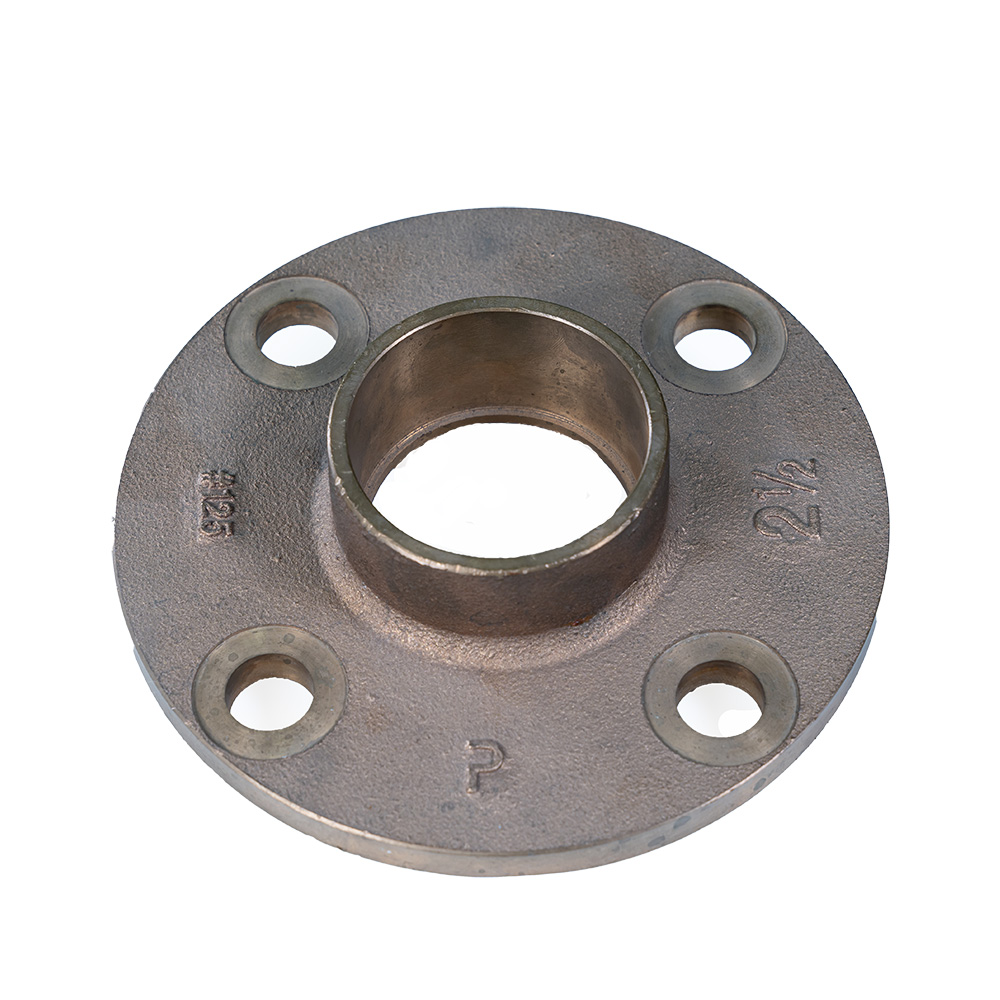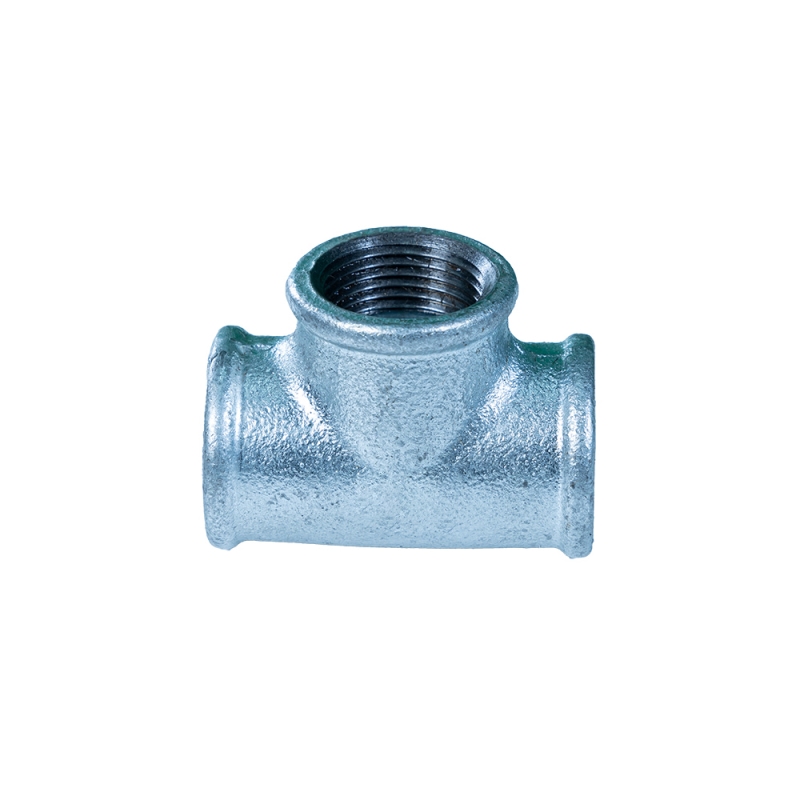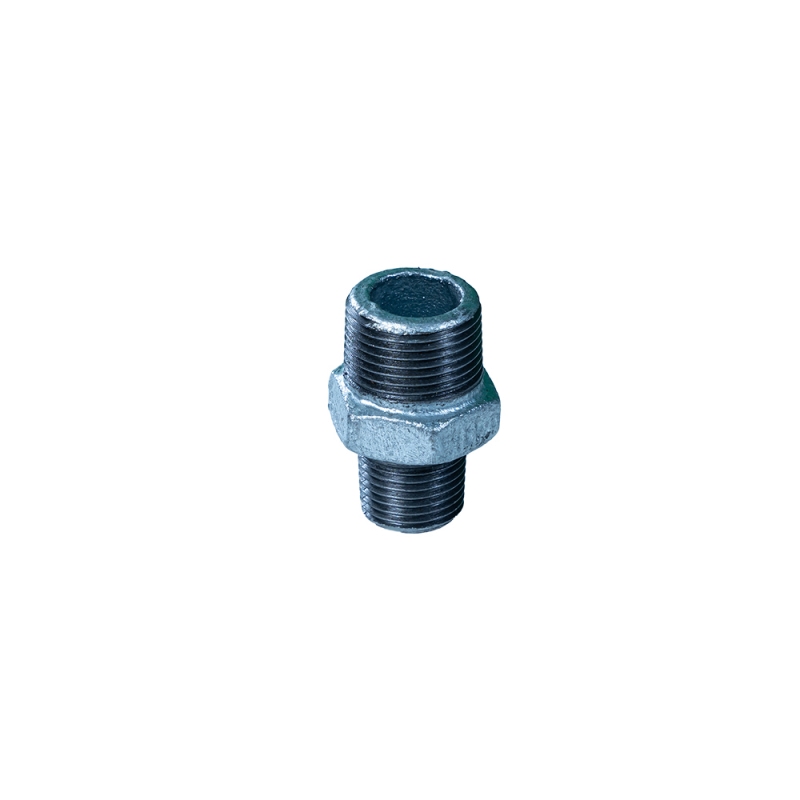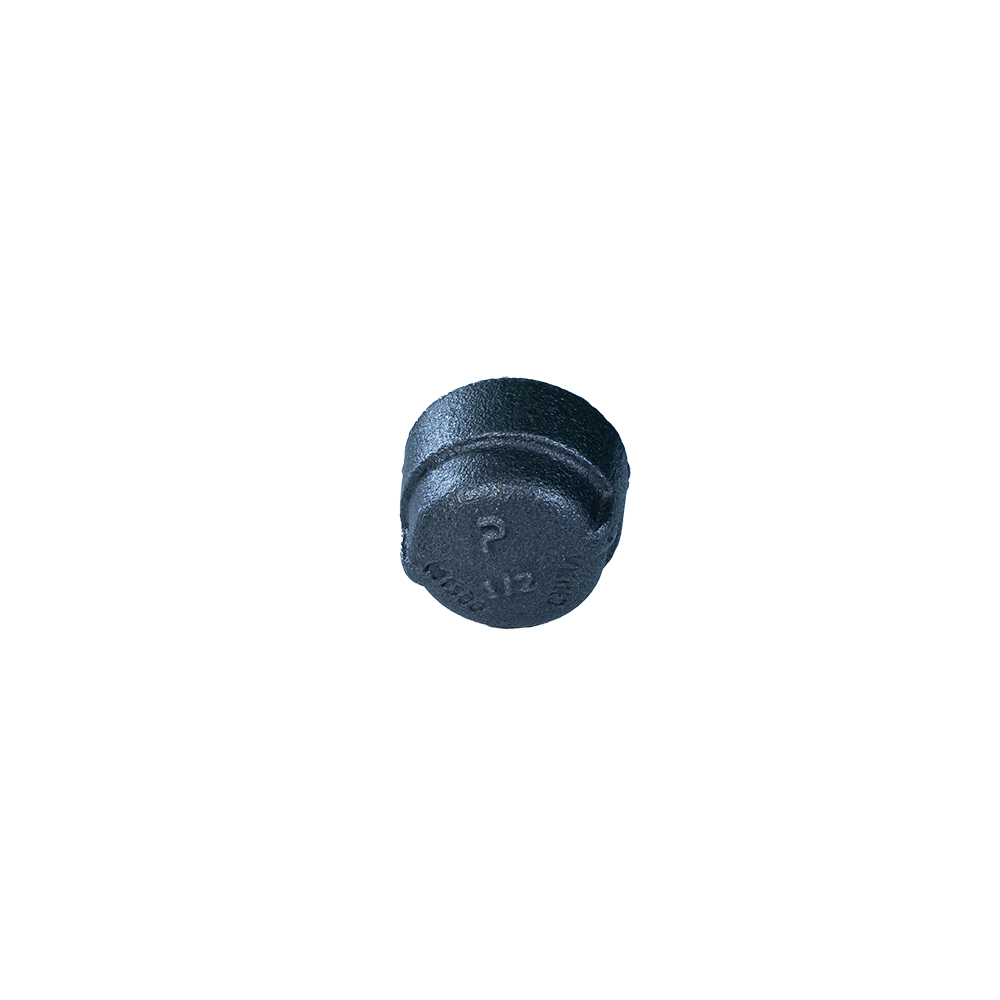

Introduction to Class 300 Pipe Fittings in Industrial Applications
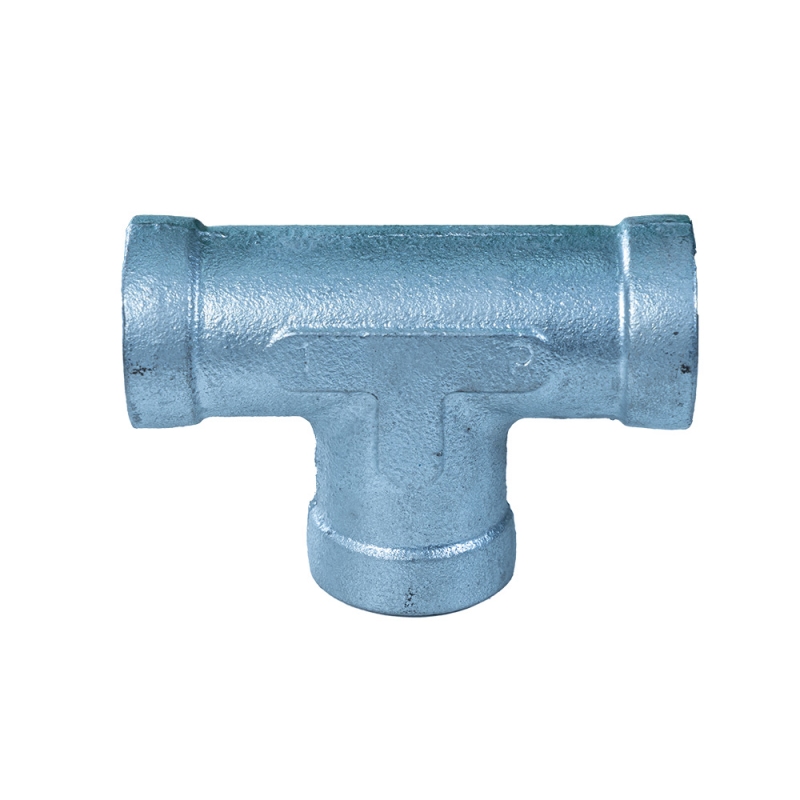
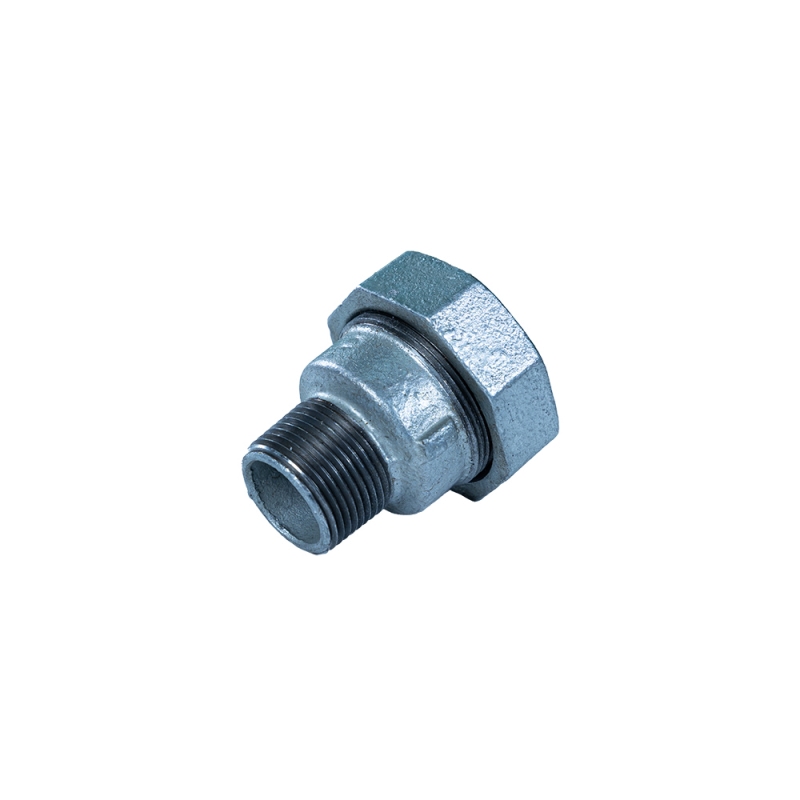
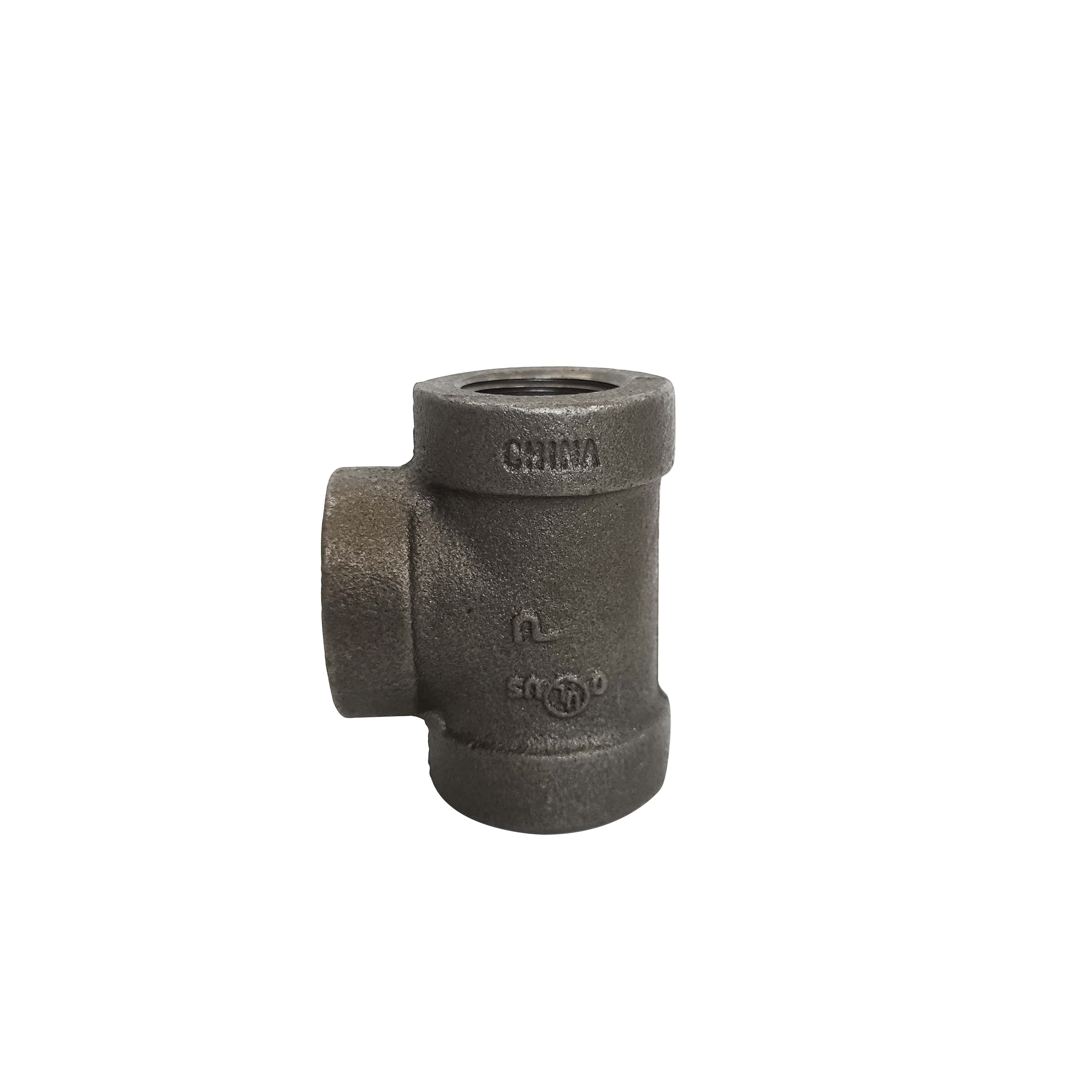
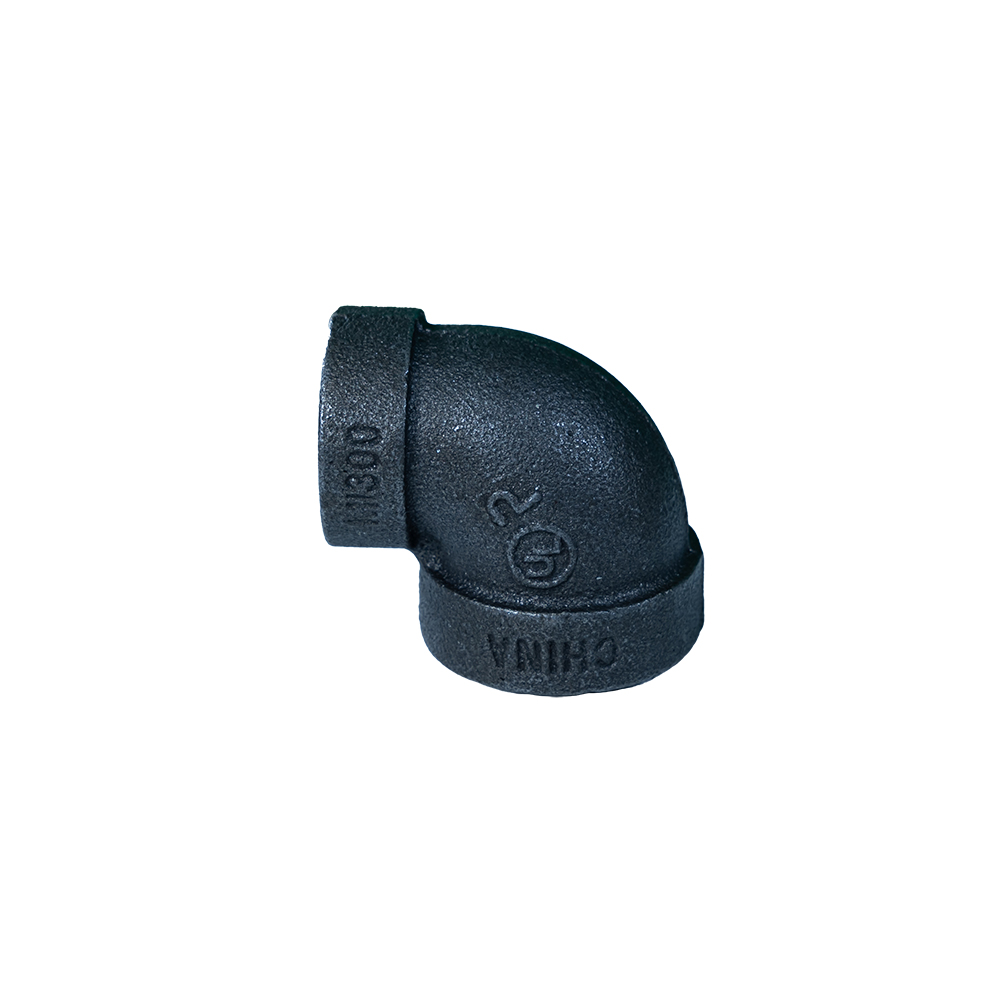
In the demanding landscape of industrial fluid handling, the integrity and reliability of piping components are paramount. Among the most critical elements are pipe fittings, specifically class 300 pipe fittings. These fittings are engineered to withstand significant pressure and temperature, making them indispensable across a spectrum of heavy-duty applications. Designed for robust performance, these components bridge gaps, change directions, and connect different pipe sections, ensuring a secure and leak-proof system.
This article delves into the technical intricacies, manufacturing processes, diverse applications, and inherent advantages of class 300 pipe fittings. We will explore their role in modern industrial infrastructure, providing insights essential for B2B decision-makers and engineering professionals seeking durable and efficient solutions. Understanding the nuanced specifications and performance characteristics of these fittings is crucial for optimizing system design, ensuring operational safety, and maximizing service life in challenging environments.
Manufacturing Process of Class 300 Pipe Fittings
The production of class 300 pipe fittings, particularly those made from malleable iron, involves a sophisticated multi-stage process that ensures their high strength, ductility, and resistance to impact. These processes are meticulously controlled to meet stringent international standards such as ISO and ANSI.
Key Materials and Their Properties
- Malleable Iron: The primary material for many Class 300 fittings, especially 300 malleable iron fittings, is white cast iron that has undergone a heat treatment process (annealing) to convert brittle carbides into temper carbon (graphite), resulting in a material with enhanced ductility, toughness, and machinability. This property is crucial for fittings that may experience thermal expansion or minor mechanical stresses.
- Carbon Steel & Alloy Steel: For higher pressure or specialized applications, fittings may be forged from carbon steel (e.g., ASTM A105) or alloy steel (e.g., ASTM A182 Gr. F11/F22), offering superior tensile strength and temperature resistance.
- Stainless Steel: For corrosion-critical environments, stainless steel grades like 304/316 are utilized, providing excellent chemical resistance and durability.
Detailed Manufacturing Steps
Casting/Forging
Molten metal (typically white cast iron for malleable fittings) is poured into molds (casting) or metal billets are shaped under immense pressure and heat (forging) to achieve the initial form of the fitting.
Annealing (for Malleable Iron)
White cast iron castings undergo a prolonged heat treatment cycle (annealing) in special furnaces. This process transforms the brittle cementite into ductile ferrite and temper carbon, yielding the characteristic properties of class 300 malleable iron fittings.
CNC Machining
After casting/forging and annealing, precise dimensions, thread forms (e.g., NPT, BSPT), and surface finishes are achieved using advanced Computer Numerical Control (CNC) machining centers. This ensures compatibility and leak-free connections.
Surface Treatment
Fittings may undergo galvanization (hot-dip or electro-galvanization) to provide a protective zinc coating, enhancing corrosion resistance, particularly important for pipe fittings used in outdoor or humid environments.
Quality Control & Testing
Each batch undergoes rigorous testing, including hydrostatic pressure tests to verify pressure ratings, dimensional checks, thread gauging, and material composition analysis. Non-destructive testing methods may also be employed.
Testing Standards and Service Life
Compliance with international standards like ANSI/ASME B16.3 (Malleable Iron Threaded Fittings), ISO 49, and ASTM A197 is critical. These standards define material properties, dimensions, pressure-temperature ratings, and testing procedures. Proper installation and maintenance can lead to a service life of 30-50 years or more for high-quality class 300 pipe fittings, even in demanding industrial settings. For instance, the hydrostatic test pressure for Class 300 fittings is typically at least 500 psi (34.5 bar) for water, verifying their ability to handle significant internal pressures without failure.
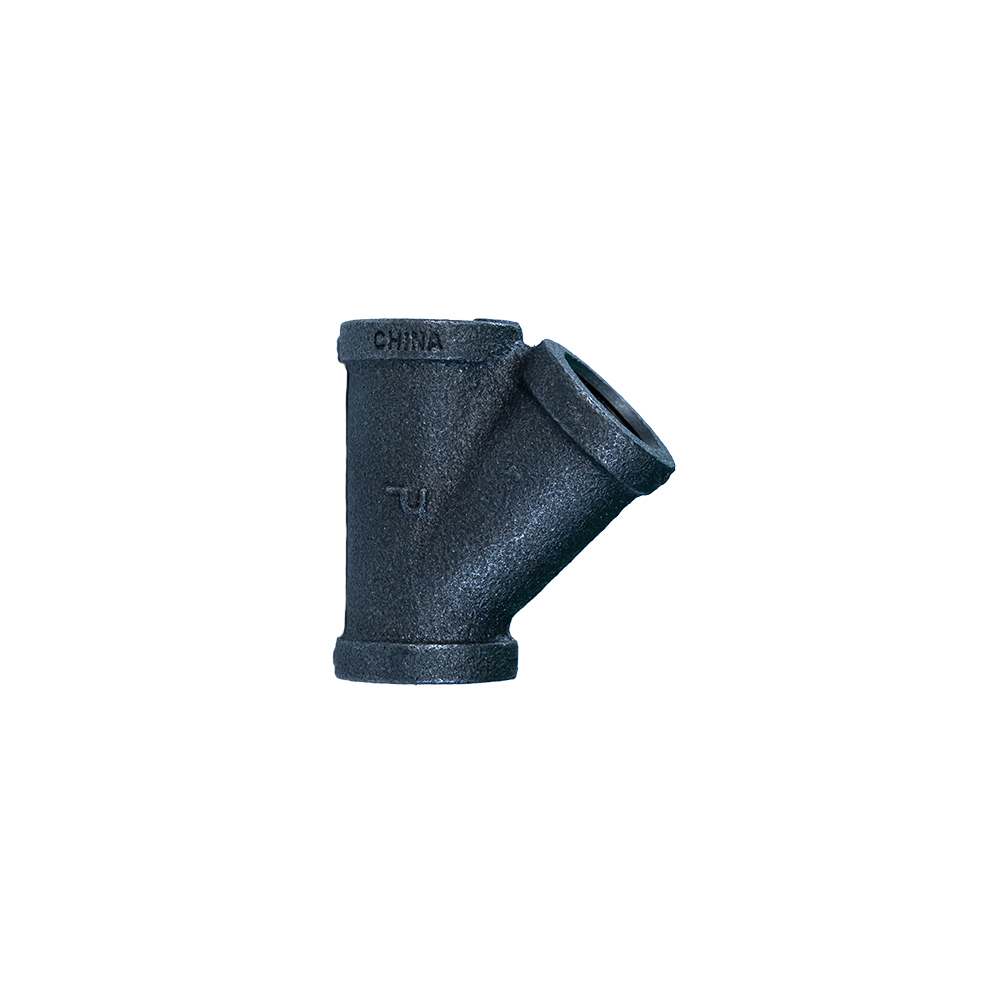
Technical Specifications and Data Visualization
Understanding the technical parameters of class 300 pipe fittings is crucial for engineers and procurement specialists. These fittings are rated for higher pressure services compared to Class 150 or Class 200, making them suitable for more rigorous applications. The term "Class 300" refers to their pressure-temperature rating, signifying their capacity to handle approximately 300 pounds per square inch (psi) of working pressure at a specific elevated temperature, though actual pressure ratings vary with material, temperature, and specific design standards.
General Specifications: Class 300 Malleable Iron Pipe Fittings
| Parameter | Specification / Value |
|---|---|
| Material Standard | ASTM A197 / EN 1562 |
| Thread Standard | ANSI B1.20.1 NPT / ISO 7-1 BSPT / DIN 2999 |
| Nominal Pressure Rating (Water) | 300 PSI (20.7 Bar) @ 150°F (65°C) |
| Steam Working Pressure | 300 PSI (20.7 Bar) @ 550°F (290°C) for specific designs; generally lower at high temperatures for threaded fittings. Check manufacturer P-T charts. |
| Hydrostatic Test Pressure | 500 PSI (34.5 Bar) |
| Corrosion Resistance | Excellent (especially galvanized), suitable for water, oil, gas |
| Connection Type | Threaded (Female/Male) |
| Sizes Available | 1/8" to 6" (DN6 to DN150) typically, larger sizes also available |
It's important to note that the class 300 pipe fittings pressure rating can be influenced by temperature. As temperature increases, the allowable working pressure generally decreases. Always refer to the manufacturer's specific pressure-temperature (P-T) rating charts for precise application data. For example, a fitting rated for 300 PSI at 150°F (65°C) might only be rated for 200 PSI or less at 400°F (204°C) when handling steam.
Malleable Iron vs. Standard Cast Iron Fittings
| Feature | Class 300 Malleable Iron | Standard Cast Iron (e.g., Class 125) |
|---|---|---|
| Material Microstructure | Temper carbon (nodular/flaky graphite) in a ferrite matrix | Flake graphite in a ferrite/pearlite matrix |
| Ductility | High (can bend without breaking) | Low (brittle) |
| Tensile Strength | Typically 320-350 MPa (46-50 ksi) | Typically 150-250 MPa (22-36 ksi) |
| Impact Resistance | Good, resists shock loads | Poor, prone to fracturing |
| Pressure Rating | Higher (e.g., 300 PSI for water) | Lower (e.g., 125 PSI for water) |
| Applications | High-pressure steam, gas, oil, general industrial systems | Low-pressure water, drainage, non-critical systems |
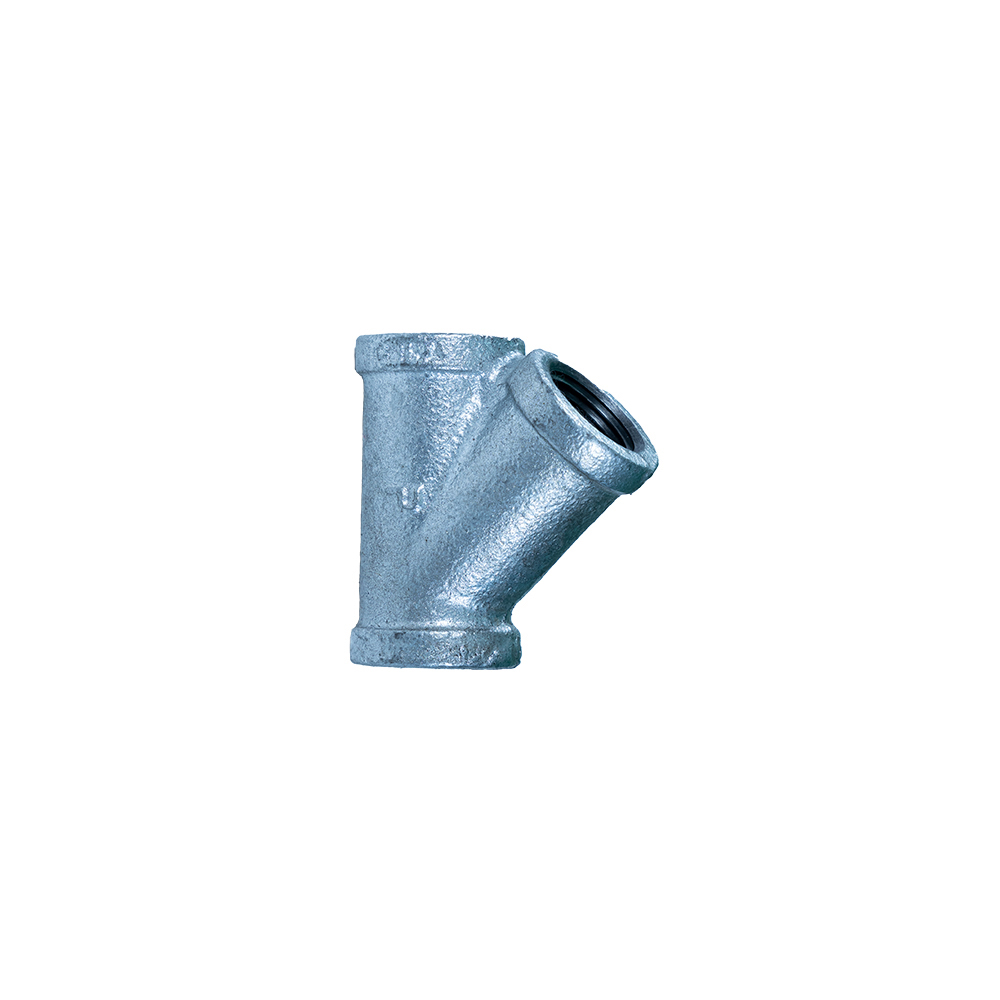
Industry Trends and Application Scenarios
The industrial piping sector is constantly evolving, driven by demands for increased efficiency, safety, and sustainability. Class 300 pipe fittings are at the forefront of this evolution, adapting to new challenges in various heavy industries.
Key Industry Trends
- Sustainable Manufacturing: Growing emphasis on eco-friendly production methods, reducing energy consumption and waste in the casting and annealing processes.
- Advanced Material Science: Research into coatings and alloys that further enhance corrosion resistance, especially for fittings operating in aggressive chemical environments or offshore platforms.
- Digitalization & Smart Infrastructure: Integration with smart monitoring systems to predict maintenance needs and optimize fluid flow, though the fittings themselves remain physical components.
- Global Standardization: Increased harmonization of international standards to ensure interchangeability and reliability across global supply chains.
Target Industries and Typical Applications
- Petrochemical & Oil & Gas: Transporting crude oil, natural gas, refined petroleum products, and various chemicals under high pressure and temperature. Their robustness is critical for preventing leaks and ensuring operational safety.
- Power Generation: Used in steam lines, condensate return systems, and cooling water circuits within thermal and nuclear power plants, where high pressures and elevated temperatures are common.
- Water Supply & Drainage: While often associated with lower pressures, Class 300 fittings are employed in high-pressure pumping stations, industrial water treatment facilities, and critical distribution networks requiring enhanced durability.
- Metallurgy & Mining: Handling abrasive slurries, high-pressure hydraulic lines, and process water in smelting and refining operations. Their resilience to wear and tear is highly valued.
- HVAC & Refrigeration: In large-scale industrial HVAC systems and refrigeration plants, where coolants and refrigerants are circulated under considerable pressure.
- Fire Protection Systems: Often specified for high-pressure fire suppression systems due to their reliability and ability to maintain structural integrity during emergencies.
Advantages in Application Scenarios
The inherent advantages of class 300 pipe fittings directly translate into operational benefits:
- Enhanced Safety: Their superior pressure rating significantly reduces the risk of blowouts and leaks in high-pressure systems, protecting personnel and property.
- Corrosion Resistance: Galvanized malleable iron fittings offer excellent resistance to oxidation and chemical degradation, prolonging system life and reducing maintenance costs, especially in corrosive environments like wastewater treatment plants.
- Energy Saving: By ensuring leak-free connections, these fittings contribute to the overall efficiency of fluid transport, preventing energy losses associated with pressure drops and wasted resources.
- Durability & Longevity: The malleable iron structure provides ductility, allowing fittings to withstand thermal cycling and minor seismic activity better than brittle cast iron, leading to extended service intervals.
- Versatility: Available in a wide array of configurations (elbows, tees, couplings, unions, lateral Y branches), they offer flexible solutions for complex piping layouts.
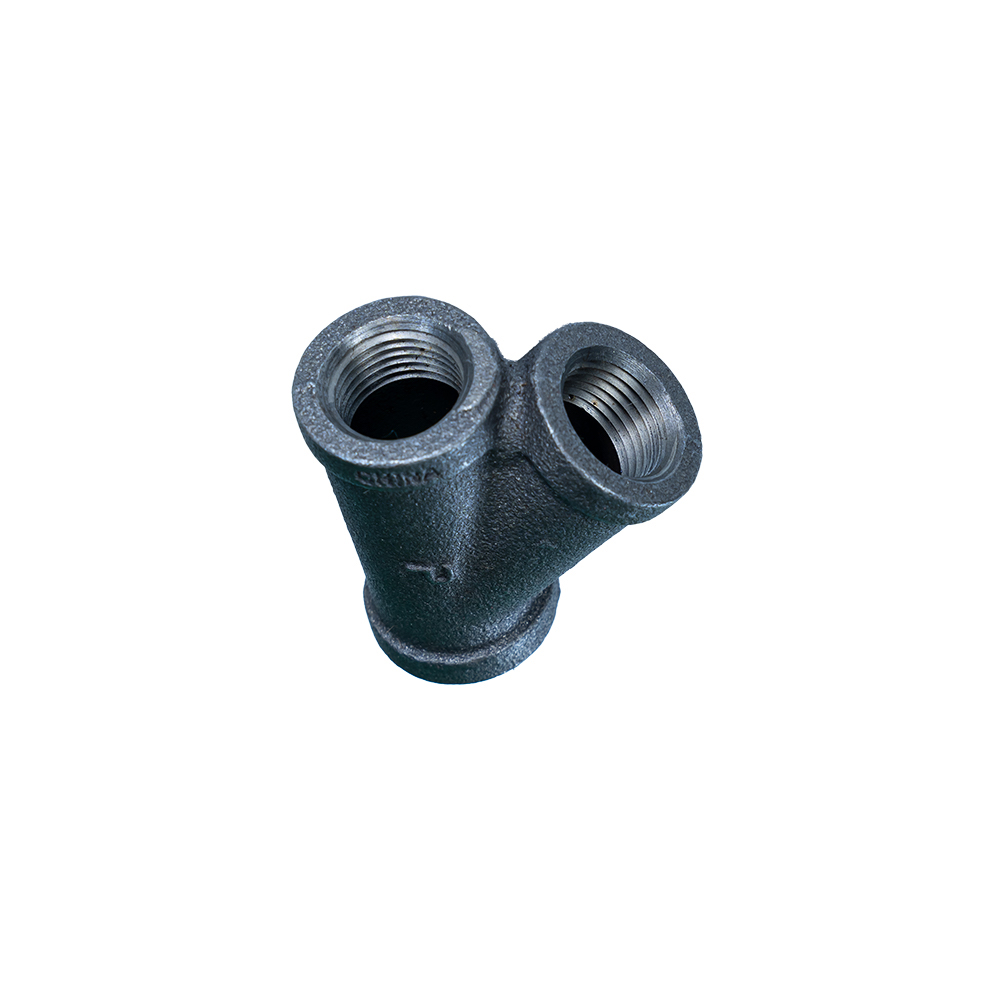
Vendor Comparison and Customized Solutions
Choosing the right supplier for class 300 pipe fittings is a strategic decision that impacts project timelines, operational costs, and system reliability. Key factors include product quality, certification, supply chain capabilities, and the ability to offer tailored solutions.
Factors in Vendor Comparison
- Certifications and Compliance: Ensure the vendor adheres to ISO 9001 for quality management, and fittings comply with relevant industry standards like ANSI/ASME B16.3, UL, and FM approvals, especially for fire protection.
- Manufacturing Expertise: Evaluate the vendor's track record in casting, forging, and precision machining. Experience in producing 300 malleable iron fittings with consistent material properties is crucial.
- Quality Control & Testing: A reputable vendor will have robust internal QC processes, including 100% hydrostatic testing, dimensional inspection, and material analysis reports.
- Supply Chain Reliability: Assess lead times, inventory levels, and logistics capabilities to ensure timely delivery and minimize project delays.
- Technical Support & Customer Service: Availability of engineering support for complex installations, troubleshooting, and responsive after-sales service.
- Customization Capabilities: The ability to produce non-standard sizes, specialized coatings, or unique fitting configurations for specific project requirements.
Customized Solutions
While standard class 300 pipe fittings cover a broad range of needs, certain projects demand bespoke solutions. Leading manufacturers often provide:
- Specialized Coatings: Beyond standard galvanization, custom epoxy coatings or internal linings can be applied for extreme chemical resistance or abrasive media.
- Unique Geometries: Fabrication of fittings with non-standard angles, offsets, or multiple outlets to optimize flow paths or fit constrained spaces.
- Material Variations: Production of fittings from specific alloy compositions to withstand particular temperature extremes or corrosive agents not handled by standard malleable iron.
- Integrated Assemblies: Pre-assembly of multiple fittings or components to reduce on-site installation time and labor costs.
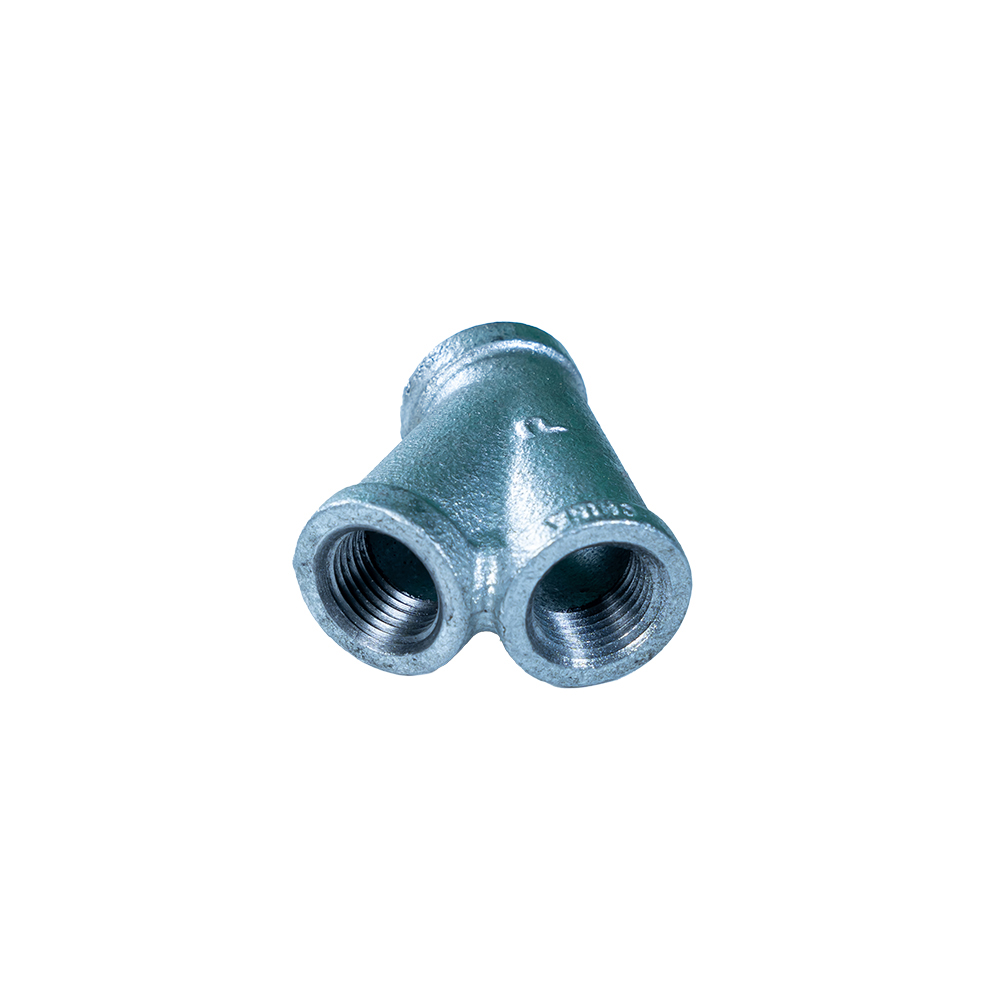
Application Case Studies & Customer Experience
Real-world applications underscore the performance and reliability of class 300 pipe fittings. Here are examples showcasing their effectiveness across various industries.
Case Study 1: High-Pressure Steam Distribution in a Textile Mill
A large textile manufacturing plant required an upgrade to its steam distribution system, operating at 250 PSI and 450°F (232°C). Previous fittings, rated for lower classes, frequently failed due to thermal fatigue and stress corrosion, leading to significant downtime and safety hazards. By implementing galvanized Class 300 malleable iron fittings throughout their new system, the plant experienced a dramatic reduction in leaks and component failures. The improved ductility of malleable iron handled thermal expansion cycles effectively, and the galvanization provided superior protection against condensate-induced corrosion. The system has now operated reliably for over 10 years without major incidents, demonstrating significant improvements in operational efficiency and safety.
Case Study 2: Municipal Water Pumping Station Upgrade
A municipal water authority undertook a project to upgrade its primary water pumping station, which supplies potable water to a large urban area. The pumps generate discharge pressures up to 280 PSI. Threaded connections using standard Class 150 fittings were experiencing joint creep and occasional stress cracks. The transition to heavy-duty Class 300 malleable iron fittings, specifically lateral Y branches and tees for flow diversion, provided the necessary robustness. The project engineer noted, "The Class 300 fittings provided the extra margin of safety and structural integrity we needed for continuous high-pressure operation. We've eliminated the subtle leaks and visible stress points that plagued our previous system, leading to greater confidence in our water distribution network's reliability."
Trustworthiness: FAQ, Lead Time, Warranty, & Support
Frequently Asked Questions (FAQ)
- Q1: What does "Class 300" signify for pipe fittings?
- A1: "Class 300" denotes the pressure-temperature rating of the fitting. It indicates that the fitting is designed to safely operate at approximately 300 PSI (pounds per square inch) at specific elevated temperatures, which are defined by relevant industry standards like ASME B16.3 for malleable iron fittings.
- Q2: Are Class 300 malleable iron fittings suitable for steam applications?
- A2: Yes, class 300 malleable iron fittings are often used in high-pressure steam and condensate systems. However, it's crucial to refer to the manufacturer's pressure-temperature charts, as the maximum allowable working pressure for steam decreases with increasing temperature.
- Q3: What are the primary advantages of galvanized Class 300 fittings?
- A3: Galvanization provides a protective zinc coating that significantly enhances corrosion resistance, making these fittings ideal for outdoor installations, humid environments, and applications involving water, gas, and some chemicals. This extends their service life and reduces maintenance.
- Q4: How do I ensure compatibility with my existing piping system?
- A4: Ensure that the fittings' thread type (e.g., NPT, BSPT) and nominal pipe size (NPS) match your existing pipes. Consulting the manufacturer's technical specifications and adhering to industry standards like ANSI/ASME B16.3 is essential for proper fit and performance.
Lead Time and Fulfillment
Standard class 300 pipe fittings are typically stocked in common sizes and configurations, allowing for lead times of 1-3 business days for smaller orders. For larger or custom orders, lead times can range from 2-6 weeks depending on the complexity, quantity, and specific material requirements. We maintain a robust inventory and efficient logistics to ensure timely dispatch and delivery globally. Expedited shipping options are available upon request.
Warranty Commitments
All our class 300 pipe fittings are backed by a comprehensive 1-year limited warranty against manufacturing defects and material flaws. This warranty ensures that products meet specified performance criteria under normal operating conditions. Extended warranty options and specific project guarantees may be available for large-scale procurements. Refer to our official warranty policy document for full terms and conditions.
Customer Support and Technical Assistance
Our dedicated team of technical support specialists and engineers is available to assist with product selection, application guidance, installation best practices, and troubleshooting. We offer pre-sales consultation, post-sales support, and access to detailed technical datasheets and installation manuals. Reach out via phone, email, or our online portal for prompt and expert assistance.
Authoritative References
- ASME B16.3 - Malleable Iron Threaded Fittings. American Society of Mechanical Engineers.
- ASTM A197/A197M - Standard Specification for Cupola Malleable Iron. ASTM International.
- ISO 49:1994 - Malleable cast iron fittings with external and internal parallel threads for pipes - Part 1: Fittings with external threads, Part 2: Fittings with internal threads. International Organization for Standardization.
- Department of Energy. Energy Efficiency and Renewable Energy. Pumping Systems Assessment Tool (PSAT).
Post time: Sep-01-2025