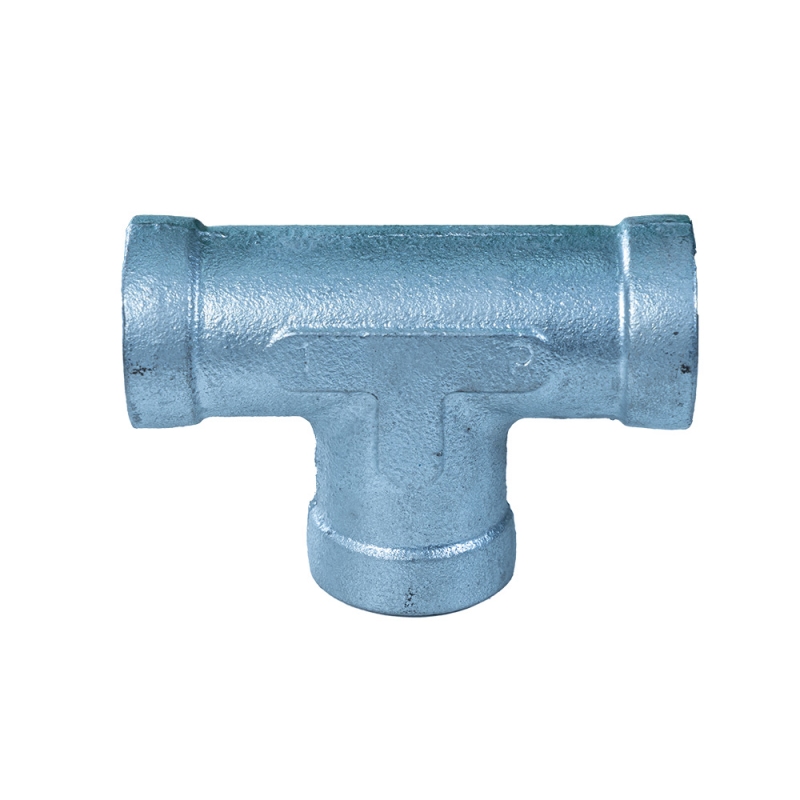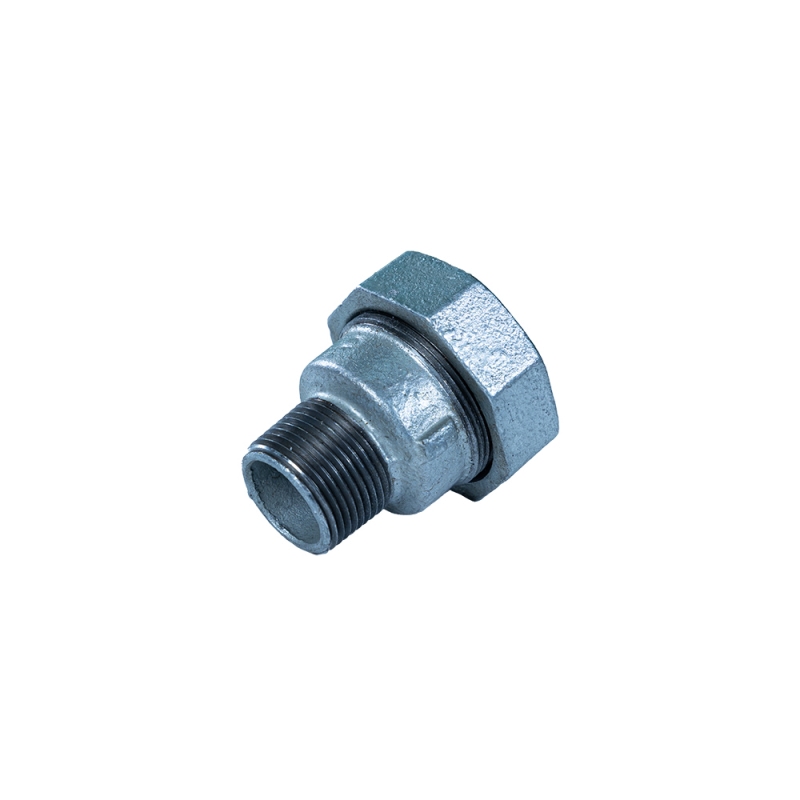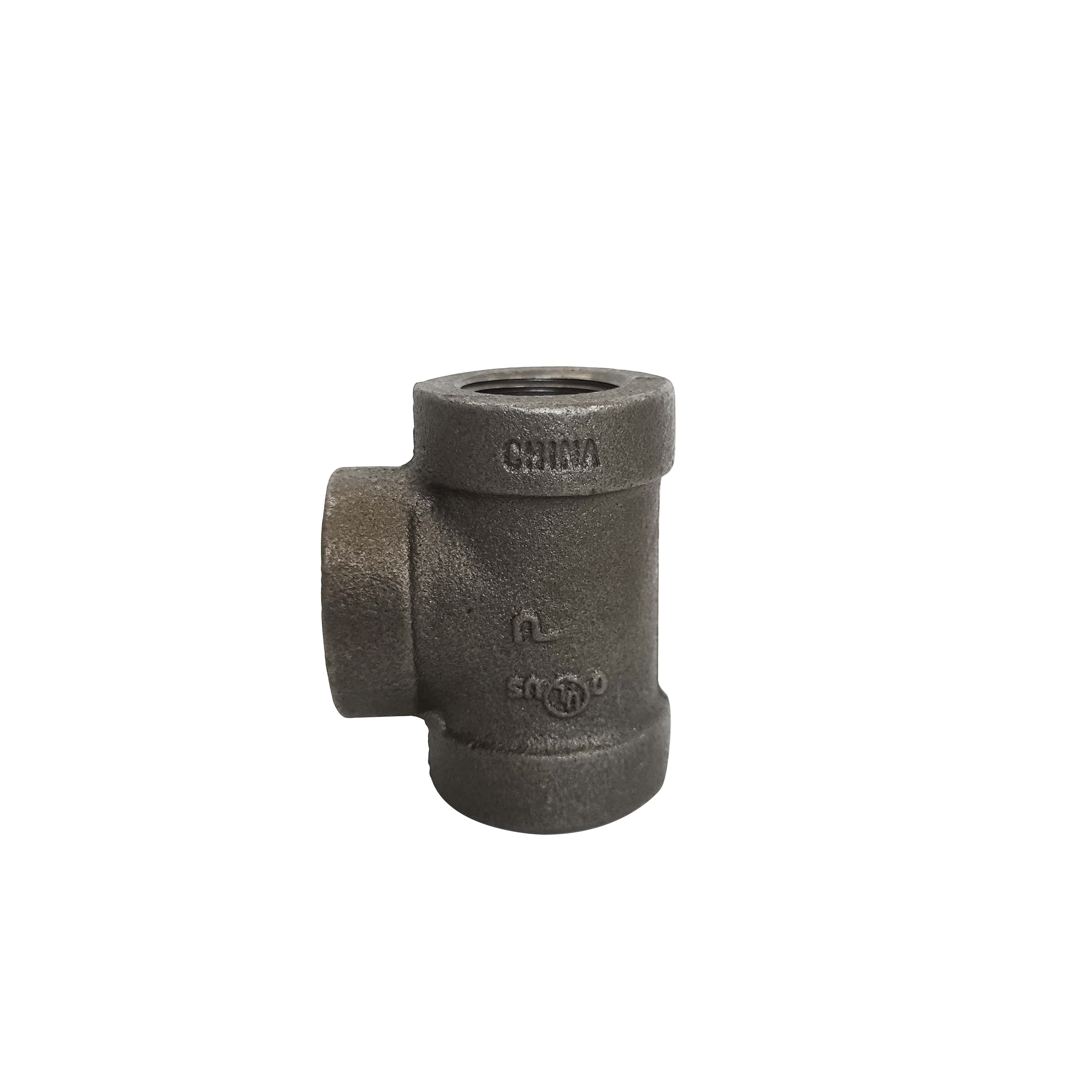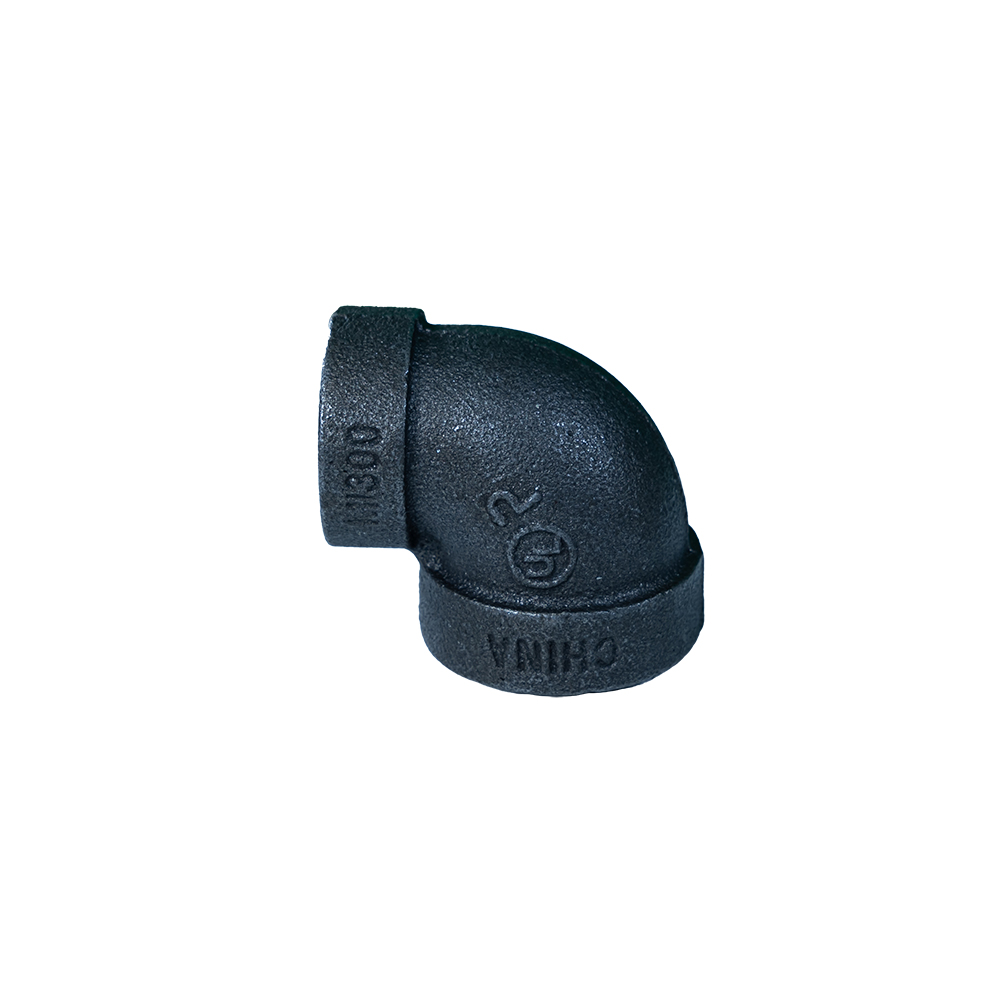

What Is a 4 Way Fitting and Why Does It Matter Globally?
In the world of piping, infrastructure, and modular setups, a 4 way fitting isn't just a random component—it’s a crucial junction point that enables complex system layouts by connecting four pipes or conduits simultaneously. Whether you're assembling an industrial plant, a water system in a rural area, or a temporary housing frame in disaster relief, understanding how a 4 way fitting functions can dramatically improve design efficiency and operational reliability.
Globally, infrastructure development is accelerating — the World Bank reports nearly $94 trillion infrastructure investments are needed by 2040 worldwide, focusing on connectivity and durability. In such contexts, the humble 4 way fitting serves as a backbone for scalable, adaptable systems, enabling logistical and humanitarian projects to function smoothly.
The Global Context: Why 4 Way Fittings Are Everywhere but Often Overlooked
The global demand for efficient distribution of resources (water, gas, electricity) has skyrocketed in recent decades. From urban centers to remote locations, the challenge lies in building systems that can expand without a mess of tangled parts. The 4 way fitting addresses this by offering a compact, versatile solution that integrates multiple pipelines at right angles.
Consider this: according to ISO standards, modular piping systems must maintain strict durability and flow capacity to prevent costly failures. A fitting that handles four-way junctions efficiently reduces downtime across industries—from agriculture irrigation setups in Sub-Saharan Africa to HVAC networks in megacities like Shanghai.
Mini takeaway:
- 4 way fittings simplify complex connected networks.
- They’re essential in critical infrastructure, supporting global development goals.
Definition and Practical Meaning of a 4 Way Fitting
Simply put, a 4 way fitting (sometimes called a cross fitting) is a connector designed to join four different pipes at 90-degree angles to each other, creating a cross-shaped junction. Its main purpose is to facilitate distribution or redirection of flow within a piping system without compromising pressure or integrity.
In modern industry and crisis response alike, this kind of connector comes up frequently. Whether it’s to channel potable water, pneumatic lines, or structural scaffolding, the 4 way fitting bridges gaps—literally and figuratively—in systems demanding reliability and speed.
Key Factors That Define 4 Way Fittings
1. Durability and Material Choices
From stainless steel to PVC and brass, the material defines its lifespan and strength. Durability is paramount in harsher conditions—like offshore oil rigs or disaster zones—where corrosion and mechanical stress are daily threats.
2. Scalability and Modularity
Industries appreciate how 4 way fittings enable expansion without tearing everything apart. Need to add a new pipeline? Just install another fitting. This minimizes downtime, a cost advantage that adds up quickly.
3. Cost Efficiency
While initial costs vary by material and supplier, the long-term savings achieved through reduced maintenance and simplified assembly make quality fittings a smart investment. I’ve noticed projects cutting budget overruns when opting for standardized, reliable 4 way fittings early on.
4. Flow Dynamics
4 way fittings affect fluid or gas flow patterns. Proper design ensures smooth flow with minimal turbulence or pressure drops. Engineers say this is crucial in HVAC or chemical plants where precise control matters.
5. Ease of Installation & Maintenance
Quick-connect or threaded types can save hours on site work, especially important when working in harsh or time-sensitive environments.
6. Standardization and Certification
Compliance with ISO or ASTM standards ensures fittings meet rigorous testing for safety and performance, critical for avoiding on-site failures or regulatory issues.
Mini takeaway:
- Material and design choices make or break the fitting’s success in each unique application.
- Installation ease and standards adherence play underrated roles in long-term system health.
Typical Specifications of a 4 Way Fitting
| Specification | Common Range / Values | Notes |
|---|---|---|
| Material | Stainless Steel, Brass, PVC, Galvanized Steel | Choose based on environment and pressure requirements |
| Size (Diameter) | 1/2" to 6" (or larger custom) | Modular to fit a variety of pipes |
| Pressure Rating | Up to 3000 PSI (depends on material) | Critical for industrial/gas uses |
| Connection Type | Threaded, Welded, Quick-connect | Installation speed vs permanence |
| Temperature Range | -40°C to 250°C (material-dependent) | Important for chemical/heat applications |
How 4 Way Fittings Are Used Around the World
Oddly enough, these fittings pop up in the most diverse places:
- Disaster Relief: Aid organizations employ them for fast-deploy water and fuel distribution in places hit by floods or earthquakes. The 4 way fitting allows rapid expansion of supply lines without a headache.
- Industrial Zones: From oil refineries in the Middle East to factories in China, where network piping schemes get complex, 4 way fittings reduce project complexity and downtime.
- Urban Infrastructure: Cities expanding metro and water networks require fittings that conform to strict standards yet enable flexible modifications as growth happens.
- Remote Agricultural Sites: There, irrigation and nutrient lines often rely on these connectors for sustainable water management.
In fact, some NGOs specifically source high-grade 4 way fittings to solve pipeline challenges in less resourced regions — proving their unsung role in global development.
Mini takeaway:
Basically, a 4 way fitting can be a small part with a massive global footprint.
Advantages and Long-Term Value of Using 4 Way Fittings
Beyond the obvious technical benefits, the ripple effects here are huge. Cost savings from easier assembly and lower maintenance induce trust among project stakeholders. Sustainability improves with modular fittings because partial replacements trump wholesale system rebuilds. And frankly, it inspires confidence and peace of mind when systems flow without leaks or failures.
- Resilience: With four-way connections, backup routes are simple to build in, improving network redundancy.
- Reduced labor costs: Installers appreciate the standardized designs.
- Social impact: In humanitarian projects, rapid deployment means quicker restoration of services.
Future Trends and Innovations in 4 Way Fittings
Materials science is making waves: novel composites promise lighter, stronger fittings resistant to extreme environments. Digital integration is on the horizon—smart fittings equipped with sensors to monitor connection health can preempt costly failures. With sustainability front and center, recyclable materials and low-carbon manufacturing processes are increasingly common.
Automation in manufacturing means custom 4 way fitting sizes and finishes are more affordable—even for niche markets. The impact of green energy infrastructure like hydrogen fuel lines will call for specially rated fittings in the near future.
Common Challenges and How They’re Being Solved
While versatile, 4 way fittings aren’t without issues. Installation errors, incompatible materials, and pressure mismatches cause failures in some setups. Luckily, standards bodies are tightening protocols and suppliers increasingly offer pre-tested kits. On-site training and augmented reality guides are becoming tools to boost installer confidence and accuracy.
Material fatigue in high-stress environments remains a hurdle, but advances in coatings and alloy treatments bring hope. Frankly, it feels like each challenge pushes innovation further—engineering solutions evolve organically from real-world needs.
FAQ: Frequently Asked Questions About 4 Way Fittings
- What industries benefit most from 4 way fittings?
- Industries like oil and gas, chemical processing, water treatment, construction, and disaster relief rely heavily on 4 way fittings for their flexibility and reliability in complex piping systems.
- How do I know which material is best for my 4 way fitting?
- The choice depends on environment, pressure, temperature, and chemicals involved. Stainless steel is great for corrosion resistance; PVC is lightweight and cost-effective for water systems. Consulting product specs and experts is key.
- Are 4 way fittings easy to customize?
- Yes! Modern manufacturing, especially with suppliers like 4 way fitting specialists, allows for custom sizes, materials, and connection types tailored to unique project needs.
- Can these fittings be reused or repurposed?
- Depending on material and wear, many fittings can be reclaimed and reused, promoting sustainability and cost savings—something savvy project managers often utilize.
- How important is standard compliance for fittings?
- Very important. Standards like ISO and ASTM ensure safe, predictable performance which reduces risks and sometimes is legally required for infrastructure projects.
Vendor Comparison for 4 Way Fittings
| Vendor | Material Options | Customization | Certifications | Price Range |
|---|---|---|---|---|
| PanNext Fittings | Stainless Steel, PVC, Brass | High - custom sizes & threads | ISO 9001, ASTM | $$$ |
| GlobalPipe Co. | Galvanized Steel, PVC | Medium - presets | ISO 14001 | $$ |
| PipeMaster Ltd. | Brass, Copper | Low - limited sizes | ASTM only | $$$$ |
Wrapping It Up: The Long-Term Value of Understanding 4 Way Fittings
In all honesty, noticing how a simple connector like a 4 way fitting can impact projects worldwide—saving time, money, and sometimes lives—is a reminder of how the details truly matter. As infrastructure demands grow, so does the need for smart, reliable components that keep systems flowing efficiently.
Whether you're an engineer, planner, or project lead, the savvy application of 4 way fittings shapes success. Need to explore these solutions further? Visit PanNext Fittings for detailed specs, customization options, and expert support.
References
Post time: Nov-30-2025