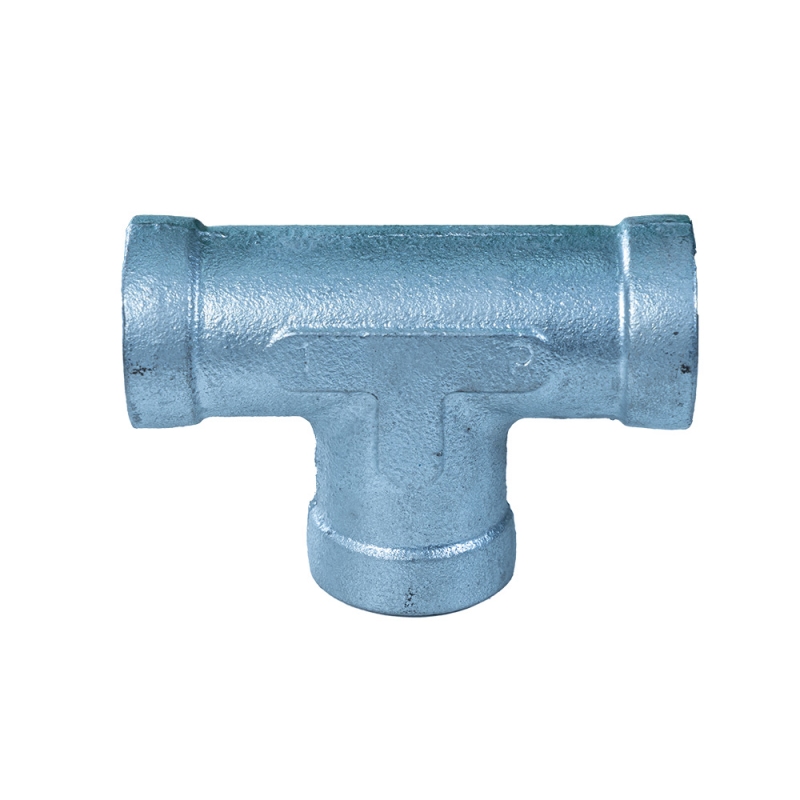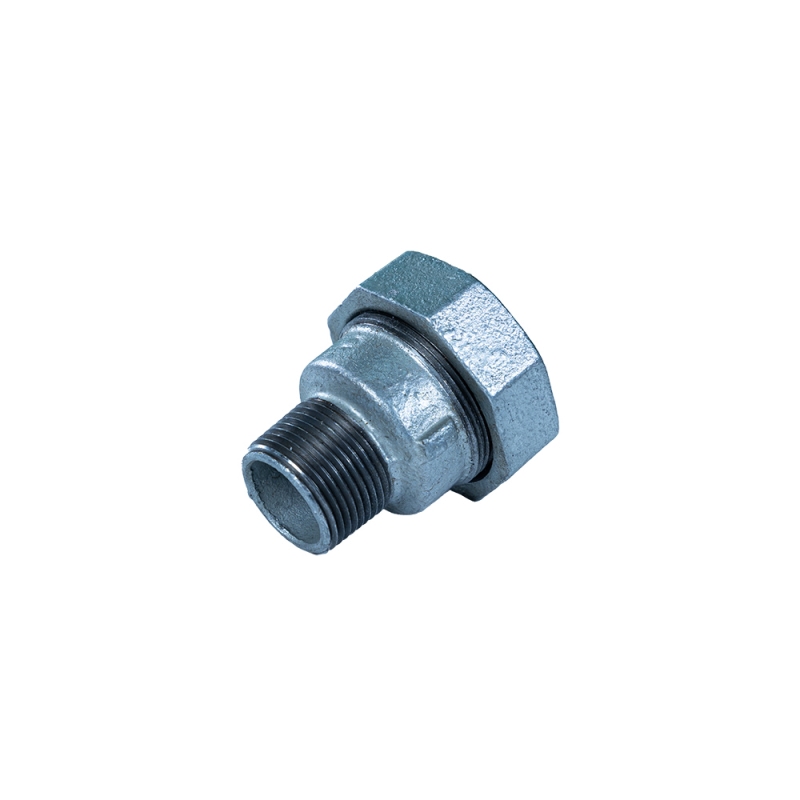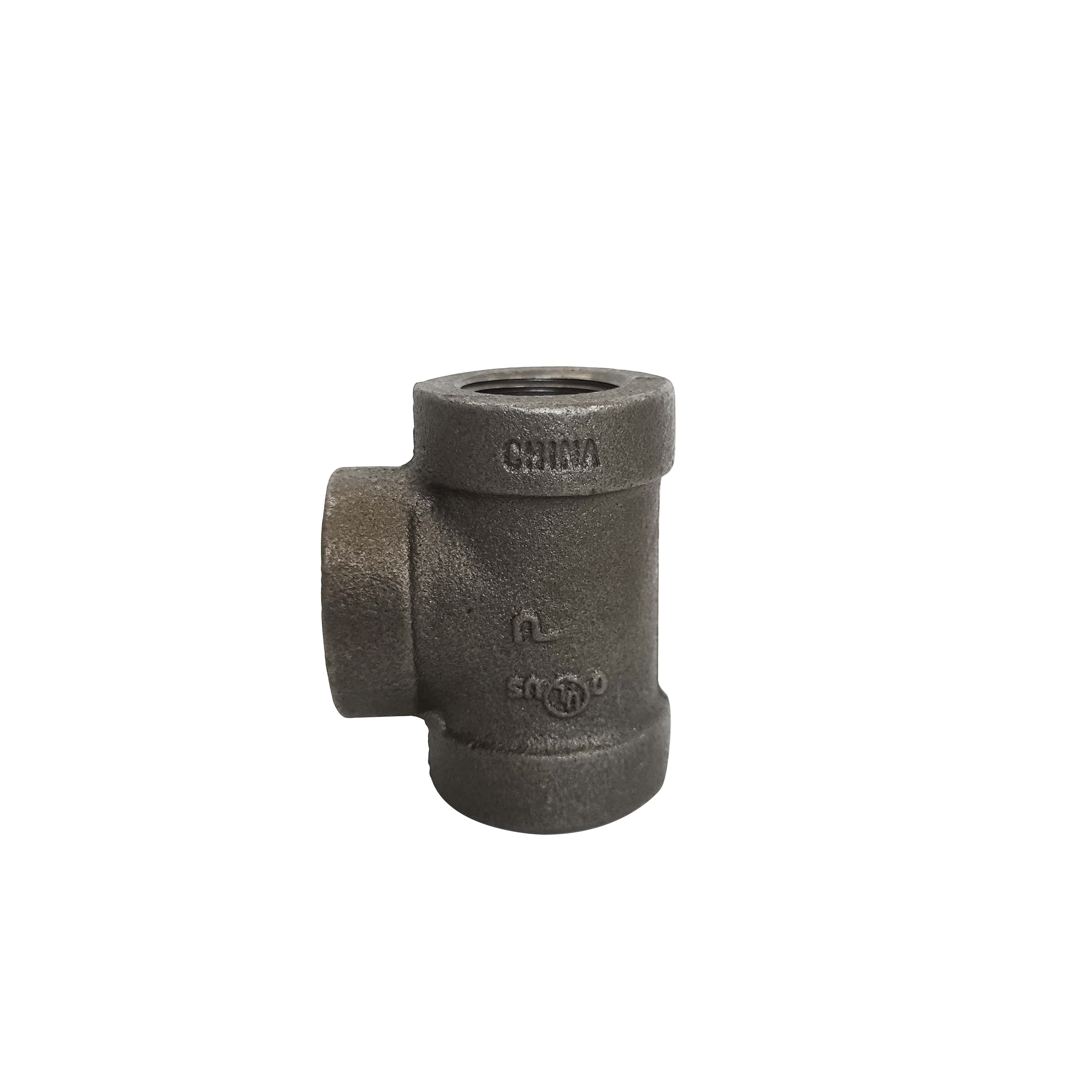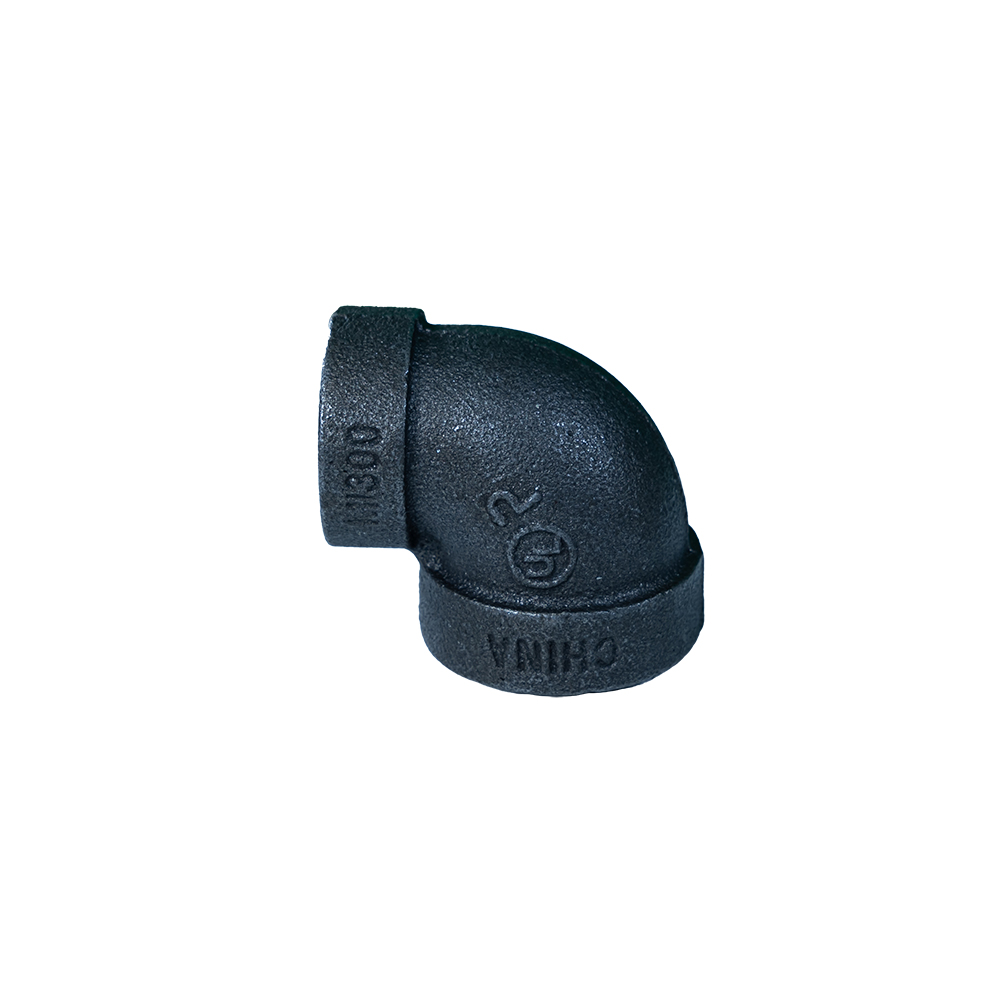

Galvanized Tee Fittings: Backbone of Durable and Cost-Effective Piping Systems
It might sound mundane to some, but galvanized tee fittings quietly support much of the world's growing infrastructure. Whether it's delivering clean water, building resilient industrial plants, or ensuring stable gas pipelines, these modest metal connectors play a surprisingly pivotal role. Understanding galvanized tee fittings isn’t just for engineers or builders; it’s increasingly vital globally because they represent a blend of durability, safety, and cost-efficiency in harsh environments. In a world striving for infrastructure sustainability and rapid deployment, recognizing how these fittings function and where they excel unlocks smarter purchasing and design decisions.
The Global Importance of Galvanized Tee Fittings
The industrial use of galvanized tee fittings spans continents and sectors, from sprawling urban water systems to remote energy projects. According to the International Organization for Standardization (ISO), galvanized fittings must comply with stringent corrosion resistance levels to meet international durability standards (1). And the demand? The global piping fittings market is projected to grow steadily, partly fueled by expanding infrastructure needs in Asia-Pacific, the Middle East, and Africa—regions where galvanized components are favored due to their cost-effectiveness and resilience (2).
But here lies a problem often overlooked: untreated steel fittings corrode quickly under harsh external or chemical stresses. This corrosion shortens pipeline lifespan, increasing maintenance costs and risks of failure. Galvanized tee fittings offer a solution, extending service life significantly and reducing resource waste.
What Exactly Are Galvanized Tee Fittings?
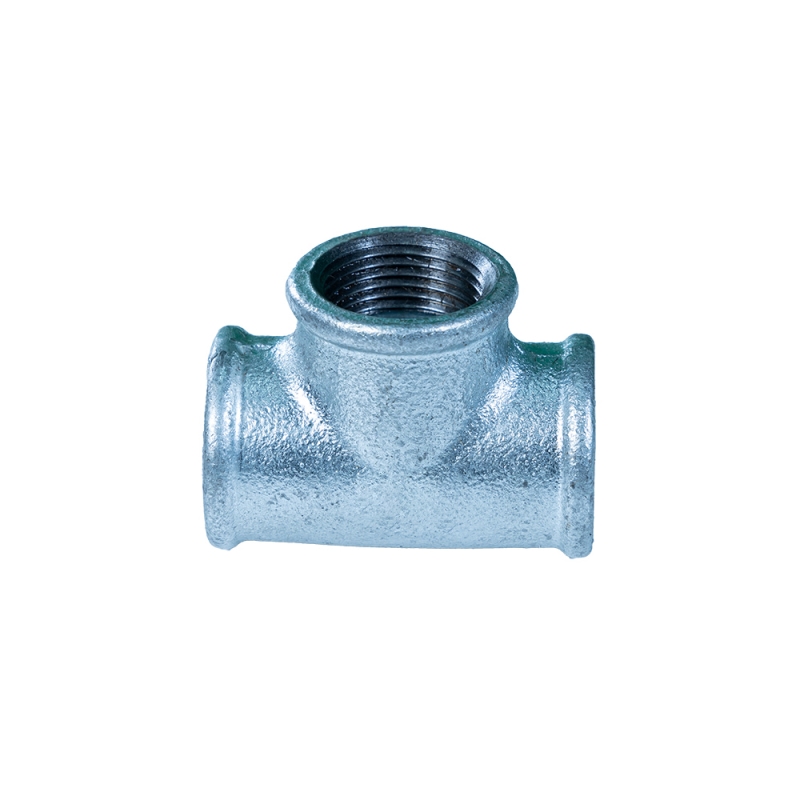
In simple terms, a galvanized tee fitting is a T-shaped connector that joins three sections of pipe — typically steel or iron — used to split or combine fluid flow. The “galvanized” part means the fitting is coated with a protective zinc layer via a hot-dip process, creating a barrier against corrosion and rust. This finish isn’t just cosmetic; it’s a linchpin for longevity in both outdoor and industrial environments.
These fittings are critical in industries ranging from water treatment and petrochemicals to construction and agriculture. And to be quite honest, without them, distributing fluids safely and reliably would be a huge challenge — something as routine as turning on a faucet or fueling up machinery would be far less dependable.
Core Features That Make Galvanized Tee Fittings Stand Out
Durability and Corrosion Resistance
The zinc coating helps protect steel from oxidation, extending the lifespan of the fittings anywhere from 10 to 50 years, depending on environment. Engineers often emphasize that galvanized tees minimize maintenance downtime, especially in humid or coastal regions where rust accelerates.
Cost Effectiveness
Compared to stainless steel or plastic alternatives, galvanized fittings strike a remarkable balance between price and performance. While stainless steel might be more corrosion-resistant, it’s exponentially more expensive and often unnecessary for many common applications.
Ease of Installation and Compatibility
Galvanized tee fittings come in standard dimensions making them easy to install without special tools. They fit seamlessly with standard steel pipe sizes, which is essential on large projects where delay costs skyrocket.
Versatility Across Industries
Whether it’s plumbing potable water systems, fueling industrial boilers, or irrigating farmland, galvanized tees do their job well. Their robustness means they’re used in disaster relief infrastructure too since they’re reliable and quick to deploy.
Environmental Resistance
Despite the zinc layer, prolonged exposure to highly acidic or alkaline fluids can degrade fittings. That’s why selecting the right grade and zinc thickness per ISO corrosion standards (ISO 1461) is crucial.
Safety and Compliance
Using galvanized tee fittings ensures pipelines meet safety codes related to potable water and gas distribution—critical to prevent leaks, contamination, or hazardous failures.
Mini takeaway: In real terms, it’s the balance of longevity, cost, and safety that keeps galvanized tee fittings in global pipelines year after year.
How Galvanized Tee Fittings Power Industry and Communities Globally
From bustling cities to remote villages, galvanized tees are quietly powering essential systems. Here’s how:
- Water Distribution: Cities in Southeast Asia rely heavily on galvanized pipes to deliver clean water affordably to millions, despite tropical humidity accelerating corrosion risk.
- Oil & Gas: In regions like the Middle East, galvanized fittings serve in onshore process piping where high temperatures demand robust connections.
- Disaster Relief: NGOs deploying temporary shelters and sanitation systems after earthquakes or floods use galvanized fittings to rapidly connect plumbing that must last.
- Agriculture: Remote farming communities in Africa install galvanized tees for irrigation systems due to their proven durability and ease of local maintenance.
Oddly enough, these fittings are often the unsung heroes of infrastructure resilience—components you don't think about until something goes wrong.
Comparing Leading Galvanized Tee Fitting Vendors
| Vendor | Pricing ($/unit) | Zinc Coating Thickness (μm) | Standard Certifications | Lead Time (days) |
|---|---|---|---|---|
| PanNext Fittings | 1.25 | 85 | ISO 1461, ASTM A153 | 5-7 |
| SteelLink Co. | 1.10 | 70 | ISO 1461 | 10-14 |
| Global Metalworks | 1.4 | 90 | ASTM A153, EN 10240 | 7-10 |
Typical Specifications of a Galvanized Tee Fitting
| Specification | Details |
|---|---|
| Material | Carbon Steel, Hot-Dip Galvanized |
| Standard Sizes | 1/2" to 4" NPT |
| Threads | National Pipe Thread (NPT) |
| Zinc Coating Thickness | ≥ 85 μm (per ASTM A153) |
| Pressure Rating | 150 psi (approx.) |
| Application | Water, Gas, Air, Oil Lines |
Benefits That Last: Why Choose Galvanized Tee Fittings?
- Lower Total Cost of Ownership: By reducing corrosion-related failures, galvanized tees cut replacement and downtime expenses.
- Environmental Sustainability: Extending service life means fewer materials consumed and less waste overall.
- Safety & Trust: With tested durability, users gain confidence in the integrity of their infrastructure.
- Emotional Peace of Mind: For municipalities or companies, knowing pipelines won't fail unexpectedly means fewer headaches and more stability.
In practice, many engineers I’ve talked to praise the straightforward, reliable performance of these fittings — especially in environments where alternatives just don't hold up well.
Looking Ahead: Innovations in Galvanized Tee Fittings
While the traditional hot-dip galvanizing method remains dominant, companies innovate toward:
- Improved Zinc Layer Uniformity: Laser coating and zinc alloy layers aim to provide longer corrosion resistance.
- Smart Coatings: Emerging technologies incorporate sensors to monitor structural integrity in real time.
- Eco-friendly Processes: Reduced emissions and waste during galvanizing are shaping greener production lines.
- Digital Integration: Incorporating QR codes and IoT tracking to secure supply chains and guarantee product authenticity.
So, in a sense, even these old-school fittings are adapting to 21st-century demands.
Common Challenges and Practical Solutions
Despite their strengths, galvanized tee fittings aren’t flawless. Common issues include:
- Risk of Zinc Coating Damage During Installation: Scratches can expose steel to rust. Solution? Careful handling and use of protective wraps.
- Unsuitability for Highly Acidic Environments: Use stainless steel or specialized coatings if acid exposure is significant.
- Variation in Zinc Thickness Among Vendors: Insist on certified suppliers and test batches for compliance.
- Thread Galling: Proper lubrication during assembly helps reduce wear and tear.
FAQ: Frequently Asked Questions About Galvanized Tee Fittings
- How long do galvanized tee fittings typically last in outdoor water systems?
- Generally, they last between 20 to 50 years depending on environmental conditions like humidity, soil type, and maintenance. Coastal areas might experience shorter lifespans due to salt exposure, but proper galvanizing and installation practices extend usability.
- Are galvanized tee fittings suitable for potable water systems?
- Yes, they are commonly used in potable water distribution, provided they meet relevant health and safety certifications such as NSF/ANSI standards. The zinc coating prevents rust contaminants from entering the water supply.
- Can galvanized fittings be painted over?
- Absolutely. Painting galvanized fittings can provide additional corrosion protection and improve aesthetics. However, special surface preparation is needed because zinc surfaces can repel standard paints.
- What standards regulate the quality of galvanized tee fittings?
- Key standards include ASTM A153 for zinc coating, ISO 1461 for hot-dip galvanizing, and ASTM A234 for pipe fittings. Using fittings certified to these standards ensures consistent quality.
- How do I know if galvanized fittings are right for my industrial project?
- Consider factors like exposure to corrosive chemicals, required pressure ratings, budget constraints, and maintenance plans. Galvanized tees are excellent for most general-purpose applications where moderate corrosion resistance is needed at a reasonable cost.
Wrapping Up: Why Galvanized Tee Fittings Remain a Smart Choice
These fittings may not pop up in flashy industry news, but their role in sustainable, cost-effective piping isn’t to be underestimated. With the right selection and installation, galvanized tee fittings marry longevity with affordability — a win-win for engineers and infrastructure planners worldwide.
If you want to dig deeper into high-quality galvanized tee fittings and compare options, check out our reliable suppliers and product ranges — because your infrastructure deserves nothing less.
Mini takeaway: Investing in the right galvanized fitting now can save a world of trouble down the line — I say that from experience in harsh environments.
References:
Post time: Nov-29-2025