
Industry Trends and the Critical Role of Pipe Caps
In the vast and complex world of industrial piping systems, components like the cast iron cap play an indispensable role in ensuring system integrity, safety, and operational efficiency. These essential fittings are used to seal the end of a pipe, preventing the ingress of contaminants and the egress of contained media, whether it be water, gas, oil, or chemicals. The global infrastructure development, particularly in urban water supply, wastewater treatment, petrochemicals, and energy sectors, continues to drive demand for reliable and robust pipe fittings.
Current industry trends emphasize material science advancements, focusing on enhanced corrosion resistance, higher pressure ratings, and extended service life. The market is also seeing a shift towards fittings that offer easier installation and reduced maintenance requirements. Furthermore, sustainability concerns are prompting manufacturers to adopt more eco-friendly production processes and materials. The versatility and inherent strength of iron, specifically in its cast form, position the cast iron cap as a foundational component that continues to evolve to meet these rigorous demands.
Technological innovations, such as advanced coatings and precision machining, are further elevating the performance benchmarks for these seemingly simple components, making them critical for long-term operational success in diverse and challenging environments. The increasing complexity of industrial systems necessitates components that not only perform under extreme conditions but also integrate seamlessly into smart infrastructure solutions.
Technical Specifications and Parameters of Cast Iron Caps
The performance and reliability of a cast iron pipe cap are dictated by its technical specifications, which adhere to stringent international and regional standards. Key parameters include material composition, pressure rating, size, connection type, and surface finish. Common materials for these caps include Grey Cast Iron (GG25, Class 30/35) and Ductile Cast Iron (GGG50, ASTM A536 Grade 65-45-12), chosen for their distinct mechanical properties and resistance to various environmental factors.
Pressure ratings typically conform to PN10, PN16, PN25, or even higher, depending on the application. Sizes range from DN50 (2 inches) up to DN1200 (48 inches) or more, accommodating a vast array of pipe diameters. Connection types primarily include threaded (NPT, BSPT) for smaller sizes and flanged or bell-and-spigot for larger diameters, ensuring a secure and leak-proof seal. Surface finishes often involve epoxy coating (FBE), asphaltic bitumen, or galvanization to enhance corrosion resistance and extend service life, particularly in aggressive soil conditions or chemical exposure.
Typical Product Specification Table: Factory Supply Cap Tube Cap
| Parameter | Specification |
|---|---|
| Material | Ductile Iron GGG50 / ASTM A536 Grade 65-45-12, Grey Iron GG25 |
| Standard | ISO 2531, EN 545, EN 598, ANSI/AWWA C153/C110 |
| Nominal Diameter (DN) | DN50 - DN1200 (2 inches - 48 inches) |
| Pressure Rating (PN) | PN10, PN16, PN25 (1.0 MPa, 1.6 MPa, 2.5 MPa) |
| Connection Type | Flanged, Socketed (Bell-and-spigot), Threaded (NPT/BSPT) |
| Coating | Fusion Bonded Epoxy (FBE) minimum 250 microns, Bitumen, Zinc + Bitumen |
| Tensile Strength (Ductile) | ≥420 MPa |
| Yield Strength (Ductile) | ≥300 MPa |
| Elongation (Ductile) | ≥5% |
Compliance with standards like ISO 2531 for ductile iron pipes and fittings, EN 545 for ductile iron pipes, fittings, and accessories for water applications, and ANSI/AWWA C153/C110 for ductile iron compact fittings ensures interoperability, quality, and safety across various global projects. Rigorous hydrostatic testing and non-destructive examinations (NDE) are routinely performed to guarantee the integrity of each cast iron end cap before it leaves the factory.
Manufacturing Process Flow of Cast Iron Caps
The production of a high-quality cast iron pipe end cap involves a meticulous multi-stage process, starting from raw material selection to final quality inspection. Each step is critical to ensure the finished product meets stringent technical specifications and performance requirements for a service life often exceeding 50 years.
Detailed Process Steps:
- Material Selection & Melting: High-grade pig iron, scrap iron, and alloying elements (e.g., magnesium for ductile iron) are carefully selected. These materials are melted in induction furnaces, ensuring precise chemical composition control.
- Molding: For traditional sand casting, patterns are created, and molds are formed using sand, binders, and other additives. For higher volume or specific geometries, centrifugal casting might be employed for pipe sections, though caps are typically sand-cast.
- Pouring: Molten iron, at carefully controlled temperatures (typically 1400-1500°C), is poured into the prepared molds. This step requires precision to prevent defects like porosity or inclusions.
- Cooling & Solidification: The poured metal is allowed to cool gradually within the mold. Controlled cooling is vital for achieving the desired microstructure and mechanical properties.
- Fettling & Cleaning: Once solidified, the castings are removed from the molds. Excess material (risers, runners, gates) is removed, and the surface is cleaned through shot blasting to remove sand and scale, revealing a smooth finish.
- Heat Treatment (for Ductile Iron): Ductile iron caps undergo specific heat treatment processes (e.g., annealing) to enhance their ductility and toughness, transforming the graphite structure into spherical nodules.
- Machining & Finishing: CNC machining centers are used for precise machining of critical dimensions, such as flange faces, bolt holes, and thread profiles, ensuring perfect fit and seal.
- Coating & Lining: Depending on the application, caps are coated internally and/or externally. Common coatings include fusion-bonded epoxy (FBE) for excellent corrosion protection, bitumen for general-purpose use, or zinc with a bitumen topcoat for enhanced durability in harsh environments.
-
Quality Control & Testing: This crucial stage involves multiple tests:
- Dimensional Inspection: Verification against engineering drawings using calipers, gauges, and coordinate measuring machines (CMM).
- Material Composition Analysis: Spectroscopic analysis to confirm chemical composition.
- Mechanical Testing: Tensile strength, yield strength, and elongation tests (especially for ductile iron).
- Hydrostatic Pressure Testing: Each cap is individually tested to withstand specified internal pressures (e.g., ISO 2531, ANSI standards), ensuring no leaks or structural failures.
- Coating Adhesion & Thickness Tests: To verify coating quality.
- Visual Inspection: For surface defects.
- Packaging & Dispatch: Products are carefully packaged to prevent damage during transit, often with protective wraps and crating for international shipping.
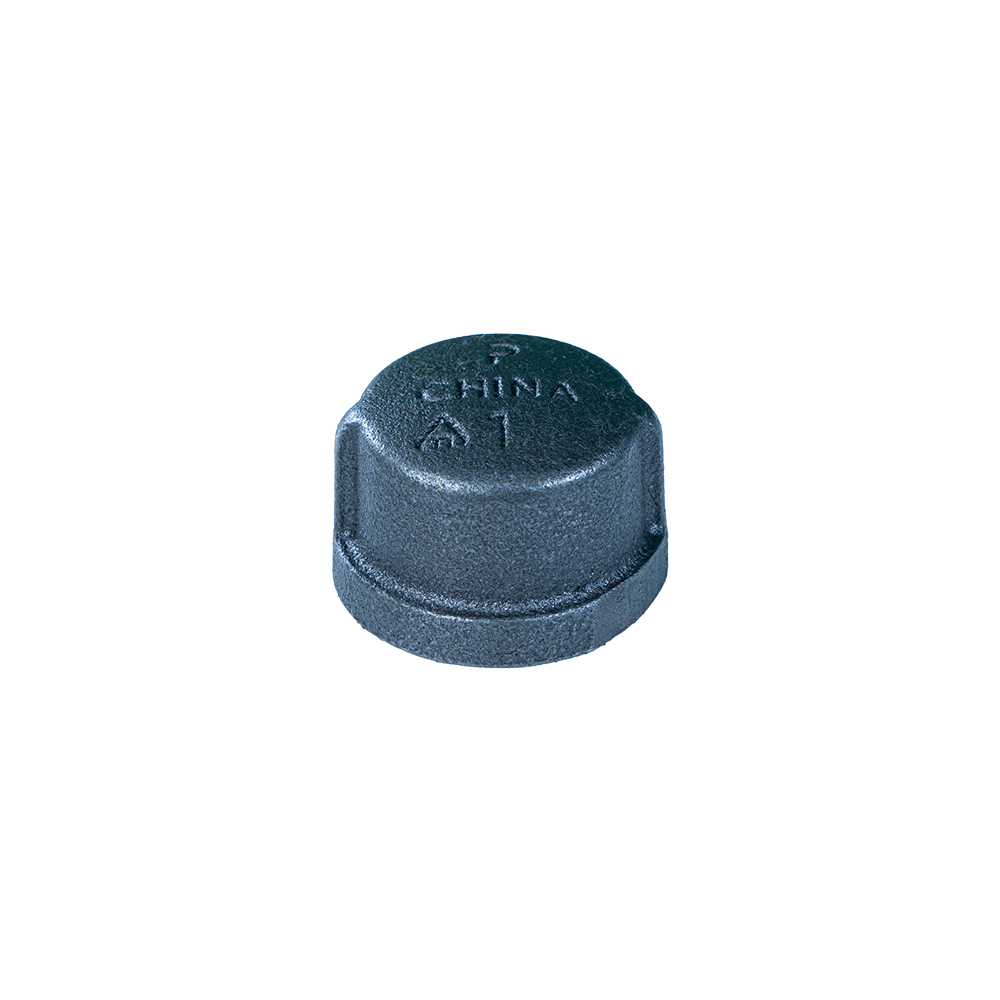
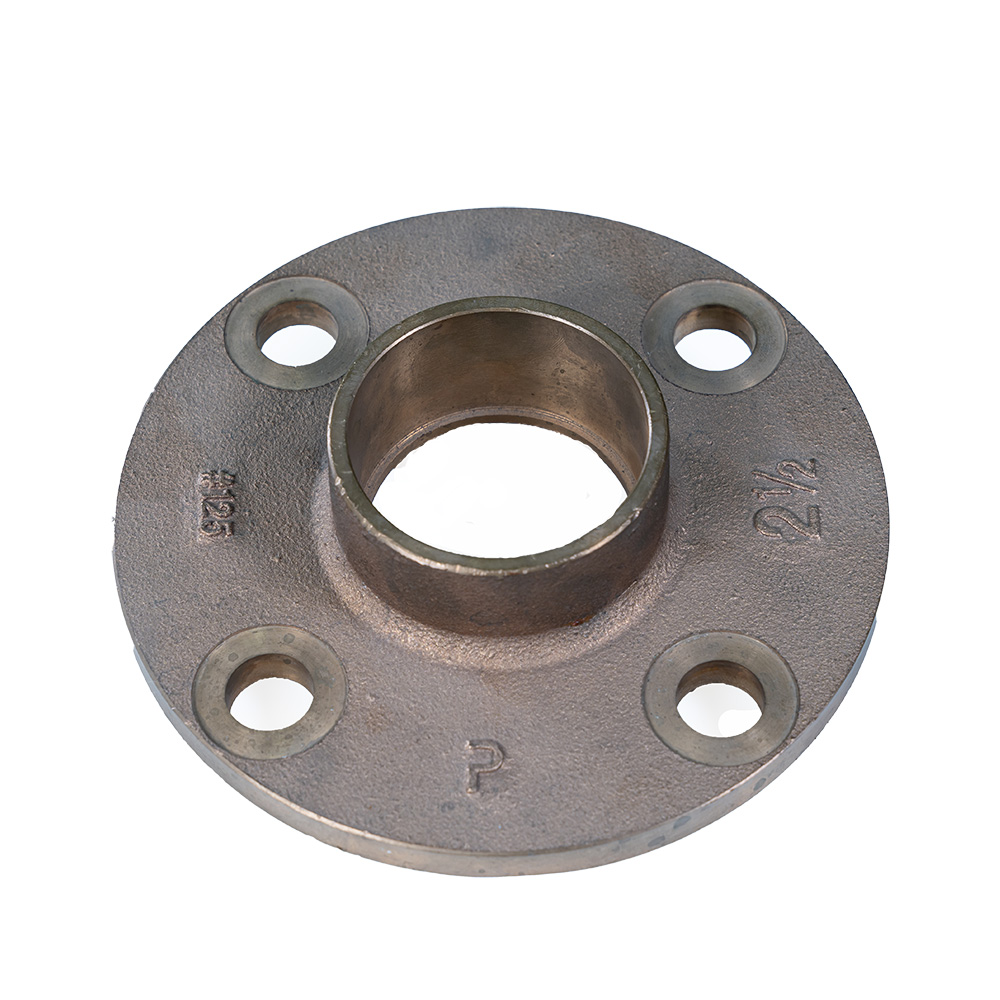
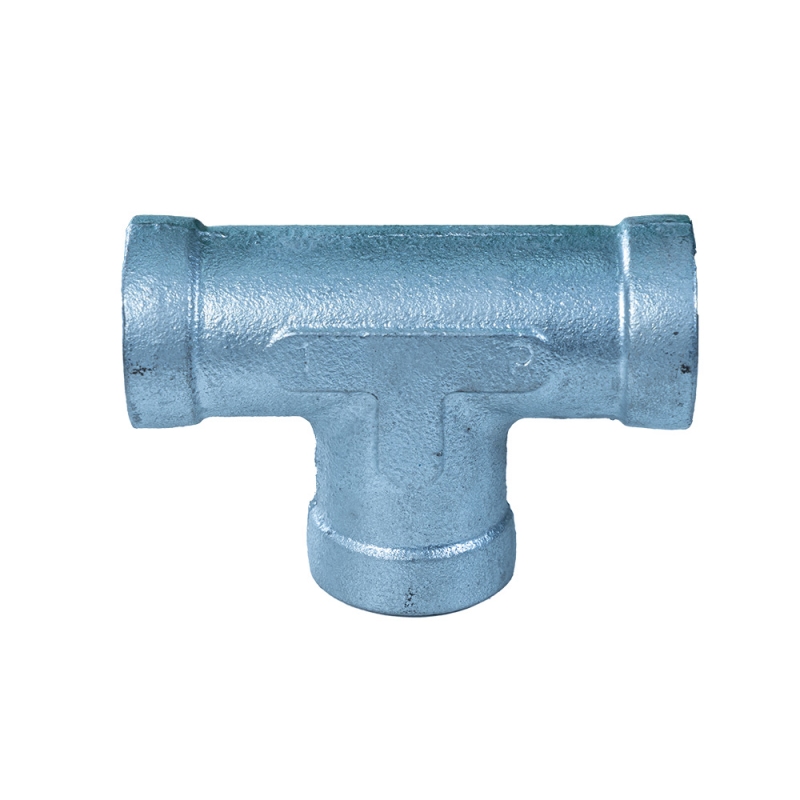
Image 1: Precision casting of robust iron components, crucial for manufacturing high-integrity cast iron caps.
This rigorous process, adhering to international standards such as ISO 9001 for quality management and specific product standards like ANSI/AWWA, ensures that each cast iron cap delivers superior performance, energy saving potential by preventing leaks, and exceptional corrosion resistance in its intended application environments, particularly within petrochemical, metallurgy, and water supply & drainage systems.
Technical Advantages of Cast Iron Caps
The enduring popularity of cast iron pipe caps in industrial applications is a testament to their exceptional technical advantages. These advantages translate directly into long-term reliability, cost-effectiveness, and operational safety for various piping infrastructures.
- Exceptional Durability and Longevity: Cast iron, especially ductile iron, offers high mechanical strength and resistance to external impacts, making these caps incredibly durable. Their robust construction ensures a service life often exceeding 50 years, minimizing the need for frequent replacements and reducing lifecycle costs.
- Superior Corrosion Resistance: With advanced internal and external coatings like Fusion Bonded Epoxy (FBE) or cement mortar lining, cast iron caps exhibit excellent resistance to corrosion from aggressive media (e.g., wastewater, certain chemicals) and corrosive soil conditions. This prevents material degradation and maintains structural integrity over decades.
- High Pressure and Temperature Tolerance: Engineered to withstand significant internal pressures (up to PN25 or higher) and a wide range of temperatures, these caps are suitable for high-demand applications in sectors like petrochemicals and power generation, where operational stability under stress is paramount.
- Dimensional Stability and Sealing Integrity: Precision manufacturing and machining ensure tight dimensional tolerances, facilitating accurate fitting and superior sealing performance. This minimizes leakage risks, crucial for maintaining system efficiency and preventing environmental contamination.
- Cost-Effectiveness: While the initial investment might be comparable to other materials, the extended service life, low maintenance requirements, and inherent material strength of cast iron fittings translate into a lower total cost of ownership (TCO) over the project's lifetime.
- Versatility in Application: Available in a wide range of sizes, pressure classes, and connection types (flanged, threaded, socketed), cast iron caps offer immense versatility, making them suitable for diverse industrial and utility applications from water distribution to industrial processing.
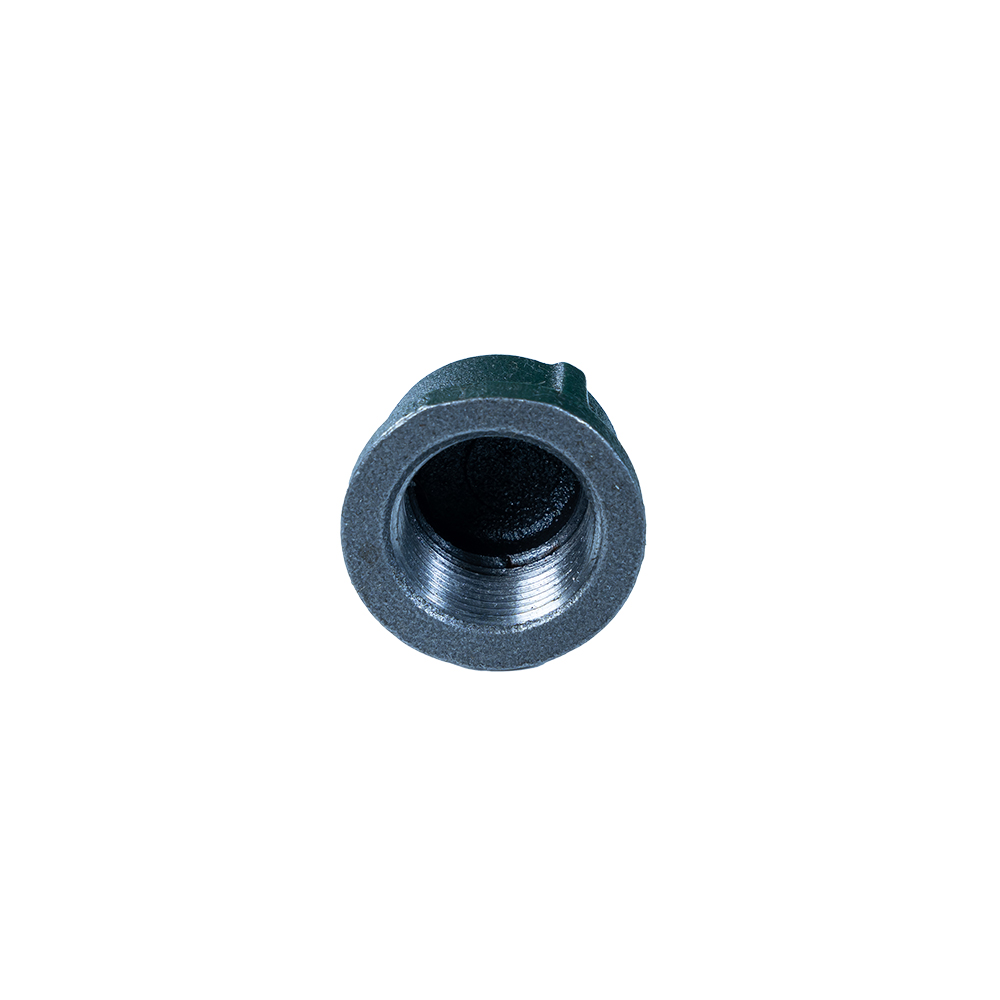
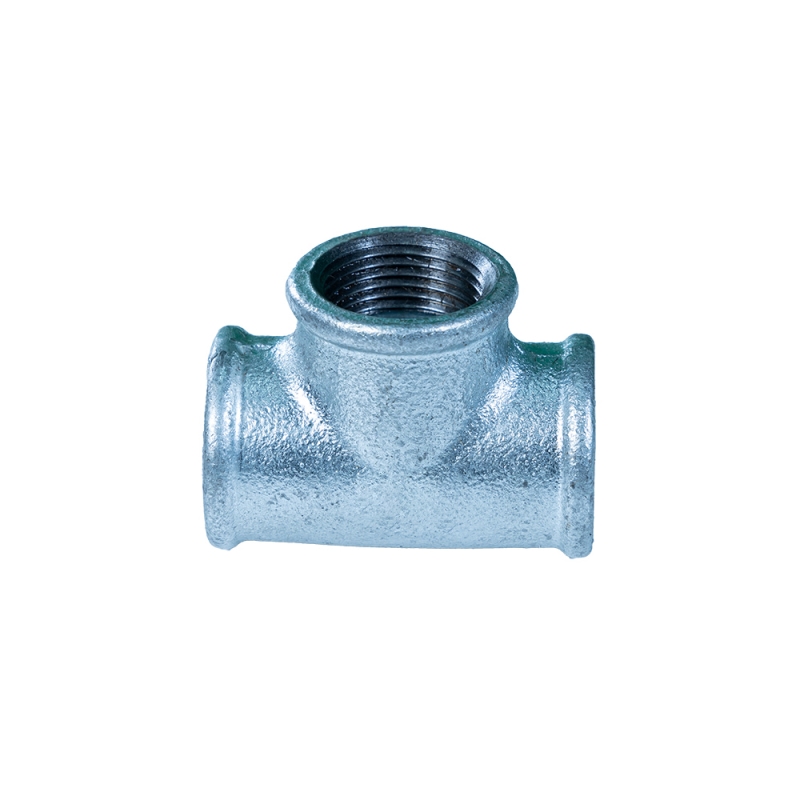
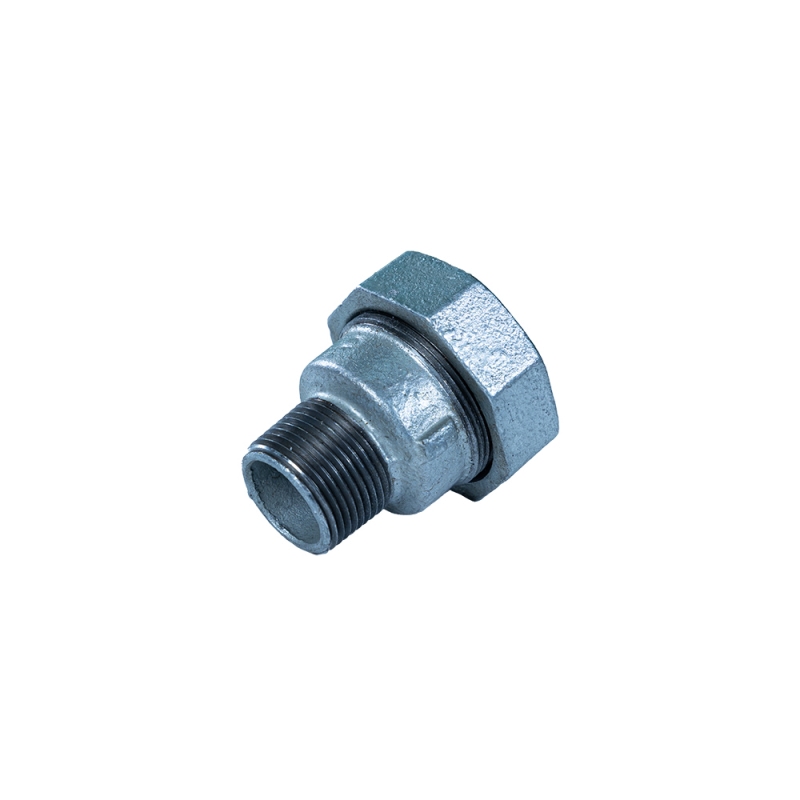
Image 2: High-pressure testing facility ensuring the integrity and reliability of cast iron pipe fittings.
These combined attributes make the cast iron cap a reliable and economically sound choice for critical piping infrastructure worldwide, particularly where robust and long-lasting sealing solutions are required.
Application Scenarios Across Industries
The utility of a cast iron pipe cap extends across a myriad of industries, proving its adaptability and reliability in sealing pipelines during construction, maintenance, or as a permanent end-stop. Its robust nature makes it ideal for environments where stability and resistance to external factors are paramount.
- Water Supply and Distribution: This is perhaps the most common application. Cast iron end caps are extensively used in municipal water networks to terminate water mains, isolate sections for repair, or close off branches for future expansion. Their corrosion resistance and long service life are critical for underground infrastructure.
- Wastewater Treatment and Drainage: In sewer systems and wastewater treatment plants, these caps provide effective seals against corrosive effluent. Their ability to withstand chemical exposure and provide a tight seal prevents leaks and ensures environmental compliance.
- Petrochemical and Oil & Gas: In these demanding sectors, where pipelines transport volatile and corrosive fluids at high pressures, the integrity of every component is crucial. Cast iron caps, particularly those made from ductile iron with specialized coatings, offer the required strength, pressure rating, and chemical resistance.
- Industrial Process Piping: Manufacturing plants, chemical processing facilities, and power generation units utilize cast iron caps for various process lines carrying water, steam, non-corrosive gases, and other industrial fluids, relying on their durability for continuous operation.
- Fire Protection Systems: In sprinkler systems and hydrants, cast iron caps are used to seal temporary or permanent pipe ends, ensuring system integrity and preventing blockages or leaks that could compromise fire safety.
- HVAC and Cooling Systems: Large-scale HVAC systems and industrial cooling lines often employ cast iron piping, where caps are used to terminate runs or during system commissioning and decommissioning.
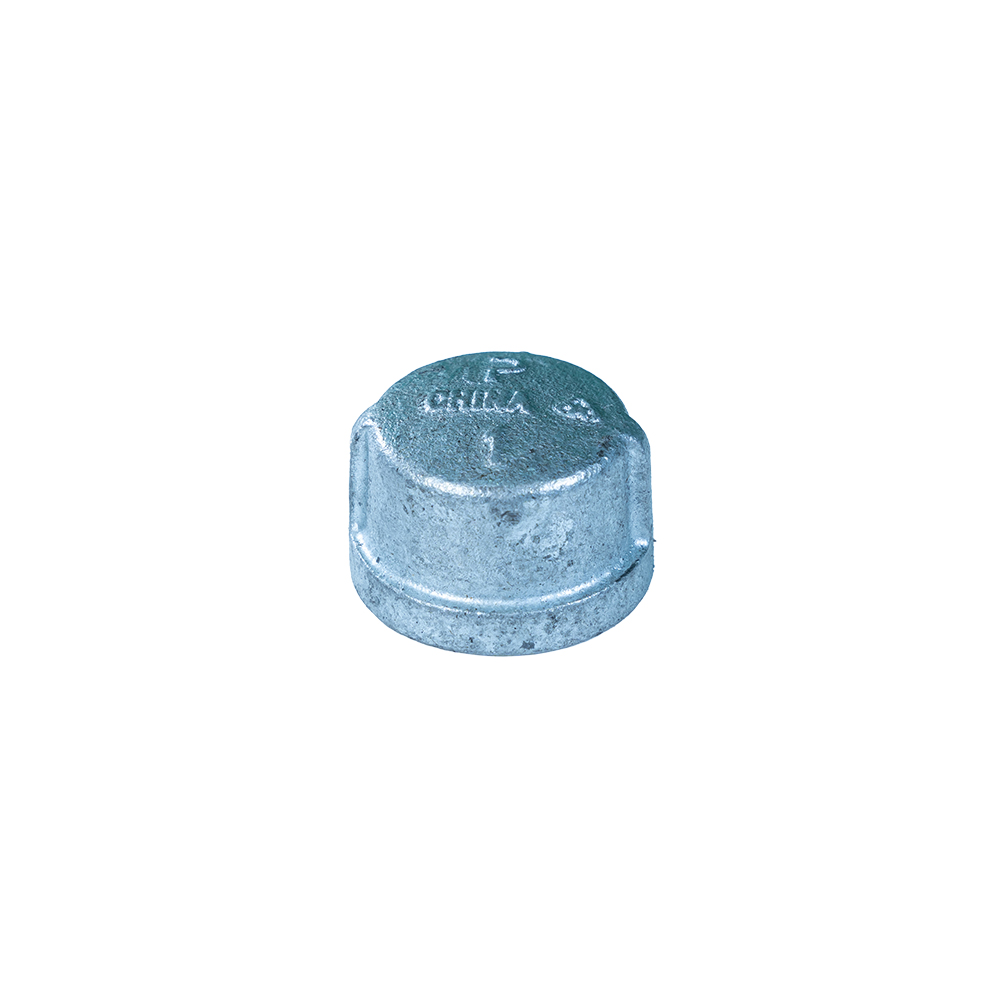
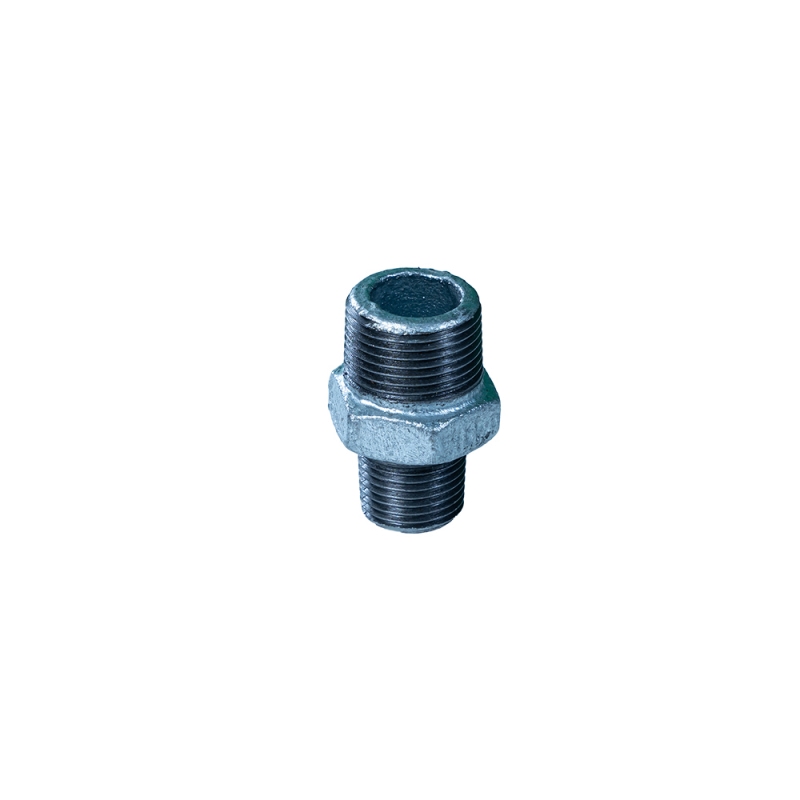
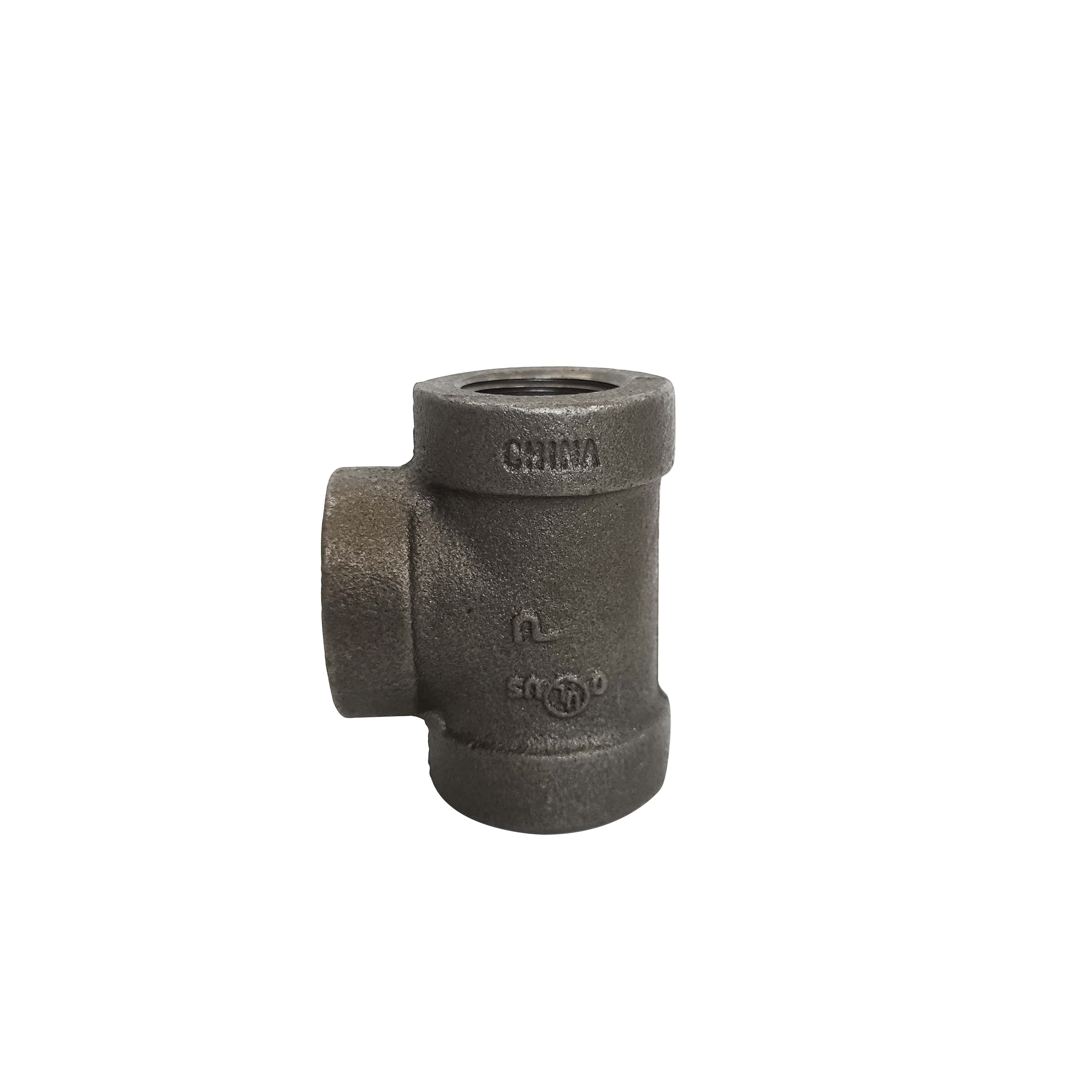
Image 3: Diverse range of pipe fittings, including various designs of cast iron caps, ready for global distribution.
In each of these scenarios, the ability of a cast iron cap to provide a secure, leak-free, and long-lasting seal is paramount, contributing to the overall reliability and safety of the entire piping infrastructure.
Vendor Comparison: Choosing the Right Supplier for Cast Iron Caps
Selecting the appropriate vendor for cast iron caps is a critical decision for B2B procurement, impacting project timelines, budget, and long-term system performance. Key differentiators among suppliers typically include product quality, adherence to international standards, customization capabilities, and post-sales support.
Comparison Table for Cast Iron Cap Suppliers
| Feature/Criteria | Leading Global Supplier (e.g., Pannext) | Typical Regional Supplier | Budget Supplier |
|---|---|---|---|
| Product Quality & Material Traceability | Certified raw materials (SGS reports), full traceability, rigorous in-house testing (hydrostatic, chemical analysis). | Standard material grades, basic certifications, outsourced testing. | Variable material quality, minimal certifications, limited testing. |
| Adherence to Standards | ISO 9001, ISO 2531, EN 545/598, ANSI/AWWA, WRAS/NSF certified products. | Compliance with some regional standards, limited international certifications. | May meet basic local standards, often lacks specific product certifications. |
| Customization & Engineering Support | Full engineering design, custom sizes, coatings, materials; CAD/FEA capabilities. | Limited customization for standard ranges; basic technical advice. | No customization; off-the-shelf only. |
| Lead Time & Logistics | Optimized production, efficient global logistics, inventory management. | Standard lead times, regional shipping capabilities. | Potentially longer or inconsistent lead times; basic shipping. |
| After-Sales Support & Warranty | Comprehensive warranty, dedicated support team, technical assistance, site visits. | Standard warranty (1-2 years), basic phone/email support. | Limited or no warranty, minimal support. |
Leading manufacturers distinguish themselves through rigorous quality control, extensive R&D, and a commitment to customer service, ensuring that their cast iron end cap products not only meet but often exceed industry benchmarks. They provide detailed documentation, including material certificates and test reports, which are crucial for compliance and peace of mind in high-stakes projects.
Customized Solutions for Unique Project Requirements
While standard cast iron pipe caps address a wide range of applications, many industrial projects present unique challenges that necessitate customized solutions. Leading manufacturers specialize in collaborating with clients to design and produce caps that perfectly align with specific operational demands, environmental conditions, and integration requirements.
Customization options for a cast iron cap can include:
- Non-Standard Sizes and Pressure Ratings: Beyond typical DN ranges and PN classes, specialized caps can be engineered for exceptionally large diameters or extreme pressure requirements, often seen in large-scale civil engineering projects or heavy industry.
- Special Material Grades: For highly corrosive or abrasive media, specific alloying elements can be incorporated into the cast iron to enhance its chemical resistance or wear properties.
- Advanced Coating Systems: While FBE and bitumen are standard, projects might require multi-layer coating systems, specialized chemical-resistant linings, or internal cement mortar linings for potable water applications (certified to NSF/ANSI 61).
- Integrated Features: Custom caps can be designed with integrated testing ports, specialized connection interfaces (e.g., custom flange drilling), or anchoring points to meet specific system design and installation needs.
- Unique Design Geometries: From specific wall thicknesses for enhanced structural integrity to particular external profiles for ease of insulation or burial, customized geometries ensure optimal performance and integration.
A truly capable supplier will offer comprehensive engineering support, including CAD modeling, Finite Element Analysis (FEA) for stress testing, and material science expertise to ensure the custom solution performs flawlessly under specified conditions. This collaborative approach minimizes risks and optimizes project outcomes, providing a tailored fit for even the most demanding applications.
Application Case Studies: Proving Reliability in Action
Real-world applications best demonstrate the efficacy and reliability of cast iron end caps. Here are examples showcasing their critical role in diverse projects:
-
Case Study 1: Municipal Water Main Expansion (North America)
A major metropolitan area undertook a significant expansion of its potable water network, involving over 50 kilometers of new ductile iron pipelines (DN600-DN1000). Hundreds of flanged ductile iron caps, coated with NSF/ANSI 61 certified FBE, were deployed to terminate new branches, cap off existing lines for future connections, and isolate sections during phased construction. The client reported zero leakages during hydrostatic testing and lauded the ease of installation, attributing it to precise manufacturing tolerances and consistent product quality. The projected service life for these caps exceeded 70 years, reducing long-term maintenance costs significantly. -
Case Study 2: Industrial Wastewater Treatment Plant (Europe)
An industrial facility required an upgrade to its wastewater treatment infrastructure, which involved handling chemically aggressive industrial effluent. The project specified ductile iron pipe caps with specialized internal epoxy linings resistant to high concentrations of acids and alkalis. Despite the challenging environment, the caps have performed flawlessly for over five years, preventing any corrosive ingress or egress and maintaining system integrity. Regular inspections show no signs of corrosion or material degradation, underscoring the effectiveness of customized material and coating solutions. -
Case Study 3: Hydroelectric Power Plant Cooling System (Asia)
For a large-scale hydroelectric power plant, robust pipe caps were needed for its immense cooling water intake and discharge lines (DN1200). Custom-fabricated ductile iron caps with enhanced wall thickness and a specialized anti-fouling coating were supplied. These caps needed to withstand significant external forces (due to burial depth and seismic activity potential) and internal pressure fluctuations. The caps successfully passed all pressure and integrity tests, becoming a critical, maintenance-free component of the plant’s cooling system, ensuring stable operation for peak energy demands. - Customer Feedback: "The consistent quality and on-time delivery of these cast iron caps were instrumental in keeping our project on schedule. The technical support team was highly responsive, addressing all our queries from material specifications to installation best practices. It's clear that their commitment to engineering excellence translates into reliable products." - Project Manager, Large Infrastructure Group.
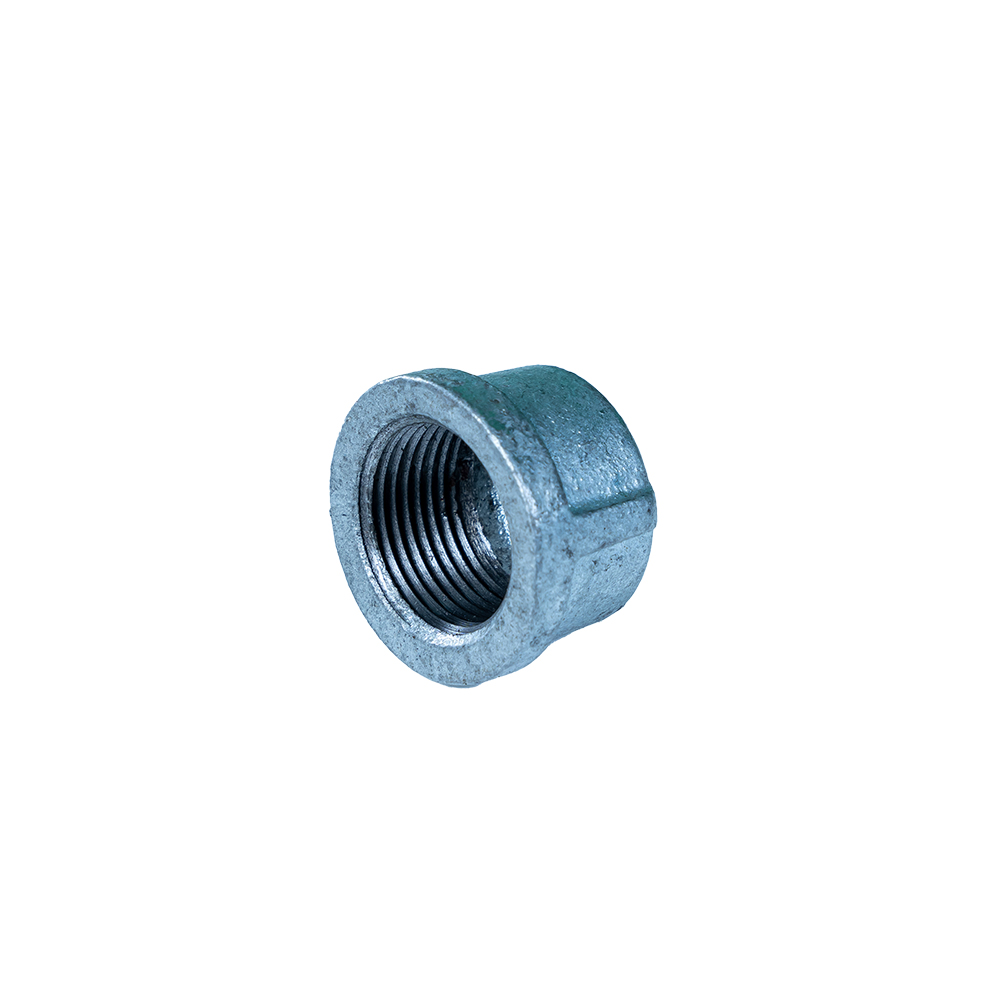
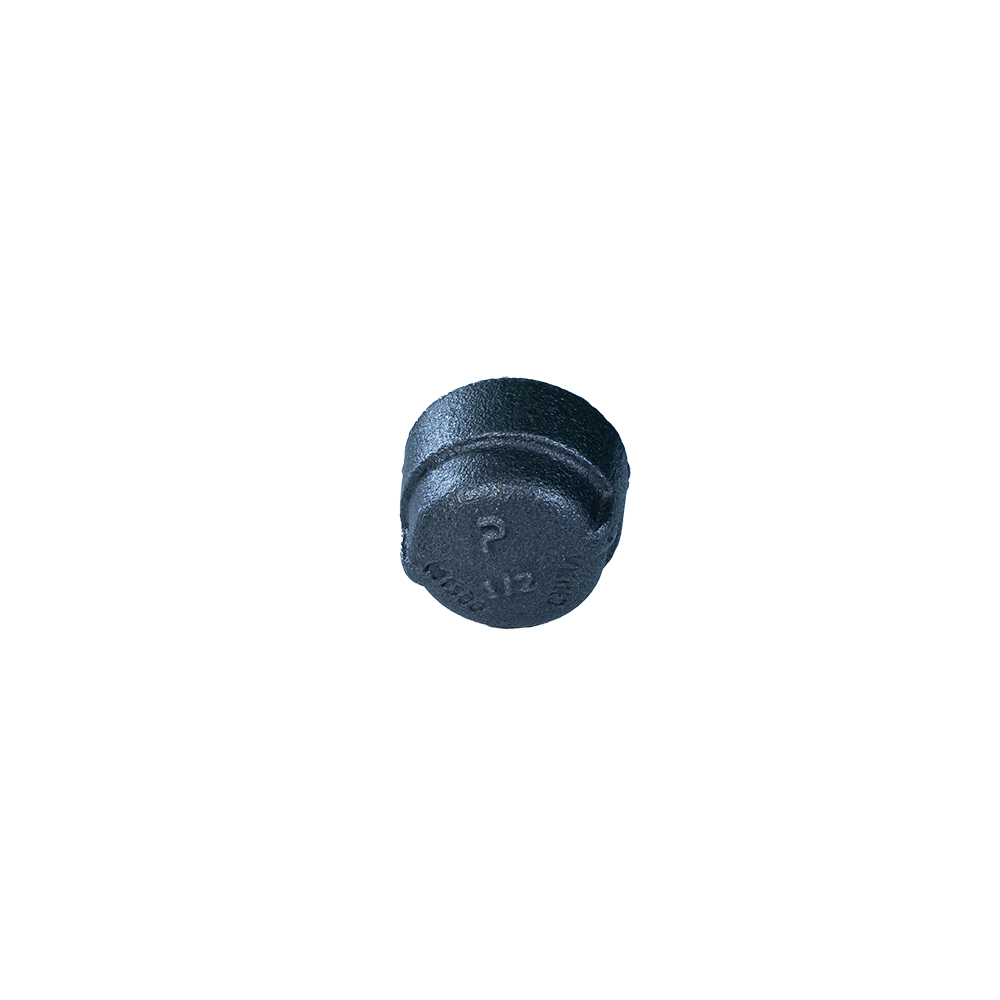
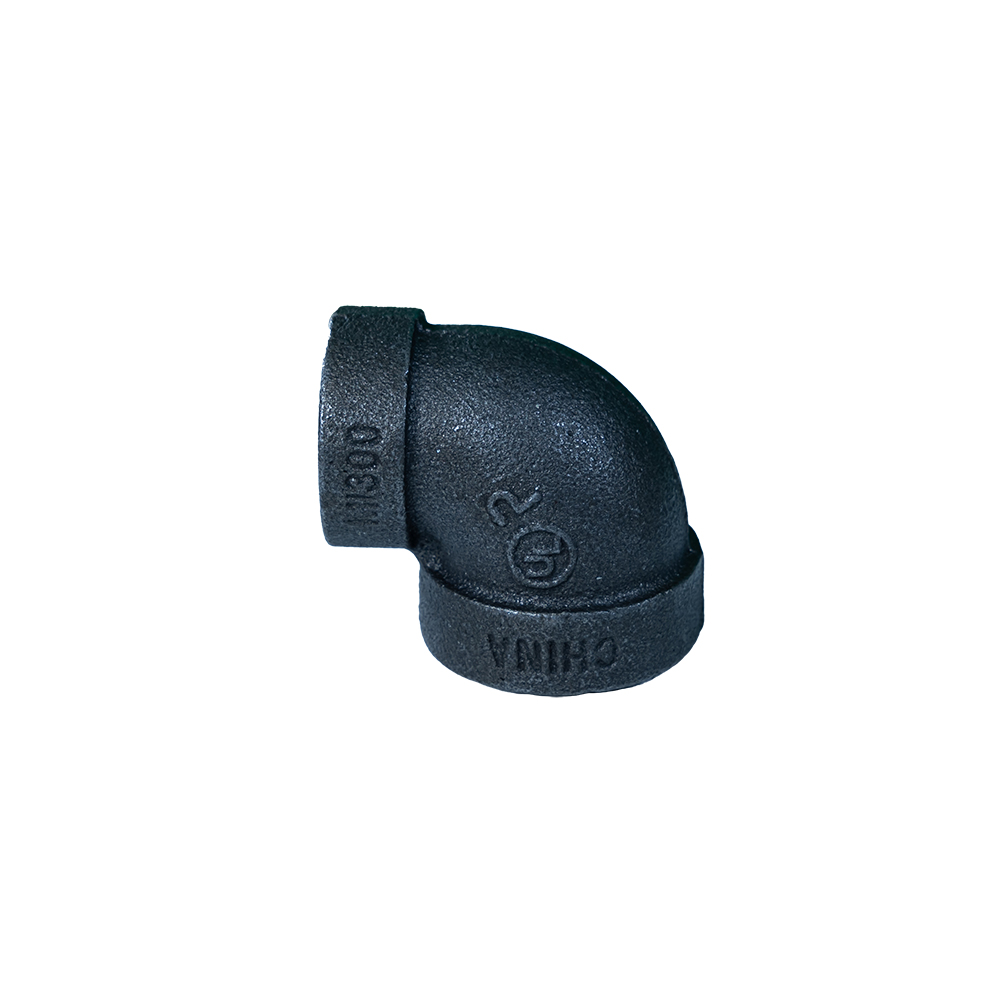
Image 4: Organized inventory of ready-to-ship cast iron fittings and caps, reflecting efficient supply chain management.
These case studies illustrate how high-quality cast iron caps contribute to the safety, longevity, and efficiency of critical infrastructure projects globally, reaffirming their status as an authoritative choice for pipe sealing.
Ensuring Trustworthiness: FAQ, Lead Time, Warranty, and Support
Frequently Asked Questions (FAQ)
Q: What is the typical service life of your cast iron caps?
A: Our ductile iron caps are designed for a service life exceeding 50 years, often reaching 70-100 years under normal operating conditions, especially with appropriate coatings and proper installation.
Q: Do your caps comply with international standards?
A: Yes, our products rigorously adhere to international standards such as ISO 2531, EN 545, EN 598, and ANSI/AWWA C153/C110. We also provide certifications like ISO 9001 for quality management and WRAS/NSF for potable water applications where applicable.
Q: Can you provide custom sizes or specific coatings?
A: Absolutely. We offer comprehensive customization options, including non-standard dimensions, specific pressure ratings, and specialized coatings (e.g., chemical-resistant epoxy, cement mortar lining) tailored to unique project specifications. Our engineering team can assist with design and material selection.
Lead Time and Fulfillment
Our manufacturing process is optimized for efficiency without compromising quality. Standard cast iron cap orders typically have a lead time of 4-6 weeks from order confirmation to dispatch. For customized solutions or large-volume orders, lead times will be provided upon detailed project assessment. We maintain strategic inventory levels for commonly requested items to support urgent requirements. Our logistics team works with trusted global freight partners to ensure timely and secure delivery worldwide.
Warranty Commitments
We stand behind the quality and durability of our products. All Factory Supply Cap Tube Caps are backed by a comprehensive 5-year warranty against manufacturing defects and material failures under normal operating conditions. This commitment reflects our confidence in our stringent quality control processes and the superior materials used. Extended warranty options may be available for specific projects; please contact our sales team for details.
Customer Support Information
Our dedicated customer support team is available to assist you from initial inquiry through post-installation. We offer technical consultations, product selection guidance, installation best practices, and after-sales support. You can reach us via our website's contact form, email, or direct phone line during business hours. For urgent technical inquiries, a dedicated engineering support channel is available to provide expert assistance.
Conclusion and Authoritative References
The selection and deployment of high-quality cast iron pipe caps are fundamental to the long-term success and integrity of industrial piping systems. As demonstrated, from meticulous manufacturing processes and adherence to global standards to offering extensive customization and robust after-sales support, reliable suppliers ensure that these seemingly simple components deliver critical performance in complex environments. Investing in certified and expertly engineered cast iron caps contributes significantly to operational efficiency, safety, and sustainable infrastructure development across diverse sectors.
Citations
- ISO 2531:2009. Ductile iron pipes, fittings, accessories and their joints for water applications. International Organization for Standardization.
- EN 545:2010. Ductile iron pipes, fittings, accessories and their joints for water pipelines — Requirements and test methods. European Committee for Standardization.
- ANSI/AWWA C153/A21.53-11. Ductile-Iron Compact Fittings for Water Application. American Water Works Association.
- ASTM A536 / A536M – 19. Standard Specification for Ductile Iron Castings. ASTM International.
- Glover, J. (2018). Pipeline Coating Systems: Their Role in Corrosion Protection. NACE International.
Post time: Sep-22-2025