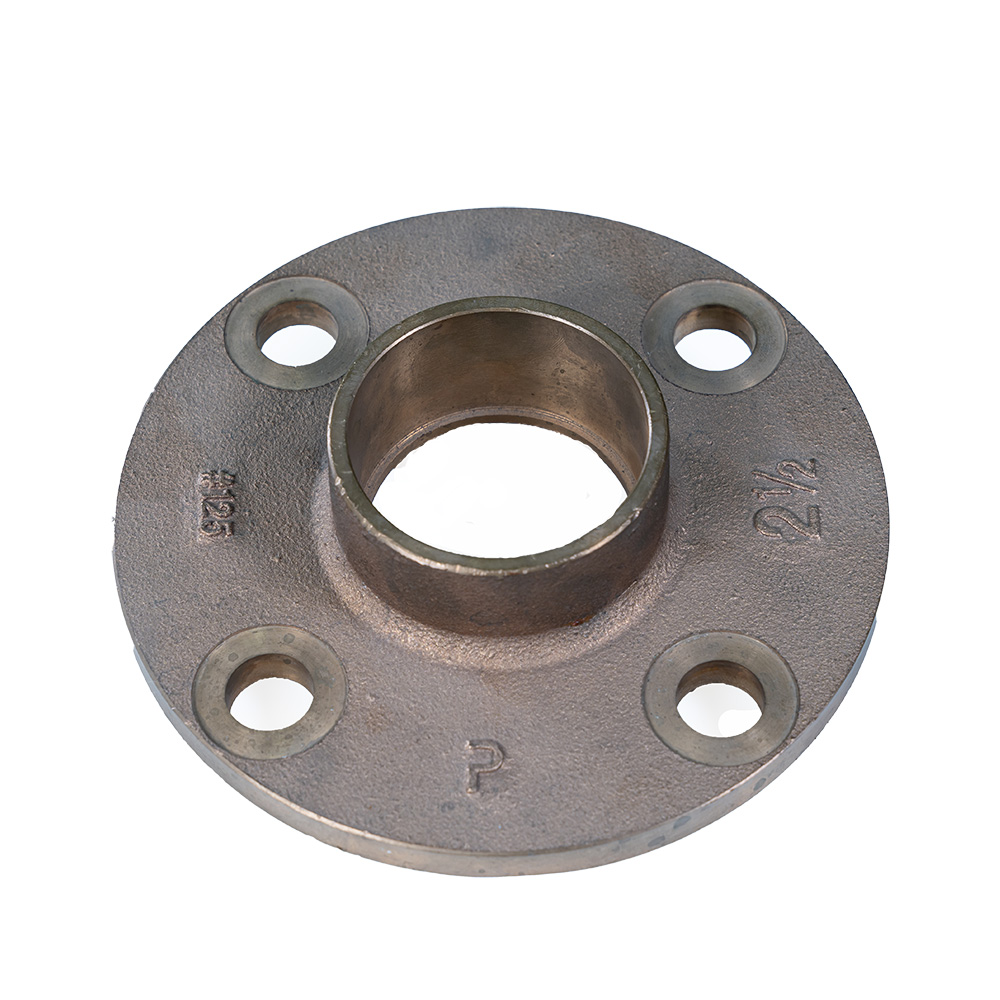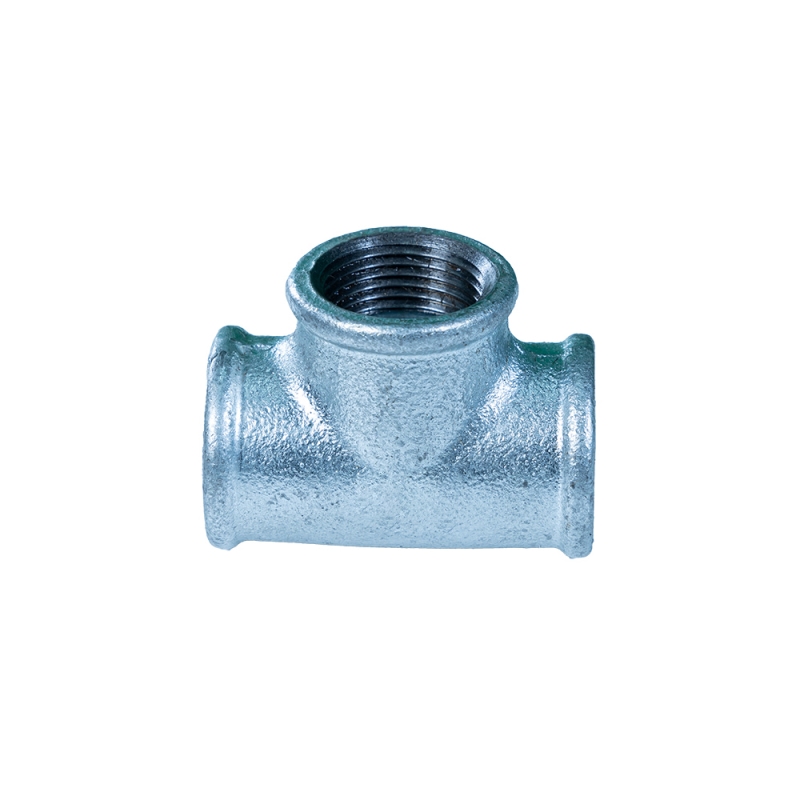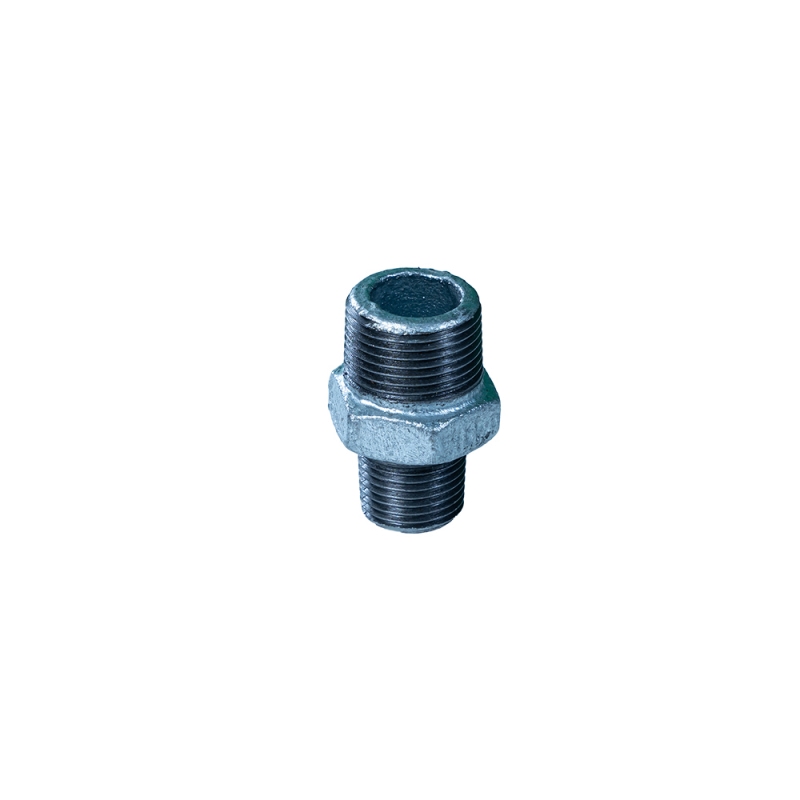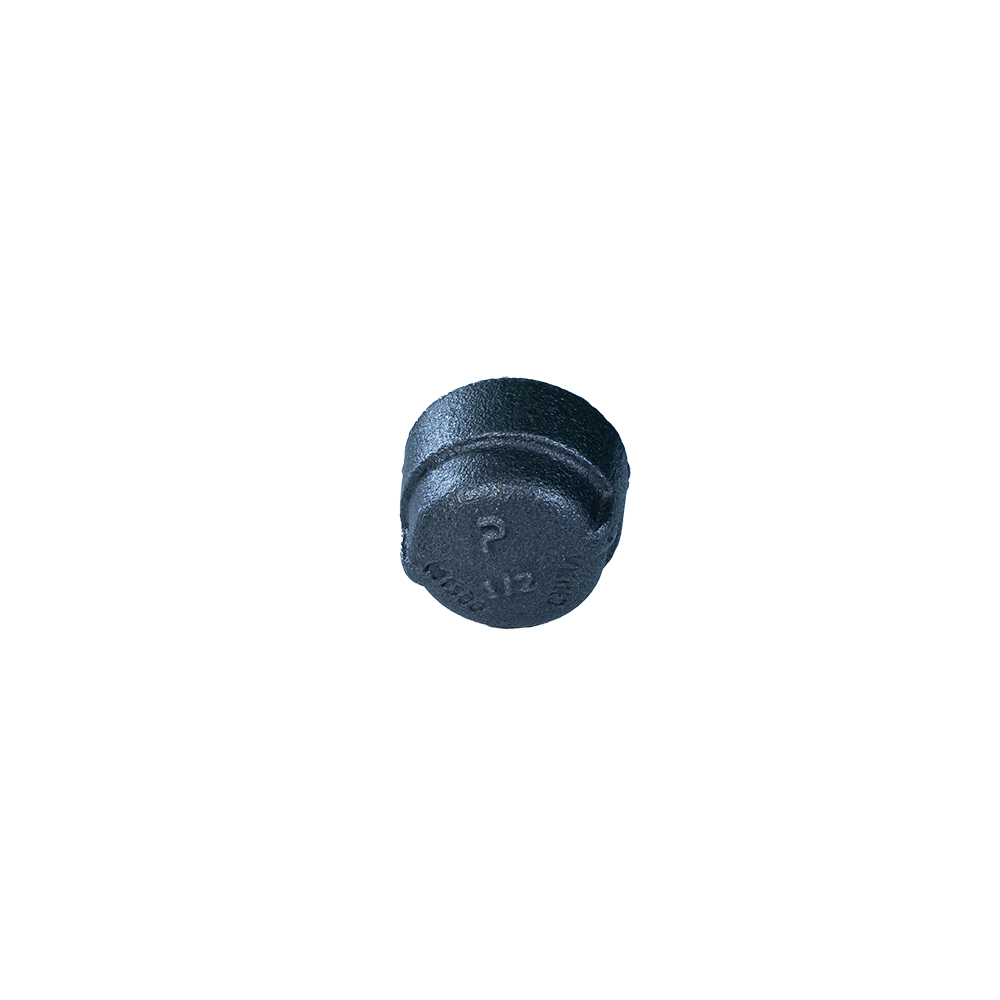

Understanding the Iron Cap: A Key Component in Modern Industry
When we talk about the iron cap, it might sound like a simple piece of industrial hardware, but its relevance spans much wider than you’d expect. Globally, iron caps play a crucial role in many industries, from construction and manufacturing to humanitarian relief. Understanding these seemingly humble components helps reveal a bigger picture about durability, safety, and economic efficiency in projects that touch millions of lives worldwide.
Globally, the industrial fastening and fittings market is expected to reach significant growth, driven by infrastructure development and innovation in manufacturing processes — and iron caps are right at the heart of that evolution. These are not just parts; they’re enablers. Their durability can mean the difference between a structure lasting decades or failing prematurely, especially in harsh environments.
Mini takeaway: The iron cap, while simple, underpins vast sectors globally, making its quality and design a topic worth understanding deeply.
Global Context: Why Iron Caps Matter
Think about it: the World Bank estimates that global infrastructure investment needs reach trillions annually. Components like iron caps, though a fraction of cost, become essential for ensuring these investments stand the test of time. ISO standards for fasteners and caps highlight their importance in guaranteeing safety and uniformity, especially in industries such as oil & gas, construction, and transportation.
Yet, challenges abound. For example, in disaster-prone areas or remote industrial zones, replacing or maintaining critical structures can be complex and expensive. Reliable iron caps designed for demanding conditions help reduce downtime and risk — a small piece that solves a big problem.
What Is an Iron Cap? A Simple Definition
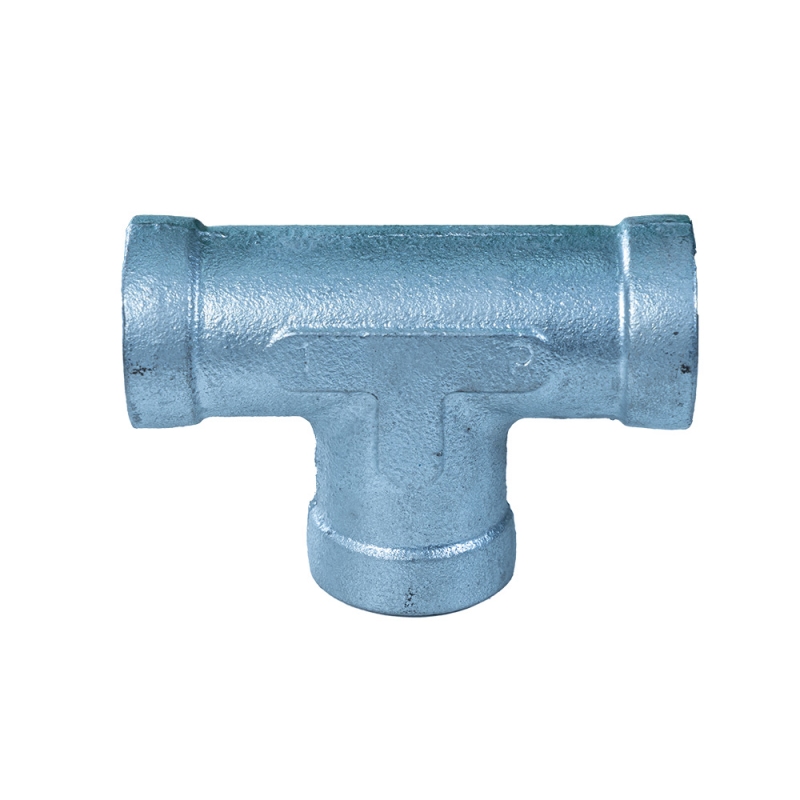
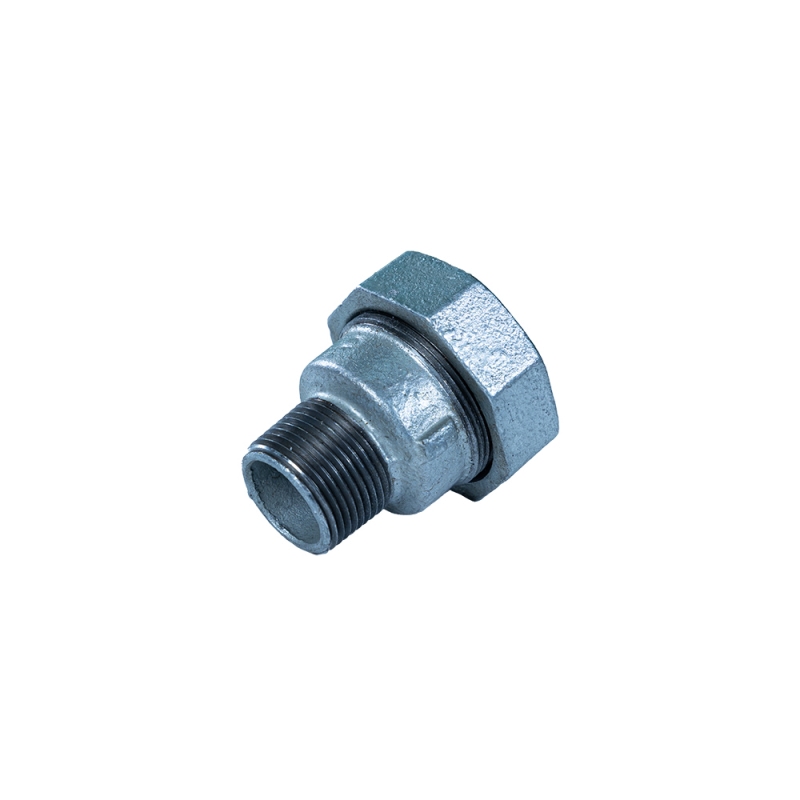
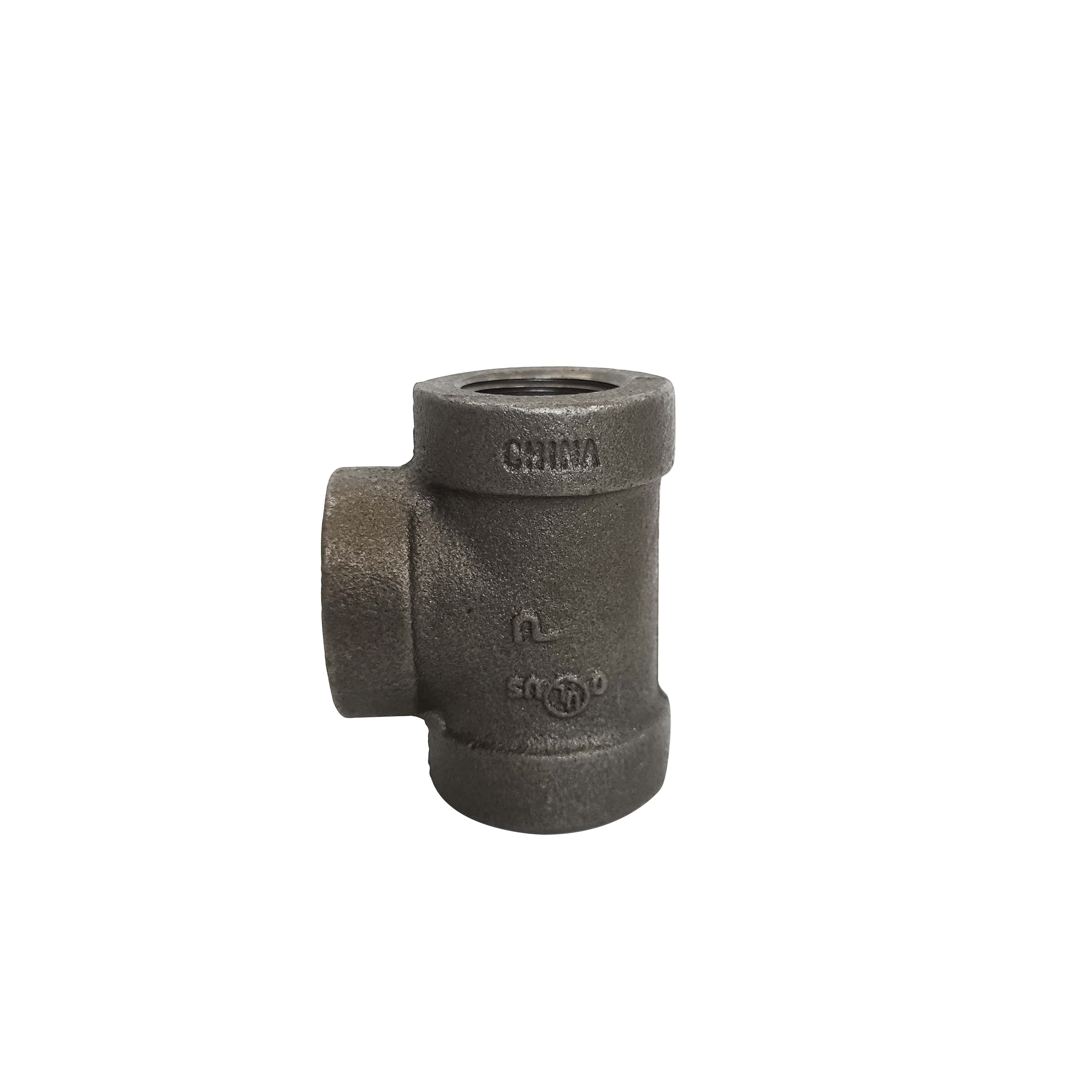
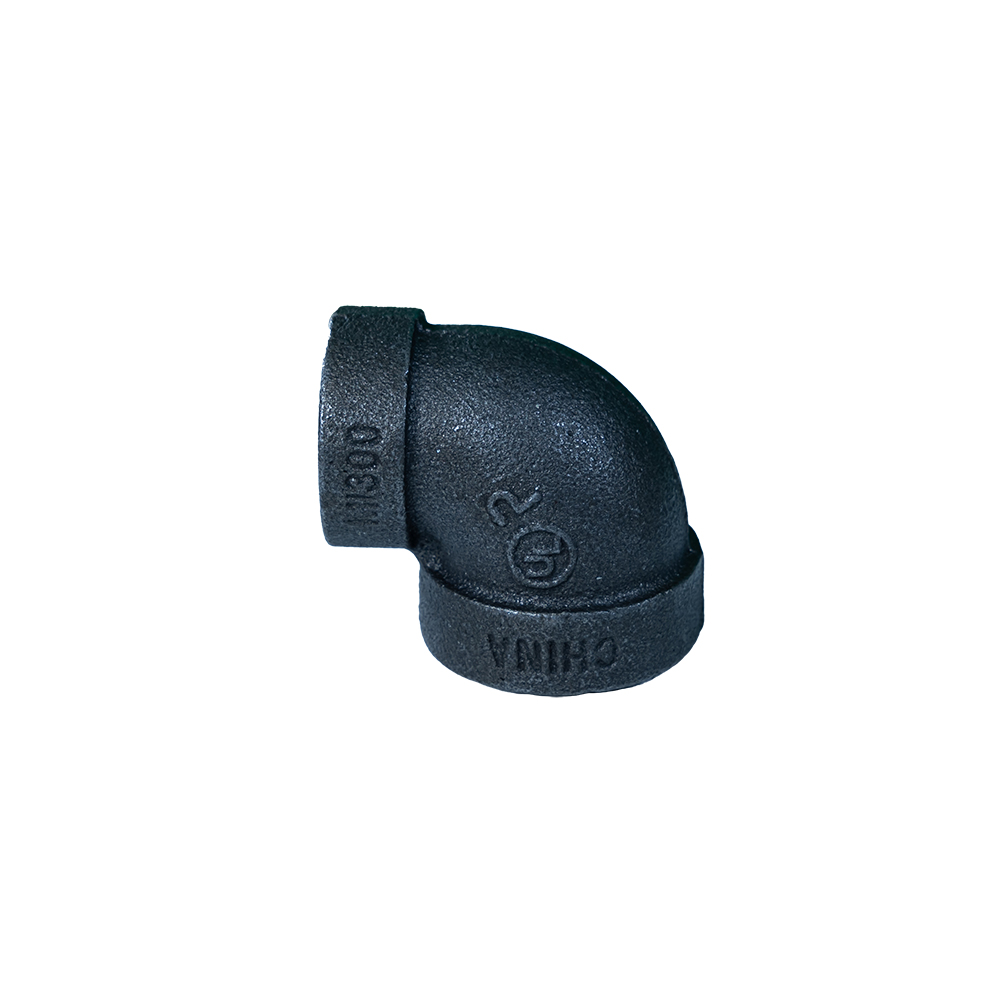
In plain terms, an iron cap is a protective or fastening element made typically of cast iron or an iron alloy that fits onto pipes, shafts, rods, or machinery parts to seal ends, prevent damage, or provide structural stability. Its connection to modern industry is deep: myriad processes depend on these caps for assembling durable infrastructure or equipment that’s both safe and long-lasting.
In humanitarian and industrial uses, for instance, iron caps help protect water pipelines or electric conduits, playing a quiet but indispensable role in ensuring system integrity.
Core Components of an Iron Cap
1. Durability
The iron cap’s resistance to corrosion and mechanical wear is key. Many iron caps are treated or alloyed to endure harsh environmental conditions — think coastal areas with salty air or heavy industrial pollution.
2. Compatibility
They come in diverse sizes and thread types, designed to fit varied applications. Precision manufacturing ensures they match standards, simplifying repairs and replacements.
3. Cost Efficiency
Iron caps offer an affordable yet reliable solution. Their longevity often translates into overall project cost savings, as replacements and failures are minimized.
4. Safety
By sealing pipe ends or protecting machinery parts, iron caps prevent leaks, contaminants, and mechanical injuries, thus fulfilling critical safety functions.
5. Ease of Installation
Many designs are optimized for quick and straightforward assembly, aiding rapid deployment in both industrial and emergency scenarios.
Product Specification Table: Typical Iron Cap Models
| Model | Material | Size Range (mm) | Finish | Typical Use |
|---|---|---|---|---|
| IC-Standard | Cast Iron | 10-100 | Galvanized | General purpose piping |
| IC-Heavy Duty | Ductile Iron | 20-200 | Powder Coated | Industrial machinery & pipelines |
| IC-Corrosion Res. | Alloy Iron | 15-150 | Epoxy Coated | Coastal and chemical plants |
Global Applications & Use Cases of Iron Caps
Iron caps find applications all over the world, notably:
- Post-disaster relief operations: Quick sealing of damaged water or fuel pipes to restore services.
- Remote industrial zones: Secure end caps on machinery or temporary piping to prevent contamination and maintain system efficiency.
- Municipal infrastructure: Water treatment plants and sewage systems often rely heavily on iron caps to prevent leaks and contamination.
- Oil and gas sector: Caps must withstand extreme pressures and offer safe sealing solutions on pipeline ends.
Oddly enough, even in the evolving world of renewable energy, iron caps protect components on solar thermal plants and offshore wind farms where exposure to elements demands resilience.
Vendor Comparison Table: Leading Iron Cap Manufacturers
| Vendor | Material Quality | Product Range | Certifications | Global Reach |
|---|---|---|---|---|
| IronCap Co. | High-grade ASTM A536 | Standard & Custom | ISO 9001, ISO 14001 | North America, Asia, Europe |
| SteelFasteners Ltd. | Ductile iron alloys | Industrial-grade only | ISO 9001 | Europe, Middle East |
| Global Iron Caps | Alloy iron with corrosion-resistant coatings | Wide-ranging sizes | ISO 9001, API certified | Worldwide |
Advantages & Long-Term Value
So, why invest time understanding iron caps? Here’s the practical value:
- Cost Savings: Long-lasting caps reduce maintenance cycles — fewer replacements mean less downtime and labor.
- Sustainability: Durable materials mean less waste and lower environmental impact.
- Safety & Trust: Knowing that your system's sealed correctly instills confidence — especially critical in high-risk sectors.
- Social Impact: Even basic infrastructure like water pipes protected by good iron caps provide dignity and health improvements to communities.
Frankly, it feels like a small detail but one with cascading effects — a true unsung hero in the background of engineering and humanitarian progress.
Future Trends & Innovations in Iron Cap Technology
Innovation is happening quietly here. Manufacturers are exploring:
- Advanced coatings: Nano-ceramic and epoxy improvements to bolster corrosion resistance.
- 3D printing: Rapid prototyping allows custom caps tailored to specific architectures.
- Smart components: Sensors embedded in caps to monitor pressure or leak detection in critical pipelines.
- Eco-friendly materials: Integrating recycled iron alloys and greener manufacturing processes.
Digital transformation in supply chains ensures traceability and certification at every step — making sure what you buy is exactly what you need for your project.
Challenges & Solutions
Of course, no product is perfect. Iron caps face challenges like:
- Corrosion in extreme environments. Solution? Advanced coatings & periodic maintenance.
- Compatibility issues across standards. Solution? Industry-wide push for standardization (ISO, ASTM) eases integration.
- Weight concerns for transport in remote locations. Solution? Lightweight alloy development in progress.
Consulting experts and manufacturers who prioritize certification and quality control is crucial to avoid costly failures — that’s something many engineers swear by.
FAQ: Frequently Asked Questions About Iron Cap
Q1: How do I know which iron cap size is right for my project?
Choosing the correct size depends on the diameter and thread specifications of your pipes or machinery. Always refer to manufacturer guidelines or consult an expert to ensure proper fit. Incorrect sizing can lead to leaks or mechanical failures.
Q2: Are iron caps reusable after removal?
Generally, iron caps can be reused if they remain undamaged and corrosion-free. However, it’s best to inspect them carefully since deformation or corrosion compromises integrity.
Q3: Can iron caps be used in outdoor, coastal environments?
Yes, provided they have appropriate corrosion-resistant finishes, such as epoxy or galvanization. It’s vital to choose caps rated for harsh environments for long-term durability.
Q4: How do iron caps improve safety in pipeline systems?
They seal pipe ends, preventing leaks of hazardous materials and contamination. This safeguards both personnel and the environment by maintaining system integrity.
Q5: Is it possible to order custom iron caps for specialized industrial applications?
Absolutely. Many vendors offer custom fabrication services allowing caps tailored to unique sizes, materials, or coatings required by specific industries like oil & gas or infrastructure.
Conclusion
The iron cap might appear unassuming, but its role echoes loudly across industries and global infrastructure. Understanding its design, applications, and advancements is a smart move for anyone invested in durable, safe, and efficient projects. If you want to explore quality iron caps and related fittings, visit our website to find trusted solutions tailored to your needs.
To sum it up: reliable iron caps aren’t just capping pipes—they’re holding up systems, safety, and futures.
1. ISO - Fasteners standards: iso.org
2. World Bank Infrastructure Data: worldbank.org
3. ASTM Standards for Cast Iron: astm.org
Post time: Dec-02-2025