
A Field-Tested Look at the 3/8 NPT Coupling World
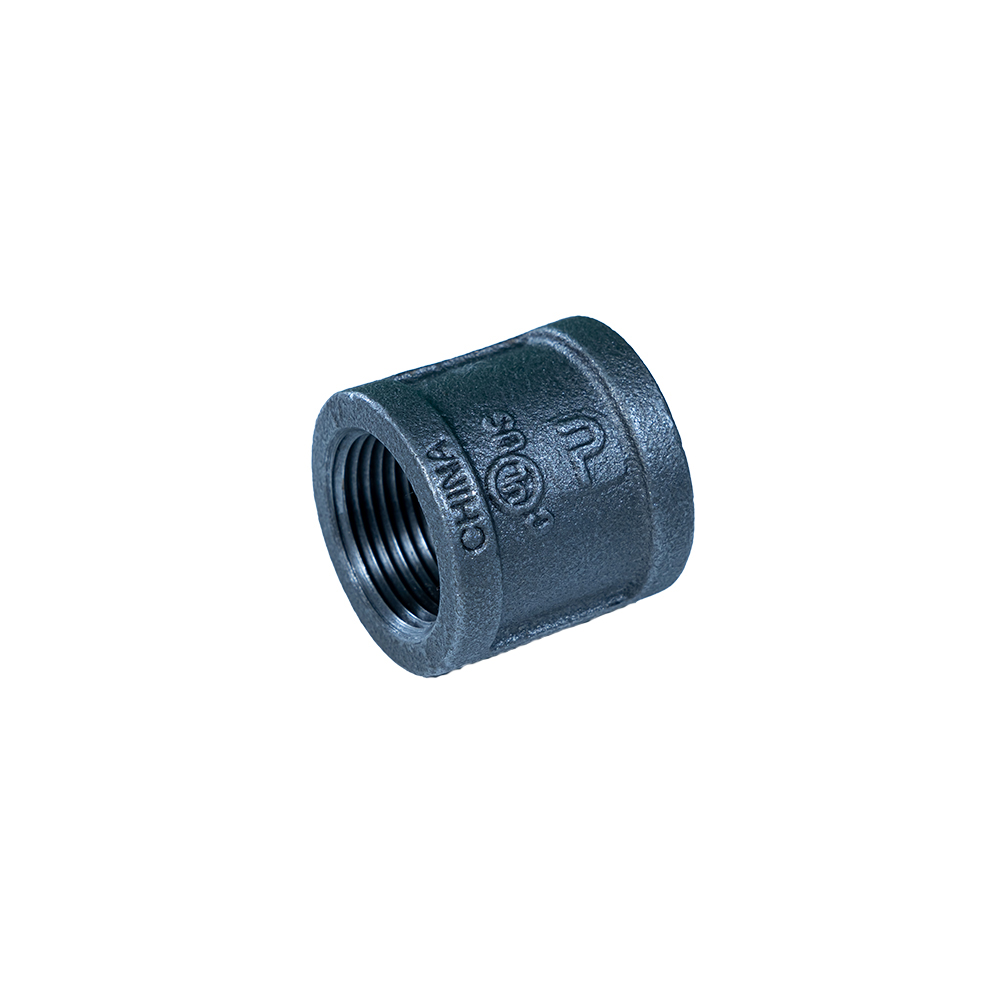
If you’re speccing a 3 8 npt fitting for a new line—or swapping a leaky joint (we’ve all been there)—here’s what’s actually working in the field right now. I’ve just come off a week visiting shops that thread, gauge, and hydrotest couplings, and one product kept popping up: Black or Galvanized Socket NPT Couplings from Pannext (origin: 236 West Guangming Road, Langfang, Hebei, China). Honest take: simple part, lots of hidden nuance.
Where the market is going
Industry buyers are leaning toward galvanized for outdoor and mildly corrosive environments, while black finish remains the workhorse indoors. Interestingly, smaller OEMs want tighter thread consistency to reduce paste/teflon dependence—less rework, fewer call-backs. And yes, demand for lot-level test data is rising, not just a glossy datasheet.
Technical snapshot (3/8 in. NPT coupling)
| Thread standard | NPT, taper per ASME B1.20.1 |
| Base material | Malleable iron (≈ ASTM A197) or mild carbon steel |
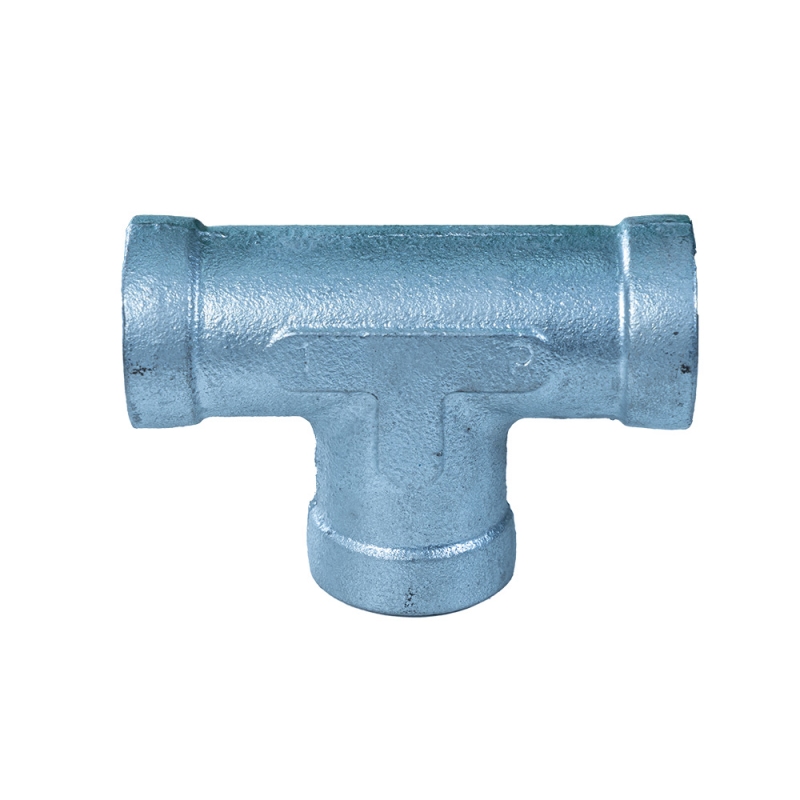
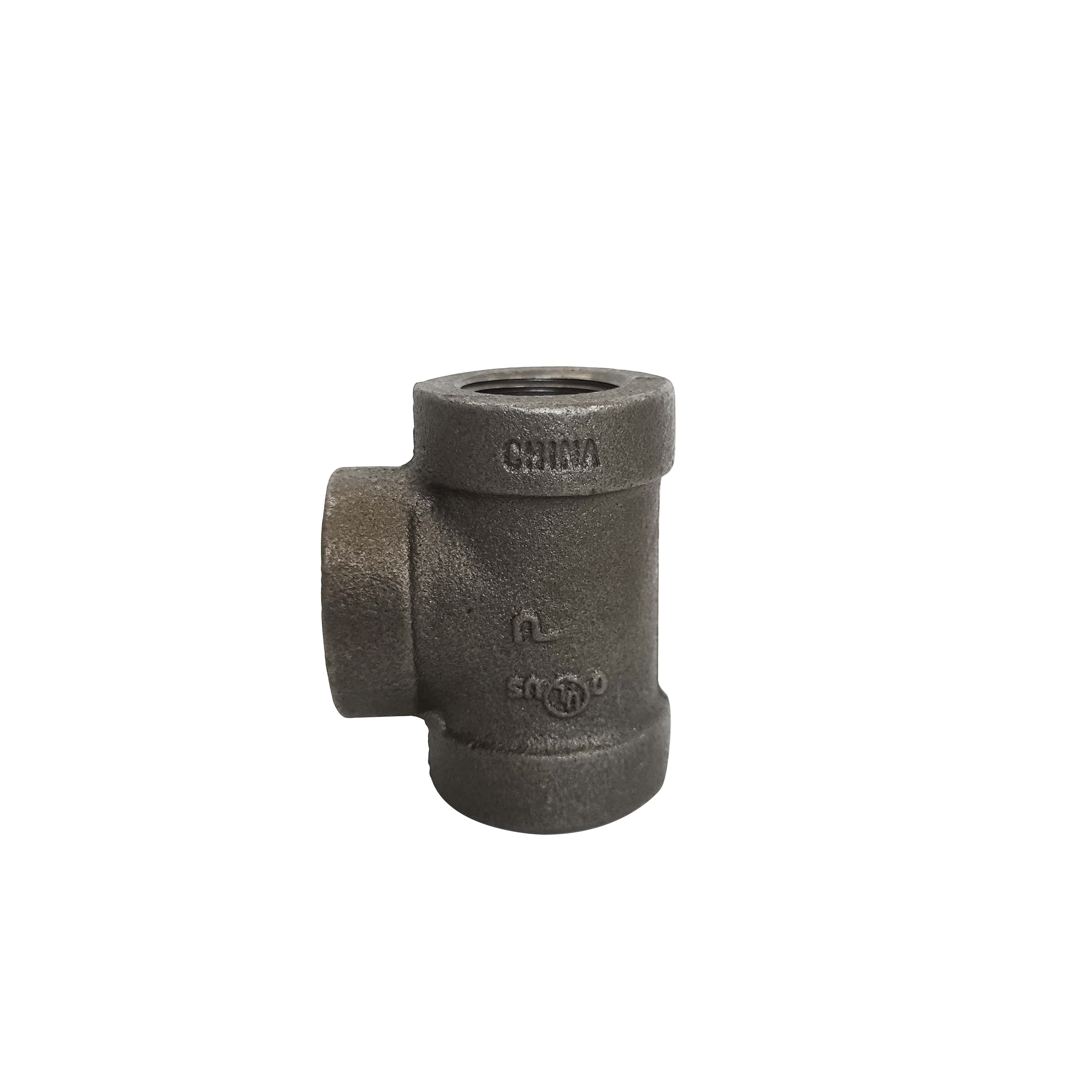
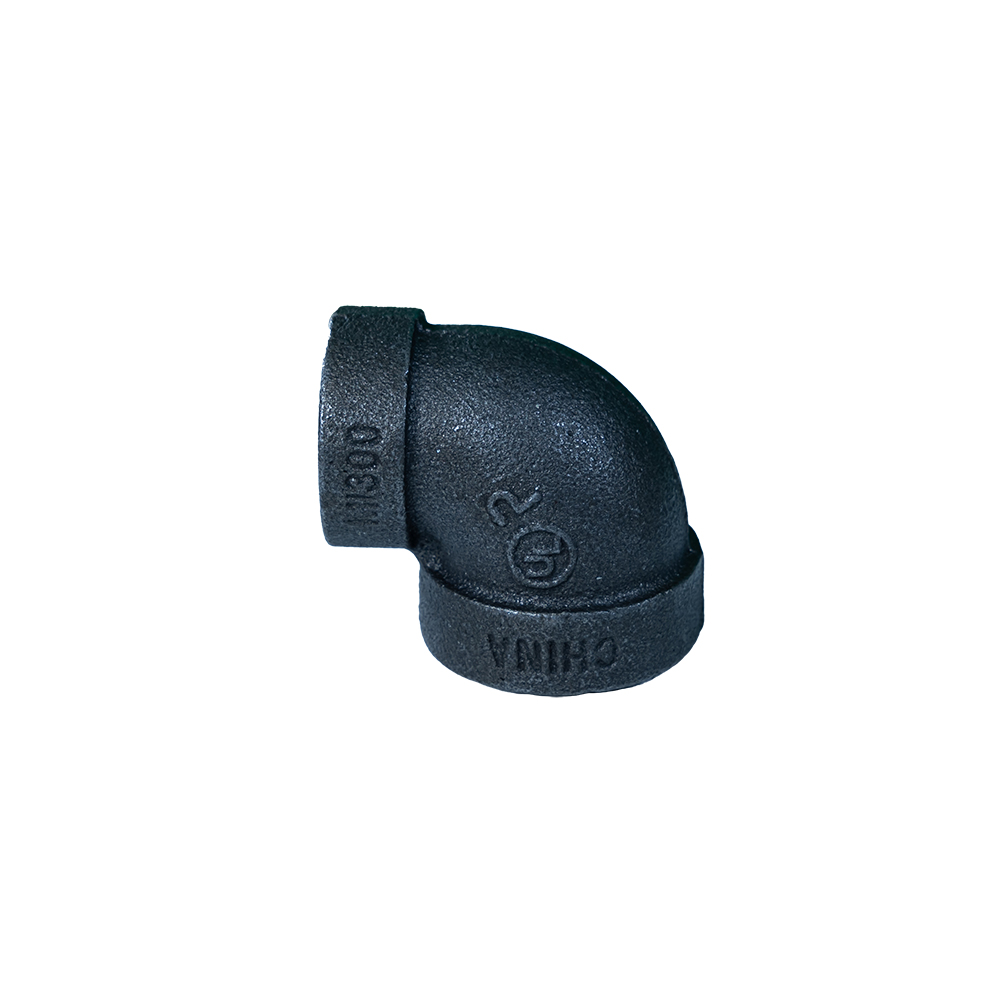
| Finish options | Black (oil/black oxide) or Hot-dip galvanized (≈ ASTM A153) |
| Working pressure | Up to ≈300 psi at ambient; real-world use may vary with pipe schedule, media, temp |
| Hydrostatic test | 1.5× rated pressure, 15 min, zero visible leakage (typical lot test) |
| Thread QC | GO/NO‑GO plug gauge per ASME B1.20.1; visual burr check |
| Coating thickness | Galvanized ≈45–80 μm (typ.), adhesion checked post‑spin |
Process flow and service life
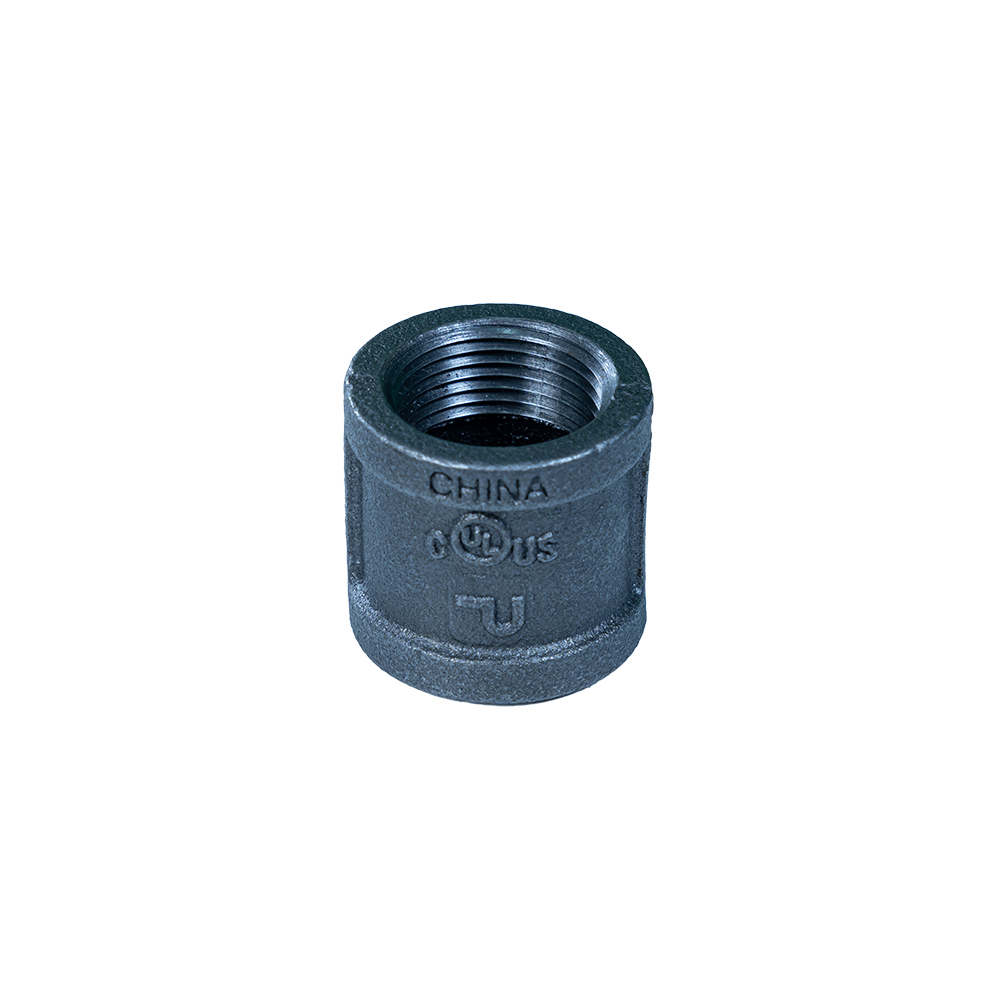
Material melt → sand casting → rough machining → NPT taper threading → deburr → gauge checks → finish (black or HDG) → hydrotest sampling → lot traceability. With correct torque, sealant, and alignment, service life often runs 10–15 years indoors; galvanized parts outdoors fare longer if not in aggressive chloride zones.
Where people actually use these
- Construction/HVAC tie-ins and temporary water feeds
- General industry air lines and coolant loops
- Food & craft beverage utilities (non-product contact lines)
- Ag irrigation manifolds; light process skids
Many customers say the 3 8 npt fitting size hits a sweet spot for gauges, drains, and small-bore takeoffs—quick to install, easy to stock.
Vendor comparison (shortlist)
| Factor | Pannext NPT Couplings | Generic A | Generic B |
|---|---|---|---|
| Thread consistency | Tight GO/NO‑GO yield; fewer re-taps | Varies | Good |
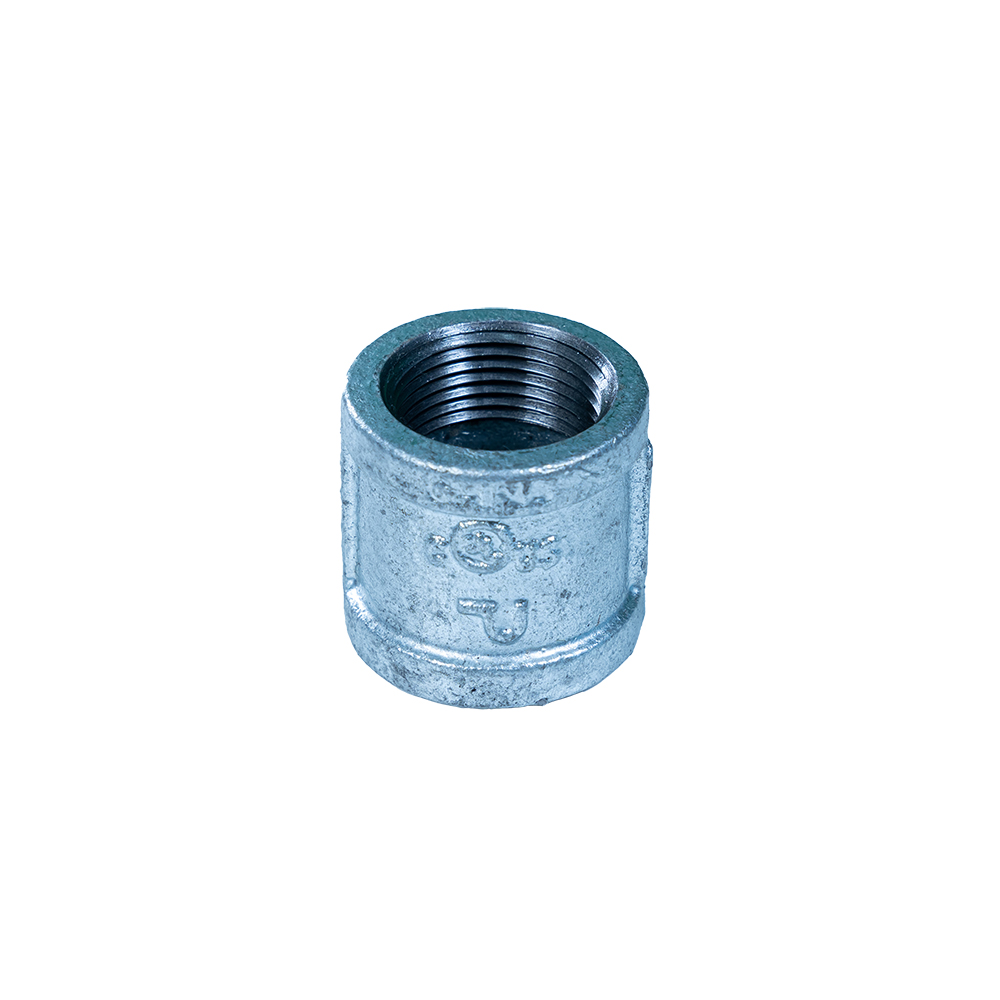
| Finish options | Black / Hot-dip galvanized | Black only | Black / Zinc plated |
| Customization | OEM marks, custom packing, QC reports | Limited | Moderate |
| Lead time (typ.) | Around 3–5 weeks | 2–6 weeks | 4–8 weeks |
Mini case study
A Midwestern craft brewer swapped mixed-brand couplings for Pannext galvanized on a CO2 header. Leak checks dropped from weekly to monthly; sealant use went down ≈20%. Not earth-shaking, but it saved a Saturday every month. To be honest, the win was consistent threads more than anything fancy.
Buying notes and compliance
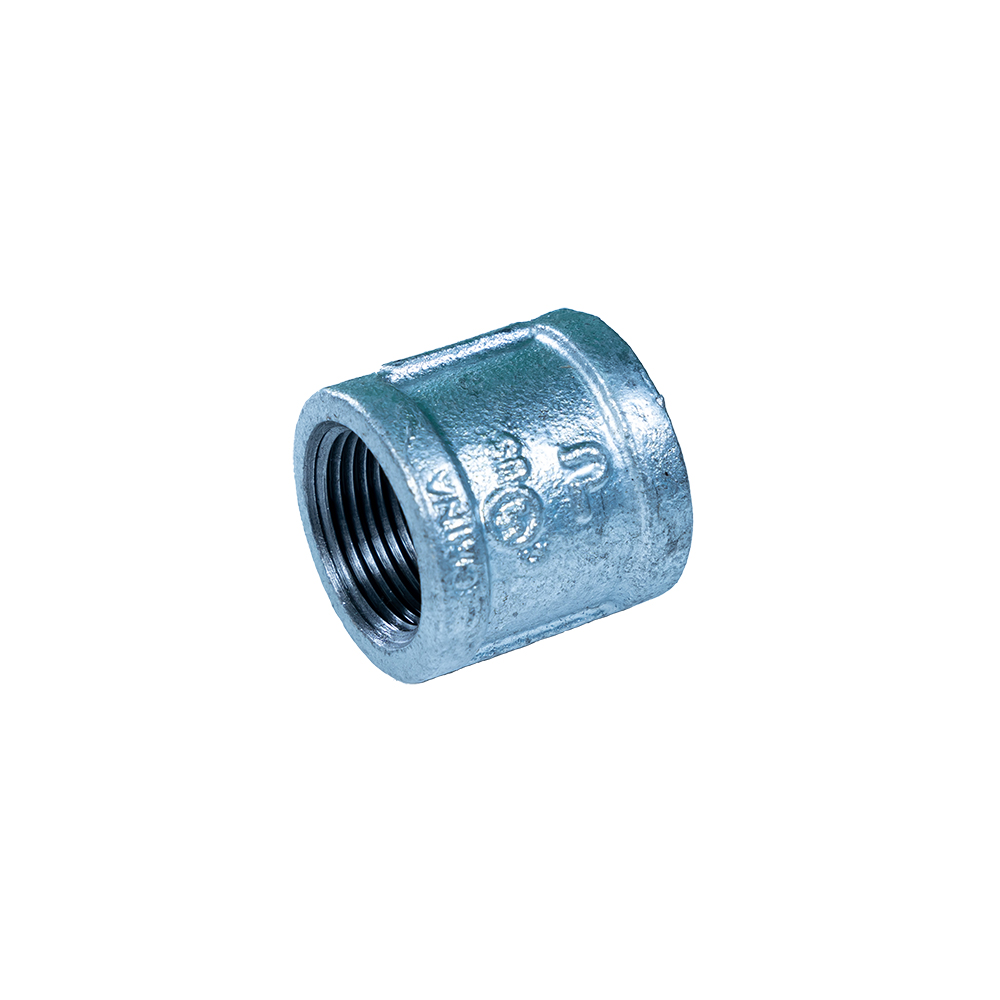
Look for references to ASME B1.20.1 (threads) and ASME B16.3 (dimensions). Ask for lot hydrotest and coating thickness reports. If you need documentation, request ISO 9001:2015 QMS certification. For fire protection, coordinate with your AHJ—UL/FM listings may be required; a general-purpose 3 8 npt fitting isn’t automatically fire-rated.
Why this coupling?
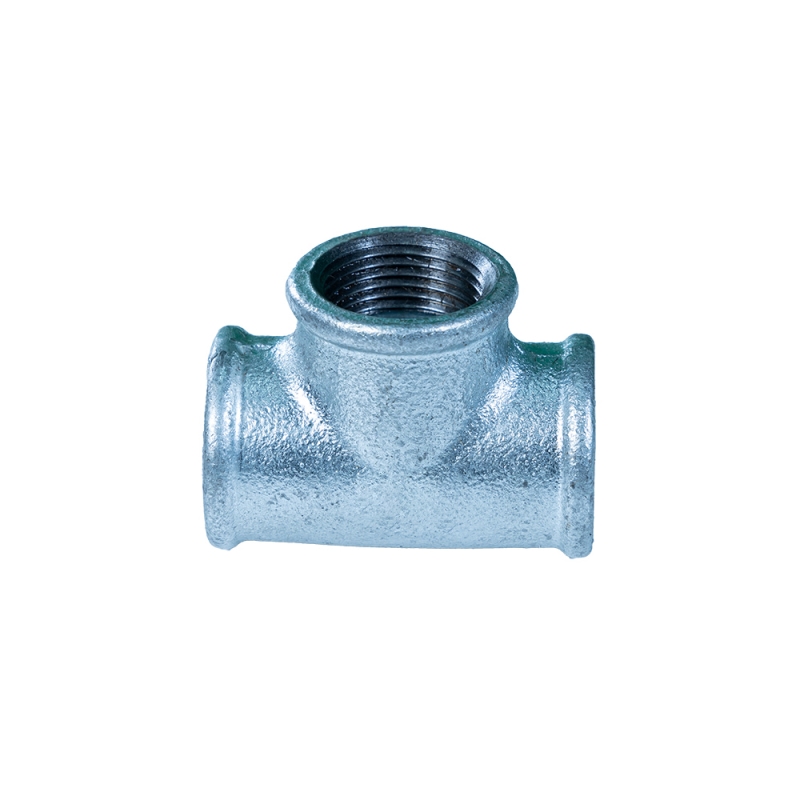
It’s straightforward: female-female joint, easy install, and easy to stock by the bucket. Surprisingly, the difference between a headache and a clean seal is often just good taper control. If you’re chasing fewer leaks, a consistent 3 8 npt fitting with proper gauge records is worth it.
Citations
- ASME B1.20.1—Pipe Threads, General Purpose (NPT).
- ASME B16.3—Malleable Iron Threaded Fittings.
- ASTM A197/A197M—Malleable Iron Castings.
- ASTM A153/A153M—Zinc Coating (Hot‑Dip) on Iron and Steel Hardware.
- ISO 9001:2015—Quality Management Systems.
Post time: Oct-08-2025