
Understanding Class 300 Pipe Fittings: Essential for Industrial Integrity
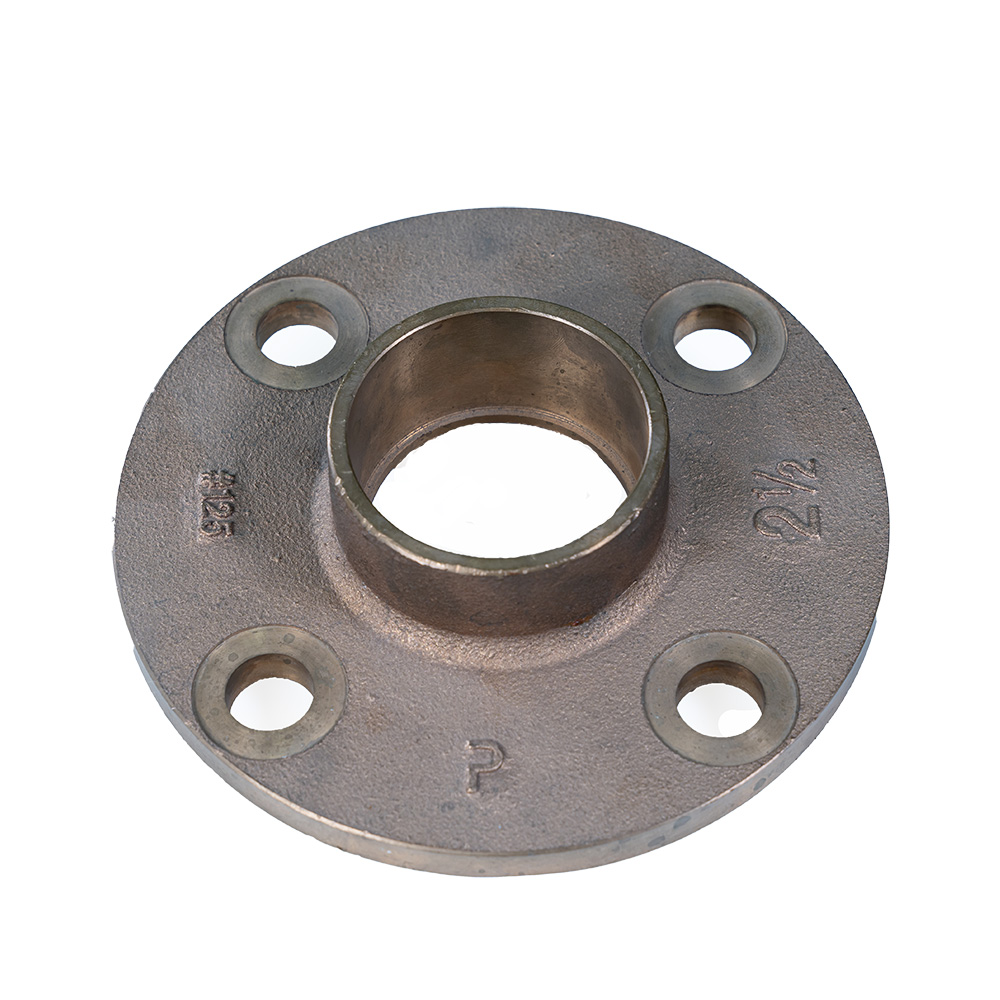
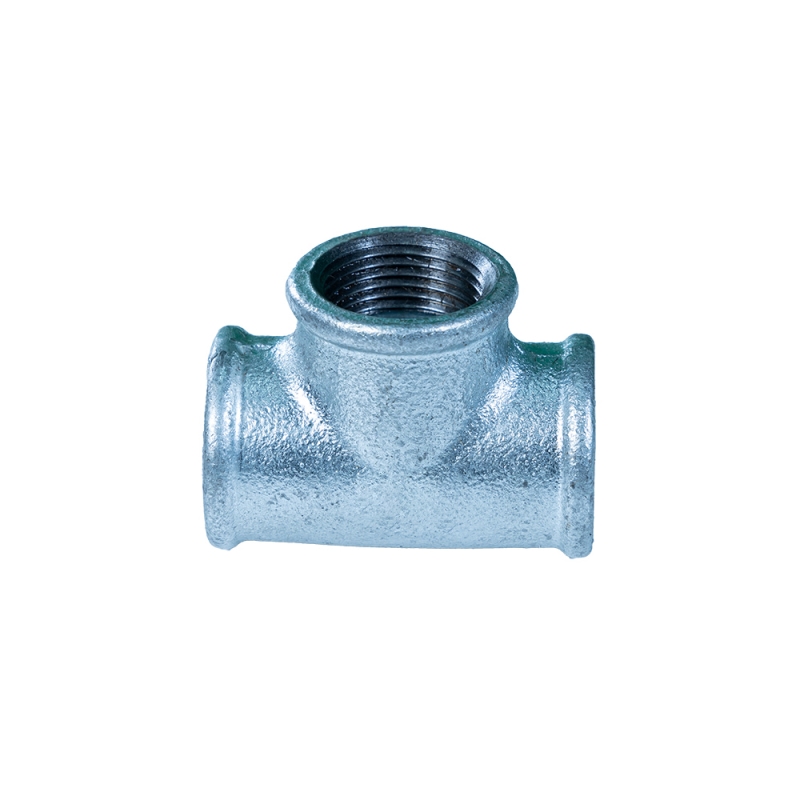
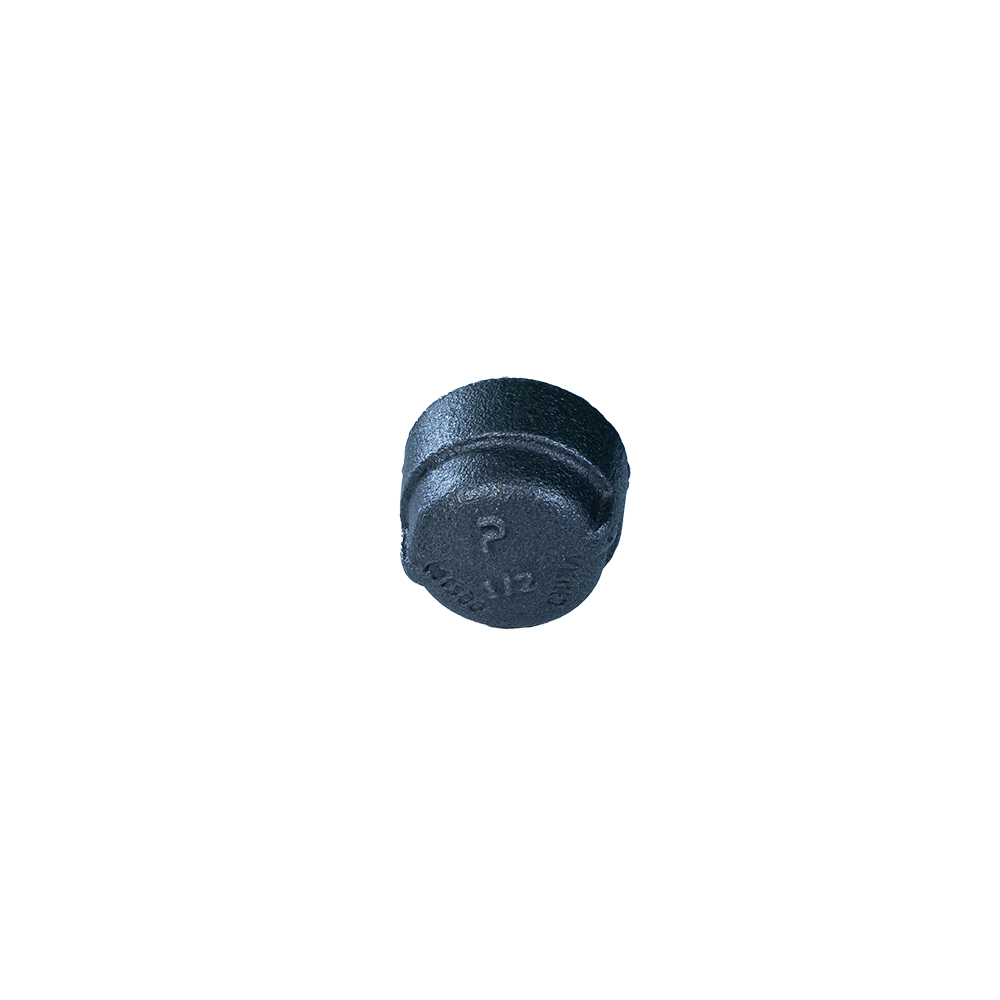
In the demanding landscape of industrial fluid transfer systems, the reliability and integrity of every component are paramount. Among the critical elements ensuring safe and efficient operation are pipe fittings, designed to connect, terminate, control flow, and change the direction of piping systems. Specifically, class 300 pipe fittings stand out as a robust solution for applications requiring higher pressure resistance and durability. These fittings are engineered to meet stringent industry standards, offering superior performance in challenging operational environments. This detailed exposition delves into the technical aspects, application versatility, and strategic advantages that make class 300 fittings indispensable for modern industrial infrastructure.
Our focus here is to provide B2B decision-makers and engineering professionals with an in-depth understanding of these components, covering everything from manufacturing precision to real-world deployment, and highlighting their role in optimizing system performance and longevity.
Industry Trends and Market Demands for High-Pressure Fittings
The global industrial landscape is experiencing a continuous drive towards enhanced operational efficiency, safety, and environmental compliance. This trend directly impacts the demand for high-performance piping components, particularly those capable of handling elevated pressures and corrosive media. Key industry trends include:
- Increased Automation and Precision: Modern industrial plants require components that offer consistent performance and seamless integration with automated systems, minimizing human error and maximizing output.
- Sustainability and Longevity: There's a growing emphasis on products with extended service life, reducing the frequency of replacements and the associated environmental footprint. This includes materials with superior corrosion resistance and fittings designed for minimal leakage.
- Digitalization in Supply Chains: B2B customers increasingly seek transparent supply chains, prompt delivery, and reliable after-sales support, driven by digital platforms that streamline procurement and project management.
- Advanced Material Science: Continuous innovation in metallurgy leads to improved properties for materials like malleable iron, enhancing their pressure ratings and overall durability, making class 300 pipe fittings even more robust.
These trends collectively underscore the critical role of robust, reliable fittings in ensuring the long-term viability and efficiency of industrial operations across sectors.
Technical Specifications and Pressure Rating of Class 300 Fittings
The designation "Class 300" refers to a specific pressure-temperature rating for pipe fittings, indicating their suitability for more demanding applications than lower classes. These ratings are governed by international standards, ensuring interoperability and safety across different manufacturing sources.
Understanding Class 300 Malleable Iron Fittings
Many class 300 pipe fittings are manufactured from malleable iron, a material renowned for its ductility, machinability, and resistance to brittle fracture, particularly at elevated temperatures. The metallurgical composition and heat treatment processes are crucial in achieving these properties. Key standards include ANSI B16.3 for Malleable Iron Threaded Fittings and ASTM A197 for Cupola Malleable Iron.
Class 300 Pipe Fittings Pressure Rating
The class 300 pipe fittings pressure rating is a critical parameter. For malleable iron fittings, this typically signifies a maximum working pressure of 300 psi (pounds per square inch) for steam, water, oil, and gas (SWOG) at moderate temperatures (e.g., up to 150°F or 65°C). The pressure rating decreases as the temperature increases. It is imperative for engineers to consult the specific pressure-temperature curves provided by manufacturers and adhere to relevant standards like ASME B16.3.
These specifications highlight the robustness required for applications where standard fittings would be inadequate, positioning 300 malleable iron fittings as a go-to choice.
Precision Manufacturing Process of Class 300 Pipe Fittings
The production of high-quality class 300 pipe fittings involves a multi-stage process that combines advanced metallurgical techniques with precise machining and rigorous quality control. This ensures that each fitting meets its specified pressure and temperature ratings and offers extended service life.
Detailed Process Flow:
- Material Selection and Preparation: High-grade raw materials, typically specific grades of cast iron suitable for malleabilization, are meticulously selected. Chemical composition is verified to meet ASTM A197 or equivalent standards.
- Casting: Molten iron is poured into precisely engineered molds (e.g., green sand, shell molding) to form the initial shape of the fitting. This stage is critical for achieving the correct geometry and internal structure. The image below depicts a crucial part of this process.
- Malleabilization (Heat Treatment): The cast iron components undergo a specialized annealing process in controlled atmospheres at high temperatures (typically 870-980°C or 1600-1800°F). This heat treatment converts brittle white iron into ductile malleable iron by transforming cementite into temper carbon (graphite), enhancing the material's strength, toughness, and machinability.
- Machining and Threading: After malleabilization, the fittings are subjected to CNC machining to achieve exact dimensions and smooth surfaces. Threads (e.g., NPT according to ANSI B1.20.1) are precisely cut to ensure leak-proof connections.
- Surface Treatment and Coating: Fittings may undergo galvanization (hot-dip zinc coating) or other surface treatments to provide enhanced corrosion resistance, particularly important for applications in humid or outdoor environments.
- Testing and Quality Assurance: Each batch of fittings undergoes rigorous testing, including hydrostatic pressure tests to verify the class 300 pipe fittings pressure rating, dimensional checks, thread gauging, and visual inspection. Non-destructive testing methods may also be employed. Adherence to ISO 9001 quality management standards is crucial throughout this phase.
- Packaging and Dispatch: Finished fittings are carefully packaged to prevent damage during transit, ensuring they arrive in optimal condition ready for installation.
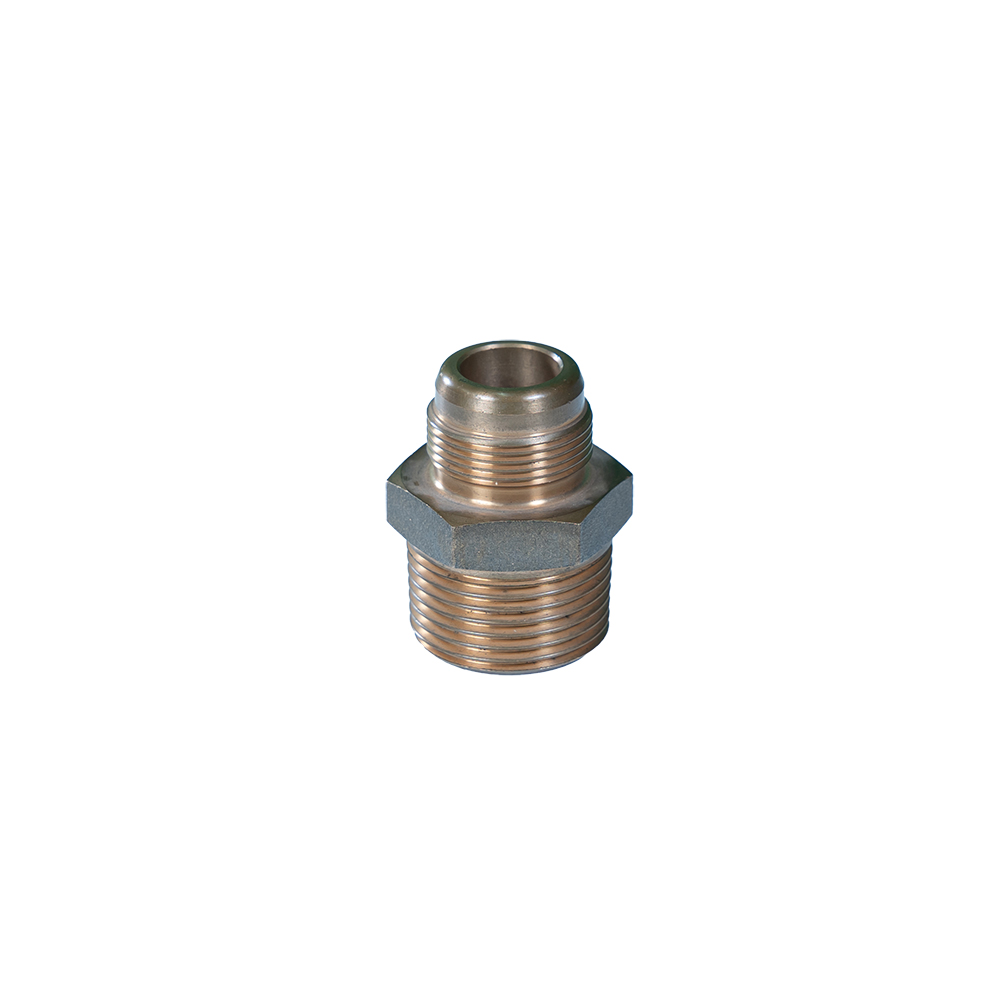 Figure 1: High-precision casting process for industrial pipe fittings.
This meticulous manufacturing regimen ensures the reliability and extended service life of these critical components, making them ideal for target industries such as petrochemical, metallurgy, and water supply & drainage, where system integrity is non-negotiable.
Key Technical Advantages of Class 300 Pipe Fittings
The selection of class 300 malleable iron fittings offers several distinct advantages that contribute to the overall efficiency, safety, and longevity of industrial piping systems:
- Superior Pressure Resistance: Designed to withstand higher operational pressures compared to Class 150 fittings, reducing the risk of leaks and catastrophic failures in high-pressure applications.
- Enhanced Durability and Service Life: Malleable iron's inherent ductility, combined with robust design, provides excellent resistance to mechanical stress, thermal cycling, and vibrations, leading to a significantly longer service life and reduced maintenance frequency.
- Corrosion Resistance (Especially Galvanized): When galvanized, these fittings offer excellent protection against rust and corrosion, making them suitable for outdoor installations, chemical processing, and marine environments. This translates to lower replacement costs and improved system reliability.
- Energy Saving through Leak Prevention: Secure, properly rated fittings minimize leakage points, which is crucial in systems handling steam, compressed air, or valuable fluids. Reducing leaks contributes directly to energy savings and operational efficiency.
- Versatility in Application: Their robust nature allows them to be used in a wide array of demanding environments, from high-temperature steam lines to aggressive chemical transfer systems.
- Cost-Effectiveness over Lifetime: While potentially having a higher initial cost than lower-rated alternatives, the extended lifespan, reduced maintenance, and superior performance of class 300 malleable iron fittings result in lower total cost of ownership over the project's lifetime.
Diverse Application Scenarios and Target Industries
The robustness and reliability of class 300 pipe fittings make them indispensable across a multitude of industrial sectors. Their ability to manage elevated pressures and temperatures, coupled with excellent corrosion resistance (especially for galvanized versions), allows for critical roles in diverse applications:
- Petrochemical and Oil & Gas Industry: Used in refinery processes, offshore platforms, and pipeline systems for the transportation of crude oil, natural gas, and various refined products under high-pressure conditions. Their durability ensures system integrity in hazardous environments.
- Power Generation: Integral to steam lines, condensate return systems, and auxiliary piping in thermal power plants, where high temperatures and pressures are common.
- Water Supply & Drainage Systems: Employed in municipal water treatment plants, industrial water distribution, and high-pressure drainage lines, offering reliable, leak-proof connections for critical infrastructure.
- HVAC and Refrigeration: Found in large-scale commercial and industrial HVAC systems, particularly in chiller plants and steam heating networks where robust, long-lasting connections are required.
- Mining and Metallurgy: Used in fluid handling systems for process water, slurries, and gas lines within mining operations and metallurgical facilities, often in abrasive or corrosive conditions.
- General Manufacturing and Industrial Facilities: Applicable in various factory settings for compressed air lines, hydraulic systems, and process piping, ensuring operational continuity and safety.
In these scenarios, the ability of class 300 pipe fittings to maintain structural integrity under stress directly contributes to operational safety, minimizes downtime, and prolongs the service life of entire systems.
Vendor Comparison and Selection Criteria
Selecting the right supplier for class 300 pipe fittings is crucial for project success. A thorough vendor comparison should extend beyond just price, focusing on factors that ensure long-term reliability and value. Here are key criteria:
- Certifications and Compliance: Verify adherence to international standards like ISO 9001 (quality management), ANSI/ASME B16.3, UL/FM approvals. These certifications are a baseline for quality and safety.
- Material Quality and Traceability: Inquire about the origin and quality control processes for raw materials. Reputable vendors offer full material traceability.
- Manufacturing Expertise: Assess the vendor's experience in casting, malleabilization, and precision machining. Expertise directly impacts the dimensional accuracy and metallurgical properties of fittings.
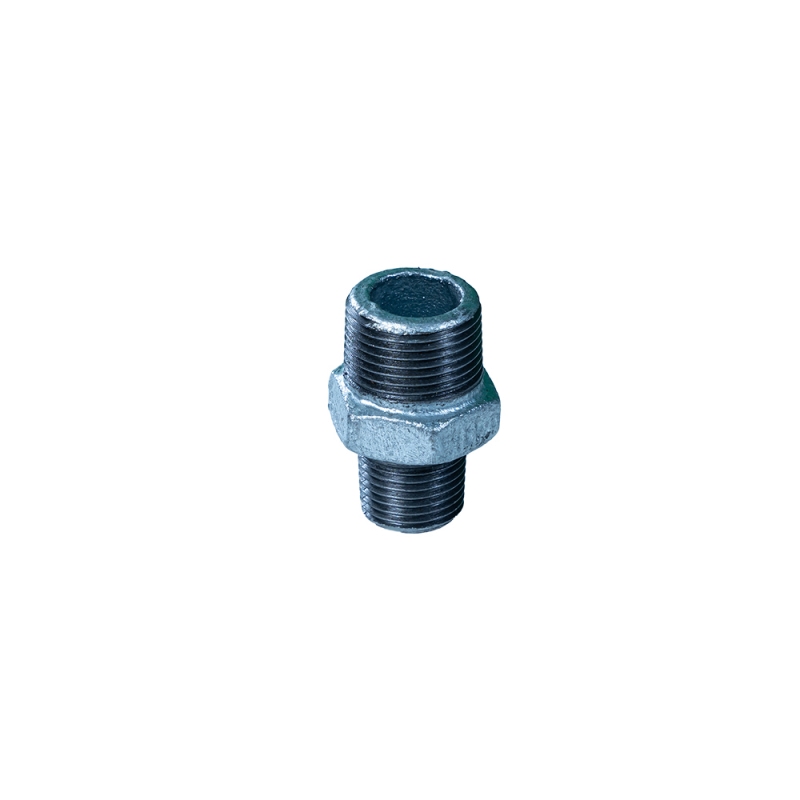
- Product Range and Customization: A broad catalog, including specialized reducing nipples or quick-connect accessories, indicates versatility. The ability to provide customized solutions for unique project requirements is a significant advantage.
- Testing and Quality Assurance Protocols: Understand the vendor's testing regimen—hydrostatic tests, magnetic particle inspection, chemical analysis, etc.—to ensure products consistently meet pressure ratings.
- Supply Chain and Logistics: Evaluate lead times, inventory management, and shipping capabilities to ensure timely delivery, critical for project timelines.
- Technical Support and After-Sales Service: Access to experienced technical support and a comprehensive warranty program are vital for addressing unforeseen challenges and ensuring long-term satisfaction.
Product Comparison: Malleable Iron vs. Ductile Iron Fittings
While ductile iron offers higher ultimate tensile strength and elongation, class 300 malleable iron fittings provide an optimal balance of strength, ductility, and cost-effectiveness for a wide range of high-pressure industrial applications.
Customized Solutions for Unique Project Demands
Recognizing that standard offerings may not always perfectly align with highly specialized industrial requirements, leading manufacturers of class 300 pipe fittings offer extensive customization capabilities. These bespoke solutions ensure optimal performance and seamless integration within complex systems.
Customization options can include:
- Specialized Coatings: Beyond standard galvanization, custom epoxy coatings or other protective layers can be applied for enhanced resistance to specific corrosive chemicals or extreme environmental conditions.
- Unique Geometries and Sizes: While standard fittings adhere to established dimensions, complex piping layouts may require fittings with non-standard angles, offsets, or reductions (like custom reducing nipples) to optimize flow, minimize pressure drop, or fit confined spaces.
- Specific Material Grades: For applications with very specific temperature or chemical compatibility requirements, adjustments to the malleable iron composition or alternative material choices can be explored to meet exact performance criteria.
- Integrated Features: Custom fittings can incorporate features such as specialized quick-connect mechanisms, sensor ports, or unique mounting brackets directly into the design, simplifying installation and enhancing functionality.
Collaborating closely with an experienced manufacturer allows for the engineering of fittings that are perfectly tailored to a project's technical specifications, optimizing performance and reducing the need for costly field modifications.
Real-world Application Case Studies
Case Study 1: Petrochemical Plant Steam Line Upgrade
A major petrochemical facility in the Gulf Coast region faced recurring leakage issues in its high-pressure steam distribution network, utilizing older Class 150 fittings. The frequent failures led to significant energy losses and unscheduled downtime. After a comprehensive engineering review, the plant decided to upgrade critical sections with class 300 malleable iron fittings. The transition resulted in a 90% reduction in steam leaks within the upgraded sections in the first year, leading to an estimated 15% improvement in energy efficiency for those lines and a substantial decrease in maintenance expenditures. The superior pressure rating and durability of the Class 300 fittings provided the necessary operational integrity.
Case Study 2: Municipal Water Treatment Plant Expansion
During an expansion project, a large metropolitan water treatment plant required robust fittings for its new high-pressure backwash lines, which operated at cyclical pressures. Standard fittings struggled with the hydraulic shock and continuous stress. By specifying galvanized class 300 pipe fittings, the engineering team ensured a robust and corrosion-resistant system. The project, completed two years ago, has experienced zero fitting-related failures, demonstrating the long-term reliability and resistance to both pressure fluctuations and the corrosive nature of treated water. The excellent service life has significantly lowered the operational expenditure for this critical section.
These case studies exemplify how the strategic deployment of high-quality Class 300 fittings can lead to tangible benefits in terms of safety, efficiency, and cost savings across various demanding industrial applications.
Ensuring Trustworthiness: Certifications, Lead Times, and Support
Building trust in B2B relationships hinges on transparency, certified quality, and reliable support. Our commitment to these principles is reflected in every aspect of our operations.
Authoritative Certifications & Industry Recognition:
Our class 300 pipe fittings are manufactured in facilities that adhere strictly to international quality management systems, evidenced by ISO 9001 certification. Furthermore, our products often carry specific industry approvals:
- ANSI/ASME B16.3: Compliance with the standard for malleable iron threaded fittings.
- UL/cUL Listed: For fire protection systems and other applications where Underwriters Laboratories certification is required.
- FM Approved: For specific fire protection and industrial applications where Factory Mutual Global approval is a mandate.
- ASTM A197: Ensuring the quality and properties of malleable iron.
Our long-standing relationships with key industry players and years of consistent service underscore our authoritative position in the market.
Lead Time & Fulfillment:
We understand the critical nature of project timelines. Standard stock items, including popular class 300 malleable iron fittings, typically have a lead time of 1-2 weeks. For customized orders, lead times are quoted on a project-specific basis, considering complexity and material availability, usually ranging from 4-8 weeks. Our robust inventory management and efficient logistics network ensure timely and accurate fulfillment of orders, minimizing project delays.
Warranty Commitments:
All our fittings are backed by a comprehensive 1-year limited warranty against manufacturing defects and material flaws, starting from the date of purchase. This commitment reflects our confidence in the quality and durability of our products under specified operating conditions. Extended warranty options may be available for specific project scales or long-term partnerships.
Dedicated Customer Support:
Our expert customer support team is available to assist with product selection, technical inquiries, order tracking, and after-sales service. We offer multi-channel support including phone, email, and dedicated account managers to ensure responsive and effective problem resolution, ensuring a seamless experience from inquiry to post-installation support.
Frequently Asked Questions (FAQ) about Class 300 Pipe Fittings
Q1: What does "Class 300" signify for pipe fittings?
A1: "Class 300" refers to the pressure-temperature rating of the fitting. For malleable iron fittings, it generally indicates a maximum non-shock working pressure of 300 PSI (pounds per square inch) for water, oil, gas, or air (WOG) service at up to 150°F (65°C), and 150 PSI for saturated steam at up to 450°F (232°C). It signifies their suitability for higher-pressure applications.
Q2: Are class 300 pipe fittings suitable for corrosive environments?
A2: Yes, especially galvanized class 300 malleable iron fittings. The zinc coating provides a sacrificial layer that significantly enhances corrosion resistance, making them suitable for outdoor installations and certain chemical processing environments. For highly aggressive chemicals, specific material compatibility should be verified.
Q3: What are the primary material advantages of malleable iron for Class 300 fittings?
A3: Malleable iron offers an excellent combination of strength, ductility, and machinability. Its unique microstructure, developed through a specific heat treatment process (malleabilization), allows it to withstand significant stress without brittle fracture, making it highly durable and reliable for high-pressure systems.
Q4: How do I ensure I'm getting genuine Class 300 fittings?
A4: Always procure fittings from reputable manufacturers and suppliers who can provide clear certifications (e.g., ANSI, ASTM, UL, FM) and detailed product specifications. Verify markings on the fittings themselves, which typically include the manufacturer's name, material, and pressure class.
Q5: Can these fittings be used for potable water applications?
A5: While standard malleable iron fittings are suitable for general water distribution, for potable water systems, specific approvals (e.g., NSF/ANSI 61) are often required to ensure there is no leaching of harmful substances. Always confirm with the manufacturer if their class 300 pipe fittings meet the relevant potable water standards for your region.
Conclusion: The Enduring Value of Class 300 Pipe Fittings
In summary, class 300 pipe fittings represent a cornerstone of reliability and performance in demanding industrial applications. Their robust design, superior pressure handling capabilities, and excellent material properties, particularly in malleable iron variants, make them an optimal choice for engineers and procurement specialists facing high-stakes fluid transfer challenges. From petrochemical refineries to municipal water systems, these fittings contribute significantly to operational safety, efficiency, and longevity. By prioritizing quality manufacturing, adhering to stringent industry standards, and offering comprehensive support, leading suppliers ensure that these critical components deliver unmatched value and unwavering performance over their extended service life.
Investing in well-engineered Class 300 fittings is not merely a purchase but a strategic decision that fortifies industrial infrastructure against the rigors of high-pressure environments, ensuring peace of mind and sustained operational excellence.
References
- ASME Boiler and Pressure Vessel Code, Section VIII, Division 1: Rules for Construction of Pressure Vessels. American Society of Mechanical Engineers, 2021.
- ANSI/ASME B16.3-2017: Malleable Iron Threaded Fittings, Classes 150 and 300. American Society of Mechanical Engineers, 2017.
- ASTM A197/A197M-00(2018): Standard Specification for Cupola Malleable Iron. ASTM International, 2018.
- ISO 9001:2015: Quality management systems – Requirements. International Organization for Standardization, 2015.
- Metals Handbook, Vol. 1: Properties and Selection: Irons, Steels, and High-Performance Alloys. ASM International, 1990.
Post time: Sep-15-2025