
Malleable Iron Fittings Manufacturers: Choosing Quality That Lasts
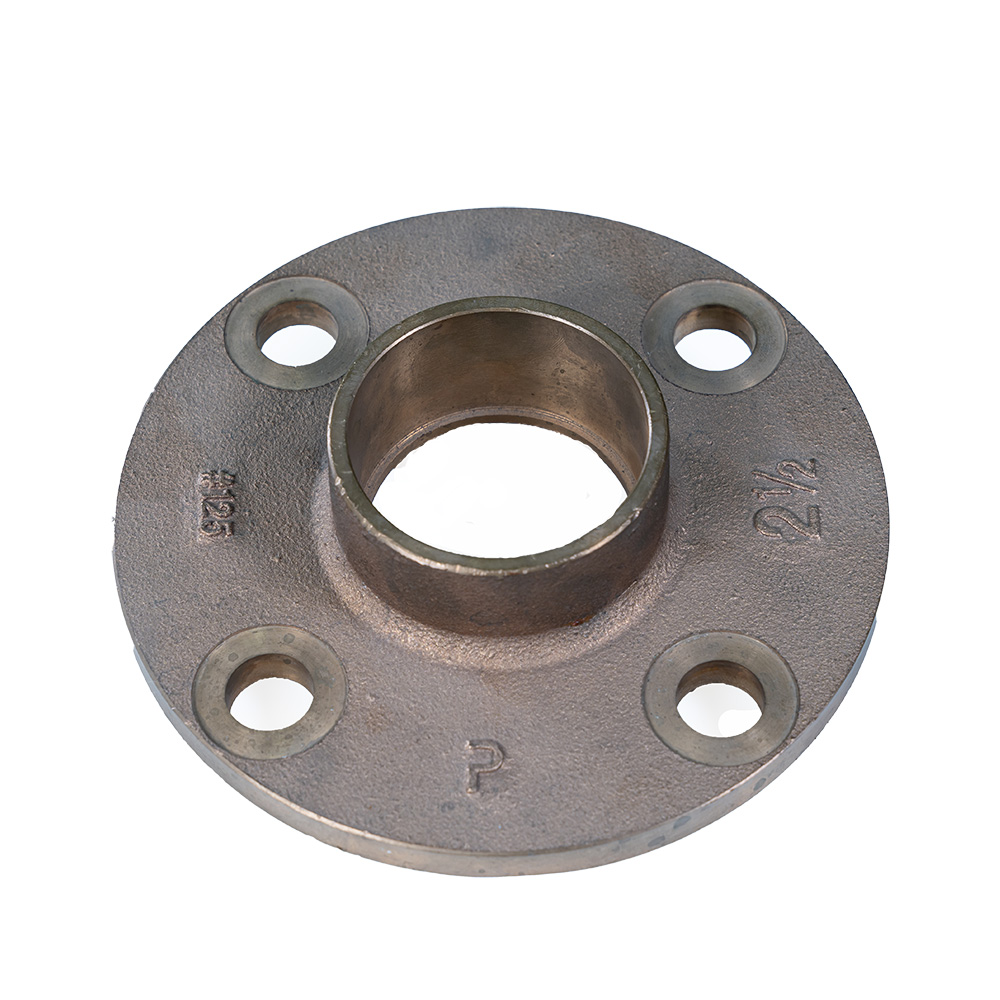
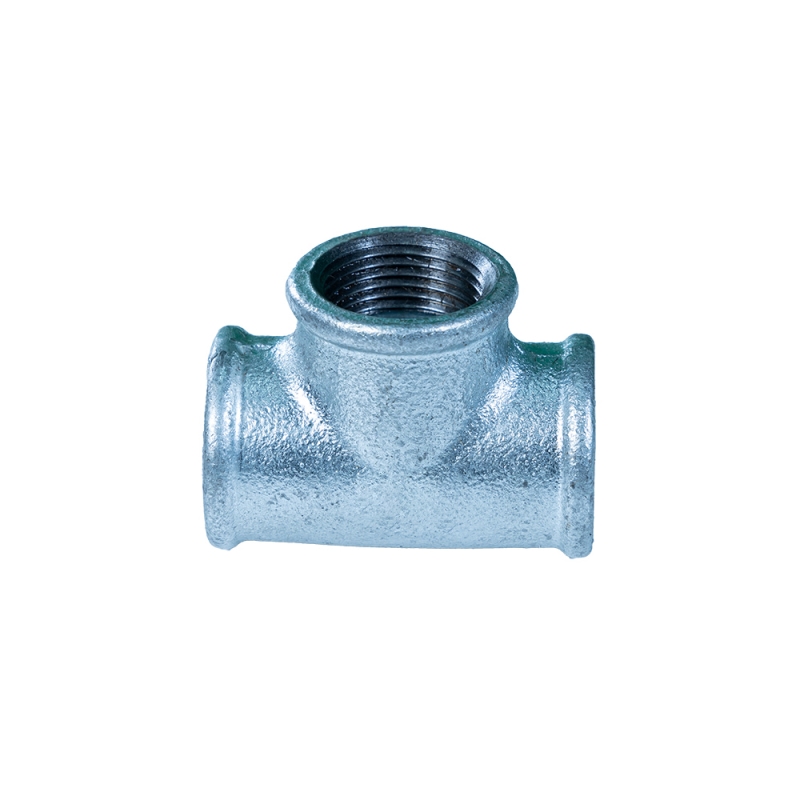
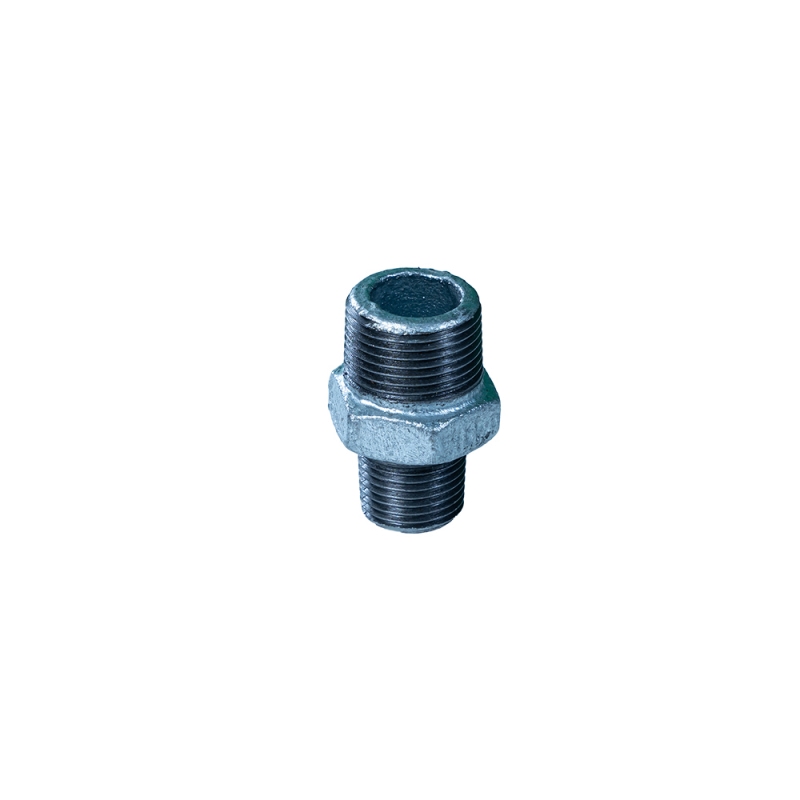
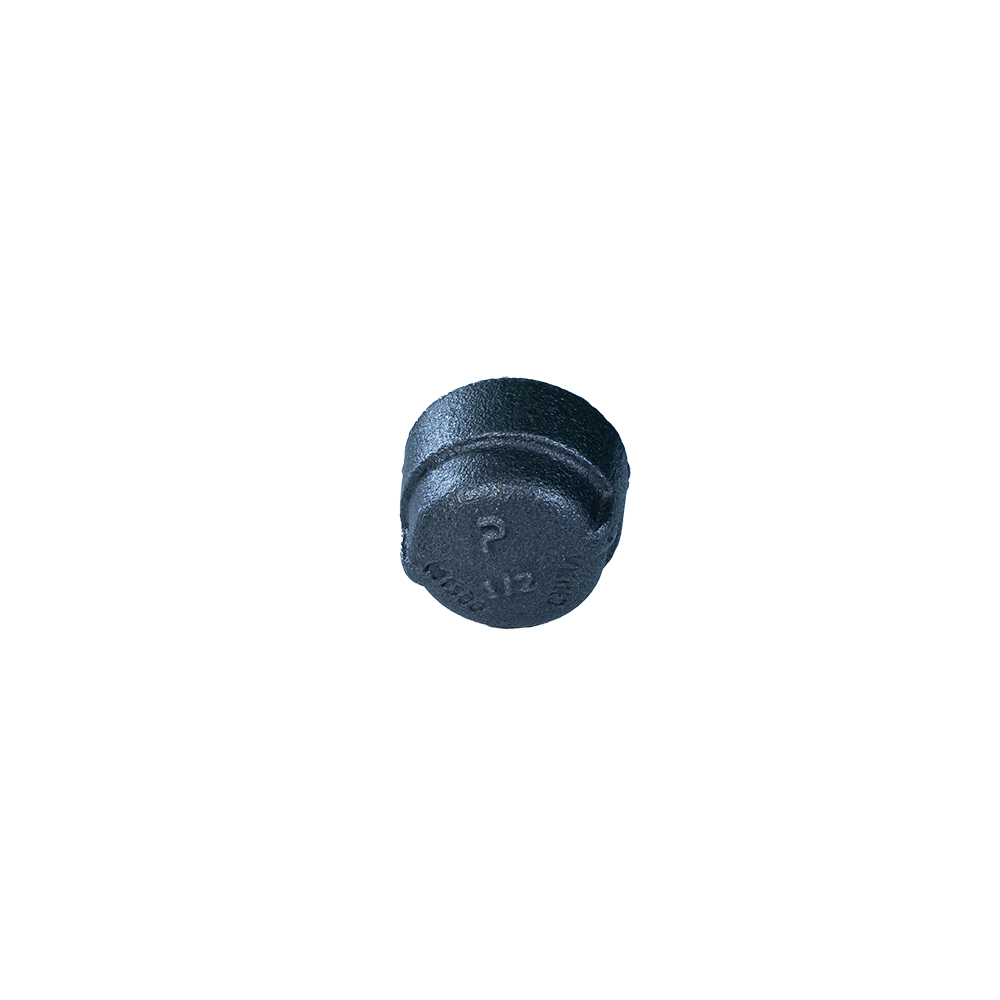
Having spent over a decade in the industrial equipment sector, I’ve learned that malleable iron fittings manufacturers come in all shapes and sizes, with quite a range of quality. Oddly enough, despite their seemingly simple role in pipe systems, these fittings need to be up to snuff — because every connection counts, especially when you’re working on high-pressure or critical infrastructure projects.
Now, malleable iron fittings aren’t glamorous. They’re those hardworking connectors that often go unnoticed until they fail (and you certainly don’t want that). What sets reliable manufacturers apart? From what I’ve seen, it boils down to material quality, manufacturing precision, and rigorous testing.
Most malleable iron fittings start as castings made from specially heat-treated iron that balances strength with a little bit of flexibility — hence the name “malleable.” This subtle flexibility means they won’t crack under stress like brittle cast iron might. Many engineers I know swear by this to avoid sudden failures in mechanical joints. It still amazes me how a small improvement in the alloy’s chemistry can significantly boost durability.
Design-wise, industry standards, like ASTM A197, govern dimensions and performance — but not every manufacturer strictly follows these. I recall a project where a vendor’s fittings didn’t quite meet the tolerance specs, which led to some pretty frustrating installation headaches. This makes me appreciate companies that invest in proper tooling and quality control.
In terms of testing, a few good manufacturers will put their fittings through hydrostatic pressure tests or hardness analyses to ensure longevity. These aren’t trivial steps—they reflect a genuine commitment to product reliability. Personally, I prefer vendors who share that data openly rather than just give marketing fluff.
| Specification | Details |
|---|---|
| Material | Malleable iron cast to ASTM A197 |
| Pressure Rating | Up to 300 psi (varies by fitting type) |
| Thread Standard | NPT (National Pipe Thread) |
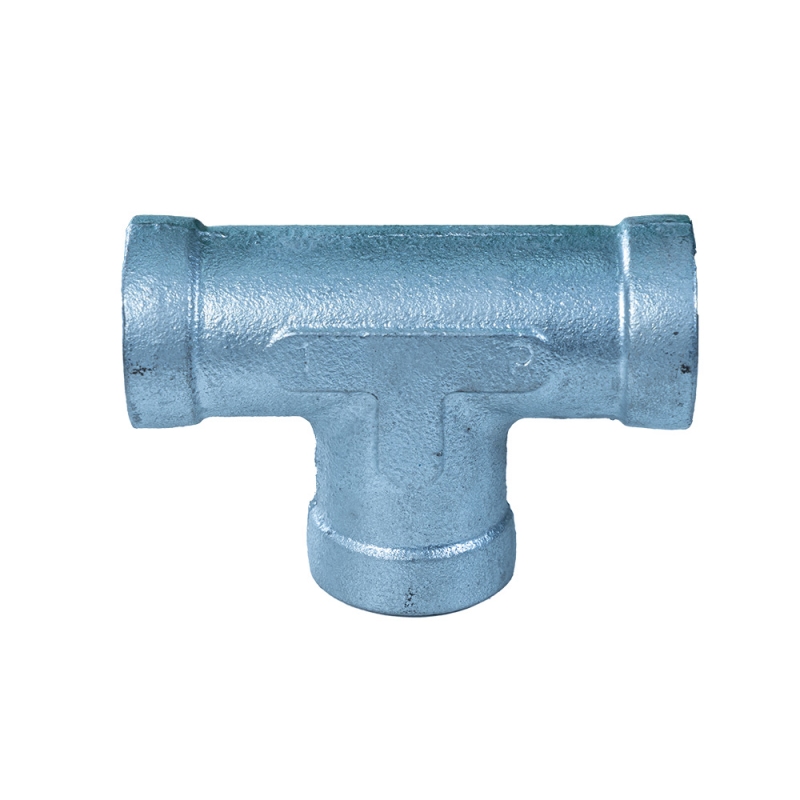
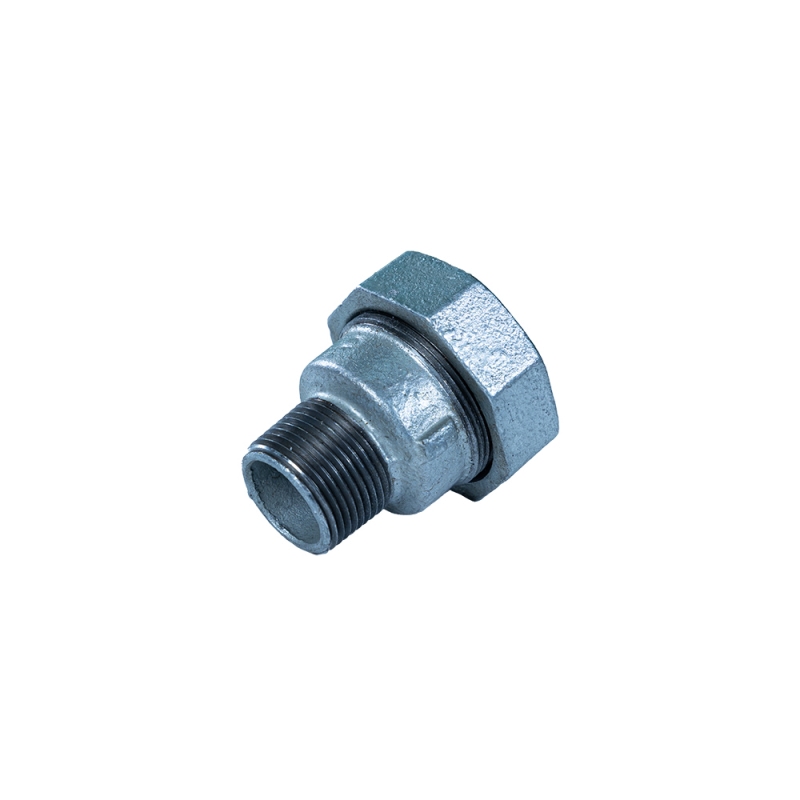
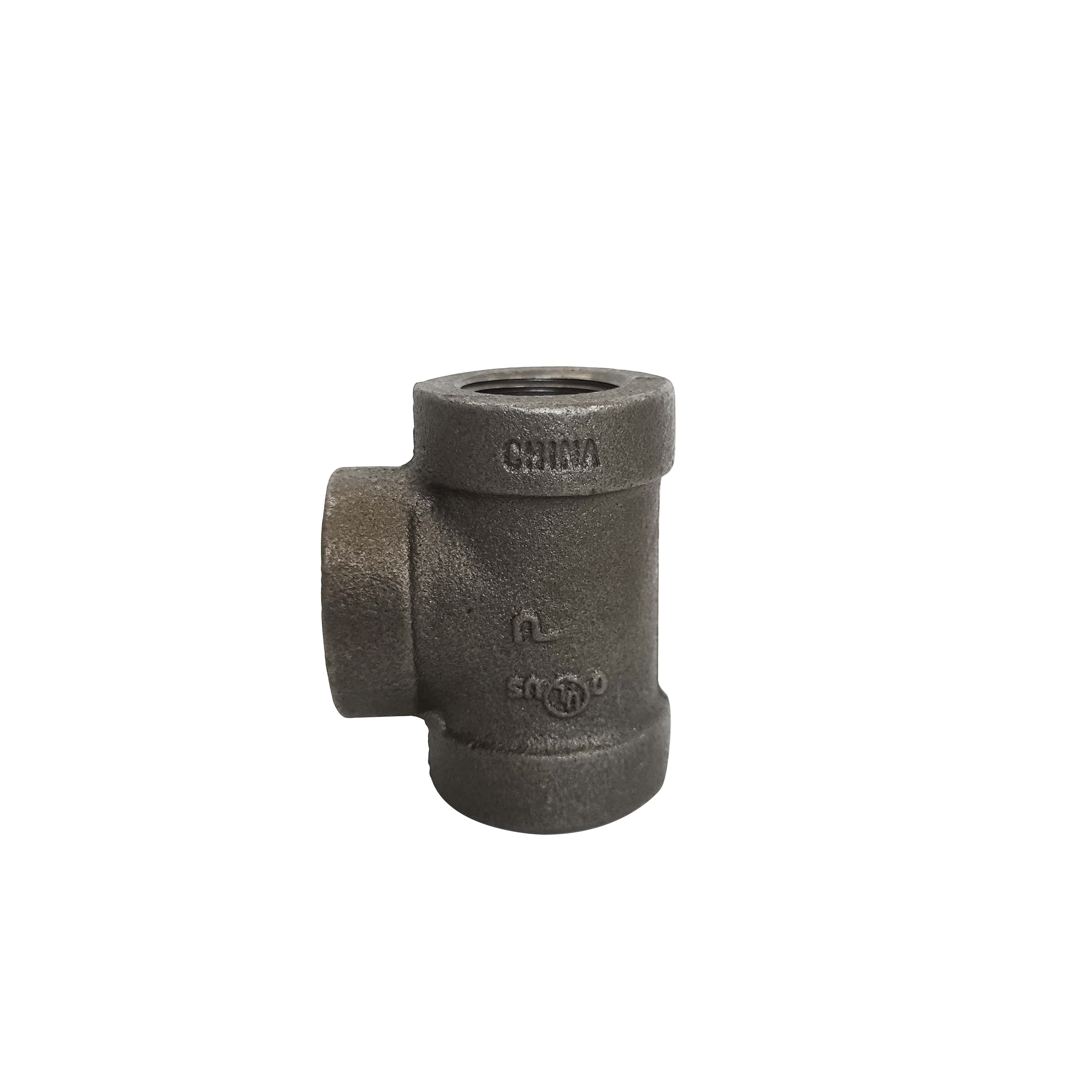
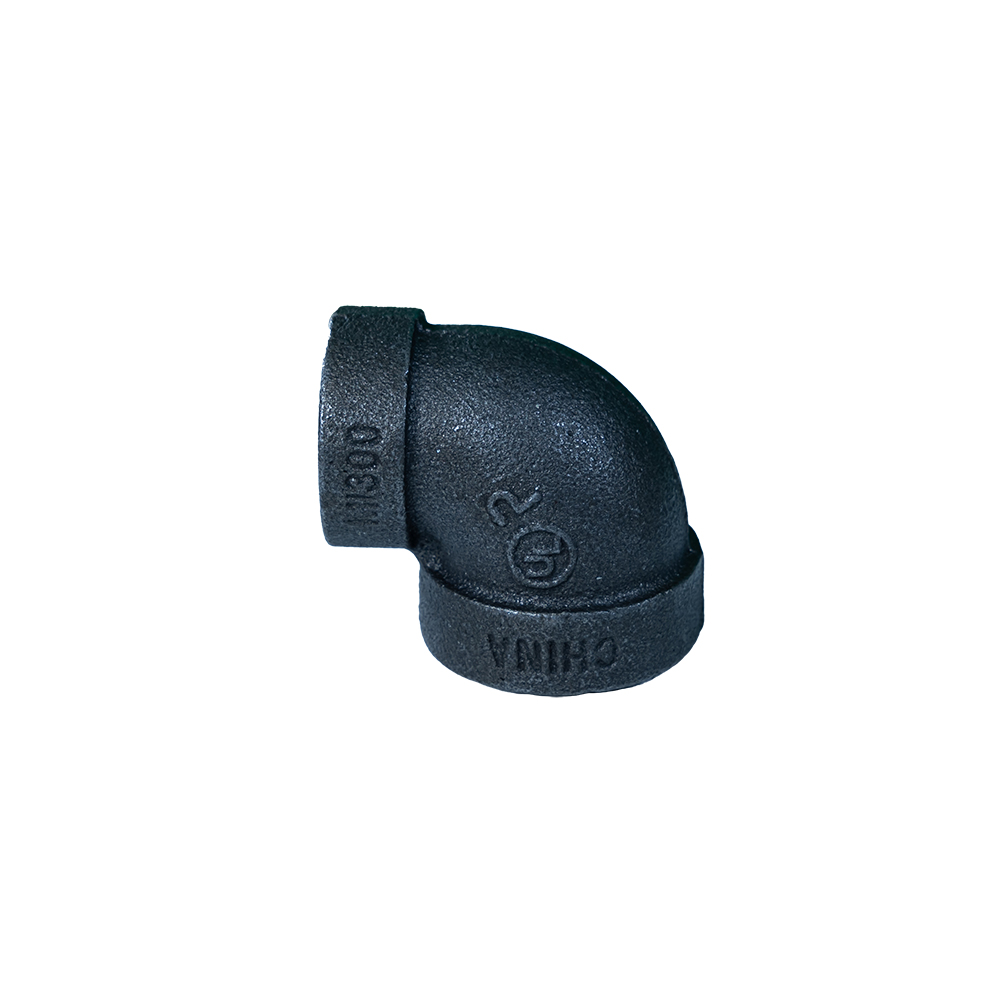
| Coating | Black or galvanized finish available |
| Typical Applications | Water, gas, oil, HVAC, fire protection |
What also fascinates me is how customization has become a selling point. Some manufacturers offer tailored fittings — whether that’s unique thread finishes, special coatings, or extra testing certifications. You know, that kind of stuff engineers love when working on complicated systems or compliance-heavy contracts. Standing out really means listening to your clients’ actual needs.
I want to share a quick customer story — a mid-sized municipal contractor was struggling with frequent leaks on a water line project. They switched to a reputable manufacturer reputed for quality malleable iron fittings, and just like that, the failure rate dropped dramatically. It felt like a simple fix, but it really underscored how a reliable fitting saves time, money, and headaches.
Choosing the right manufacturer involves a few key factors: product quality, certification, responsiveness, and price. Here’s a quick comparison I put together based on my own industry research and firsthand experience with several vendors:
| Vendor | Quality Certification | Customization | Average Pricing | Lead Time |
|---|---|---|---|---|
| PanNext Fittings | ASTM A197, ISO 9001 | Extensive options, custom finishes | Mid-range | 2–3 weeks |
| Global Iron Works | ASTM A197 | Limited customization | Lower-end | 1–2 weeks |
| IronPro Supplies | ISO 9001 only | Moderate options | Higher-end | 3–4 weeks |
Frankly, when deciding who to trust with malleable iron fittings, I’m always drawn to a manufacturer that’s transparent about their process and open to feedback. It’s not just about the metal—it’s about the partnership. Years of field experience teach you that small details matter big time.
In real terms, if you’re sourcing fittings for critical piping systems, don't skimp on diligence. Look for solid certifications, test reports, and don't hesitate to ask about customization. A fitting is small, yes, but it makes a world of difference when it’s holding your entire system together.
So there you have it — my take on malleable iron fittings manufacturers. Trustworthy manufacturers bring peace of mind, and, frankly, that’s priceless.
Takeaway: Quality malleable iron fittings reflect more than metallurgy — they show who you’re trusting to keep your systems safe and sound.
- ASTM A197 Standard Specification for Malleable Iron Castings
- ISO 9001 Quality Management Systems Overview
- Industry insights from seasoned piping engineers (personal interviews)
Post time: Jan-06-2026