
The 45 Degree Elbow: A Small Component with Global Impact
When you think about plumbing or piping systems, large valves and pumps probably steal the spotlight. Yet, it’s humble connectors like the 45 deg elbow that quietly hold everything together — literally changing the flow of industries worldwide. This small, angled component allows pipes to bend and change direction without stress fractures or leaks, which is vital in energy, water distribution, construction, and even humanitarian aid. Getting familiar with its design and applications? That’s not just pipe dream stuff — it’s an essential insight for engineers, suppliers, and project managers who deal with fluid dynamics every day.
In fact, thanks to growing infrastructure needs globally, the use of these elbow fittings is skyrocketing. According to the International Organization for Standardization (ISO), industrial piping components market is expected to grow by roughly 5% annually — a big chunk driven by demand in Asia-Pacific and Sub-Saharan Africa where urbanization demands smarter, bendier pipe solutions.
If plumbing were a language, the 45 deg elbow is one of its most elegant, practical characters — preventing turbulence, managing pressures, and helping pipelines fit into complex layouts. So how does this tiny piece accomplish such a feat? And why should anyone outside a pipefitter’s world care? Let’s dive in.
Understanding the 45 Deg Elbow: What Is It?
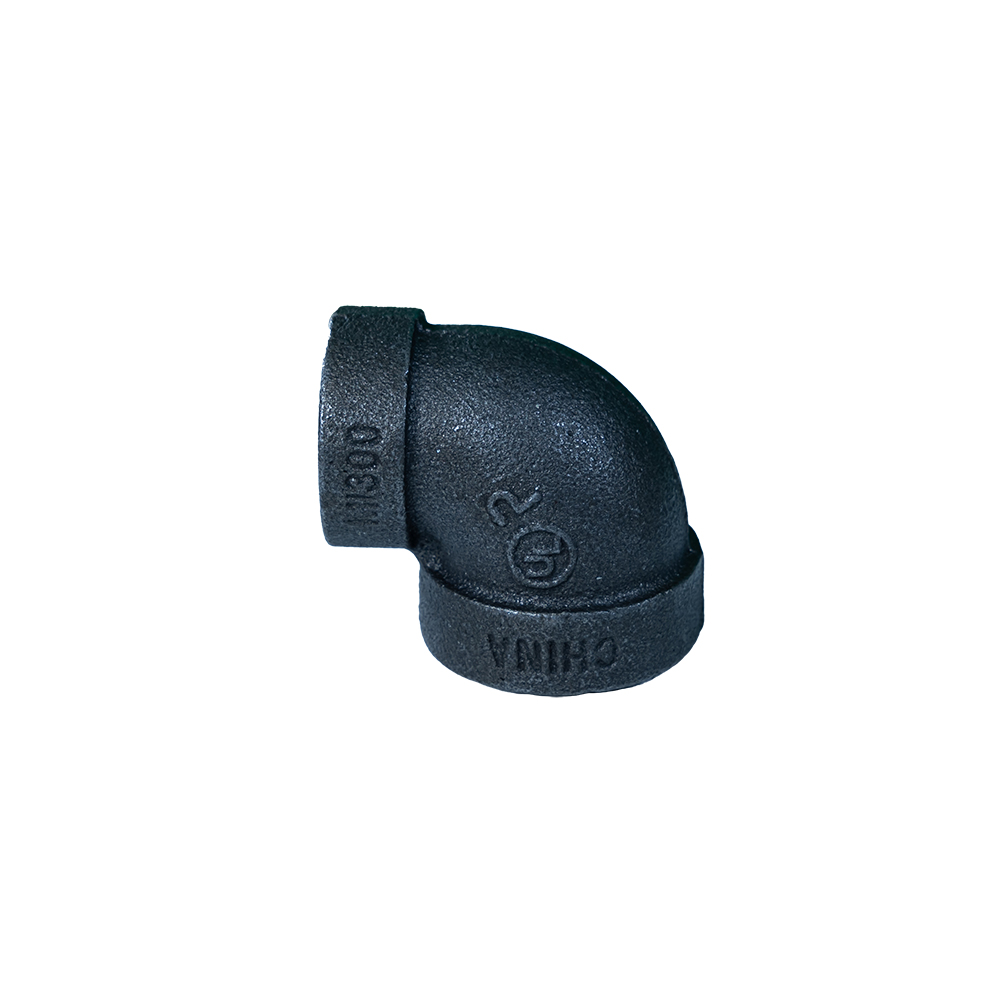
Simply put, a 45 degree elbow is a pipe fitting designed to change the flow direction of a piping system by 45 degrees. Unlike the more abrupt 90-degree elbow, it offers a gentler bend, reducing flow turbulence, erosion, and pressure loss. These fittings can be welded, threaded, or socketed and come in a variety of materials ranging from carbon steel and stainless steel to plastic composites.
In modern industry, the 45 deg elbow is more than just a connector — it’s a strategic component that improves system longevity and efficiency. It’s used wherever fluids or gases need to navigate around obstacles, in everything from massive oil refineries to the irrigation systems supporting global agriculture.
Why does a 45 deg bend matter?
- Flow Efficiency: By lessening turbulent forces, it saves energy that would otherwise be lost in pumping.
- Structural Integrity: A gentler turn means less stress on pipes, reducing chances of leaks or bursts.
- Space Optimization: Often systems need to snake through tight spots — 45 deg elbows fold pipelines cleanly without compromising flow.
Core Factors That Define Effective 45 Degree Elbows
Material Durability
Materials used span carbon steel to high-grade stainless, brass, and sometimes even plastic polymers for non-corrosive environments. Each offers different benefits — stainless steel, for example, is favored in chemical plants because of its corrosion resistance, while carbon steel is common in oil and gas because it’s tough and cost-effective even under high pressures.
Pressure Ratings
International standards like ASTM define how much pressure these fittings can handle safely. A 45 deg elbow used in high-pressure steam lines demands a higher rating than those guiding domestic water. Selecting the right elbow with appropriate pressure tolerance is critical to avoid disasters.
Connection Type
Whether threaded, flanged, or welded, connection style affects installation speed and maintenance. Welded elbows offer leak-proof integrity but are less flexible for disassembly. Threaded ones lend themselves to quick fixes but risk loosening if not properly tightened.
Size and Scalability
From tiny half-inch units for residential systems to huge 48-inch or larger elbows for industrial plants, sizing is everything. Sometimes scaling up a design feels straightforward until you realize the cost, handling, and installation complexity multiply.
Compliance and Testing
Passed inspections in labs or field tests for durability against temperature fluctuations, vibration, and corrosion build trust. This isn’t just red tape — it saves lives, money, and reputations.
Cost Efficiency
You might think the elbow itself wouldn’t break the bank, but over time, the right choice means less downtime and fewer replacements. Oddly enough, skimping on this little piece can blow up your maintenance budget.
Mini takeaway: A quality 45 deg elbow balances material, pressure needs, connection style, and cost — all calibrated for your project's specific demands.
Where on Earth Do 45 Degree Elbows Matter Most?
The use of 45 deg elbows runs across practically every heavy industry:
- Oil and Gas: In Middle Eastern refineries, these elbows direct crude and gas lines through intricate piping racks, preventing stress fractures from pressure surges.
- Water Supply Systems: In cities like Nairobi, creative use of 45 deg elbows helps snake fresh water pipelines through densely packed urban layouts without costly excavation.
- Post-Disaster Infrastructure: NGOs deploy temporary water lines featuring quick-to-install 45 deg elbows in earthquake zones, restoring potable water faster than before.
- Renewable Energy Plants: Solar thermal and biofuel plants use specific elbows tailored for pipes transporting steam or bio-liquids — often under high heat and pressures.
Each of these scenarios proves that the 45 deg elbow isn’t just a convenience but a vital piece in engineering complex, adaptable pipeline solutions worldwide.
Advantages and Long-Term Value of Choosing the Right 45 Deg Elbow
Choosing a quality 45 deg elbow is an investment in downtime reduction, operational safety, and environmental impact:
- Cost Savings: Less turbulence means lower pumping costs. Fewer leaks reduce repair expenses.
- Sustainability: Longer-lasting materials mean less frequent replacements, lowering waste.
- Safety and Reliability: Secure, tested elbows reduce risk of catastrophic failures.
- Emotional Peace of Mind: Engineers and workers trust reliable fittings — and trust is key on stressful projects.
I've noticed many operators say a smooth flow isn't just mechanical; it’s about workflow and schedules too. An unexpected burst pipe could throw a whole site into chaos — and the elbow plays a surprisingly decisive role in preventing that.
Looking Ahead: Future Trends in 45 Degree Elbow Technology
Innovation is quietly bubbling beneath this seemingly mundane component:
- Advanced Materials: Composite materials infused with graphene or ceramics promise elbows that resist corrosion and wear even better.
- 3D Printing Custom Elbows: On-site additive manufacturing could cut lead times dramatically, especially for bespoke sizes.
- Smart Monitoring: Integrating sensors into elbows to monitor pressure and wear for predictive maintenance.
- Eco-Friendly Production: Shift toward green manufacturing, reducing carbon footprints in industrial fittings.
It feels like these advances won’t just improve elbow functionality but could revolutionize how industries build piping systems altogether.
Challenges Faced and How to Solve Them
However, no rosy picture is complete without some shadows. Common issues include:
- Material Degradation: In corrosive or extreme temperature environments, elbows may degrade faster than expected.
- Installation Mistakes: Poor welding or threading can cause leaks and failures down the line.
- Standardization Confusion: Variability in international standards sometimes stalls global procurement.
To tackle these, the industry is investing in comprehensive training, stricter quality controls, and collaborative specification harmonization efforts between countries. Plus, many firms embrace modular and pre-fabricated piping solutions to reduce on-site errors.
FAQ: Frequently Asked Questions About 45 Deg Elbow
1. What are the main benefits of using a 45 deg elbow instead of a 90 deg elbow?
45 deg elbows create a gentler bend, which causes less pressure loss and turbulence. This improves flow efficiency and reduces wear on pipes, often extending the system’s lifespan.
2. Can I use plastic 45 deg elbows for high-pressure industrial systems?
Generally, plastic elbows suit low-pressure, non-abrasive conditions such as domestic or irrigation plumbing. For high-pressure or chemical industries, metal elbows rated for specific pressure classes are preferred.
3. How do I know which connection type to choose for my elbow?
It depends on your system’s maintenance needs and accessibility. Threaded or socket connections are easier to disassemble, while welded joints offer more durability and leak prevention for permanent setups.
4. Are 45 deg elbows standardized internationally?
Yes, standards like ANSI, ASTM, and ISO help ensure compatibility and safety, but it’s crucial to verify compliance based on your region and application.
5. Can 3D printing replace traditional manufacturing of 45 deg elbows?
3D printing is emerging for custom or small-batch runs, especially for complex or rare sizes. However, mass manufacturing still relies largely on proven casting and forging techniques due to cost and material consistency.
Which 45 Degree Elbow Suits Your Needs? A Quick Specification Table
| Parameter | Carbon Steel Elbow | Stainless Steel Elbow | PVC Elbow |
|---|---|---|---|
| Pressure Rating | Up to 3000 psi | Up to 2700 psi | Up to 150 psi |
| Temperature Range | -20°C to 450°C | -50°C to 870°C | 0°C to 60°C |
| Corrosion Resistance | Low to Moderate | High | High in Non-Abrasive Environments |
| Weight | Heavy | Moderate | Light |
| Cost | $ | $$ | $ |
Comparing Major Vendors of 45 Degree Elbows
| Vendor | Material Range | ISO Certifications | Price Level | Lead Time |
|---|---|---|---|---|
| PanNext Fittings | Carbon Steel, Stainless, PVC | ISO 9001:2015, ISO 14001 | $$ | 3-4 weeks |
| Global Pipeworks | Stainless Steel, Alloy | ISO 9001:2015 | $$$ | 4-6 weeks |
| EcoFlow Solutions | Recycled Materials, PVC | ISO 14001 | $ | 2-3 weeks |
Wrapping It Up: Why the 45 Degree Elbow Matters More Than You Think
So, next time you glance at an industrial plant or even your home plumbing, remember that the 45 deg elbow you rarely notice plays a key role in keeping fluid systems safe, cost-effective, and sustainable. It’s not just about a simple bend — it’s about engineering smarter flow paths that make complex infrastructure possible.
Whether you’re designing a massive oil refinery, retrofitting urban water lines, or helping deliver relief water in a disaster zone, this component is worth your attention. For more specialized products and expert advice on 45 deg elbows, head over to PanNext Fittings. After all, sometimes the smallest piece in the puzzle fits the biggest need.
Mini takeaway: The 45 deg elbow helps systems flow better, last longer, and adapt smoothly — proving that big solutions often hinge on small parts.
References:
Post time: Nov-30-2025