
What Is a 1 in Union, and Why Does It Matter?
At first mention, a 1 in union might sound like something political or organizational, but within the industrial and plumbing world, it’s a game-changer — a simple yet essential fitting that connects two pipes or tubes with a one-inch diameter. This modest little part plays a huge role in countless systems worldwide, from water supply and gas lines to large-scale manufacturing.
Given the scope of global infrastructure—look at the UN’s infrastructure development goals or ISO standards for plumbing components—it’s downright fascinating how crucial unions like this are. They allow for easy disassembly and maintenance without cutting pipes, which saves time, money, and headaches. And with industries pushing for more sustainable solutions, knowing your 1 in union specs and applications becomes key.
Mini takeaway: A humble connector? Yes. But 1 in unions hold together the flow of industry, literally.
The Global Relevance of 1 in Union Fittings
Understanding why a 1 in union is more than just a random fitting requires zooming out a bit. According to the World Bank, infrastructure spending globally exceeds $4 trillion annually. Within that, piping and joint technologies matter massively, especially in developing regions racing to build reliable water and energy networks.
But here’s the rub: traditional pipe joints can fail under stress or require full replacement if damaged. The 1 in union component addresses these problems by letting engineers replace sections without dismantling full runs—bridging gaps between durable design and operational efficiency.
For industries dealing with hazardous fluids or high pressures—like petrochemical plants or hospital gas lines—unions provide safety and quick troubleshooting. Globally, organizations such as the International Organization for Standardization (ISO) have crafted strict standards ensuring unions meet durability and leak-resistance requirements, because a faulty joint can mean contamination or dangerous failures.
Mini takeaway: 1 in unions offer a reliable link in complex systems worldwide—critical where downtime or risk isn’t an option.
Defining the 1 in Union in Simple Terms
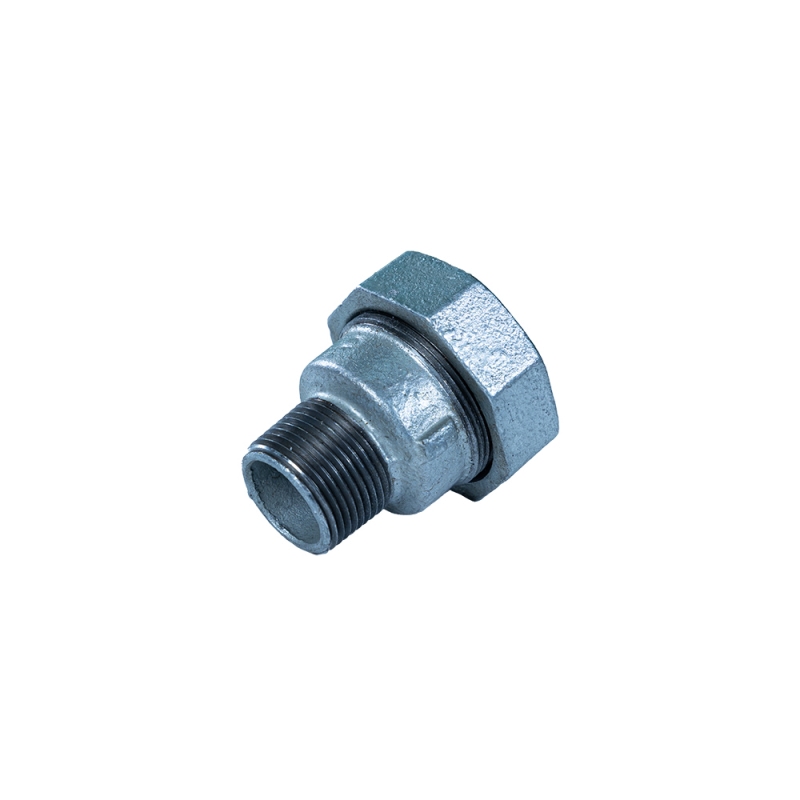
So, what exactly is a 1 in union? In essence, it’s a pipe fitting—specifically a coupling—that joins two pipes or tubes with a nominal diameter of one inch.
Unlike permanent joints like welded pipes, unions come apart easily. They often include a nut and threaded ends, which means you can connect or disconnect pipes without cutting or damaging them. Think of it like the clasp on a bracelet—easy to open, reuse, and tight enough to hold together securely.
Beyond residential plumbing, these unions are vital for industrial setups where flexibility, maintenance, and operational continuity are non-negotiable.
Mini takeaway: The 1 in union is the unsung hero of piping, balancing strength with serviceability.
Core Components That Make a 1 in Union Work
Material Durability
Most 1 in unions are made of brass, stainless steel, or high-grade plastics. Each material suits different environments—brass for potable water, stainless for corrosive chemicals, and plastic for light-duty or budget-sensitive projects. The longevity of a union largely hinges on this choice.
Sealing and Leak Resistance
Good unions use gaskets or O-rings to create water-tight seals under pressure. The design ensures that even if the system vibrates or expands with temperature, connections don’t leak—a key safety feature in pipelines carrying hazardous or pressurized fluids.
Ease of Installation
Unlike welded or soldered joints, unions make assembly quick and straightforward. For technicians in tight spaces or on remote sites, being able to screw and unscrew a joint quickly is a lifesaver, literally and figuratively.
Pressure Handling
One-inch unions are rated to handle pressures ranging from 150 to over 600 psi depending on model and material, which means they’re versatile enough for both home heating systems and demanding oil refineries.
Corrosion Resistance
This is where coatings and base metal choices come into play. A well-coated stainless steel union might last decades, while untreated brass exposed to salty air might degrade quickly.
Mini takeaway: It's these key aspects that determine whether a 1 in union fits your needs or ends up frustrating your engineering team.
How 1 In Unions Are Used Around the World
Oddly enough, from rural African water projects to sprawling European chemical plants, the 1 in union is a universal player. In disaster relief operations, where tent hospitals and temporary water supplies pop up, unions let engineers rapidly deploy complex piping without fancy tools.
Mining in Australia uses heavy-duty unions because the corrosive environment demands especially tough materials, while in fast-growing Asian cities, unions are standard fixtures in HVAC systems that regulate climate in skyscrapers.
Even nonprofits rely on 1 inch unions for quick fixes in emergency water distribution, where time is of the essence and pipe cutting isn’t an option. It’s a classic example of an old-school technology still going strong because it solves very modern challenges.
Mini takeaway: Wherever fluid needs to flow safely and flexibly, 1 in unions find a role.
A Quick Look at Product Specifications
| Specification | Typical Value | Notes |
|---|---|---|
| Nominal Pipe Size | 1 inch | Standard nominal diameter |
| Material | Brass / Stainless Steel / PVC | Depends on application |
| Pressure Rating | 150 - 600 psi | Varies by model and material |
| Connection Type | Threaded union nut | Allows easy disassembly |
| Sealing Method | O-ring / gasket | Ensures leak resistance |
Comparing Popular Vendors for 1 in Unions
| Vendor | Material Options | Price Range (USD) | Special Features | Lead Time |
|---|---|---|---|---|
| Parker-Hannifin | Brass, SS | $5 - $12 | High durability, ISO certified | 1–2 weeks |
| Swagelok | Stainless Steel only | $10 - $20 | Superior leak resistance | 2–3 days |
| Lasco Fittings | PVC, CPVC | $3 - $7 | Cost effective, lightweight | 3–5 days |
| Pannext Fittings | Brass, SS, Composite | $6 - $14 | Custom sizes, high pressure rating | 1 week |
Advantages & Long-Term Value of Using 1 in Unions
There’s a lot to like about 1 in unions beyond their obvious mechanical function. On the cost side, avoiding pipe cutting and re-welding cuts labor and downtime drastically—especially in industrial setups where shutting systems down costs thousands per hour.
The reliability factor also plays into safety and trust. When your union holds firm under pressure and temperature variations, you reduce leak risks that could contaminate food production lines or pollute sensitive environments. For end users, that’s peace of mind.
Plus, unions make upgrading existing setups easier. Installers can introduce newer materials or configurations without dismantling entire systems—a big win for sustainability and circular economy goals.
Mini takeaway: Economical, sustainable, reliable — the 1 in union doesn’t just connect pipes, it connects value.
Future Trends and Innovations Shaping 1 In Union Technology
So, what’s next for the humble 1 in union? For starters, advances in materials science mean we’re seeing more composite and polymer unions that withstand corrosion and extreme conditions better than traditional metals. Some manufacturers are integrating sensors to detect leaks or pressure changes in real time—smart unions, if you will.
On the policy front, tightening regulations on environmental impact push designers towards greener options, while industry 4.0 encourages automated installation and maintenance enhanced by IoT connectivity.
Quite frankly, the future might bring unions that are “plug and play” combined with data feedback, making pipes talk to control rooms like never before.
Mini takeaway: 1 in unions are quietly starting to join the digital, sustainable revolution — quite exciting.
Challenges & Solutions in Current 1 In Union Use
Despite many benefits, unions aren’t perfect. You sometimes hear complaints about improper sealing or thread wear that can cause leaks. In harsh chemical or high-vibration scenarios, unions have to be chosen carefully.
One solution is improved standards and tighter quality control—many factories now offer pressure and leak testing before shipping. Also, hybrid designs combining metal and polymer parts offer better performance while maintaining ease of use.
In cold climates, adding thread lubricants that resist freezing makes a big difference.
Mini takeaway: Knowing the right union for your environment and maintaining quality can overcome most challenges.
FAQ: Common Questions About 1 in Union
- Q: Can 1 in unions handle high-pressure water systems safely?
A: Absolutely. Most quality 1 inch unions are rated up to 600 psi or more, suitable for domestic and many industrial water pressure applications. - Q: How do I choose the right material for a 1 in union?
A: Consider the fluid type (water, chemicals, gas), pressure, temperature, and environment (corrosive or not). Brass and stainless steel are robust choices for most uses, while PVC suits non-pressure or corrosive water lines. - Q: Is it hard to replace a 1 in union on an existing pipe?
A: Not really. That’s the advantage of unions—they disassemble easily with standard wrenches, no cutting needed. Just ensure system pressure is relieved first. - Q: Are 1 in unions reusable?
A: Yes, unions are designed to be reused multiple times if threads and seals remain intact, making them cost effective and environmentally friendly. - Q: Can NGOs use 1 in unions in emergency relief setups?
A: Definitely. Their quick connect/disconnect nature suits rapid deployment and repairs, ideal when time and tools are limited. See 1 in union solutions for more.
Conclusion: The Quiet Backbone of Fluid Systems
In real terms, the 1 in union might be small, but its impact is huge. It’s a fundamental piece that helps water flow cleanly, gas move safely, and industries function smoothly. Its ease of use, cost benefits, and adaptability position it as a long-term ally in infrastructure and innovation.
If you want to explore quality, tested, and customizable 1 in union fittings, head over to 1 in union vendor options for specialized advice.
Mini takeaway: Next time you twist a union nut, you’re truly holding a piece of global engineering history — ensuring flow, safety, and smart design.
References:
1. Wikipedia - Pipe Fitting
2. ISO Standards for Pipe Joints
3. World Bank - Infrastructure Overview
Post time: Nov-27-2025