
Understanding 1 Inch Galvanized Pipe Fittings: Essential Components for Durable Infrastructure
When we talk about building or repairing reliable plumbing and piping systems, 1 inch galvanized pipe fittings often come up as an essential solution. These little metal connectors might seem unassuming, but they play a crucial role globally—from household plumbing to industrial pipelines. Knowing what they are and how they work can save costs, improve safety, and support sustainable infrastructure worldwide. Whether you’re involved in construction, maintenance, or humanitarian projects, understanding these fittings matters more than you might expect.
Global Context: Why 1 Inch Galvanized Pipe Fittings Matter
The global construction market, valued at over $12 trillion according to the World Bank, depends heavily on reliable pipe fittings to maintain water supply systems, gas lines, and industrial plants. The International Standards Organization (ISO) highlights galvanization as a key technique that prolongs the life of steel pipes, preventing corrosion in diverse climates. Yet, many developing regions face challenges where poor quality or unsuitable fittings lead to frequent leaks, contamination, or costly repairs. In that respect, 1 inch galvanized pipe fittings—decently standard in dimensions and material treatment—help address these bottlenecks by offering durability and consistent performance.
Oddly enough, amid all the digital transformations and energy innovations, basic mechanical components like pipe fittings still underscore much of modern infrastructure success.
What Are 1 Inch Galvanized Pipe Fittings?
To keep it simple, these are metal connectors designed to join or cap 1 inch-diameter galvanized steel pipes. “Galvanized” means the pipe and fittings have been coated with a layer of zinc to fight rust and corrosion. This makes them especially suitable for water lines, outdoor piping, or industrial processes where moisture or chemicals might cause degradation. In many ways, these fittings function as the backbone of safe water delivery systems and reliable industrial operations.
Considering global needs—clean water provision, sanitation, and disaster relief—the accessibility of durable galvanized fittings fulfills not only industrial but critical humanitarian purposes. They keep systems leak-free, reducing water wastage and contamination.
Key Components and Features
1. Durability
The zinc coating protects 1 inch galvanized fittings from rust—this extra layer is a lifesaver in humid or chemically active environments. Durability translates to longer replacement cycles and fewer maintenance headaches.
2. Standardized Sizing
The 1 inch measurement isn’t arbitrary. It fits precisely with standard galvanized pipes, making installation straightforward. This uniformity also means you can source fittings from multiple suppliers and expect compatibility.
3. Variety of Types
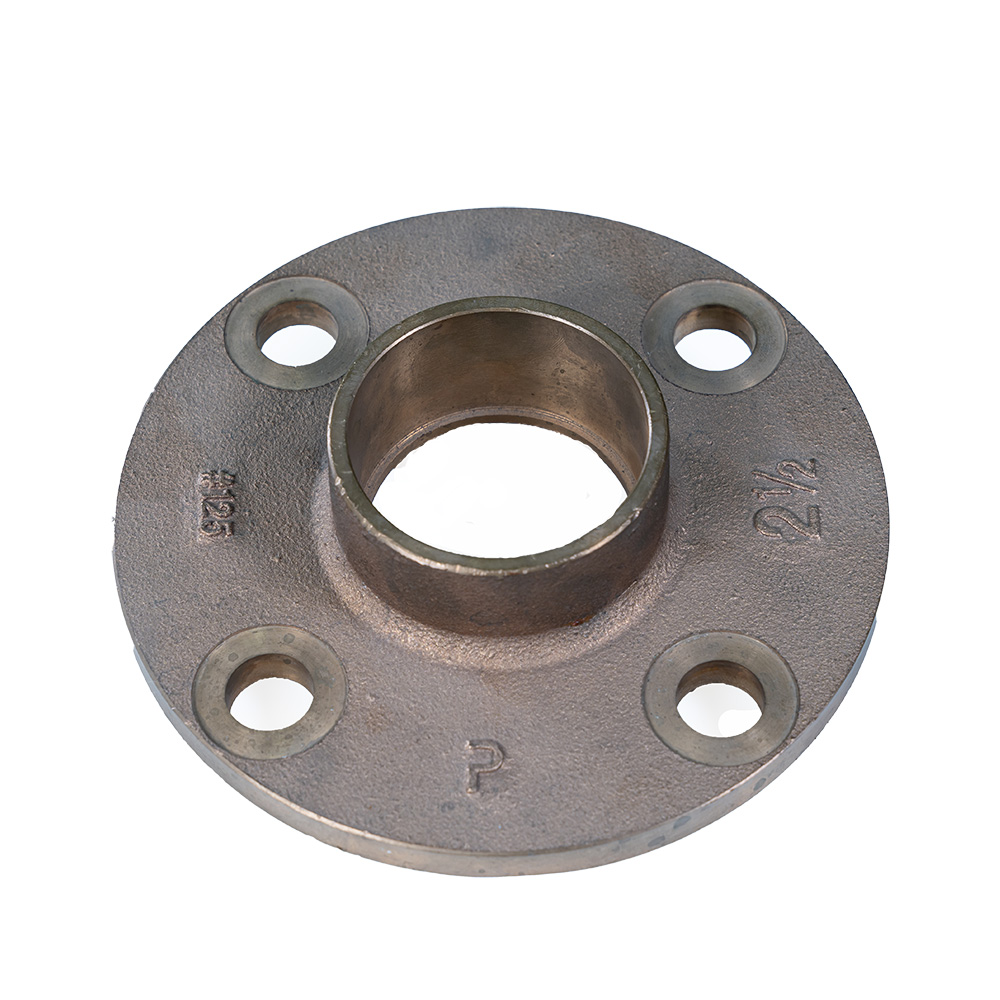
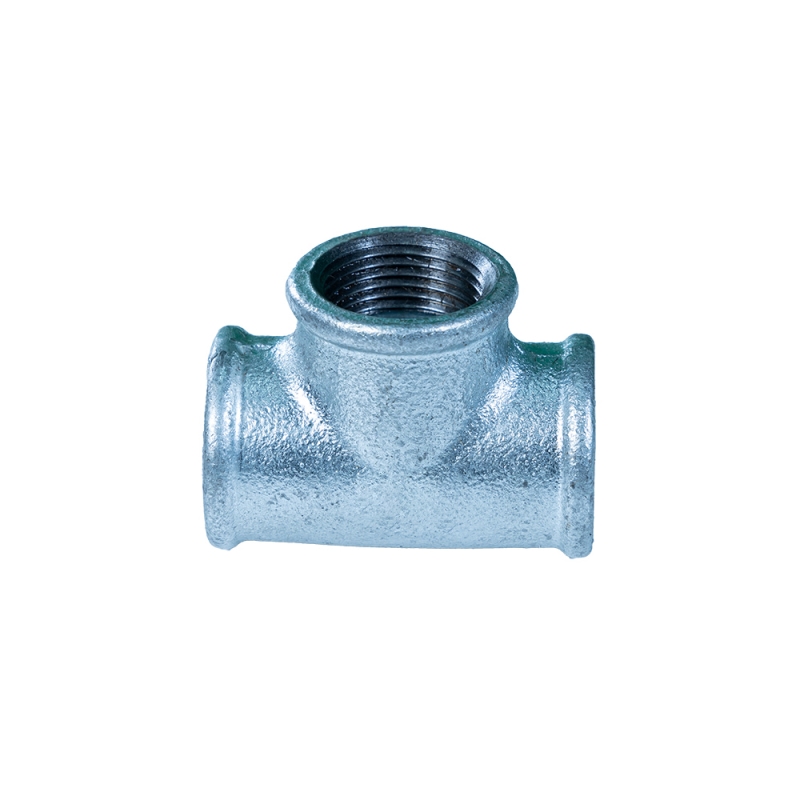
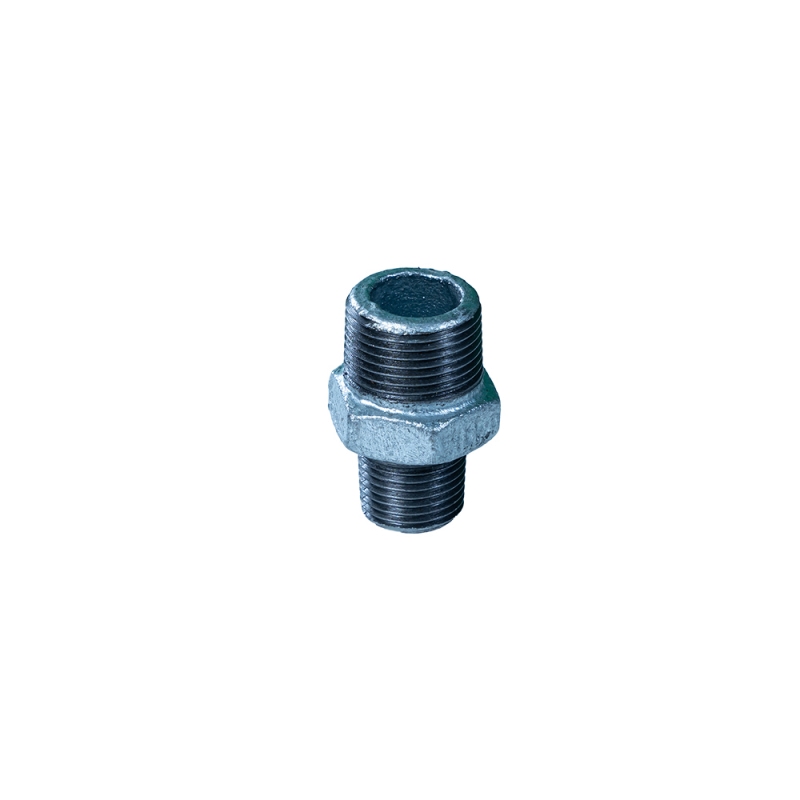
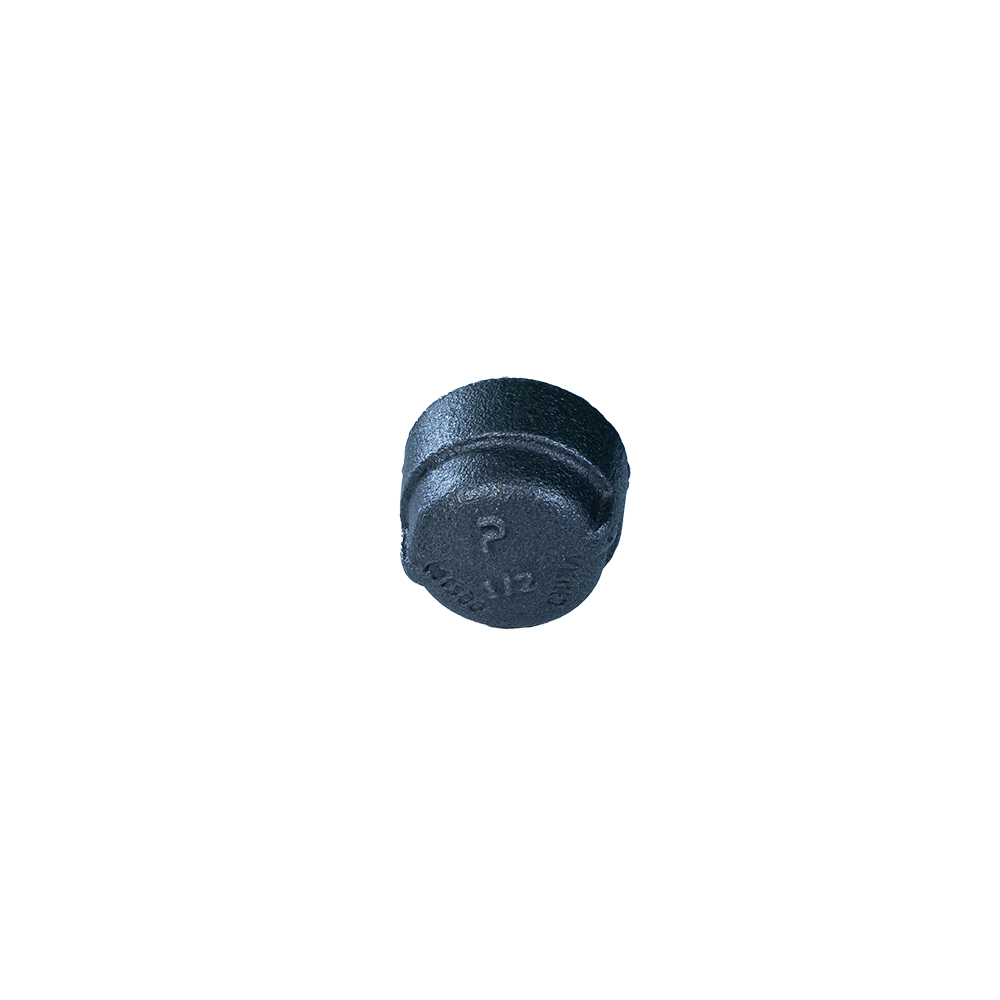
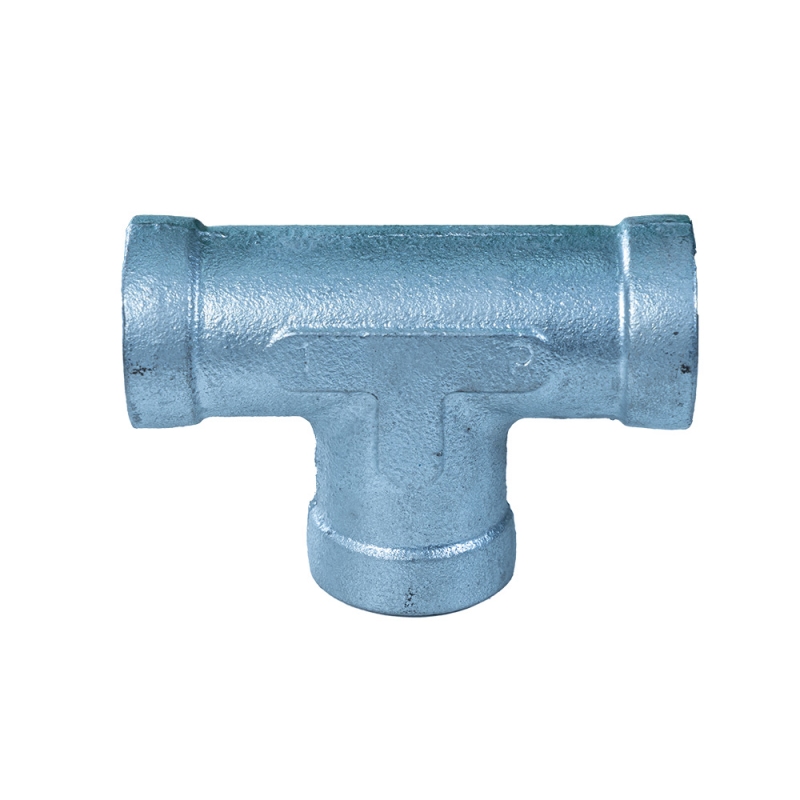
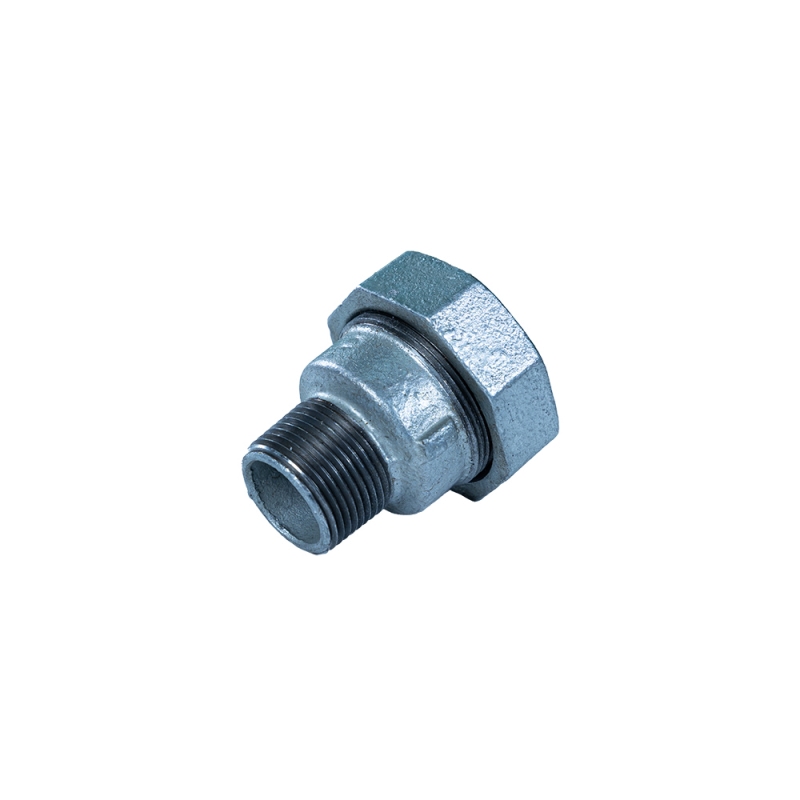
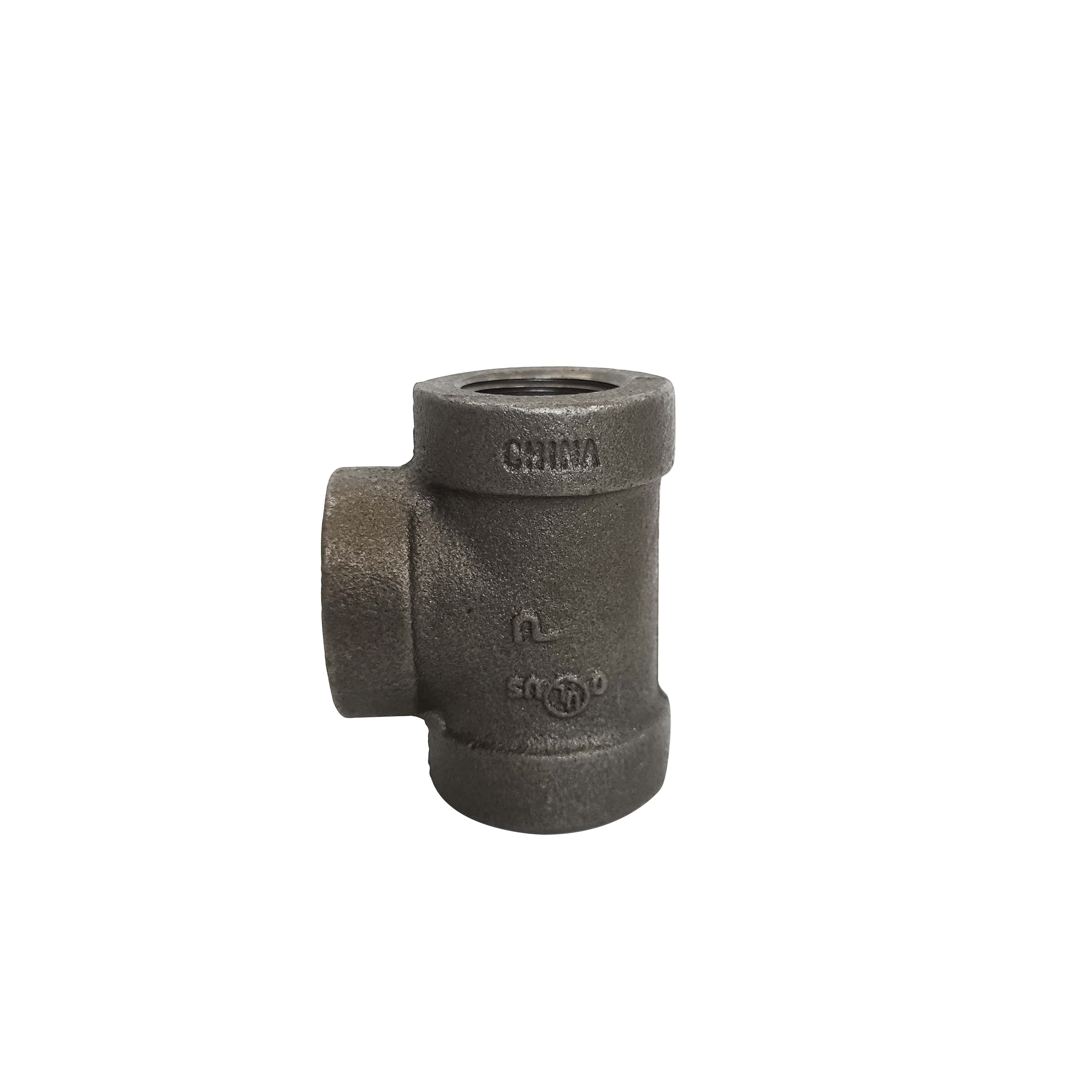
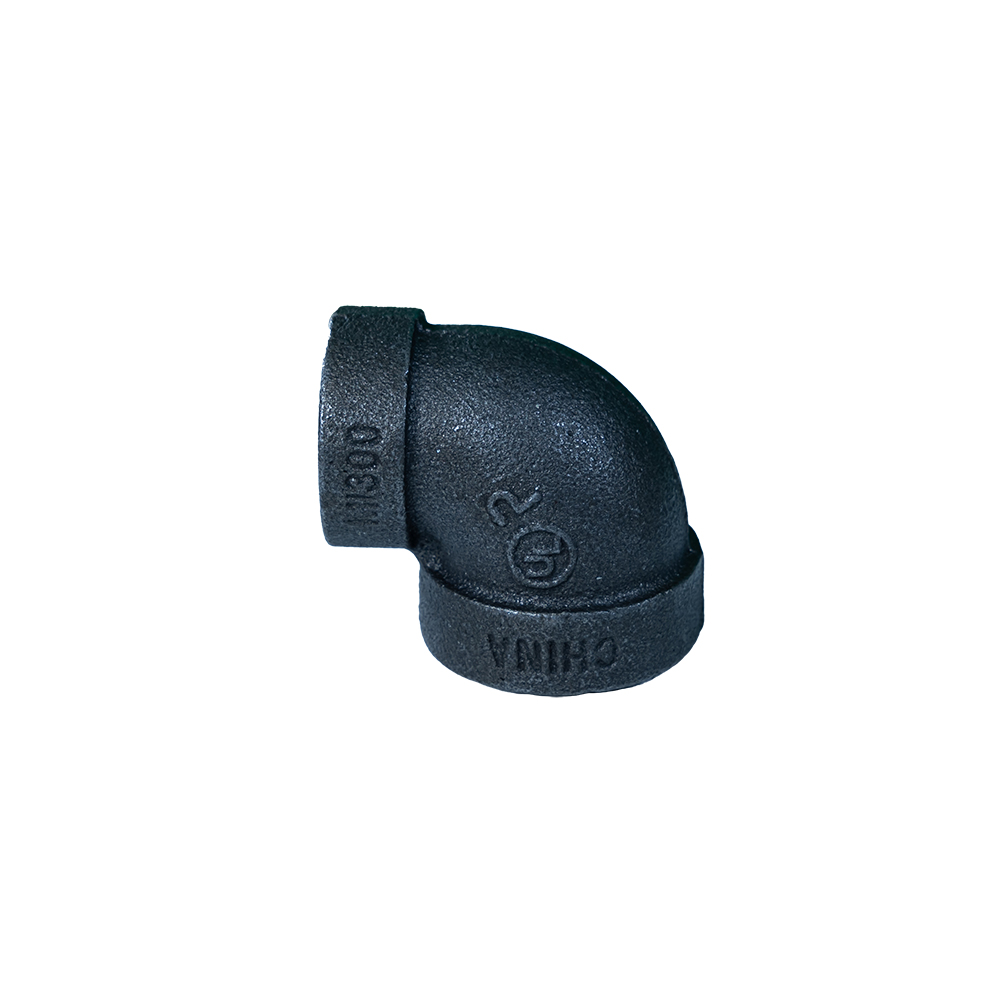
T-joints, elbows, couplings, caps—each offers a specific function allowing the pipe system to bend, branch, or close securely. Picking the right fitting type is key to a safe and functional pipeline.
4. Cost Efficiency
While not the cheapest option compared to plastic-based components, galvanized fittings offer a reliable balance between upfront cost and lifespan. Over time, installations with galvanized pieces generally incur less expensive repairs.
5. Environmental Resistance
Protected from corrosion even under moisture or moderate chemical exposure, these fittings perform well outdoors and in industrial zones—a critical factor in infrastructure spanning diverse climates.
Product Specifications for Typical 1 Inch Galvanized Pipe Fittings
| Specification | Details |
|---|---|
| Material | Steel with zinc galvanization |
| Diameter | 1 inch (nominal pipe size) |
| Pressure Rating | Up to 300 psi (varies by fitting type) |
| Temperature Range | -20°C to 120°C (-4°F to 248°F) |
| Common Types | Elbows, tees, couplings, caps, unions |
Mini-Takeaway: The combination of durability, standard sizing, and environmental resistance makes 1 inch galvanized pipe fittings not just practical but often indispensable for resilient piping systems.
Global Applications and Use Cases
In real terms, you’ll find these fittings used across continents and industries:
- Water pipelines in urban and rural areas: ensuring clean water flows steadily without leaks.
- Industrial plants: where galvanized fittings resist corrosion from chemicals or moisture.
- Post-disaster relief: quick installation of temporary water distribution systems relies on these reliable connectors.
- Agricultural irrigation: durable connections withstand weather exposure and constant water flow.
For example, in Southeast Asia, where tropical humidity would traditionally degrade uncoated steel pipe fittings quickly, galvanized ones extend system lifespan and reduce maintenance frequency. Likewise, in North American construction projects, engineers lean on 1 inch galvanized pipe fittings to balance cost, strength, and corrosion resistance.
Advantages and Long-Term Value
Using galvanized pipe fittings is often a matter of trust—trust that your system won't leak, that repairs won’t come knocking too soon. The financial aspect is clear: fewer replacements and less emergency maintenance equals significant savings. Add to that the environmental wins—less water wastage, reduced contamination risk—and you get a positive social impact.
On a more human note, reliable plumbing enables communities to maintain hygiene and dignity, especially in underserved areas. It's innovation you might not see but definitely feel.
Future Trends and Innovations
The pipe fittings industry isn’t stuck in the past. Oddly enough, we’re seeing enhancements through:
- Eco-friendly coatings: aiming to replace or complement zinc with more sustainable alternatives.
- Digital tagging and tracking: to monitor part lifespan and maintenance schedules digitally.
- Automation in manufacturing: for tighter tolerances and faster production.
- Integration in green energy projects: water transportation in solar-powered irrigation, for instance.
While galvanized fittings remain vital, the blending of smart technology with traditional materials is on the horizon.
Challenges and Practical Solutions
There are some limitations—galvanized fittings can still corrode over many years, especially in acidic or salty environments. Installation errors or substandard zinc coating lead to early failures. Sometimes, sourcing consistent quality fittings in remote regions is a struggle.
The good news? Regular inspection, choosing certified suppliers, and combining galvanized parts with protective insulation can really extend system life. Many engineers also recommend pairing galvanized fittings with high-quality sealants to reduce leaks.
Vendor Comparison: Popular Suppliers of 1 Inch Galvanized Pipe Fittings
| Vendor | Product Range | Quality Certification | Price Range | Global Shipping |
|---|---|---|---|---|
| PanNext Fittings | Comprehensive (elbows, tees, couplings) | ISO 9001, ASTM certified | Moderate | Yes |
| GlobalPipe Solutions | Extensive but premium priced | ISO 14001 environmental compliance | Higher | Selective regions |
| RustShield Co. | Focused on anti-corrosion fittings | ASTM certified | Competitive | Limited |
Frequently Asked Questions About 1 Inch Galvanized Pipe Fittings
Q1: How long do 1 inch galvanized pipe fittings typically last?
Under ideal conditions and regular maintenance, galvanized fittings can last 40 to 50 years. However, exposure to harsh chemicals or salty environments might shorten this. Proper installation and inspection increase lifespan significantly.
Q2: Can galvanized pipe fittings be used for drinking water?
Yes, galvanized fittings are often used in potable water systems, but over time zinc can leach slightly. Many regions set standards governing their use—consult local regulations and consider alternatives like stainless steel for long-term installations.
Q3: Are galvanized pipe fittings compatible with other materials?
They generally connect well with galvanized pipes or threaded fittings, but mixing metals (e.g., copper) can cause galvanic corrosion over time. Mechanical adapters or dielectric unions help prevent this.
Q4: What factors influence the cost of 1 inch galvanized pipe fittings?
Quality of zinc coating, manufacturing standards, type of fitting, and bulk purchase volume all impact price. Vendor location and shipping also add to total cost—consider sourcing from reliable suppliers like PanNext Fittings for balance.
Q5: How should I maintain galvanized fittings to ensure longevity?
Regular visual inspections, timely leak repairs, and avoiding exposure to corrosive chemicals are key. For outdoor exposed pipes, applying protective paint or wraps can further delay wear.
Conclusion: Why Invest in Quality 1 Inch Galvanized Pipe Fittings?
In a world where infrastructure resilience is critical—from bustling cities to remote villages—choosing the right pipe fittings underpins success. 1 inch galvanized pipe fittings offer a proven combination of strength, reliability, and cost effectiveness. They enable water security, industrial safety, and even emergency response efficiency.
For those looking to source premium galvanized fittings, check out the extensive product range and competitive options at PanNext Fittings. It’s worth investing in components that keep systems flowing smoothly for decades.
Mini takeaway: Don't overlook these humble yet indispensable fittings—they are quietly shaping the durability of infrastructure worldwide.
References
Post time: Dec-02-2025