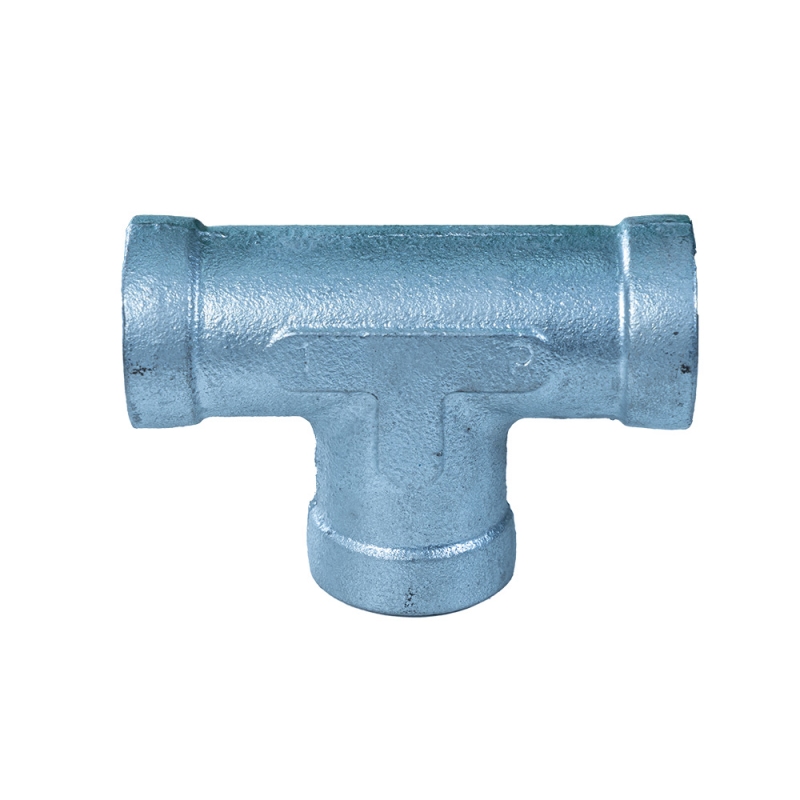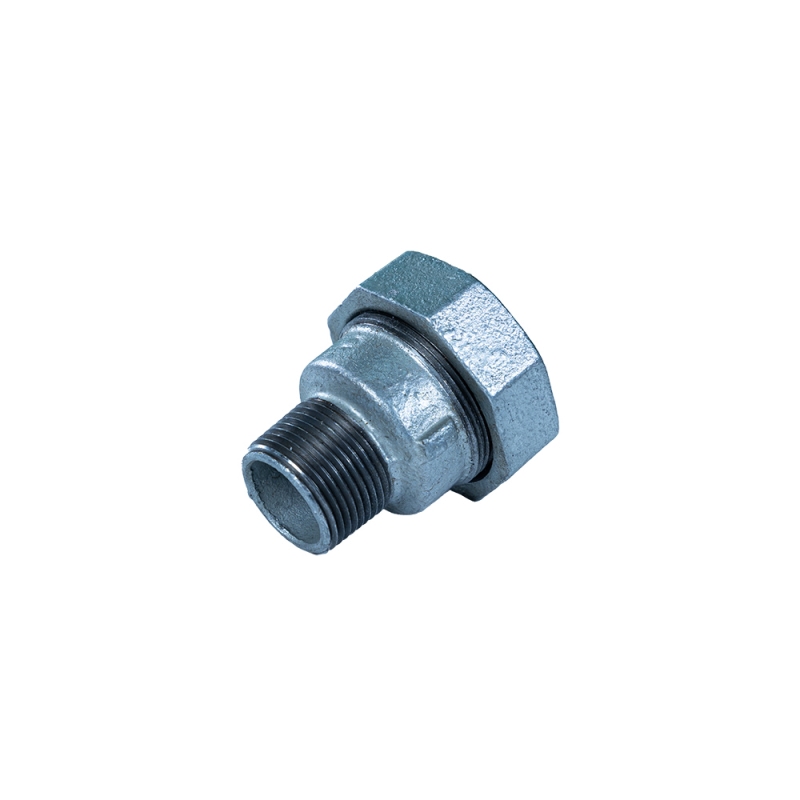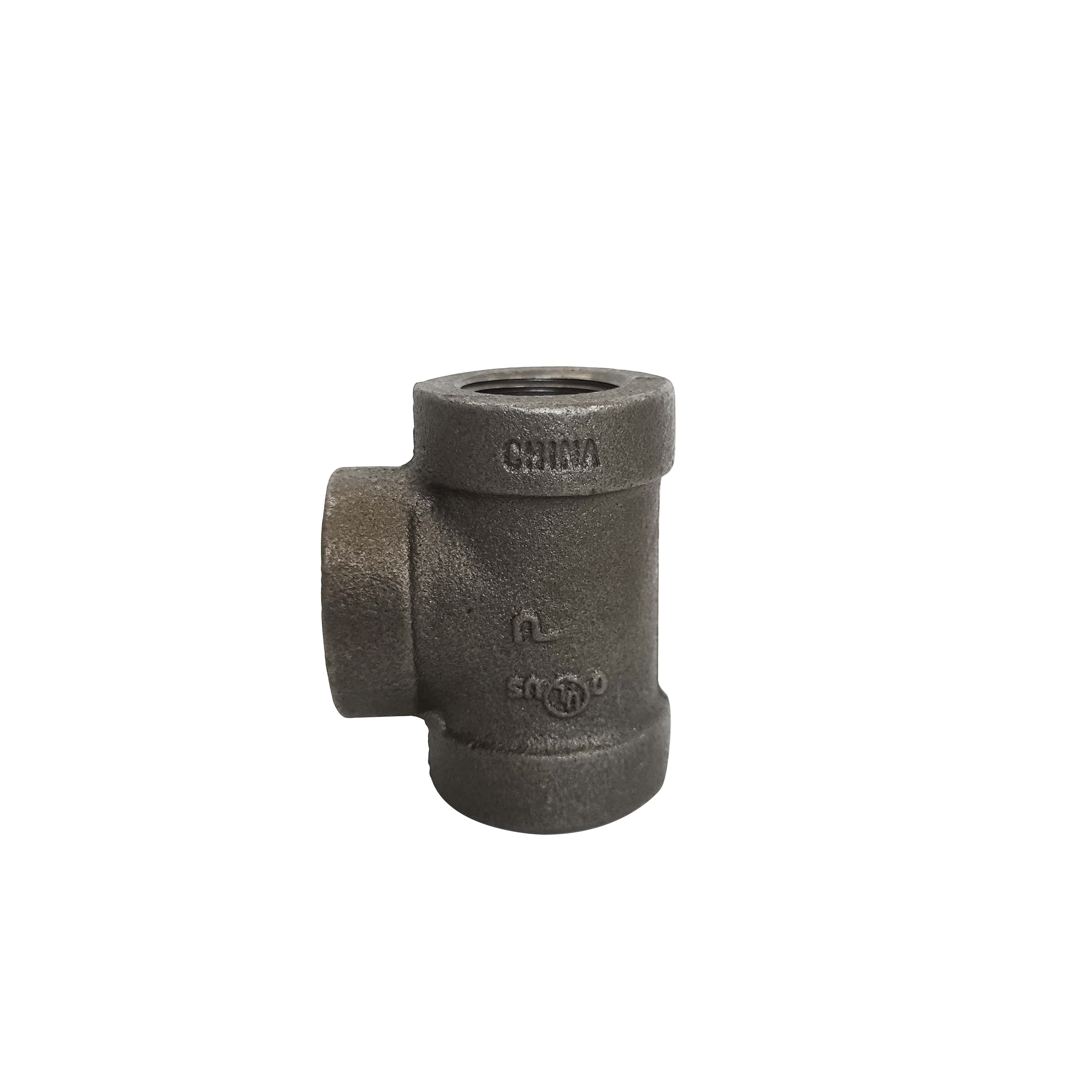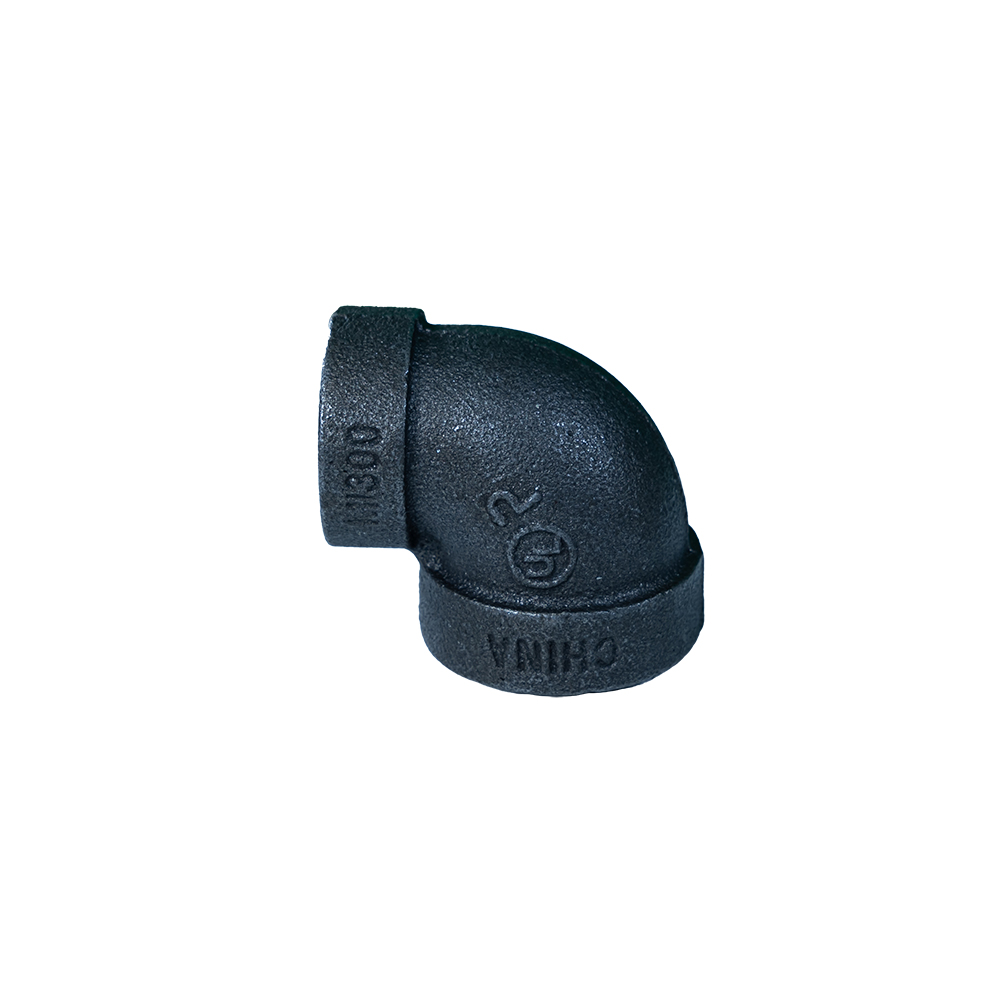

Understanding 3 4 to 5 8 Reducer Coupling: A Comprehensive Guide
In the world of fluid transfer systems, efficient connections are paramount. A 3 4 to 5 8 reducer coupling plays a crucial role in adapting different pipe sizes, ensuring smooth flow and preventing leaks. This article will delve into the intricacies of these couplings, covering their function, applications, materials, and essential considerations for selection and installation. Whether you’re involved in plumbing, irrigation, or industrial processes, understanding these components is key to maintaining a reliable and efficient system. A correctly chosen reducer coupling minimizes pressure loss and maximizes operational efficiency.
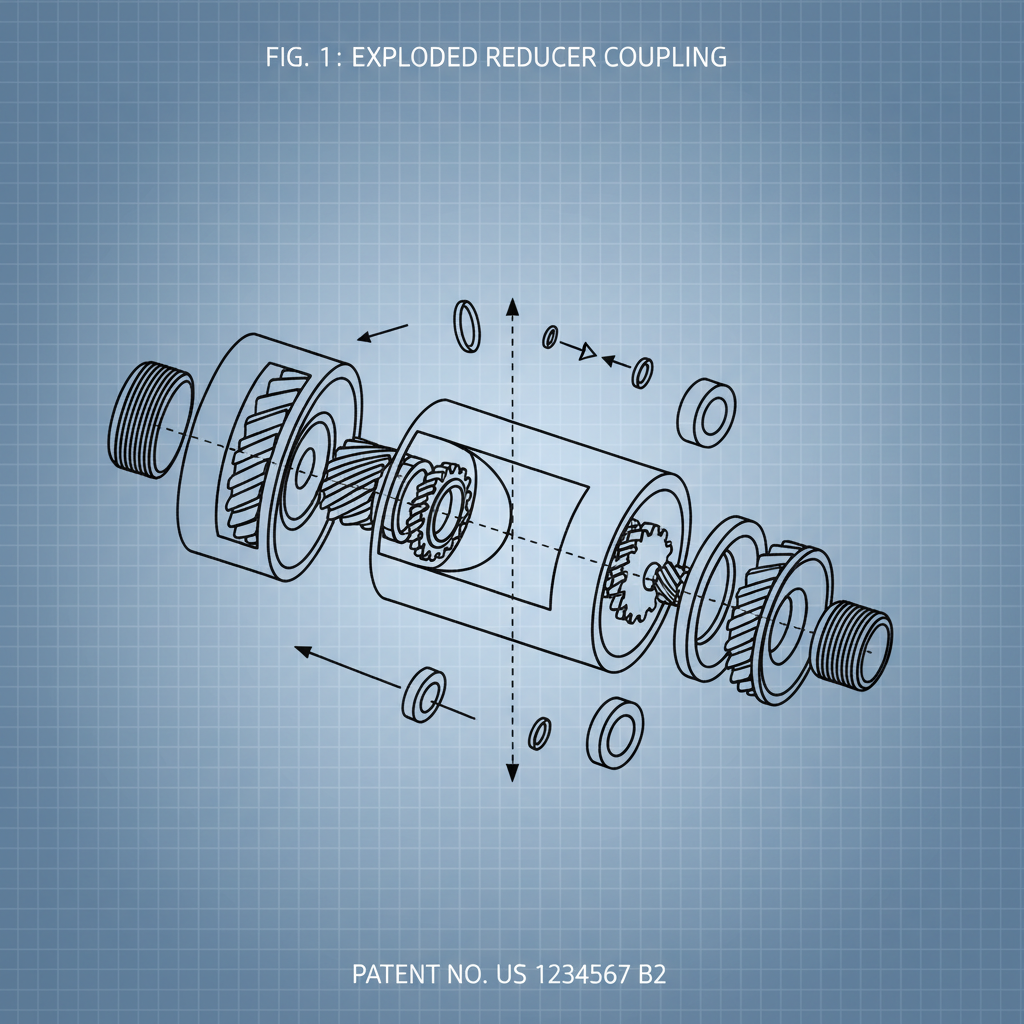
What is a 3 4 to 5 8 Reducer Coupling?
A 3/4 to 5/8 reducer coupling is a fitting used to connect two pipes of different diameters – specifically, a 3/4 inch pipe to a 5/8 inch pipe. These couplings are designed to gradually decrease the pipe size, facilitating a smooth transition and preventing turbulence in the fluid flow. They are commonly used in various applications where a change in pipe diameter is necessary, ensuring compatibility and optimal performance of the entire system. Utilizing a reducer coupling eliminates the need for multiple adapters, simplifying installation and reducing potential leak points.
Key Benefit: A reducer coupling provides a seamless transition between pipe sizes, maintaining fluid flow efficiency and minimizing pressure drop.
Common Applications of 3 4 to 5 8 Reducer Couplings
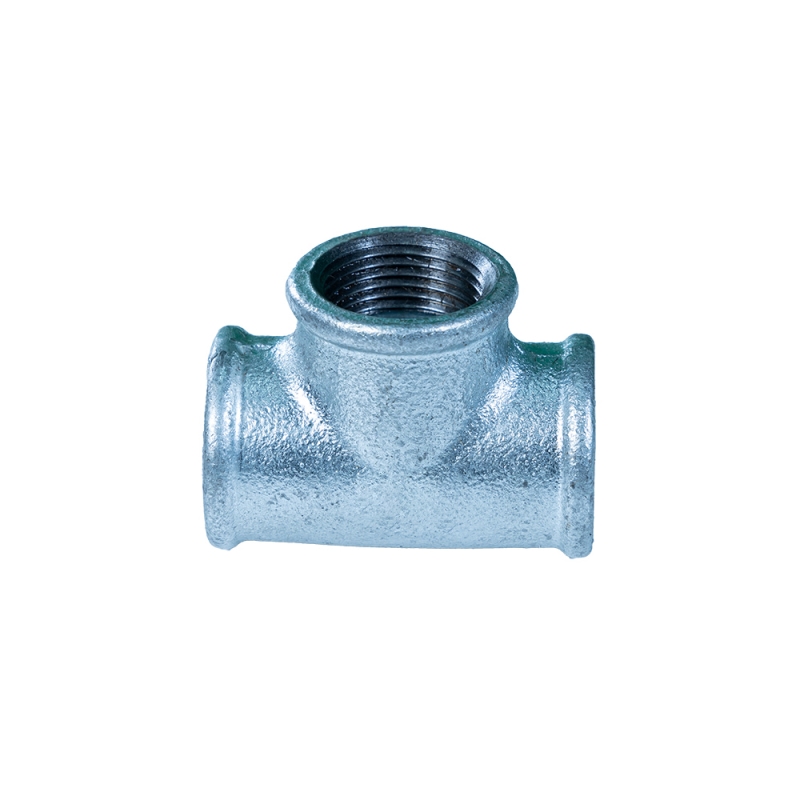
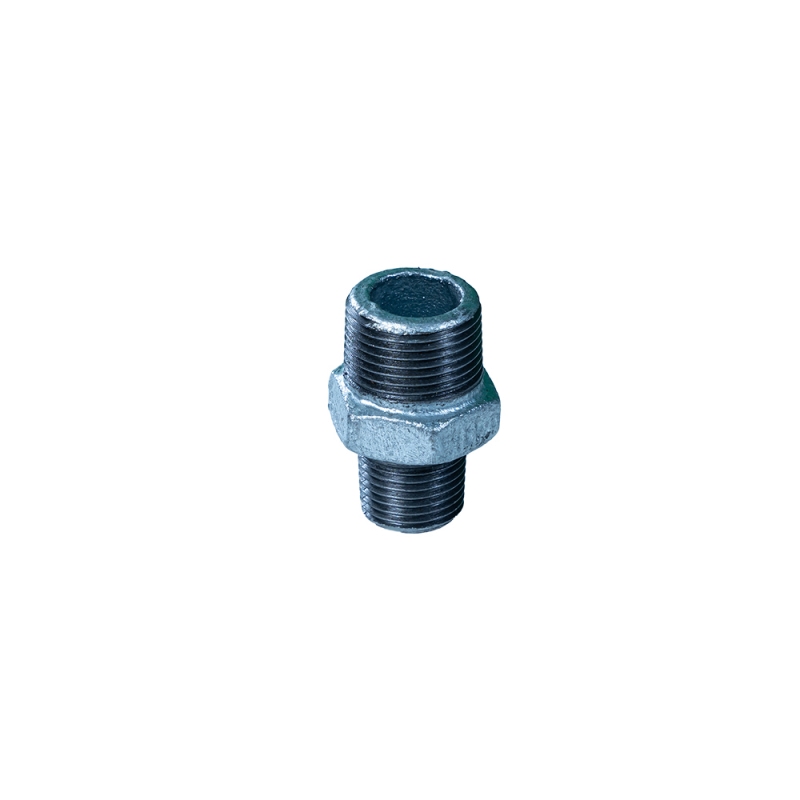
These couplings find use in a wide range of industries and applications. In plumbing, they're crucial for connecting fixtures with varying pipe sizes, such as transitioning from a larger supply line to a smaller faucet connection. Irrigation systems utilize them to regulate water flow to different zones with varying plant needs. Industrial settings employ them in complex piping networks for chemical processing, oil and gas applications, and water treatment facilities. They are also frequently used in HVAC systems for connecting components with differing pipe dimensions. Choosing the right material is important for each application. Pannext Fittings provides a wide range of options.
Typical Applications:
• Plumbing Systems
• Irrigation Networks
• HVAC Systems
• Industrial Piping
Materials Used in 3 4 to 5 8 Reducer Coupling Construction
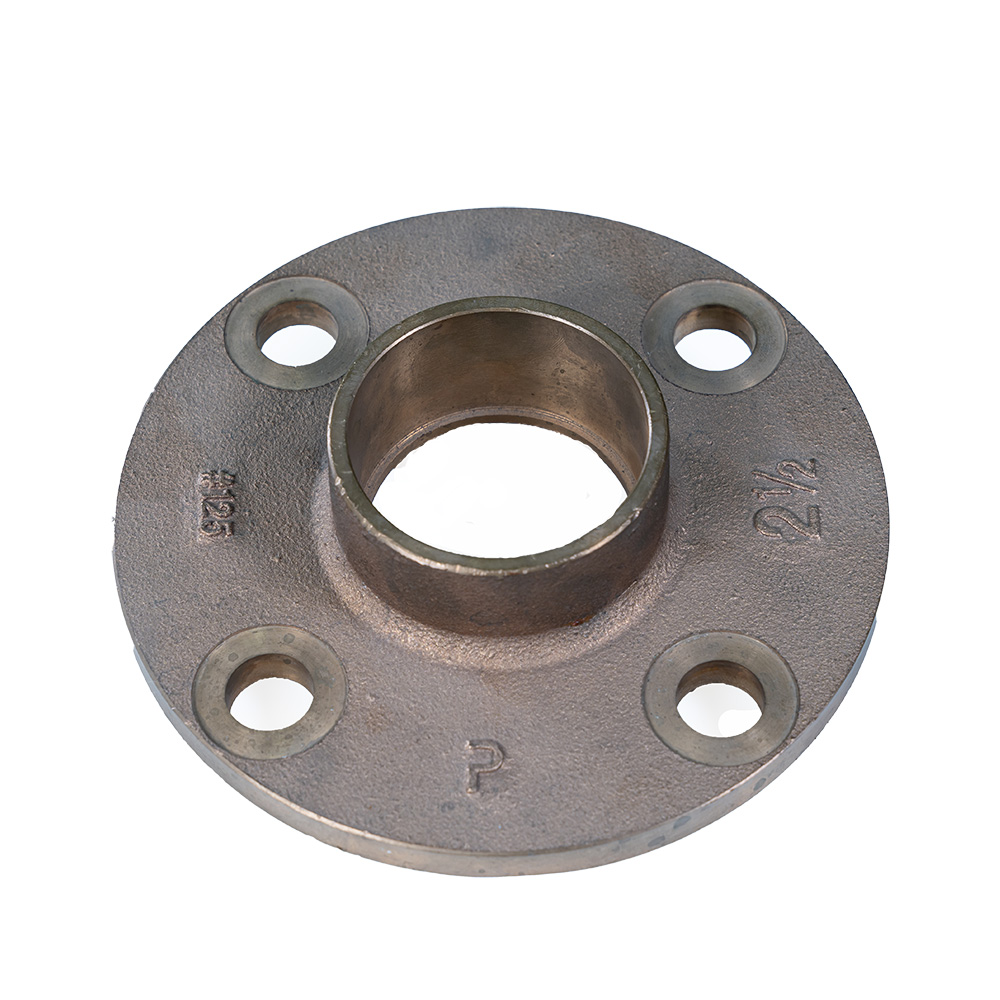
Reducer couplings are available in a variety of materials, each with its own advantages and disadvantages. Brass couplings are known for their corrosion resistance and are often used in potable water systems. PVC couplings are lightweight, affordable, and suitable for non-potable water applications. Stainless steel couplings offer exceptional durability and corrosion resistance, making them ideal for harsh environments and chemical processing. CPVC couplings can handle higher temperatures than PVC and are often used in hot water systems. The choice of material depends on the fluid being conveyed, the operating temperature, and the desired lifespan of the system. Pannext Fittings offers options in several of these materials.
Proper Installation and Considerations
Correct installation is vital to prevent leaks and ensure the longevity of your plumbing system. Always use appropriate plumbing tape or sealant on threaded connections. Ensure the pipes are clean and free of debris before connecting the coupling. Avoid over-tightening, as this can damage the fitting or the connected pipes. When working with PVC or CPVC, use a primer and solvent cement specifically designed for these materials. Regularly inspect the coupling for any signs of wear, corrosion, or leaks. Pannext Fittings provides detailed installation guides for all of its products.
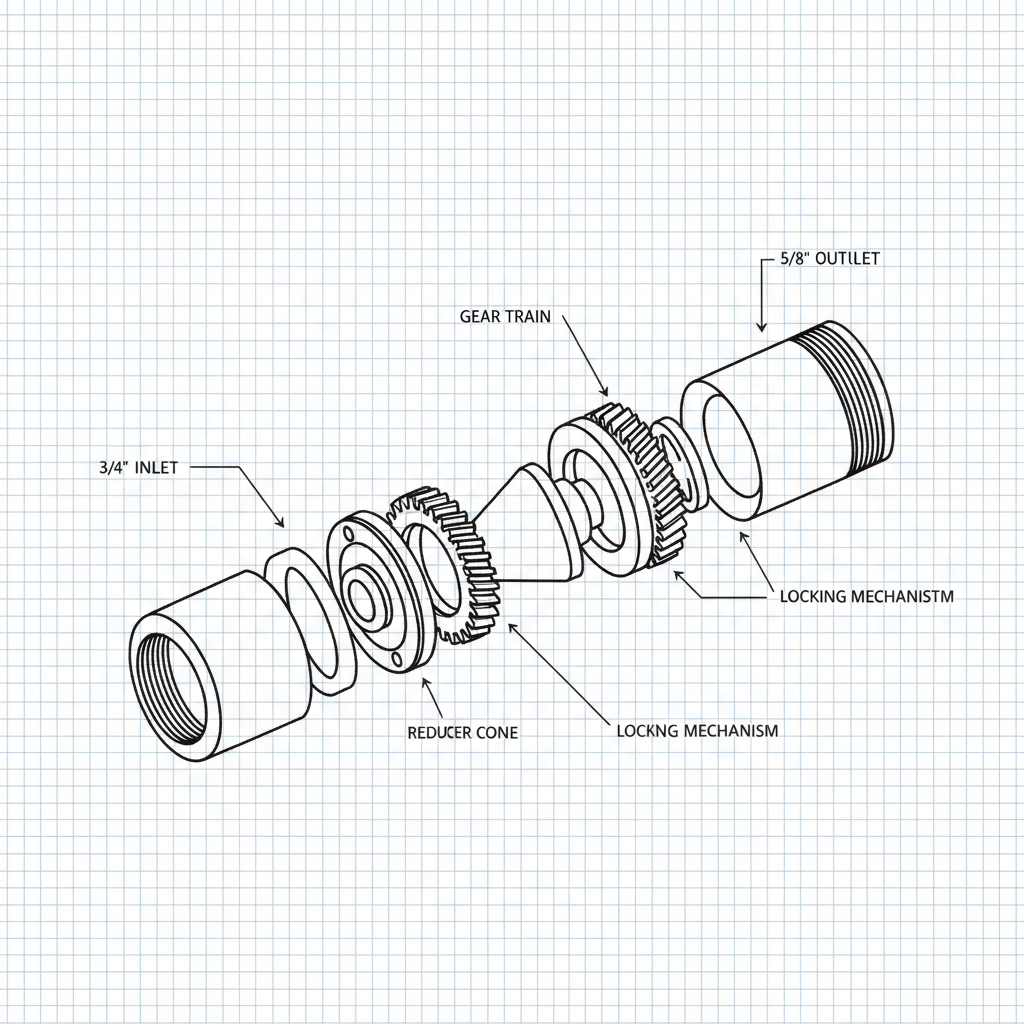
Selecting the Right 3 4 to 5 8 Reducer Coupling
Choosing the right reducer coupling involves considering several factors. The first is the material compatibility with the fluids being transported. Secondly, assess the pressure and temperature requirements of the system. Ensure the coupling is rated to withstand these conditions. Finally, consider the connection type – threaded, solvent weld, or compression – and choose a coupling that matches your piping system. Partnering with a reputable supplier, like Pannext Fittings, ensures you receive high-quality products and expert advice.
Conclusion: Optimizing Fluid Transfer with the Right Coupling
The 3 4 to 5 8 reducer coupling is a vital component in any fluid transfer system. By understanding its applications, materials, and installation requirements, you can ensure a reliable, efficient, and leak-free operation. Invest in quality components from a trusted supplier like Pannext Fittings and safeguard your system’s performance. Don’t underestimate the importance of this small but essential fitting!
Frequently Asked Questions (FAQs)
Can a 3/4 to 5/8 reducer coupling be used for gas lines?
Generally, it is not recommended to use standard PVC or CPVC reducer couplings for gas lines. Gas lines require fittings specifically designed and certified for gas applications, which are typically made of metal like steel or brass. These fittings are designed to withstand the higher pressures and specific requirements of gas systems, and are tested to ensure leak-proof connections. Using the wrong type of coupling can pose a serious safety hazard. Always consult local plumbing codes and a qualified gas fitter for appropriate fittings.
What is the difference between a reducer coupling and a reducer bushing?
While both serve to reduce pipe size, a reducer coupling connects two different-sized pipes end-to-end, while a reducer bushing fits inside a larger fitting to create a smaller opening. A coupling is a standalone fitting, while a bushing is inserted into another fitting. Reducer bushings are often used to connect smaller threaded pipes to larger threaded fittings. The choice between the two depends on the specific application and the type of connection required.
How do I determine the correct size reducer coupling?
The size of the reducer coupling is determined by the diameters of the two pipes you are connecting. A 3/4 to 5/8 reducer coupling, for example, connects a 3/4 inch pipe to a 5/8 inch pipe. Measure the outer diameter of each pipe accurately to ensure a proper fit. It's always best to double-check your measurements before purchasing to avoid compatibility issues. Refer to pipe sizing charts if necessary.
What tools are required for installing a PVC reducer coupling?
For installing a PVC reducer coupling, you will typically need a PVC pipe cutter or saw, PVC primer, PVC solvent cement, a clean rag, and potentially sandpaper to deburr the cut edges of the pipes. It’s also helpful to have a measuring tape and a marker for accurate measurements and markings. Always wear appropriate safety glasses and gloves when working with PVC cement.
Post time: Jan-27-2026