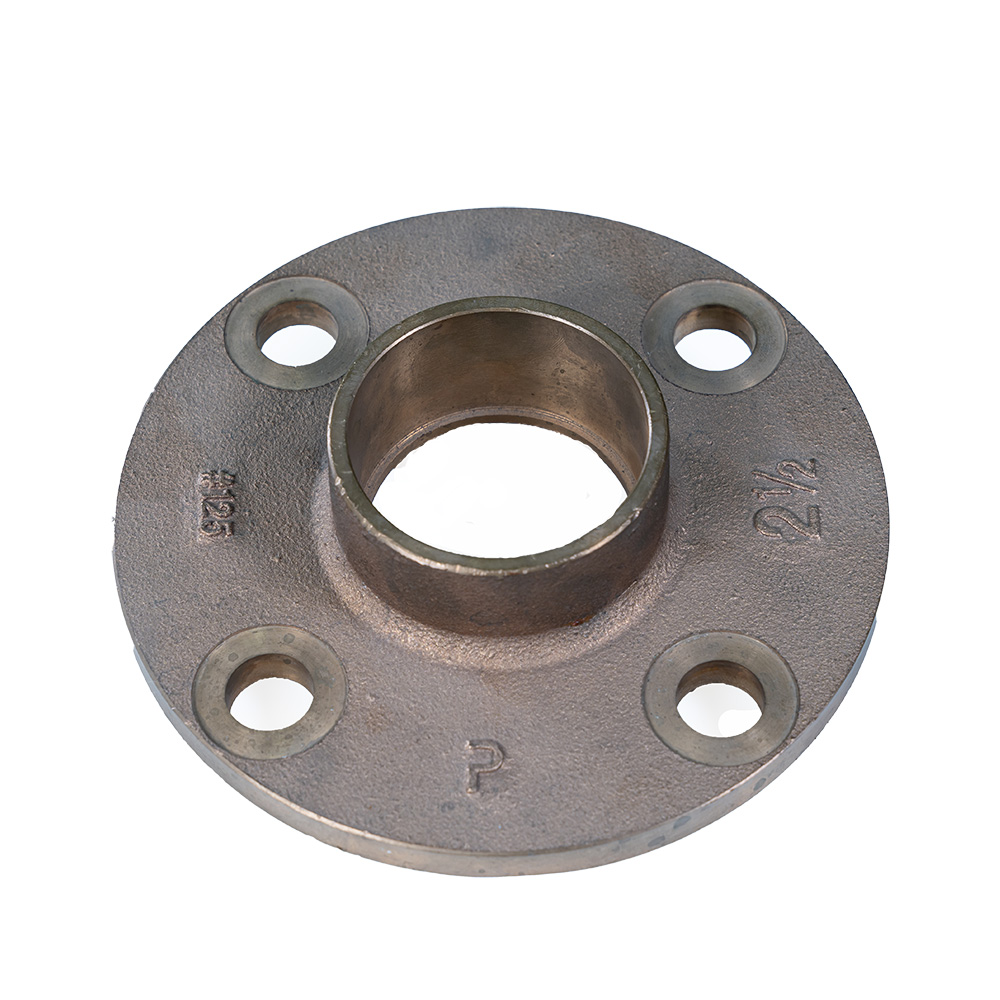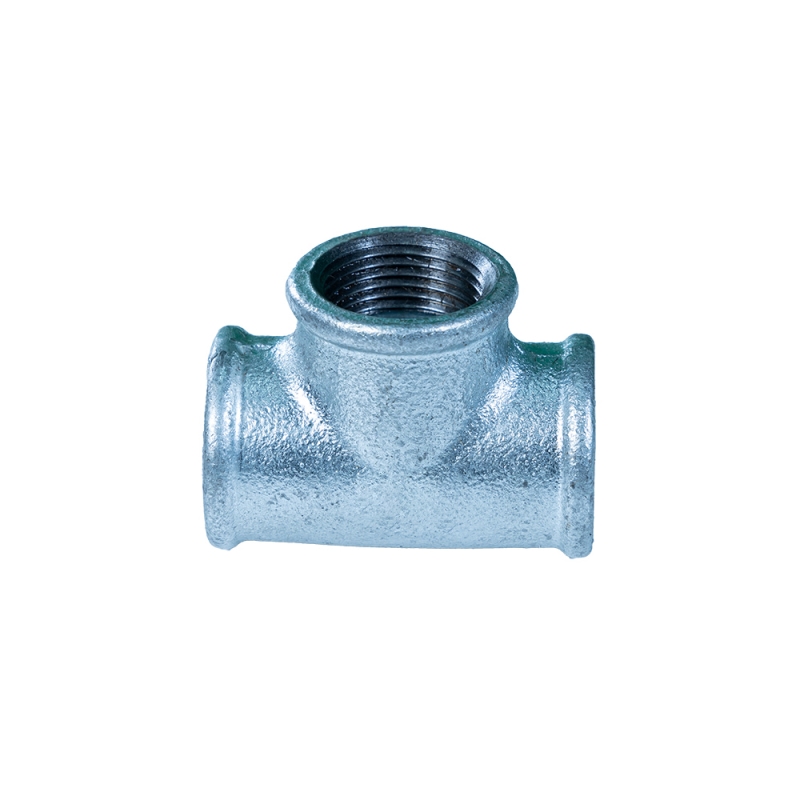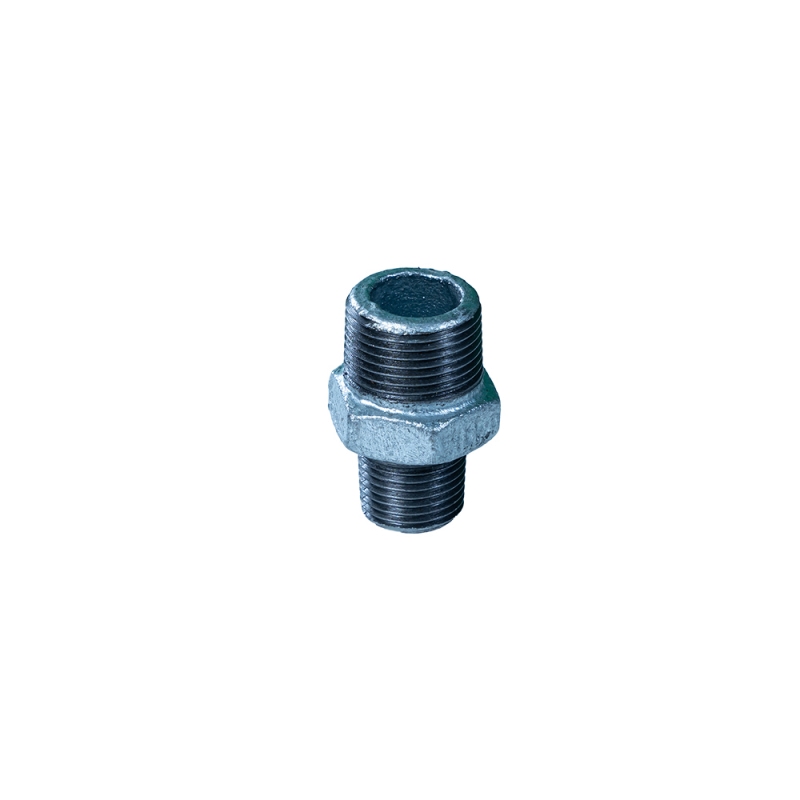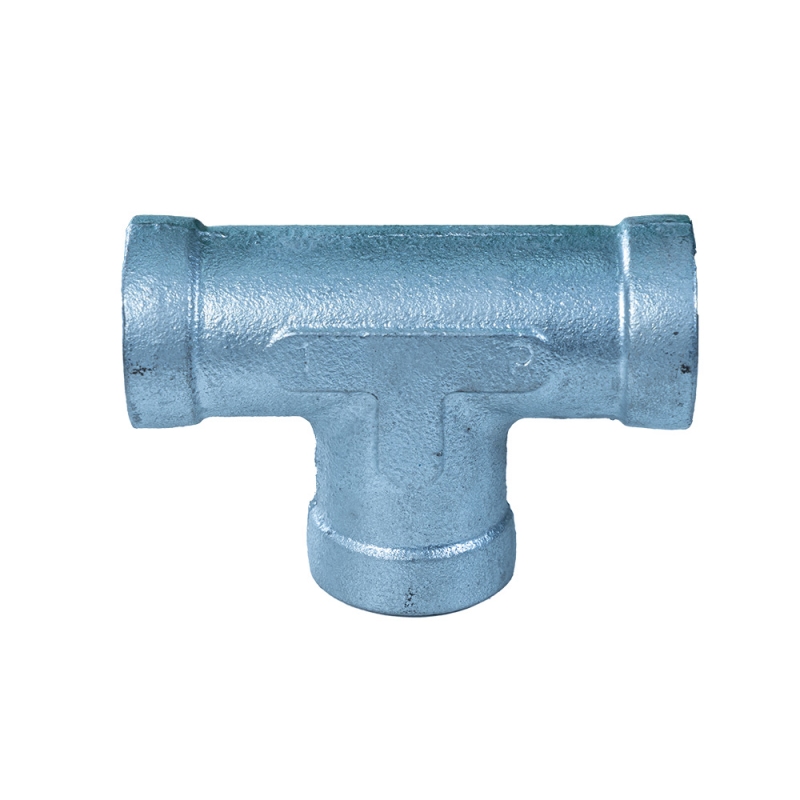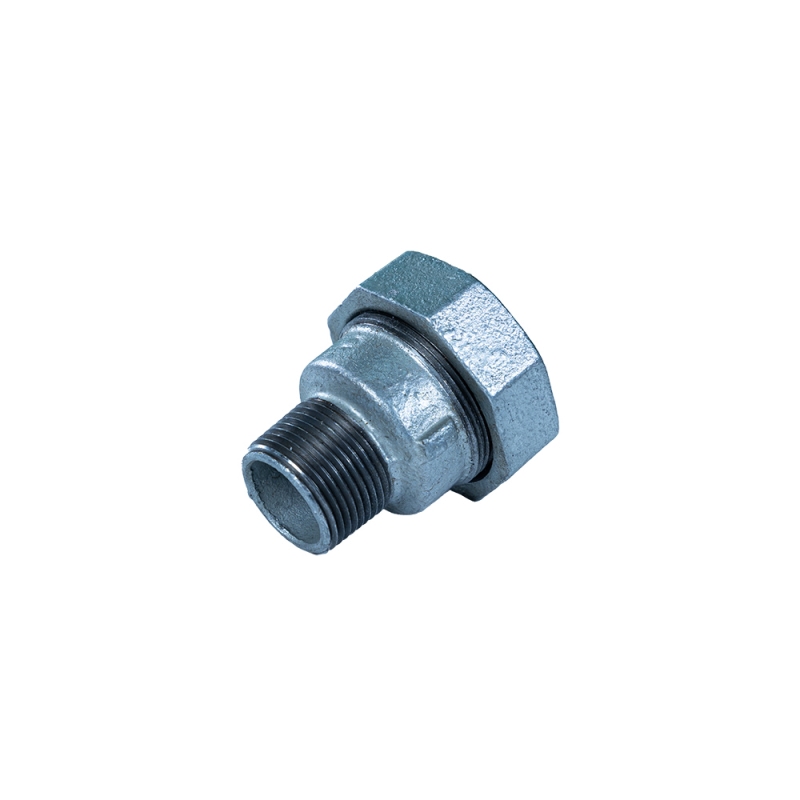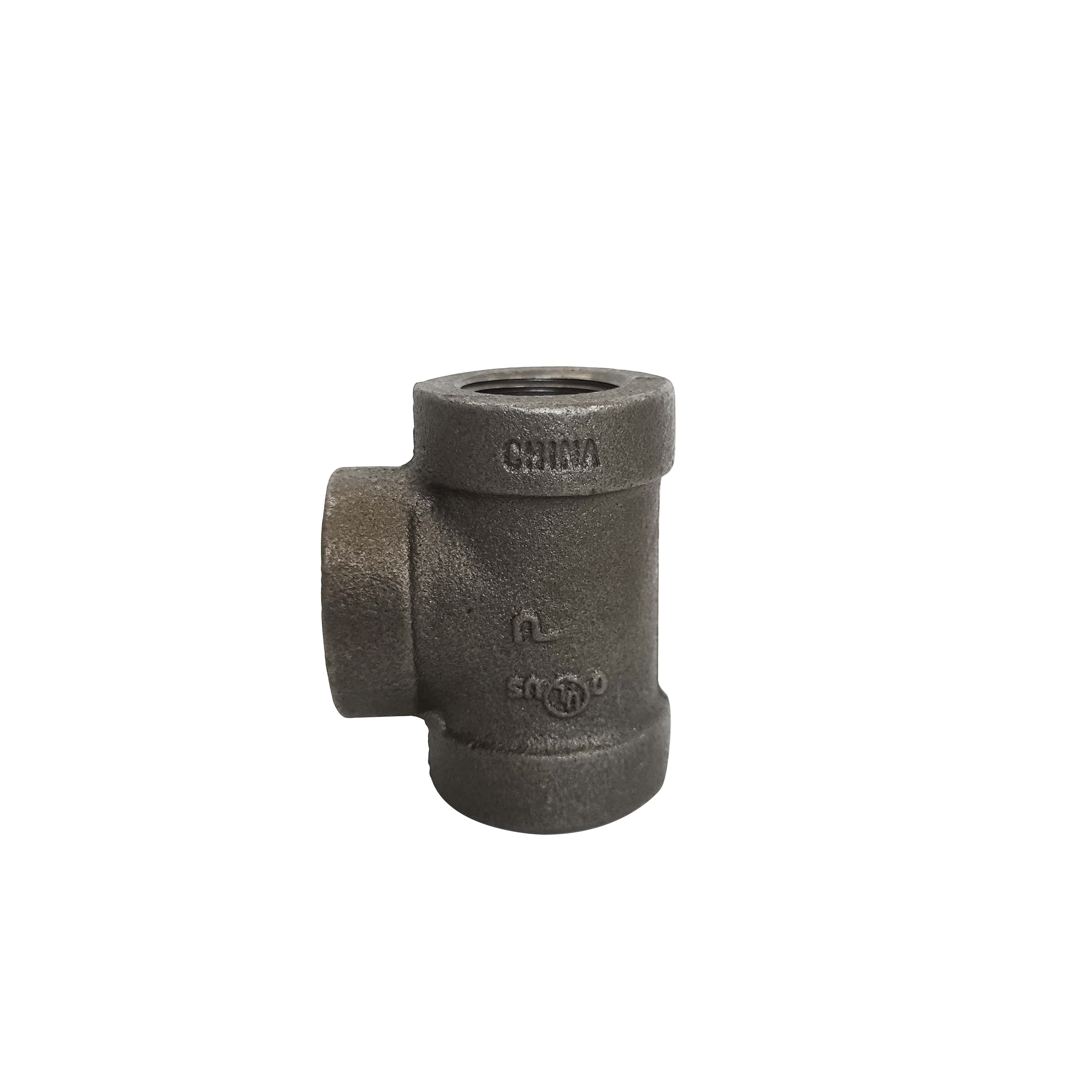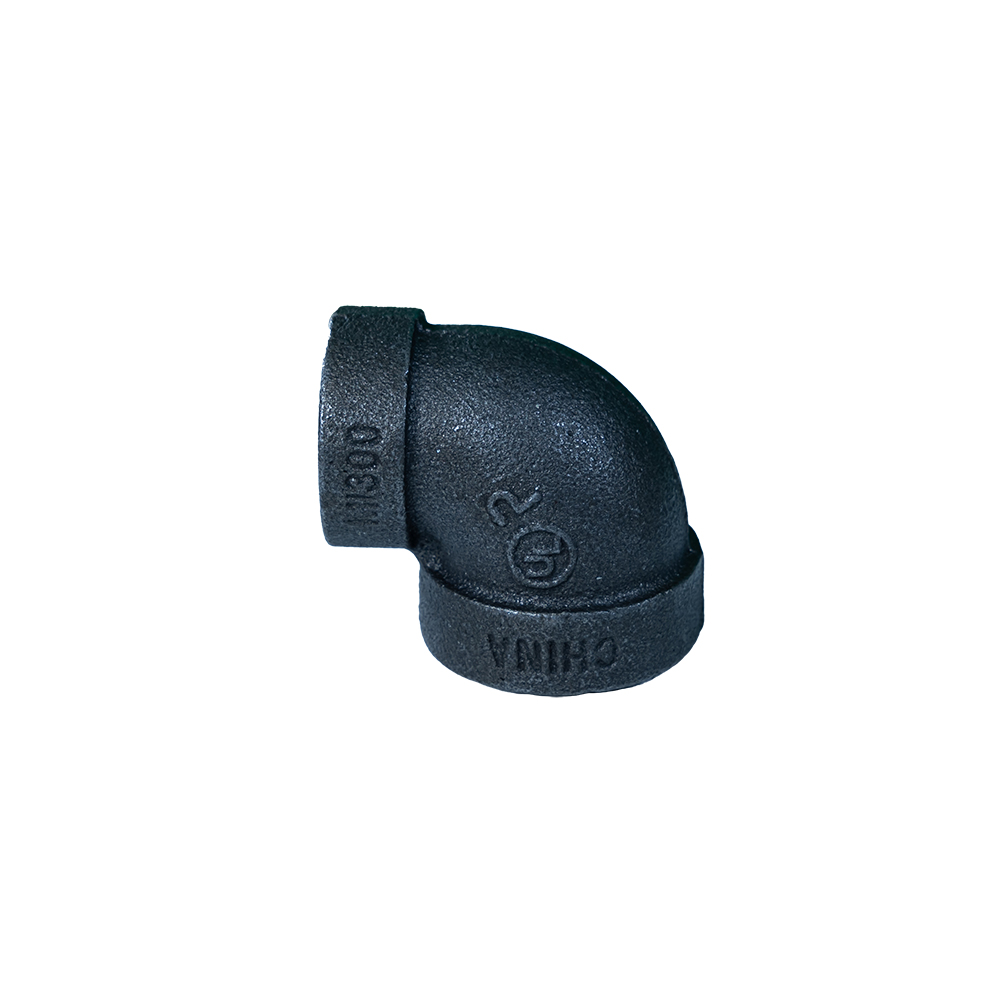

Understanding 3/4 x 1/2 Reducing Coupling for Seamless Pipeline Connections
In the realm of fluid transfer systems, efficient and reliable connections are paramount. A 3/4 x 1/2 reducing coupling plays a vital role in seamlessly joining pipes of differing diameters. This article delves into the function, applications, materials, installation, and benefits of these essential components, guiding you through best practices for optimal performance. Whether you’re involved in irrigation, plumbing, or industrial processes, understanding reducing couplings is crucial for building durable and effective systems. Explore our range of high-quality fittings at Pannext Fittings for solutions tailored to your needs.
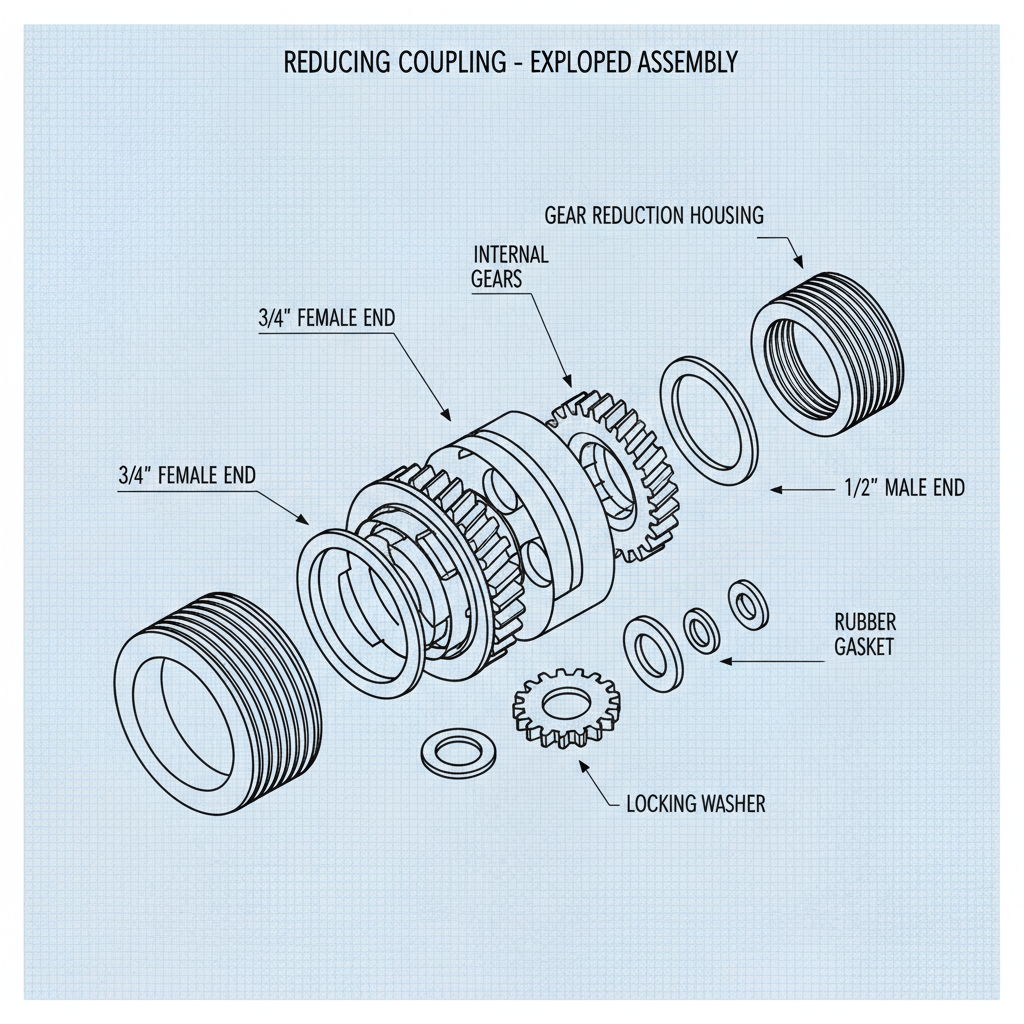
What is a 3/4 x 1/2 Reducing Coupling?
A 3/4 x 1/2 reducing coupling is a pipe fitting designed to connect two pipes with different diameters – specifically, a 3/4 inch pipe to a 1/2 inch pipe. Its primary function is to reduce the pipe size while maintaining a secure and leak-proof connection. These couplings typically feature threads on both ends for easy installation. They come in various materials, each suited for specific applications and environments. Choosing the right coupling ensures compatibility with your piping system and fluid type.
Key Benefit: Facilitates transitions between different pipe sizes, eliminating the need for complex adaptors and ensuring a streamlined fluid flow.
Common Materials Used in Reducing Couplings
Reducing couplings are manufactured from various materials, each offering unique advantages. Common options include:
- Brass: Excellent corrosion resistance, suitable for potable water and gas applications.
- PVC (Polyvinyl Chloride): Lightweight, cost-effective, and resistant to many chemicals. Ideal for irrigation and drainage.
- CPVC (Chlorinated Polyvinyl Chloride): Offers higher temperature resistance compared to PVC, suitable for hot water systems.
- Stainless Steel: Highly durable, corrosion-resistant, and capable of handling high pressure and temperature. Used in industrial applications.
- Galvanized Steel: Provides corrosion protection, often used in plumbing and water systems.
Material Comparison:
• Corrosion Resistance: Stainless Steel > Brass > CPVC > PVC > Galvanized Steel
• Temperature Resistance: CPVC > Stainless Steel > PVC > Brass > Galvanized Steel
• Cost: PVC
Applications of a 3/4 x 1/2 Reducing Coupling
These couplings find widespread use across numerous applications. Here are some common examples:
- Plumbing: Connecting sinks, faucets, and toilets to different-sized pipes.
- Irrigation Systems: Adapting mainline pipes to smaller drip irrigation lines.
- HVAC Systems: Connecting refrigerant lines of varying diameters.
- Industrial Piping: Joining pipes in chemical processing, water treatment, and other industrial processes.
- DIY Projects: A versatile component for home improvement and repair projects involving fluid transfer.
Installation Guide: Ensuring a Leak-Proof Seal
Proper installation is crucial for preventing leaks and ensuring the longevity of your piping system. Here’s a step-by-step guide:
- Preparation: Clean the pipe ends thoroughly and remove any burrs or debris.
- Thread Sealant: Apply a generous amount of PTFE (Teflon) tape or pipe dope to the male threads.
- Hand-Tighten: Screw the coupling onto the pipes by hand, ensuring proper alignment.
- Wrench Tighten: Use a wrench to tighten the coupling, but avoid over-tightening, which can damage the threads.
- Leak Test: After installation, test the system for leaks by running fluid through it.
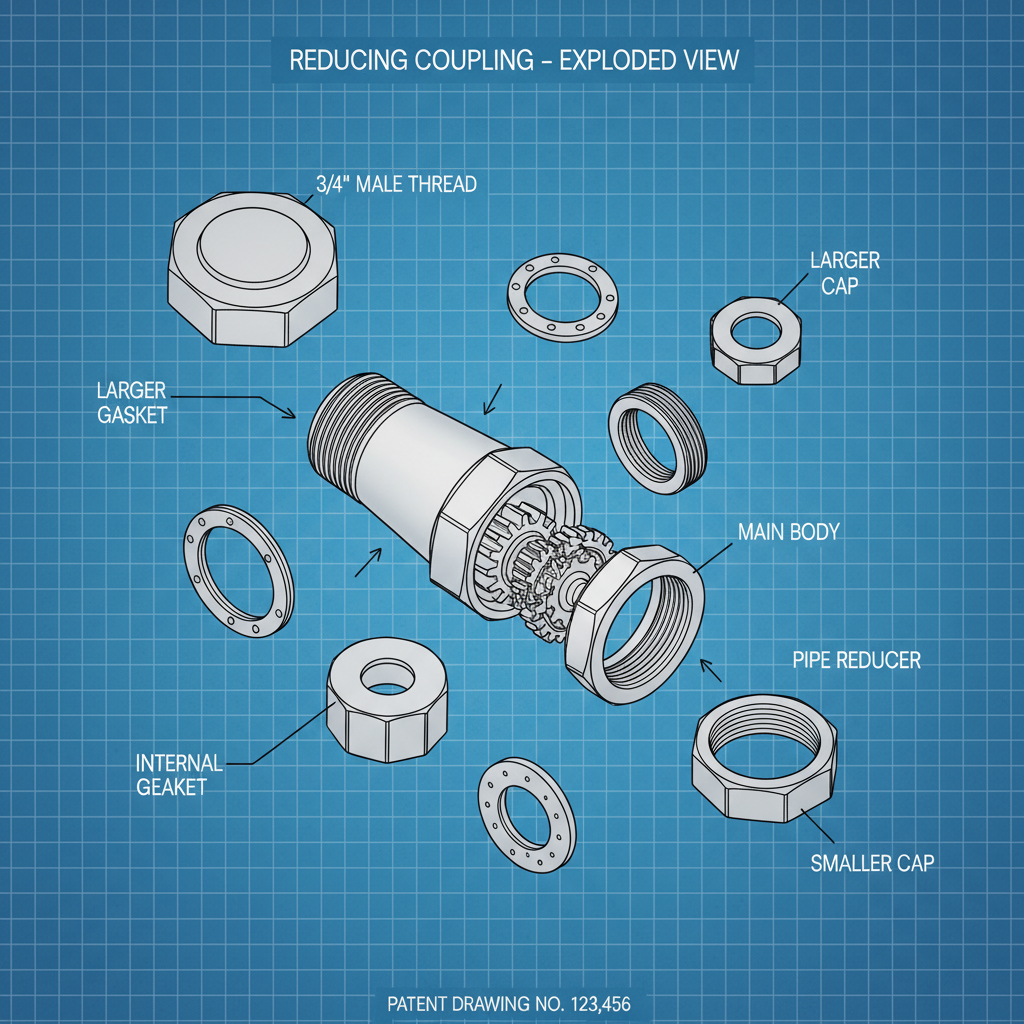
Product Specifications and Considerations
Here's a table outlining common specifications for a 3/4 x 1/2 reducing coupling:
Conclusion: Reliable Connections with Pannext Fittings
A 3/4 x 1/2 reducing coupling is a fundamental component in any fluid transfer system. By selecting the appropriate material, following proper installation procedures, and sourcing high-quality fittings from a trusted supplier like Pannext Fittings, you can ensure a reliable, leak-proof, and long-lasting connection. Invest in quality and experience the difference.
Frequently Asked Questions (FAQs)
Can I use a reducing coupling to connect pipes made of different materials?
While it’s possible, it’s crucial to consider material compatibility. For example, connecting copper directly to galvanized steel can lead to galvanic corrosion. In such cases, a dielectric union should be used to prevent corrosion. Always consult a plumbing professional or refer to compatibility charts to ensure the materials are suitable for direct connection, even with a reducing coupling. Choosing the correct material for the coupling itself is also essential – for instance, using a brass coupling to join PVC pipes might not be ideal due to differing expansion rates.
What is the difference between NPT and BSPT threads?
NPT (National Pipe Tapered) and BSPT (British Standard Pipe Tapered) are different threading standards. NPT is commonly used in North America, while BSPT is prevalent in Europe and other regions. The key difference lies in the taper angle and thread form. NPT threads are 60 degrees, while BSPT threads are 55 degrees. Using the wrong type of thread can result in leaks. It’s vital to ensure that the reducing coupling and pipes have compatible threads for a secure connection.
How do I prevent leaks around a reducing coupling?
Preventing leaks requires careful preparation and installation. First, ensure the pipe ends are clean and free of debris. Second, apply a generous amount of PTFE tape or pipe dope to the male threads, wrapping it in the direction of the threads. Third, tighten the coupling securely with a wrench, but avoid over-tightening. Finally, always perform a leak test after installation. If leaks persist, double-check the threads and sealant, and ensure the coupling is fully seated.
Post time: Jan-28-2026