
Understanding the 45 Degree 40mm Elbow: A Comprehensive Guide
The 45 degree 40mm elbow is a crucial component in various piping systems, offering a smooth change in direction while maintaining flow efficiency. Its precise angle and standard size make it incredibly versatile across industries. This article will delve into the applications, materials, benefits, and selection criteria of this essential fitting, providing insights for professionals and anyone working with fluid transfer systems. Choosing the right elbow can significantly impact system performance and longevity.
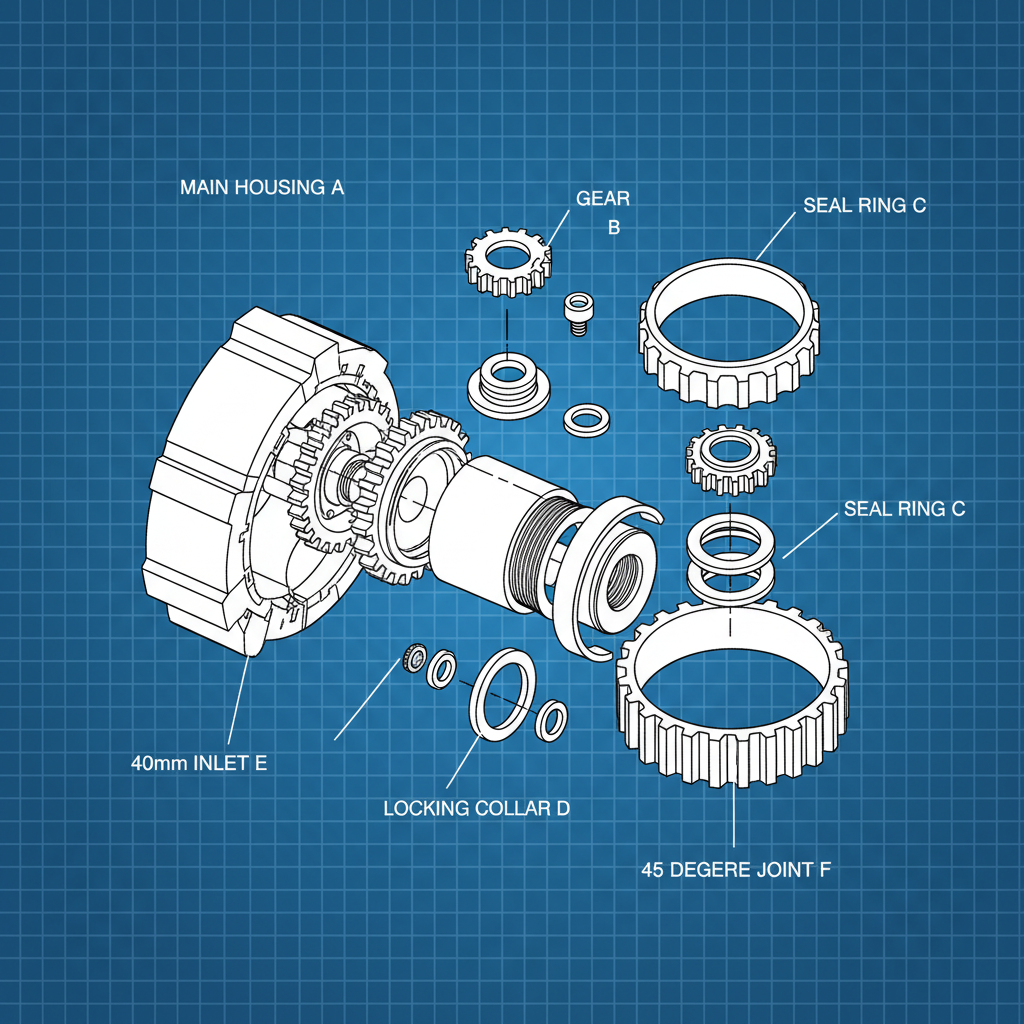
What is a 45 Degree 40mm Elbow?
A 45 degree 40mm elbow is a pipe fitting installed in plumbing or piping systems to change the direction of flow by 45 degrees. The '40mm' refers to the nominal pipe diameter, indicating the size of the pipe it’s designed to connect to. This elbow features a smooth, angled bend, minimizing turbulence and pressure drop in the fluid flow. It's commonly used in applications where a gradual directional change is needed, unlike a 90-degree elbow, which provides a sharper turn. A well-chosen 45 degree elbow ensures optimal system performance and reduces the risk of leaks or failures.
Key Highlights: Provides a 45-degree directional change, minimizes flow turbulence, and connects to 40mm nominal pipe diameter. Contributes to efficient fluid transfer and system reliability.
Common Materials Used in 45 Degree 40mm Elbows
45 degree 40mm elbows are manufactured from a variety of materials, each suited to different applications and fluid types. Common materials include:
- PVC (Polyvinyl Chloride): Lightweight, corrosion-resistant, and suitable for non-pressurized systems like drainage and irrigation.
- CPVC (Chlorinated Polyvinyl Chloride): Offers higher temperature resistance compared to PVC, ideal for hot water systems.
- Stainless Steel: Exceptional corrosion resistance, durability, and strength, making it suitable for harsh environments and high-pressure applications.
- Carbon Steel: Strong and cost-effective, often used with protective coatings to prevent corrosion.
- Brass: Corrosion-resistant and often used in potable water systems.
The choice of material depends on the fluid being conveyed, operating pressure, temperature, and the environment in which the elbow will be installed. Pannext Fittings offers a wide selection of materials to meet diverse application needs.
Applications of the 45 Degree 40mm Elbow
The 45 degree 40mm elbow finds extensive use in a multitude of industries and applications, including:
- Plumbing: Connecting pipes in residential and commercial buildings for water supply and drainage.
- Irrigation: Directing water flow in sprinkler systems and agricultural irrigation lines.
- HVAC (Heating, Ventilation, and Air Conditioning): Used in ductwork and refrigerant lines for efficient airflow and cooling.
- Industrial Piping: Handling fluids in chemical processing plants, manufacturing facilities, and power generation stations.
- Automotive: Used in coolant and fuel lines within vehicles.
Its versatility makes it a fundamental component in many fluid handling systems.
Comparing 45 Degree Elbows: Materials and Pressure Ratings
Choosing the appropriate material for a 45 degree 40mm elbow requires considering the operating pressure and the type of fluid being handled. Here’s a comparison of common materials and their typical pressure ratings:
Selecting the Right 45 Degree 40mm Elbow: Key Considerations
When selecting a 45 degree 40mm elbow, consider the following factors:
- Fluid Compatibility: Ensure the material is compatible with the fluid being conveyed to prevent corrosion or contamination.
- Pressure and Temperature: Choose a material with a pressure and temperature rating that exceeds the system’s operating conditions.
- Connection Type: Select an elbow with the appropriate connection type (e.g., threaded, socket weld, butt weld) to match the existing piping system.
- Standards Compliance: Verify that the elbow meets relevant industry standards and regulations.
- Cost: Balance performance requirements with budget constraints.
Pannext Fittings provides detailed product specifications and expert guidance to help you select the ideal elbow for your application.
Conclusion: The Importance of a Quality 45 Degree 40mm Elbow
The 45 degree 40mm elbow is a small but vital component of any fluid transfer system. Choosing a high-quality elbow from a reputable supplier like Pannext Fittings ensures reliable performance, longevity, and safety. By carefully considering the application requirements and material properties, you can optimize your system's efficiency and prevent costly downtime. Don’t underestimate the impact of this seemingly simple fitting!
Frequently Asked Questions (FAQs)
What is the difference between a 45-degree and a 90-degree elbow?
A 45-degree elbow provides a gradual change in direction, resulting in lower flow resistance and reduced turbulence compared to a 90-degree elbow, which creates a sharper turn. This means a 45-degree elbow is better suited for applications where minimizing pressure drop is crucial. A 90-degree elbow is often used when a more abrupt directional change is required and space is limited. The choice between the two depends on the specific system design and performance goals.
Can I use solvent cement to connect a PVC 45-degree elbow?
Yes, solvent cement (also known as PVC glue) is specifically designed for joining PVC pipes and fittings, including 45-degree elbows. However, it’s crucial to use the correct type of solvent cement for PVC and follow the manufacturer's instructions carefully. Proper preparation of the surfaces, including cleaning and priming, is essential for a strong and leak-proof joint. Always work in a well-ventilated area when using solvent cement.
What are the benefits of using stainless steel elbows?
Stainless steel elbows offer superior corrosion resistance, making them ideal for applications involving harsh chemicals, saltwater, or extreme temperatures. They are also incredibly durable and have a long service life, reducing the need for frequent replacements. While more expensive than other materials, stainless steel elbows provide long-term cost savings and reliability in demanding environments. They are commonly used in chemical processing, marine applications, and food processing industries.
How do I determine the correct size elbow for my piping system?
The elbow size must match the nominal pipe diameter of the connecting pipes. The '40mm' in a 45-degree 40mm elbow indicates that it's designed for 40mm pipes. Always double-check the pipe diameter before selecting an elbow to ensure a proper fit. Using an incorrect size elbow can lead to leaks, reduced flow, and potential system failure.
Post time: Jan-27-2026