
Understanding What Is a Galvanized Nipple and Why It Matters Worldwide
If you’ve ever tinkered with plumbing or industrial piping, you may have encountered the term galvanized nipple. But what is a galvanized nipple, exactly? Why should anyone outside construction or manufacturing care about it? Well, this small but mighty component plays a crucial role in extending the life and safety of metal piping systems globally. Its corrosion-resistant properties not only reduce maintenance costs but also help sustain vital infrastructure in water delivery, oil and gas, and even humanitarian projects around the world.
In an era where sustainability and durability are paramount, knowing what a galvanized nipple is and how it functions can shed light on how industries keep their networks running smoothly. And oddly enough, this simple metal fitting surfaces everywhere, quietly protecting millions of dollars' worth of piping every day.
The Global Context and Importance of Galvanized Nipples
From the bustling urban water systems of New York to remote rural irrigation in Sub-Saharan Africa, galvanized nipples form a backbone for numerous industries. According to the International Organization for Standardization (ISO), corrosion costs global economies over $2.5 trillion annually—that’s roughly 3% of the world’s GDP. Smart infrastructure design, which includes components like galvanized nipples, is a vital defense against this drain.
Besides money, think about the environmental implications. The World Bank reports that faulty or corroded pipes can lead to 20-30% water loss in urban systems alone. Galvanized (or zinc-coated) steel fittings reduce rust and leakage, making systems more reliable and less wasteful.
However, the challenge lies in balancing upfront costs with long-term performance — an arena where knowing what a galvanized nipple is becomes pretty handy.
Defining the Galvanized Nipple: Simple Yet Essential
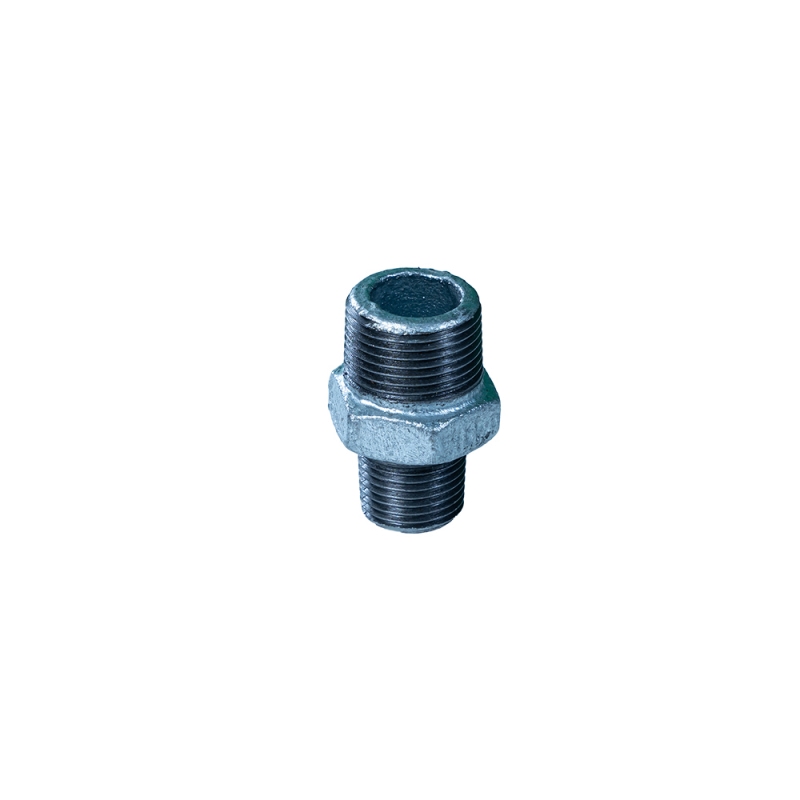
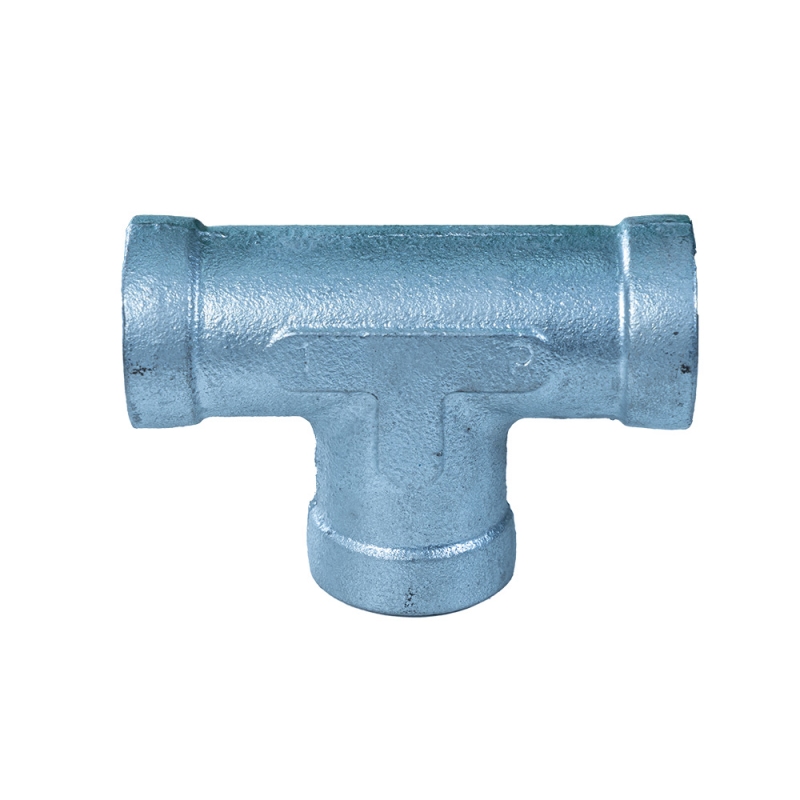
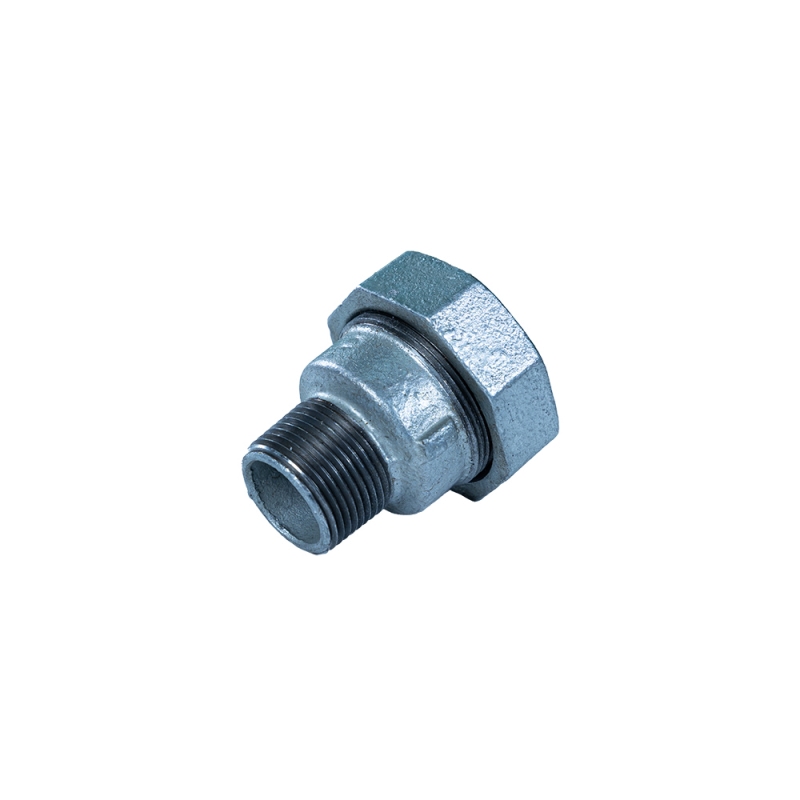
So, what is a galvanized nipple? In straightforward terms, it’s a short length of threaded steel pipe coated with zinc (the galvanizing process) to prevent rust and corrosion. It connects two pieces of pipe or other fittings securely, serving as a kind of "bridge" in piping systems. Their relatively small size belies their importance — these nipples maintain system integrity in harsh environments like underground waterlines or oily pipelines.
Their role is particularly critical where metal piping meets the outside world: soil moisture, chemical exposure, temperature swings—you name it, galvanized nipples can resist it much better than bare steel.
Interestingly, galvanized nipples are also used in industries beyond just plumbing: from manufacturing plants handling industrial gases to humanitarian water projects providing clean drinking water in disaster zones.
Key Features That Set Galvanized Nipples Apart
1. Durability
Zinc’s protective coating acts as a shield against oxidation, significantly extending the fitting’s lifespan. Many engineers note that galvanized nipples can last anywhere from 20 to 50 years depending on conditions — which is pretty remarkable for parts exposed to constant moisture.
2. Cost Efficiency
While stainless steel can sometimes boast longer life, galvanized nipples strike a great balance between price and performance. Their upfront affordability means projects stay within budget while also benefitting from longer maintenance intervals.
3. Corrosion Resistance
The zinc layer works sacrificially—meaning it corrodes first, protecting the steel beneath from rusting. This galvanic protection keeps pipes leak-free and sound. In salty coastal regions or inside chemical plants, this makes all the difference.
4. Compatibility & Scalability
Thanks to standardized threading and sizes (commonly NPT or BSP), galvanized nipples integrate seamlessly with other components. This modularity simplifies system upgrades or repairs.
5. Environmental Impact
Zinc is abundant and recyclable, making the galvanizing process relatively eco-friendly compared to alternatives. Long-lasting galvanized nipples reduce the need for replacements, which translates into less waste.
6. Versatility
Suitable for water, gas, and even some chemical applications, galvanized nipples serve a surprisingly wide range of industries — a versatility that keeps them in high demand.
Real-World Applications: Where Galvanized Nipples Shine
When you spot galvanized nipples in action, they’re often under the radar but critical to infrastructure resilience. Here are a few stories from the field:
- Urban Water Systems: In cities like Mumbai and São Paulo, fleets of galvanized nipples connect thousands of pipes that supply potable water daily to millions.
- Post-Disaster Relief: After hurricanes or earthquakes, NGOs rely on galvanized nipples to quickly assemble clean water distribution networks that can resist corrosion in humid environments.
- Oil and Gas: Refineries and pipelines in the Middle East and Texas use these fittings to handle high-pressure fluids while minimizing rust-related downtime.
- Agriculture: Farmland irrigation setups in Australia often employ galvanized nipples for their durability and easy repairability in remote fields.
The Advantages and Lasting Value of Choosing Galvanized Nipples
Choosing galvanized nipples isn’t just an engineering call — it taps into broader business and social values:
- Cost Savings: Lower repair and replacement expenses over pipelines’ lifetimes.
- Sustainability: Less waste, recyclable materials, and resilient infrastructure help minimize ecological footprints.
- Safety: Preventing leaks avoids contamination and hazardous failures.
- Trust & Reliability: Customers, regulators, and end-users can count on pipe systems that function longer without surprise downtime.
- Innovation: Their widespread use drives continuous improvements in galvanizing technology and fittings design.
Many engineers say that investing in galvanized nipples is also investing in peace of mind — an intangible yet vital return on technical choices.
Future Trends and Innovations Shaping Galvanized Nipple Use
While galvanized nipples seem like an old-school product, innovation is buzzing quietly behind the scenes:
- Eco-Friendly Coatings: Research into advanced zinc alloys and non-toxic paints promises even better corrosion defense with a smaller environmental impact.
- Digital Quality Testing: Automated scanners and AI-driven inspection now help vendors ensure tighter manufacturing tolerances and defect-free surfaces.
- Green Energy Integration: Piping systems for biofuels and hydrogen infrastructure increasingly rely on galvanized nipples optimized for those specific chemical exposures.
- 3D Printing: Experimental projects show potential for additive manufacturing in custom-fitted galvanized nipples, reducing production waste and speeding delivery.
These trends hint that even humble parts like galvanized nipples will evolve as sustainability and tech adoption accelerate.
Common Challenges and How the Industry Is Tackling Them
Of course, no product is perfect. Some issues with galvanized nipples include:
- Thread Galling: Sometimes threads get damaged during installation — a problem partly mitigated by better material treatments and careful fitting techniques.
- Thickness Limits: Galvanized coating wears off under extreme abrasion; thus, protective accessories or double coatings may be required.
- Environmental Restrictions: In highly acidic or alkaline conditions, galvanized nipples are less ideal — pushing manufacturers to innovate hybrid options.
Industry experts also emphasize ongoing worker training in handling galvanized components to reduce installation errors — a very human factor that technology alone can’t fix.
Frequently Asked Questions About What Is a Galvanized Nipple
- What materials are used to make galvanized nipples?
- Galvanized nipples are primarily made from steel pipe that is hot-dip galvanized, which means they are coated with a layer of zinc for corrosion resistance. The zinc acts as a sacrificial anode, protecting the steel beneath from rust. Some nipples may also be cold galvanized using zinc-rich paints, but hot-dip is more common for durability.
- Where can galvanized nipples be used safely?
- They are designed for use in water supply lines, gas distribution, irrigation systems, and low-pressure industrial piping. They're excellent in environments where moisture and corrosion are concerns but less ideal for highly acidic or alkaline fluids. Always check chemical compatibility before installation.
- How long does a galvanized nipple typically last?
- In normal conditions, galvanized nipples can last between 20 and 50 years, depending on environmental factors like humidity, temperature, and exposure to chemicals. Proper installation and maintenance can extend this lifespan significantly.
- Can galvanized nipples be threaded with different standards?
- Yes, they come with standardized threading such as NPT (National Pipe Thread) or BSP (British Standard Pipe), which ensures compatibility with various international piping systems. Choosing the right thread type is crucial for leak-free connections.
- Are there eco-friendly alternatives to galvanized nipples?
- There are alternatives like stainless steel or plastic fittings that do not require galvanizing. However, galvanized nipples provide an affordable, recyclable option with good performance balance. Future innovations, such as advanced zinc coatings and hybrid materials, aim to improve environmental impact further.
Product Specification Table
| Specification | Details |
|---|---|
| Material | Hot-dip galvanized steel |
| Thread Type | NPT (National Pipe Thread) or BSP |
| Length Range | 1 inch to 12 inches (commonly) |
| Nominal Size | 1/8" to 6" diameter |
| Coating Thickness | Average 45-85 microns zinc layer |
| Temperature Range | -40°C to 120°C (~ -40°F to 248°F) |
Vendor Comparison: Top Galvanized Nipple Suppliers
| Vendor | Material Quality | Price Range | Lead Time | Special Features |
|---|---|---|---|---|
| PanNext Fittings | High-grade galvanized steel, ISO-certified | Competitive, bulk discounts | 2–3 weeks | Custom threading and lengths |
| GlobalPipe Inc. | Standard galvanized steel | Mid-range pricing | 1–2 weeks | Wide size availability |
| SteelMate Supply | Variable quality, regional suppliers | Low to mid pricing | 3–4 weeks | Limited custom options |
Summing It Up: Why Understanding What Is a Galvanized Nipple Matters
Ultimately, galvanized nipples may seem like minor components, but their global role is anything but trivial. Their resilience and economical value support the pipes that carry life’s essentials — water, gas, fuel — all over the planet. As infrastructure pressures rise alongside sustainability demands, knowing what a galvanized nipple is and choosing quality fittings wisely can make all the difference between long service and costly failures.
For more detailed specs or to explore custom fitter solutions, visit PanNext Fittings. Whether you're an engineer, procurement specialist, or just piping-curious, it’s worth knowing these connectors inside and out.
References
Post time: Nov-29-2025