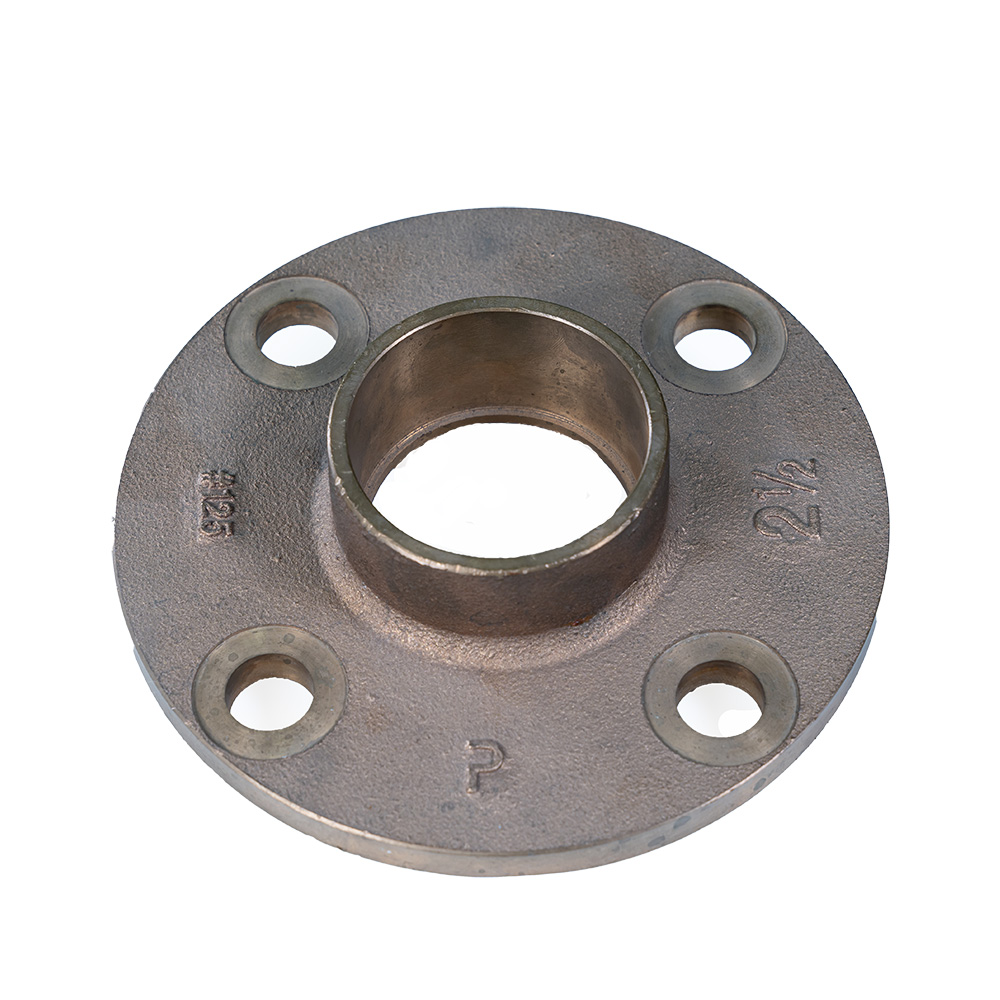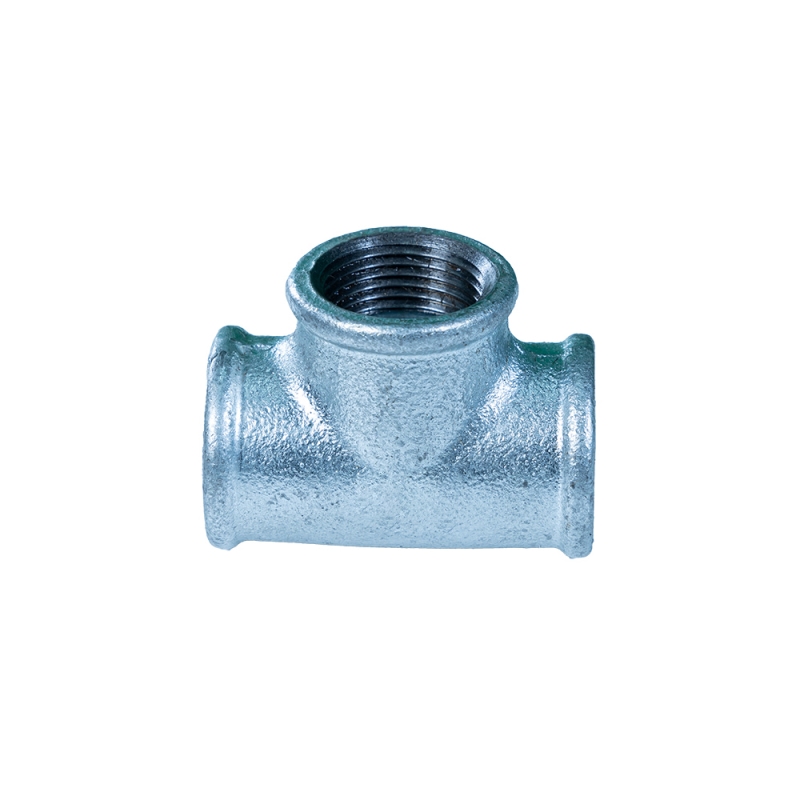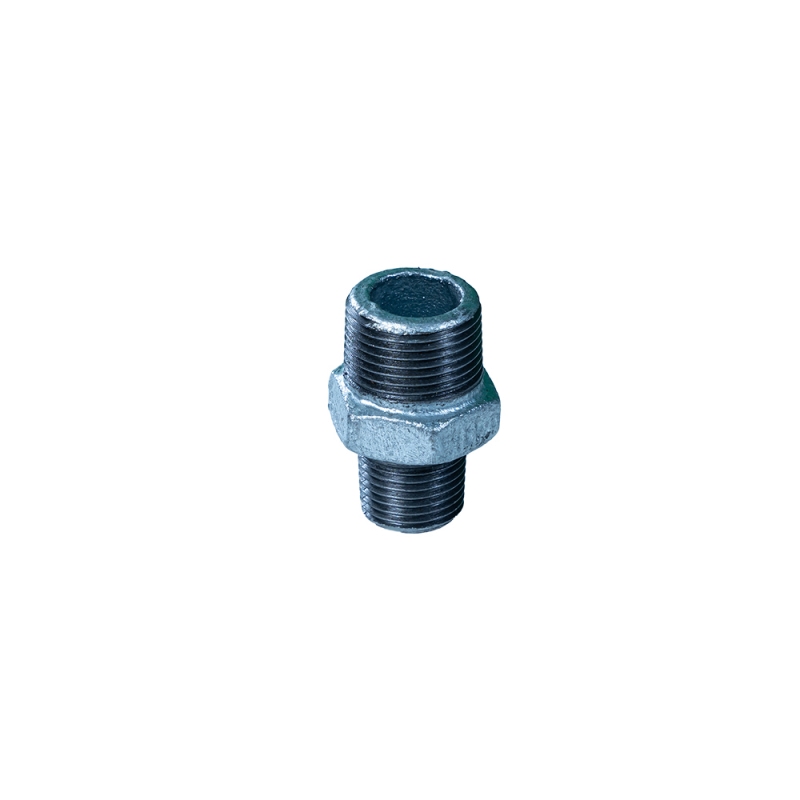

2 X 1 1 2 Reducing Coupling is a key solution in the industry, specifically within fluid transport and piping systems. This article explores how https://www.pannextfittings.com supports professionals with durable, high-performance products, and explains why this product is an ideal choice for businesses in these sectors.
Table of Contents
- 2 X 1 1 2 Reducing Coupling Overview
- Benefits & Use Cases of 2 X 1 1 2 Reducing Coupling
- Cost, Maintenance & User Experience
- Sustainability & Market Trends
2 X 1 1 2 Reducing Coupling Overview
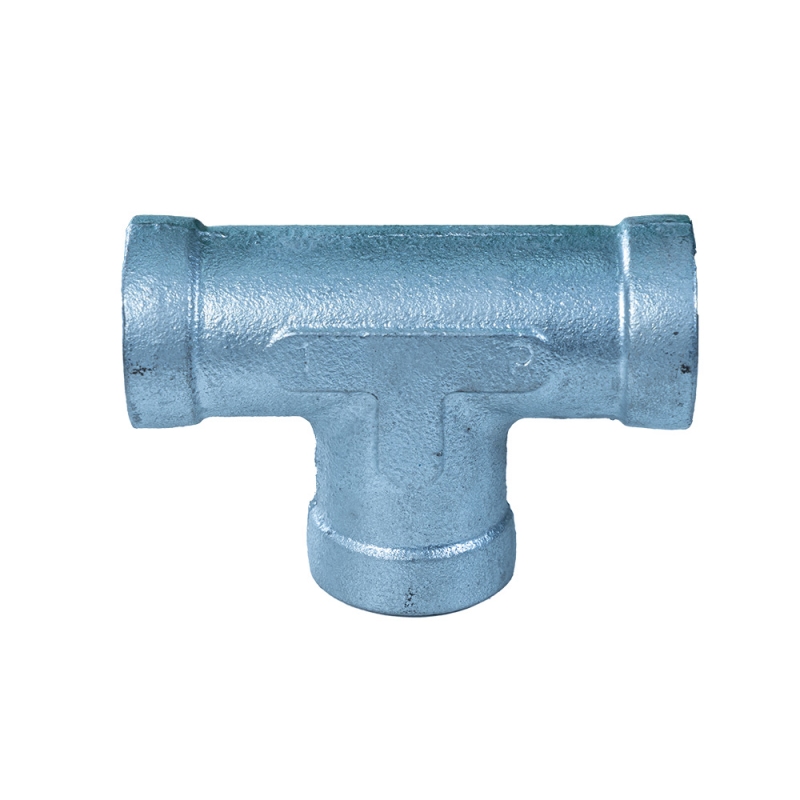
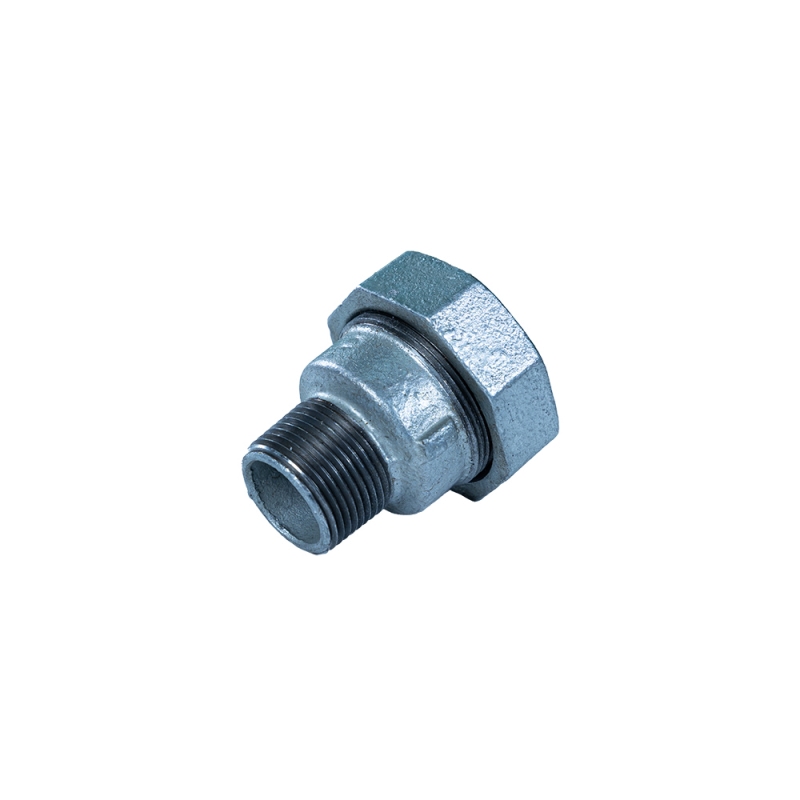
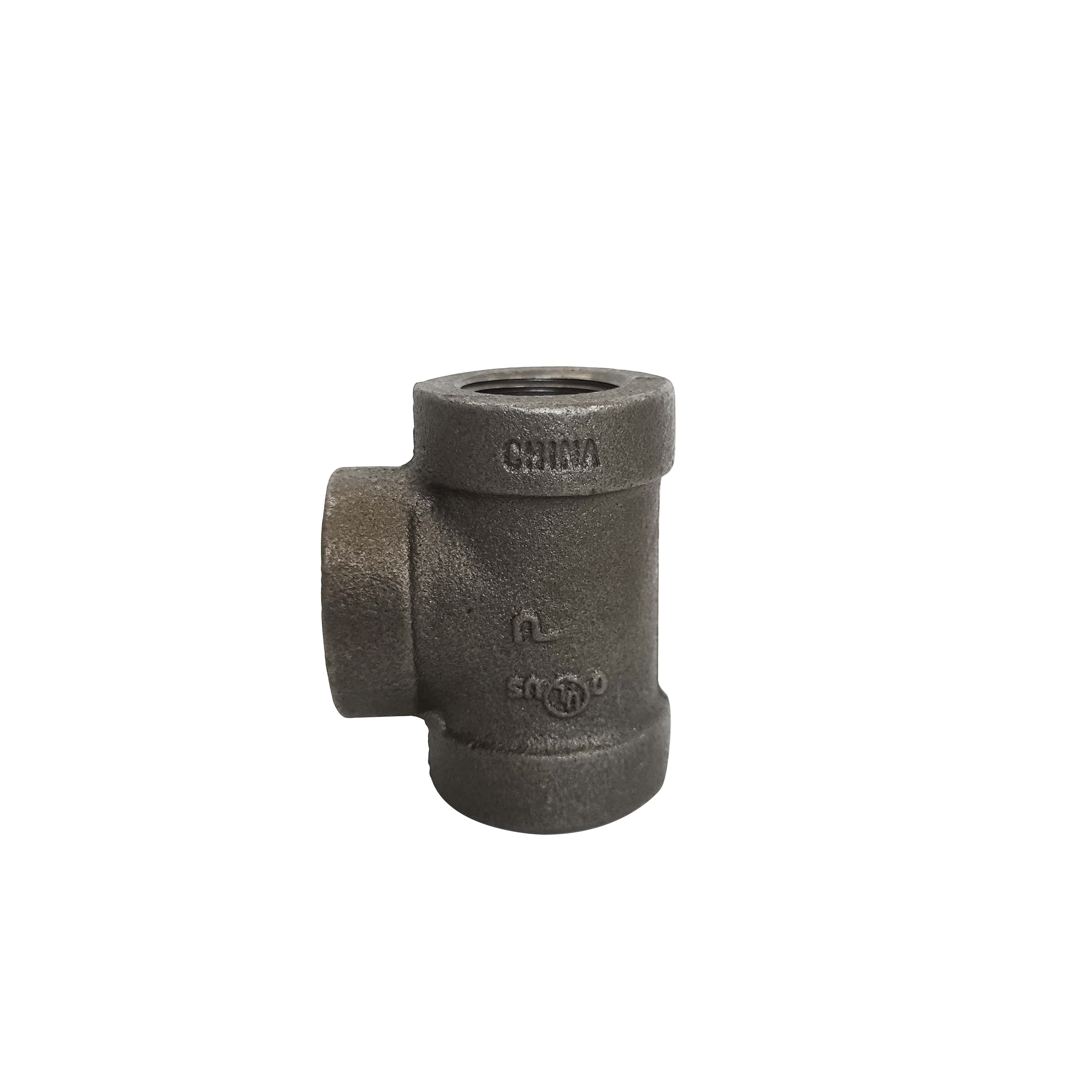
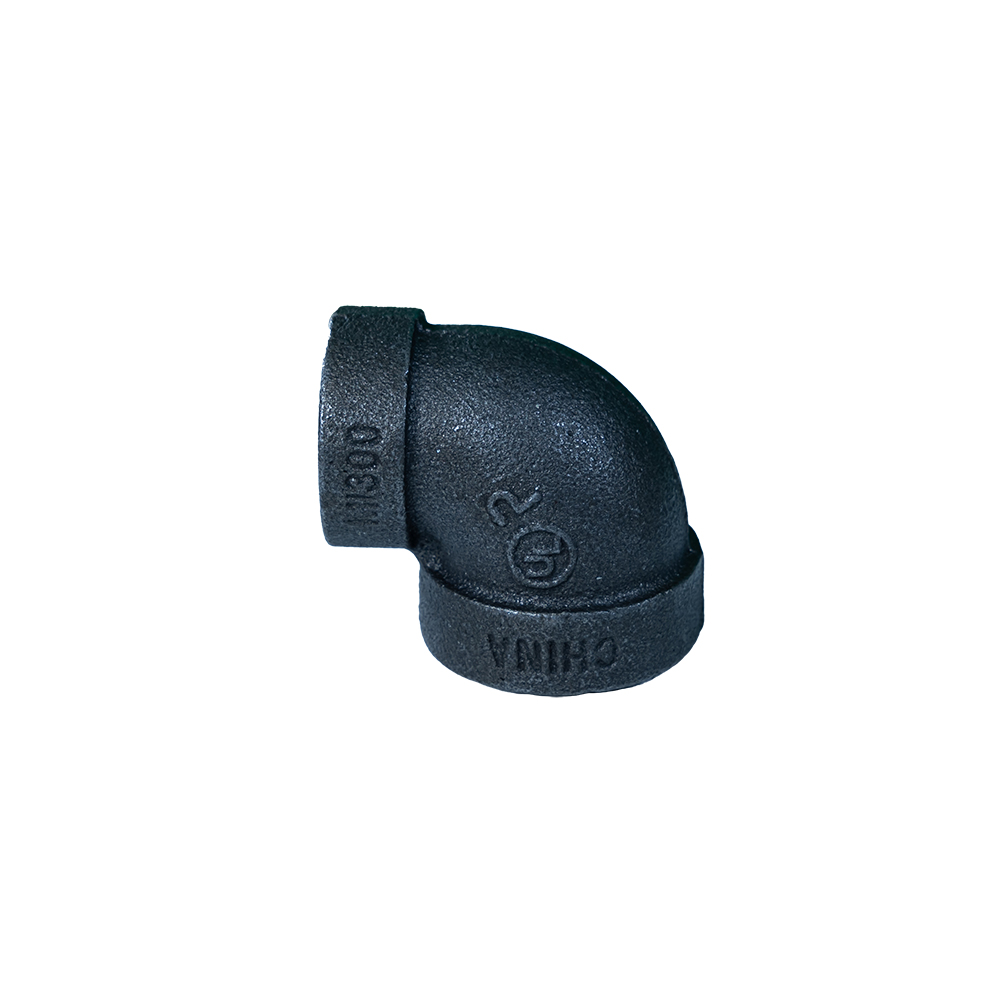
At its core, the 2 X 1 1 2 Reducing Coupling is a type of pipe fitting designed to connect two pipes of different diameters — specifically connecting a 2-inch pipe to a 1 1/2-inch pipe. This small but crucial component ensures the seamless flow of liquids or gases without leakage or pressure loss, which is vital in many sectors like plumbing, HVAC, and chemical processing.
Technically speaking, these couplings are usually made from high-grade materials such as stainless steel, carbon steel, or brass. The choice depends on the application—corrosive environments call for stainless steel, for instance. The design includes threading or socket fusion, ensuring a tight seal. Frankly, I suppose the quality of machining and tolerance levels can make or break performance. Some case studies show a notable decrease in pipeline failure when using quality reducing couplings versus generic fittings.
| Specification | Details |
|---|---|
| Material | Stainless Steel 304/316, Carbon Steel, Brass |
| Connection Type | Threaded, Socket Weld |
| Dimensions | 2” (Inlet) x 1.5” (Outlet) |
| Pressure Rating | Up to 3000 psi (depends on material & standard) |
Benefits & Use Cases of 2 X 1 1 2 Reducing Coupling
Why exactly do industries lean on a product like the 2 X 1 1 2 Reducing Coupling? Well, it’s about efficiency and reliability. Many HVAC systems, for example, rely on these couplings to transition between duct sizes without compromising on pressure or causing turbulence that leads to energy loss. Oddly enough, many engineers also notice that quality couplings mitigate vibration-induced wear, extending system life.
Besides that, chemical processing plants use these fittings extensively due to their corrosion-resistant materials and precise fit. It minimizes downtime and leakage risk in critical operations—a cost saver in the long run. Thanks to https://www.pannextfittings.com’s robust manufacturing processes, these couplings exceed many industry standards, giving decision makers confidence. Plus, they come with competitive lead times and customization options which honestly makes a big difference when projects get tight on schedules.
Cost, Maintenance & User Experience
When budgeting for piping systems, the total cost of ownership matters as much as upfront price. It’s tempting to cut corners, but in my experience, the 2 X 1 1 2 Reducing Coupling’s durability saves more money long-term. Stainless steel, while pricier initially, repels corrosion and reduces replacement frequency. There's a ROI advantage there—less downtime, fewer repairs.
Feedback from customers in industrial sectors highlights ease of installation as another plus. A senior piping engineer I recently spoke with remarked that the user-friendly threading and precise tolerances made onsite fitting straightforward, even under tight schedules. That kind of reliability and operator comfort shouldn’t be underestimated. It sort of translates directly to project success.
| Vendor | Material Quality | Customization Options | Lead Time | Price Range |
|---|---|---|---|---|
| Pannext Fittings | High-grade stainless steel & brass | Wide (thread type, dimensions) | 2-4 weeks | Moderate |
| Competitor A | Standard steel, limited alloys | Limited | 4-6 weeks | Lower |
| Competitor B | Corrosion-resistant alloys | Moderate | 3-5 weeks | Higher |
Sustainability & Market Trends
Sustainability has entered the piping product domain with increasing emphasis. Choosing materials that last longer and can be recycled is becoming a priority. Here, the 2 X 1 1 2 Reducing Coupling made from stainless steel really shines — not just for lifespan but also for recyclability. While regulations vary globally, many markets now demand fittings that minimize environmental impact and improve energy efficiency through leak prevention.
Market analysts forecast steady growth in demand for reliable reducing couplings, driven by infrastructure investments and industrial upgrades worldwide. It feels like more firms realize that investing upfront in quality fittings like those from pannextfittings.com reduces long-term waste, aligns with greener goals, and even simplifies compliance.
Frequently Asked Questions about 2 X 1 1 2 Reducing Coupling
- What is 2 X 1 1 2 Reducing Coupling and how does it work?
- It’s a fitting used to join pipes of two different sizes — 2 inches to 1 1/2 inches. By reducing pipe diameter smoothly, it maintains pressure and flow efficiency in a piping system.
- What are the main benefits of using 2 X 1 1 2 Reducing Coupling in industrial applications?
- Durability, corrosion resistance, ease of installation, reduction of leaks, and maintenance cost savings. It also allows for flexible system design when pipe size changes are needed.
- How does 2 X 1 1 2 Reducing Coupling compare to traditional alternatives?
- This reducing coupling is often more precise and reliable thanks to improved machining and materials, outperforming older couplings that may leak or corrode sooner.
- What industries can benefit most from 2 X 1 1 2 Reducing Coupling implementation?
- HVAC, plumbing, chemical processing, oil and gas, and water treatment — basically any sector where piping system performance and reliability are mission critical.
Conclusion on 2 X 1 1 2 Reducing Coupling from china
To wrap it up, the 2 X 1 1 2 Reducing Coupling stands out as a versatile and dependable item in the toolkit of piping professionals. Its blend of quality materials, design precision, and cost-efficiency creates a compelling proposition, whether for construction, industrial operations, or maintenance projects.
- Recap the value of 2 X 1 1 2 Reducing Coupling.
- - Visit our website: https://www.pannextfittings.com
In real terms, investing in the right reducing coupling pays off with fewer headaches and longer-lasting piping integrity. Sometimes, it’s the small parts that keep the whole system running smoothly.
References:
1. Industry Pipe Fitting Standards, ASTM.
2. Case Study: HVAC System Leak Reduction, Industrial Journal.
3. Market Analysis Report on Piping Components, 2023.
Post time: Dec-11-2025