
Understanding the 1 1/4 x 1 Reducing Coupling: What It Is and Why It Matters
At first glance, plumbing fittings such as the 1 1/4 x 1 reducing coupling might seem like humble hardware, but they play a surprisingly critical role across a range of industries worldwide. Whether you’re dealing with municipal water systems, industrial piping, or even disaster relief setups, understanding these couplings boils down to one essential fact—they connect pipes of different diameters securely, ensuring smooth flow without leaks.
Globally, as infrastructure expands and ages, the need for correctly sized connections is paramount to avoid costly failures, water loss, or safety risks. Plus, with increasing emphasis on sustainable water management and efficient industrial processes, these seemingly modest fittings actually underpin massive networks that affect billions of people and tons of resources every day.
Mini takeaway: Though small, the 1 1/4 x 1 reducing coupling is a vital link in maintaining safe, efficient fluid transport systems globally.
Global Context: Why This Reducing Coupling Is Relevant
Worldwide, infrastructure statistics highlight a growing challenge: According to the World Bank’s urban development reports, about 60% of the global population will live in cities by 2030, stressing the need for robust plumbing and water management. Piping systems must adapt to different sizes with minimal downtime, and that’s where reducing couplings come in.
Moreover, organizations like ISO standardize piping components to ease global trade and maintenance. The ISO 7/1 standard ensures substances flow safely between pipes of different diameters. The 1 1/4 x 1 coupling is an example of this practical standardization addressing real-world industrial challenges.
Mini takeaway: With urbanization and industrial growth pushing pipe system complexity, proper coupling solutions like the 1 1/4 x 1 remain crucial.
Defining the 1 1/4 x 1 Reducing Coupling
So, what exactly is a 1 1/4 x 1 reducing coupling? Simply put, it’s a pipe fitting designed to join a 1 1/4-inch diameter pipe to a 1-inch diameter pipe. "Reducing" here means it connects two different sized pipes, enabling flow between them without leakage.
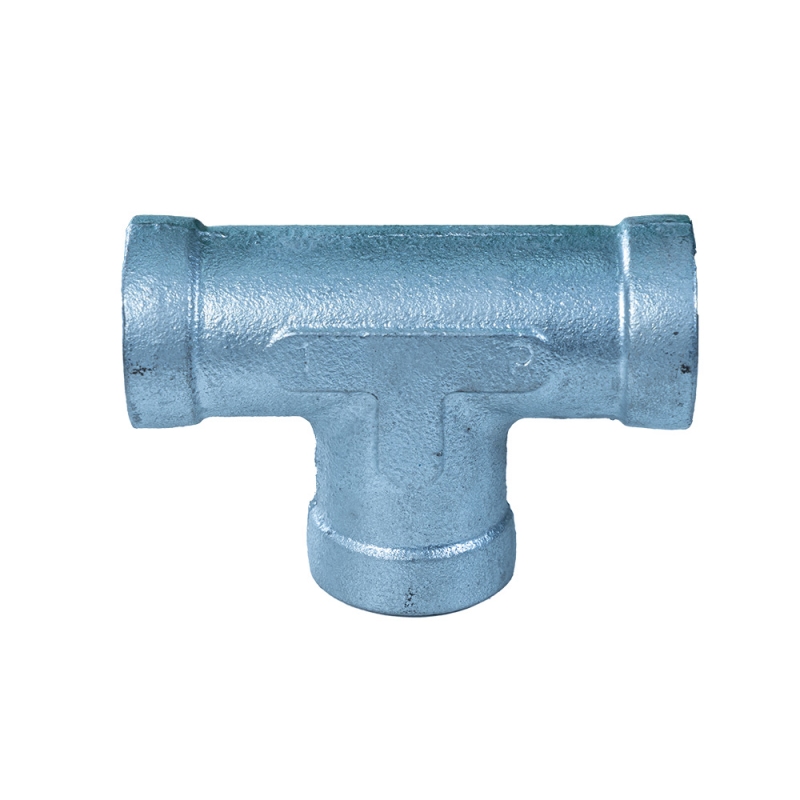
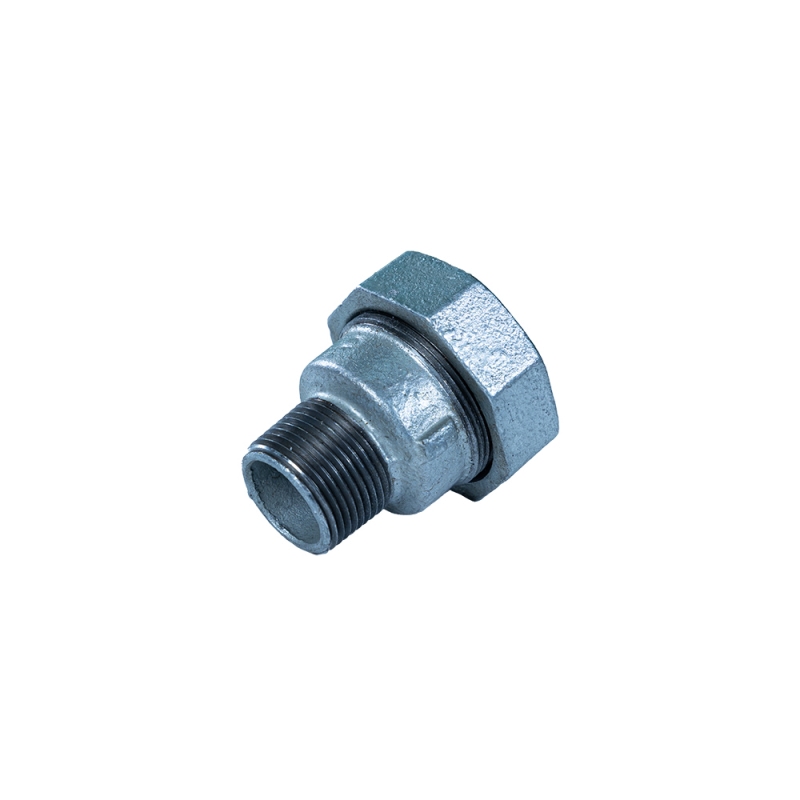
These couplings often take the form of threaded or socket fittings made from materials like galvanized steel, brass, or stainless steel, depending on the application. Using such a coupling, engineers can adapt the flow path flexibly — essential in retrofits, repairs, or modular pipeline expansions.
Oddly enough, while it sounds niche, this piece is present in everything from residential water lines to sprawling petrochemical plants. It bridges gaps—literally and figuratively—in pipeline networks.
Mini takeaway: The 1 1/4 x 1 reducing coupling is a simple, practical device that joins two pipe sizes, optimizing flow and system design.
Core Components and Key Factors
1. Material Durability
Depending on the environment—corrosive chemicals, high pressure, or outdoor exposure—the material choice is critical. For example, stainless steel provides corrosion resistance, while brass is common in potable water systems. Durability directly impacts the coupling’s lifespan and safety.
2. Threading Type and Precision
Thread quality ensures a tight seal and ease of installation. National Pipe Thread (NPT) standards are common, but fine threading reduces leaks under pressure. Poor threading can cause early failure— engineers constantly stress trying out new thread designs.
3. Size and Compatibility
The exact 1 1/4 inch to 1 inch specification must match pipe size precisely to avoid gaps or over-tightening. Compatibility with existing piping material (PVC, steel, copper) also factors into choice. Trying to fit mismatched sizes is a recipe for frustration.
4. Pressure Rating
Rated pressure ranges must suit application needs. Industrial systems might require couplings able to withstand hundreds of PSI, while residential systems operate at much lower pressures. Safety never takes a backseat.
5. Cost Efficiency
Balancing material costs, lifespan, and ease of installation makes or breaks project budgets. For large infrastructure projects, saving just a few cents per fitting adds up—makes the right coupling a subtle but impactful decision.
| Specification | Details |
|---|---|
| Pipe Size Inlet | 1 1/4 inch (32 mm) |
| Pipe Size Outlet | 1 inch (25 mm) |
| Material Options | Galvanized Steel, Brass, Stainless Steel, PVC |
| Pressure Rating | Up to 300 PSI (varies by material) |
| Thread Type | NPT (standard), BSP (optional) |
Mini takeaway: Material, threading, size precision, pressure rating, and cost all come together to define how well a 1 1/4 x 1 reducing coupling performs.
Real-World Applications & Use Cases
In actual fieldwork, these couplings shine in places you might not expect:
- Municipal Water Distribution: Connecting legacy pipes of varying sizes during infrastructure upgrades in cities worldwide.
- Industrial Plants: Managing diverse fluid systems where chemical, steam, or water pipes must interconnect with differing dimensions.
- Disaster Relief: Emergency water supply systems using modular pipes often rely on reducing couplings for quick adaptations.
- Remote Mining and Oil Fields: Flexible pipeline designs are a must-have, especially when transporting fluids through harsh terrain.
For example, after the 2010 Haiti earthquake, aid organizations deployed temporary water treatment units that used reducing couplings such as 1 1/4 x 1 fittings to connect mismatched pipes quickly and reliably.
Mini takeaway: From mega-cities to disaster zones, the reducing coupling is a small tool with enormous practical value.
Advantages & Long-Term Value
Let’s be frank—no one installs these couplings just because they look neat. They bring real advantage:
- Cost Savings: Avoid expensive pipe replacements by adapting existing infrastructure.
- Sustainability: By extending pipe system lifespan, they reduce material waste.
- Safety: Proper fittings reduce leaks that can cause damage or health hazards.
- Adaptability: Handle system changes without major redesigns.
- Trust & Reliability: When made to standards, they deliver consistent performance over decades.
On an emotional level, knowing your water or fluid systems won’t fail due to a small but crucial connector offers peace of mind. Industry insiders often remark that choosing the right couple feels like laying a strong foundation for the entire system.
Mini takeaway: Reliability, sustainability, and cost efficiency combined make the 1 1/4 x 1 reducing coupling a smart long-term investment.
Emerging Trends & Innovations
With an eye on the future, the reducing coupling isn’t standing still. Here are some directions influencing its evolution:
- Advanced Materials: Composites and polymer blends are bringing corrosion resistance and lighter weight.
- Smart Couplings: Sensors embedded in fittings for leak detection and maintenance alerts are experimental but promising.
- Automation in Installation: Robotics and torque-controlled tools help installers get thread tightness perfect every time.
- Green Manufacturing: Reduced carbon footprints in production align with stricter environmental standards globally.
These innovations, albeit gradual, will shape how we think about plumbing reliability and efficiency in the coming decades.
Mini takeaway: Technological advances hint at smarter, more durable and eco-friendly reducing couplings on the horizon.
Challenges & Working Solutions
Of course, no tech is perfect. Common challenges include:
- Thread Wear and Corrosion: Over time, especially in harsh environments, threads can degrade, risking leaks.
- Mismatched Standards: Varying regional standards can complicate coupling selection.
- Installation Errors: Improper torque or cross-threading causes failures in field.
Thankfully, manufacturers provide solutions like corrosion-resistant coatings, globally harmonized threads, and detailed installation guides. Training for technicians is also improving to reduce human error.
Mini takeaway: Awareness of challenges paired with quality manufacturing and training mitigates risks effectively.
FAQ: Frequently Asked Questions About 1 1/4 x 1 Reducing Couplings
- Q: Can I use a 1 1/4 x 1 reducing coupling in a high-pressure steam line?
A: It depends on the coupling material and pressure rating. Stainless steel couplings rated above 300 PSI are typically required for steam. Always check specifications. - Q: How do I know if my pipes are compatible with a 1 1/4 x 1 reducing coupling?
A: Measure your pipe outside diameters and thread types. The coupling must match both pipe diameter and threading standard (e.g., NPT). Consult product specs for exact fits. - Q: Is installation difficult for non-professionals?
A: Threaded couplings like these are designed for straightforward hand-tightening with wrenches. However, cross-threading is a risk, so follow tutorials or professional advice. - Q: Can I use PVC reducing couplings for potable water?
A: Yes, but ensure the material is NSF/ANSI certified for drinking water applications. PVC also has lower pressure ratings than metals, so verify system requirements.
Vendor Comparison Table
| Vendor | Materials Available | Pressure Range | Pricing | Lead Time |
|---|---|---|---|---|
| Alpha Fittings | Brass, Steel | Up to 250 PSI | $$ | 1 week |
| Beta Pipeworks | Stainless Steel, PVC | Up to 300 PSI | $$$ | 2 weeks |
| Gamma Supplies | Galvanized Steel, Brass | Up to 200 PSI | $ | 3-5 days |
Conclusion: Why the 1 1/4 x 1 Reducing Coupling Deserves Your Attention
The 1 1/4 x 1 reducing coupling may not make headlines, but its value in ensuring functional, adaptable, and cost-effective piping systems worldwide is undeniable. It’s a simple solution to a complex problem—connecting diverse piping sizes without leaks, downtime, or safety issues. Frankly, embracing quality couplings means investing in long-term reliability and smoother operations.
If you’re looking to explore top-quality reducing couplings, or want to find customized options, don’t hesitate to visit our website for more info and product selection.
Thanks for sticking through my rundown! The next time you see a reducing coupling, I hope it feels a bit like a hidden hero.
Mini overall takeaway: Small fittings, big impact—mastering the 1 1/4 x 1 reducing coupling is key for efficient, reliable piping systems everywhere.
References
Post time: Dec-05-2025