
Understanding 3/8 NPT Hydraulic Fittings: A Comprehensive Guide
When working with hydraulic systems, choosing the correct fittings is crucial for ensuring reliable and leak-free connections. 3/8 NPT hydraulic fittings are a commonly used standard in various industries due to their versatility and robust design. This article provides a detailed overview of these fittings, including their applications, advantages, materials, and how to select the right one for your specific needs. Properly understanding and utilizing 3/8 NPT fittings is essential for maintaining the efficiency and safety of any hydraulic system.
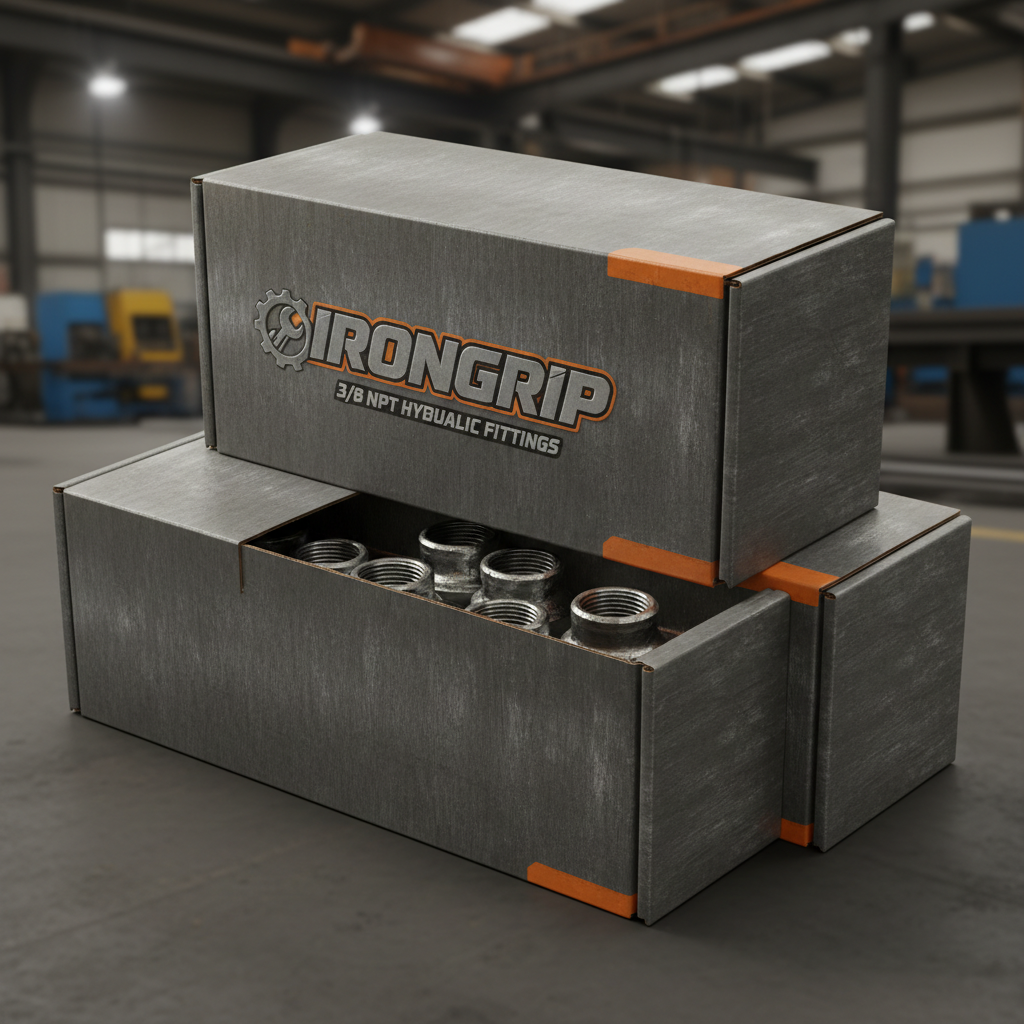
What are 3/8 NPT Hydraulic Fittings?
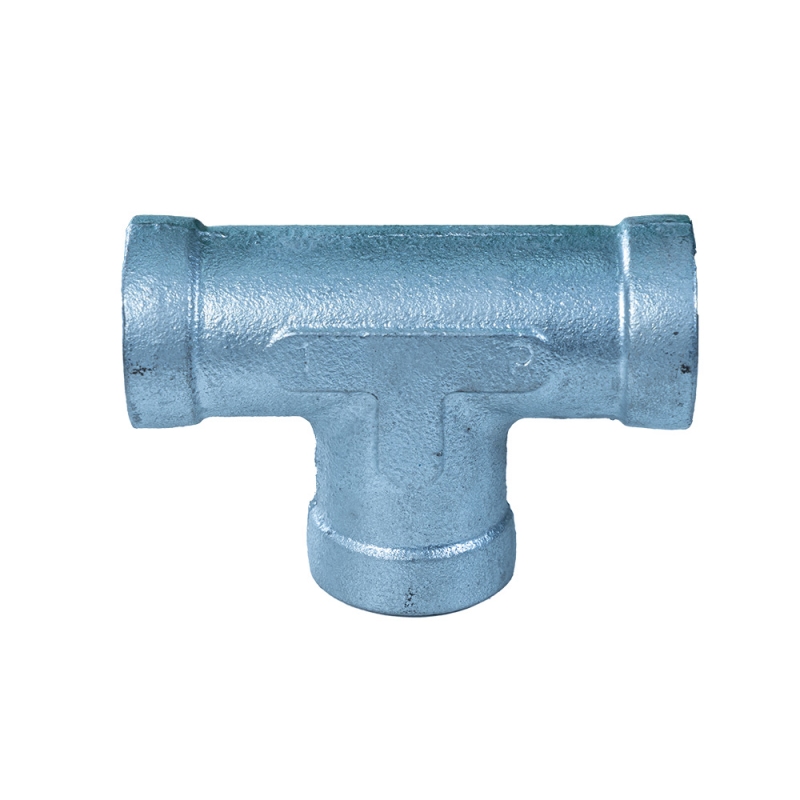
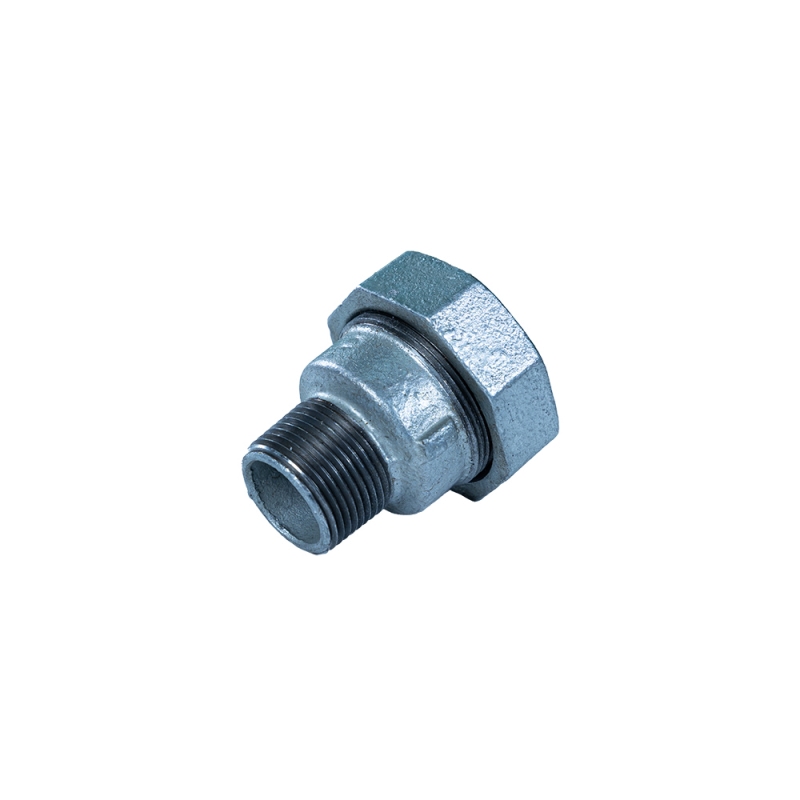
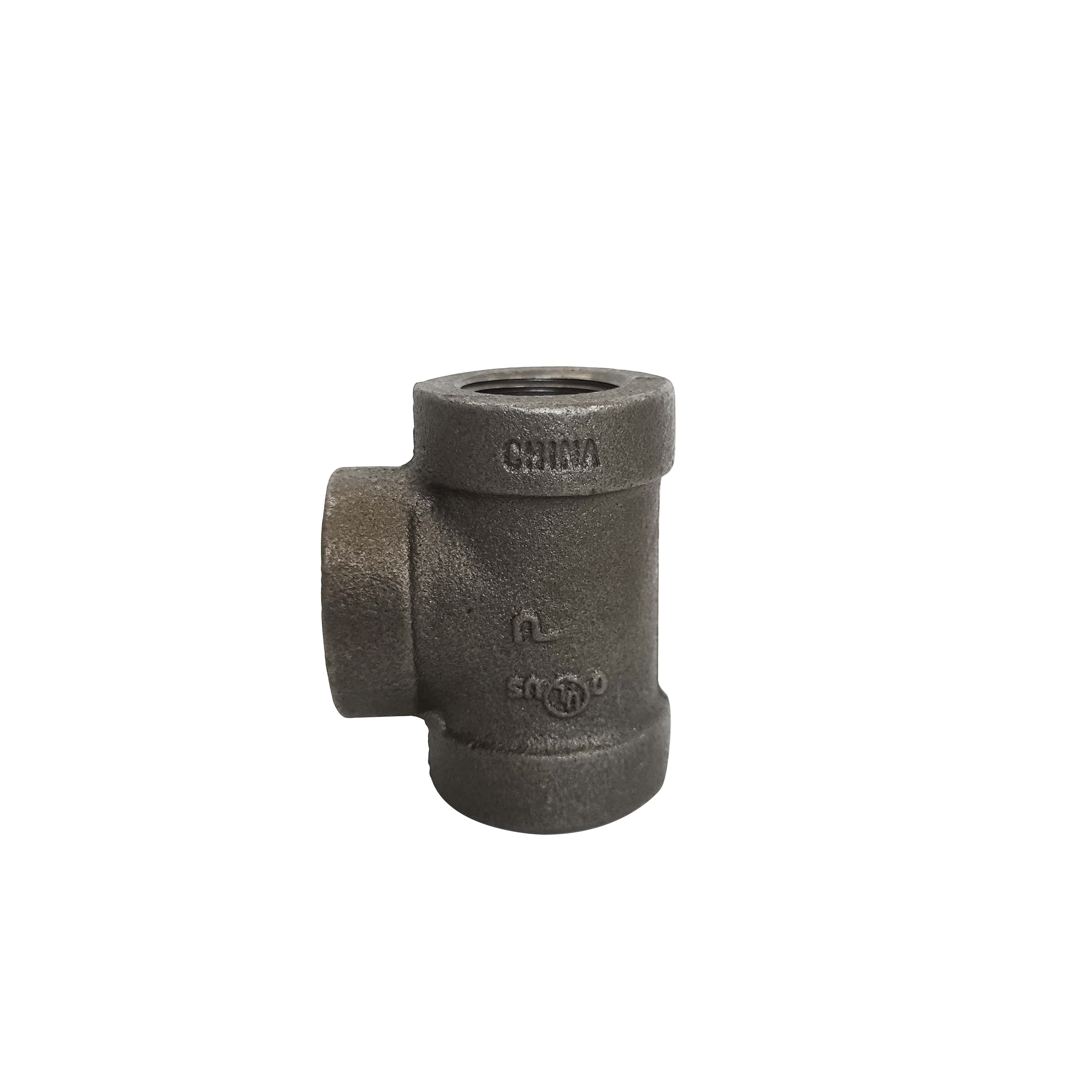
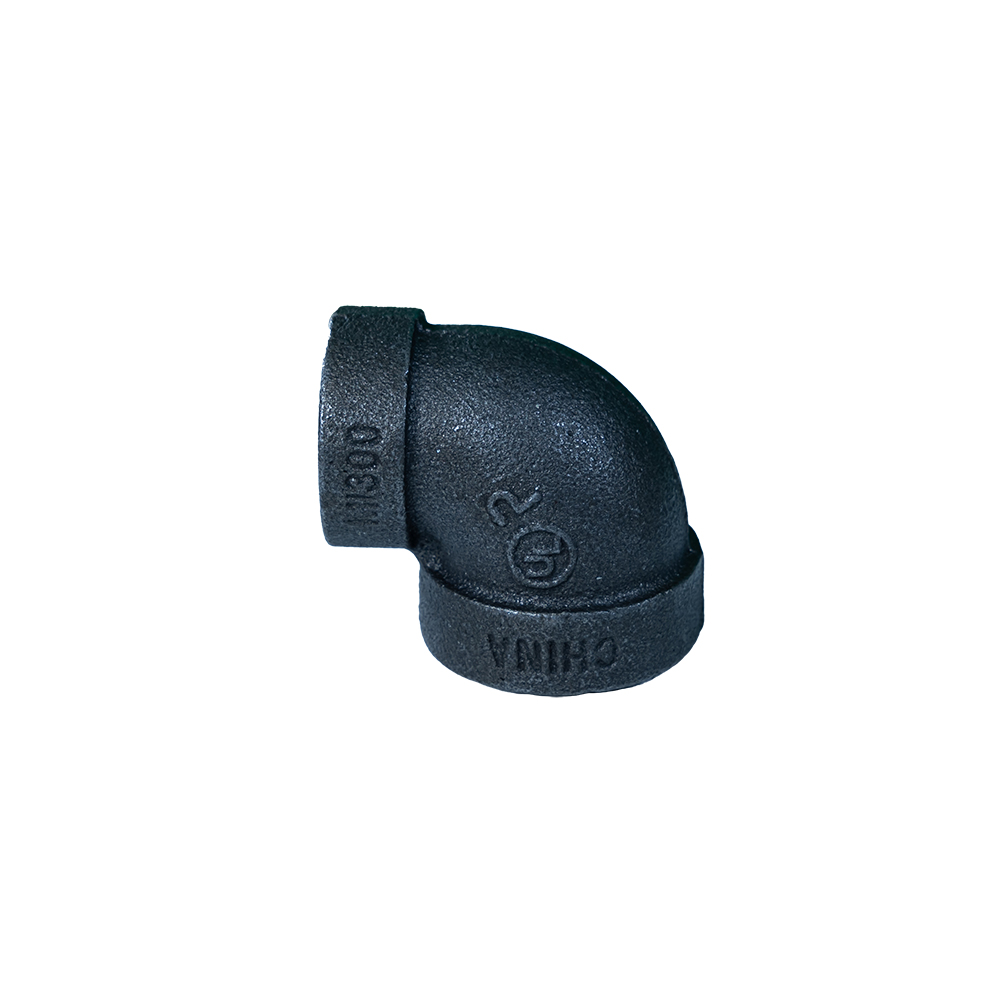
NPT stands for National Pipe Tapered. A 3/8 NPT fitting has a 3/8-inch nominal diameter and features tapered threads. This taper is essential as it allows for a sealing connection when tightened. The tapered threads create a wedging action, effectively sealing the connection without the need for additional sealant in many cases. These fittings are widely used in hydraulic, pneumatic, and fluid transfer applications. Pannext Fittings offers a wide range of high-quality 3/8 NPT fittings to suit diverse industrial requirements.
Key Highlights: 3/8 NPT fittings utilize tapered threads for a self-sealing connection, eliminating the need for sealant in some applications. Their robust construction makes them suitable for high-pressure systems.
Common Applications of 3/8 NPT Fittings
3/8 NPT hydraulic fittings are utilized in a broad spectrum of industries and applications. These include:
- Agricultural Machinery: Connecting hydraulic lines in tractors, harvesters, and irrigation systems.
- Automotive Industry: Used in power steering systems, brake lines, and transmission coolers.
- Industrial Equipment: Employed in hydraulic presses, lifts, and other heavy machinery.
- Oil & Gas: Suitable for low-pressure fluid transfer applications.
- Manufacturing: Connecting hydraulic cylinders, pumps, and valves.
Application Benefits:
• Wide compatibility with various hydraulic components.
• Robust and durable construction for long-lasting performance.
• Relatively easy to install and maintain.
• Cost-effective solution for hydraulic connections.
3/8 NPT vs. Other Hydraulic Fitting Types
While 3/8 NPT fittings are widely used, it’s important to understand how they compare to other types of hydraulic fittings. Here’s a quick comparison:
Materials Used in 3/8 NPT Fittings
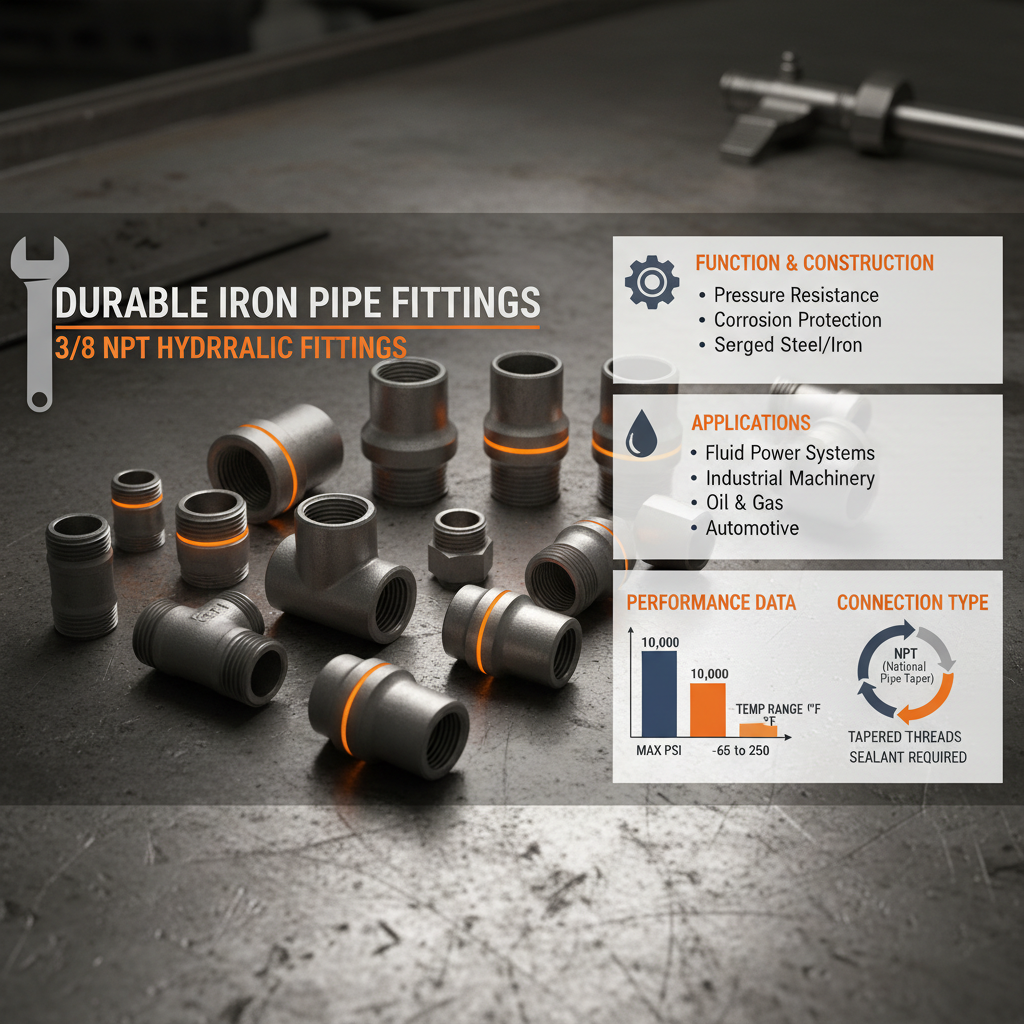
3/8 NPT fittings are available in a variety of materials to suit different applications and fluid compatibility requirements. Common materials include:
- Brass: Offers good corrosion resistance and is suitable for general-purpose applications.
- Stainless Steel: Provides superior corrosion resistance and strength, making it ideal for harsh environments.
- Carbon Steel: A cost-effective option for non-corrosive applications.
- Plastic (Nylon, Polypropylene): Lightweight and corrosion-resistant, suitable for low-pressure applications.
Selecting the Right 3/8 NPT Fitting
Choosing the right 3/8 NPT fitting involves considering several factors:
- Fluid Compatibility: Ensure the fitting material is compatible with the fluid being transferred.
- Pressure Rating: Select a fitting with a pressure rating that exceeds the maximum operating pressure of the system.
- Temperature: Consider the operating temperature and choose a fitting that can withstand those conditions.
- Application: Select a fitting specifically designed for the intended application (e.g., straight, elbow, tee).
Conclusion: Ensuring Reliable Hydraulic Connections
Investing in high-quality 3/8 NPT hydraulic fittings is essential for maintaining the integrity and efficiency of any hydraulic system. By understanding the different types, materials, and selection criteria, you can ensure a safe, reliable, and long-lasting connection. Don't compromise on quality – choose a trusted supplier like Pannext Fittings for all your hydraulic fitting needs.
Frequently Asked Questions (FAQs)
Do I need to use sealant with 3/8 NPT fittings?
While 3/8 NPT fittings are designed to create a seal through the tapered threads, using a thread sealant (such as Teflon tape or pipe dope) is often recommended, especially in applications involving critical fluids or high pressures. Sealant helps ensure a leak-proof connection and prevents corrosion. However, avoid using excessive sealant, as it can contaminate the fluid or obstruct flow. Ensure the sealant is compatible with the fluid being used.
What is the maximum pressure rating for 3/8 NPT fittings?
The maximum pressure rating for 3/8 NPT fittings varies depending on the material and construction. Brass fittings typically have a lower pressure rating than stainless steel or carbon steel fittings. It's crucial to check the manufacturer's specifications for the specific fitting you are using. Generally, 3/8 NPT fittings can handle pressures up to several thousand PSI, but always verify the rating before installation.
How do I properly tighten a 3/8 NPT fitting?
Tighten the 3/8 NPT fitting until it is snug and resistance is felt. Avoid over-tightening, as this can damage the threads or cause the fitting to crack. A good rule of thumb is to tighten the fitting approximately 1.5 to 2 turns past the point of initial contact. Using a wrench of the correct size is essential to prevent rounding the edges of the fitting. If you are using sealant, allow it to set for the recommended time before pressurizing the system.
Can I reuse a 3/8 NPT fitting?
Reusing a 3/8 NPT fitting is generally not recommended, especially in critical applications. Each time a fitting is tightened and loosened, the threads can become slightly damaged. This can compromise the sealing ability of the fitting and increase the risk of leaks. If you must reuse a fitting, carefully inspect the threads for damage and replace it if any defects are found. It is often more cost-effective and safer to simply replace the fitting.
Post time: Mar-05-2026