
Understanding 4 NPT Coupling: A Comprehensive Guide
In the world of fluid transfer systems, ensuring a secure and leak-proof connection is paramount. A 4 NPT coupling is a crucial component, frequently used across various industries. This article provides an in-depth look at 4 NPT couplings, covering their functionality, applications, materials, installation best practices, and why choosing a reliable supplier like Pannext Fittings is essential for your project's success. Understanding these components will help you build efficient and dependable fluid handling systems.
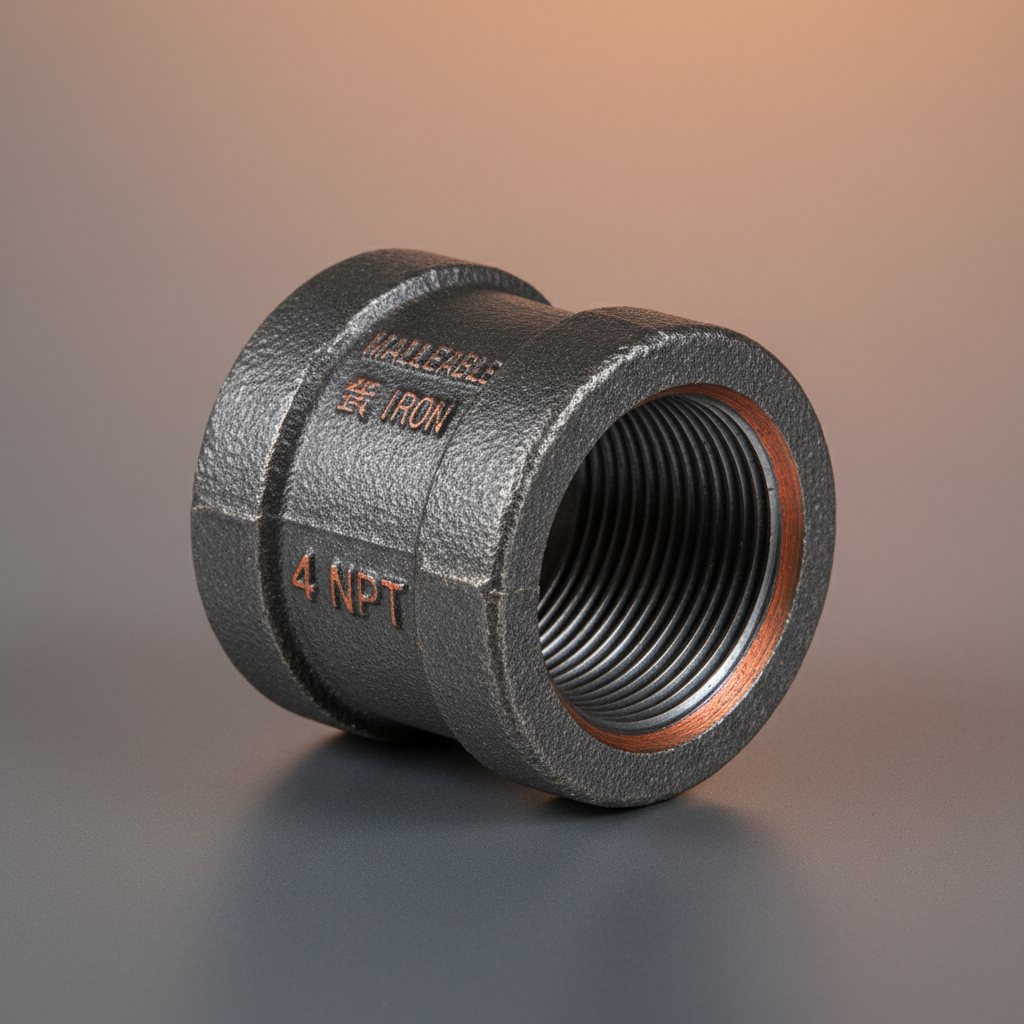
What is a 4 NPT Coupling?
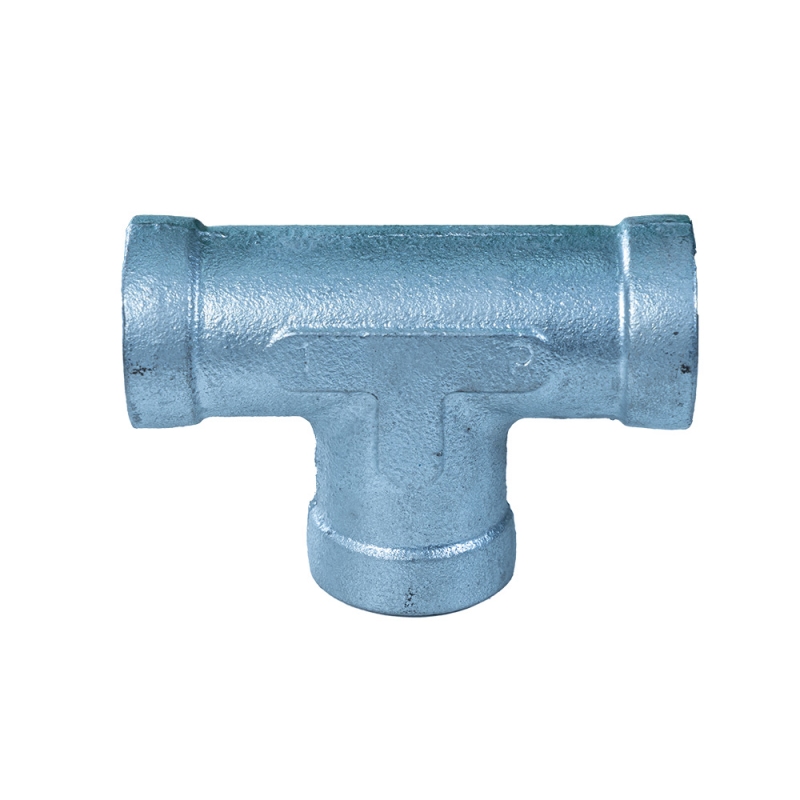
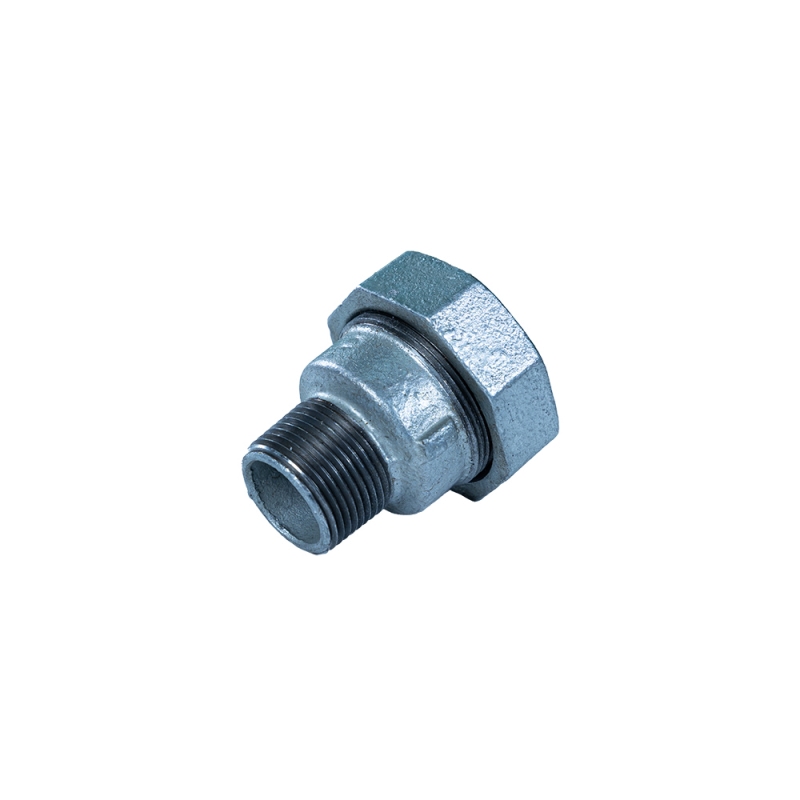
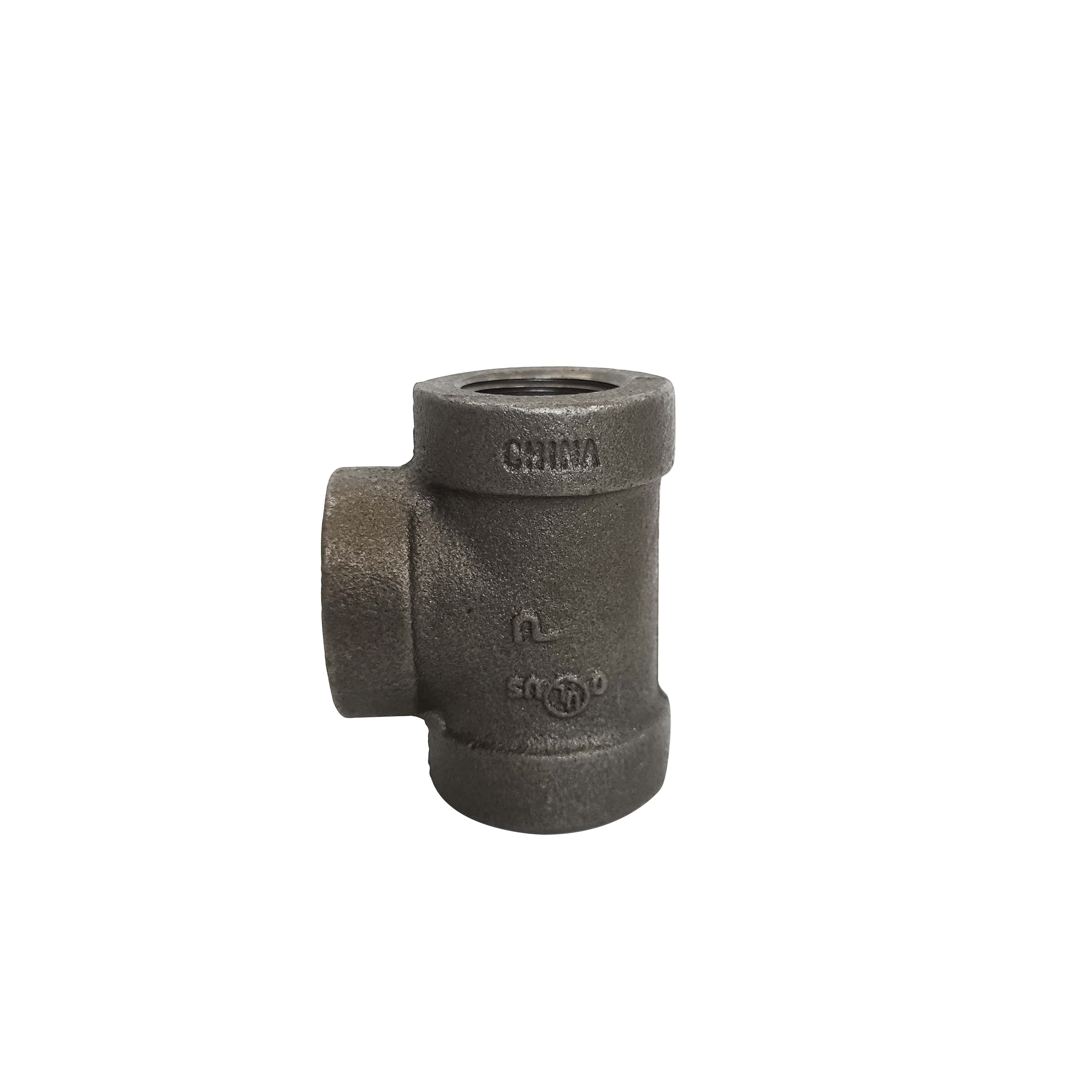
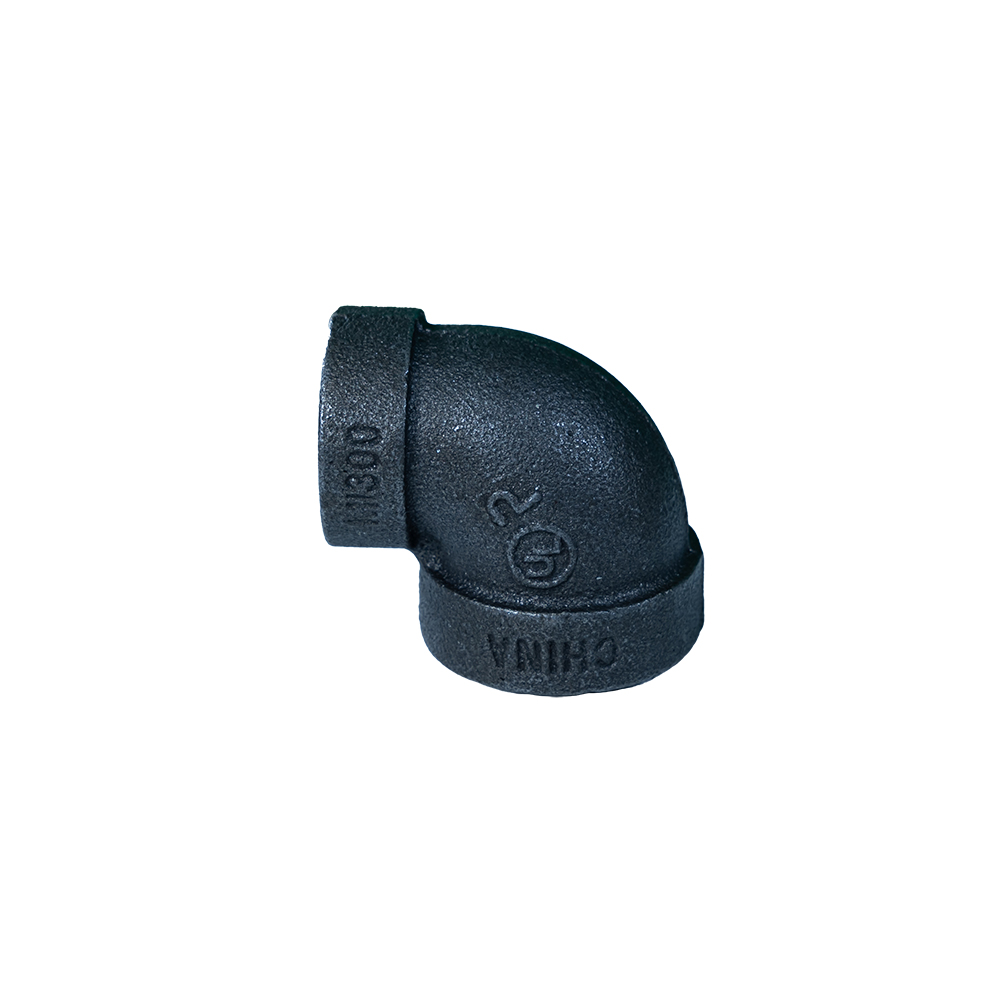
A 4 NPT coupling is a fitting used to connect two threaded pipes or hoses with a 4-inch nominal pipe size. NPT stands for National Pipe Thread, a standardized North American taper thread used for sealing pipes and fittings. The 'taper' is critical; as the coupling is tightened, the threads compress, creating a tighter seal. These couplings are vital in applications where a reliable and leak-proof connection is necessary for transporting liquids or gases. They're widely used in industries like oil and gas, water treatment, chemical processing, and agriculture. Choosing the right material for your 4 NPT coupling depends on the specific fluid being handled and the operating environment.
Key Takeaway: NPT couplings create a tight seal through tapered threads, making them ideal for fluid transfer systems requiring reliability and leak prevention.
Common Materials for 4 NPT Couplings
4 NPT couplings are manufactured from various materials to suit different applications. Some of the most common include:
- Carbon Steel: Offers high strength and durability, suitable for general-purpose applications.
- Stainless Steel (304/316): Provides excellent corrosion resistance, ideal for handling corrosive fluids.
- Brass: Good for low-pressure applications and fluids that are not highly corrosive.
- Galvanized Steel: Provides a protective zinc coating for increased corrosion resistance, often used in outdoor applications.
- PVC/CPVC: Lightweight and corrosion-resistant, suitable for chemical processing and water systems.
The choice of material significantly impacts the longevity and performance of the coupling. Pannext Fittings offers a wide range of materials to meet diverse industry needs.
4 NPT Coupling vs. Other Coupling Types
While several types of couplings exist, 4 NPT couplings stand out due to their reliable sealing properties. Let’s compare them to other common types:
Proper Installation of 4 NPT Couplings
Correct installation is crucial to prevent leaks. Here’s a step-by-step guide:
- Thread Preparation: Ensure threads are clean and free of debris.
- Teflon Tape: Apply Teflon tape clockwise around the male threads to enhance the seal.
- Hand-Tighten: Tighten the coupling by hand until snug.
- Wrench Tighten: Use a wrench to tighten the coupling further, typically 1-2 full turns past hand-tight. Avoid over-tightening, as this can damage the threads.
- Leak Test: After installation, perform a leak test to verify the seal.
Following these steps, and sourcing high-quality couplings from a reputable supplier like Pannext Fittings will help ensure a long-lasting and reliable connection.
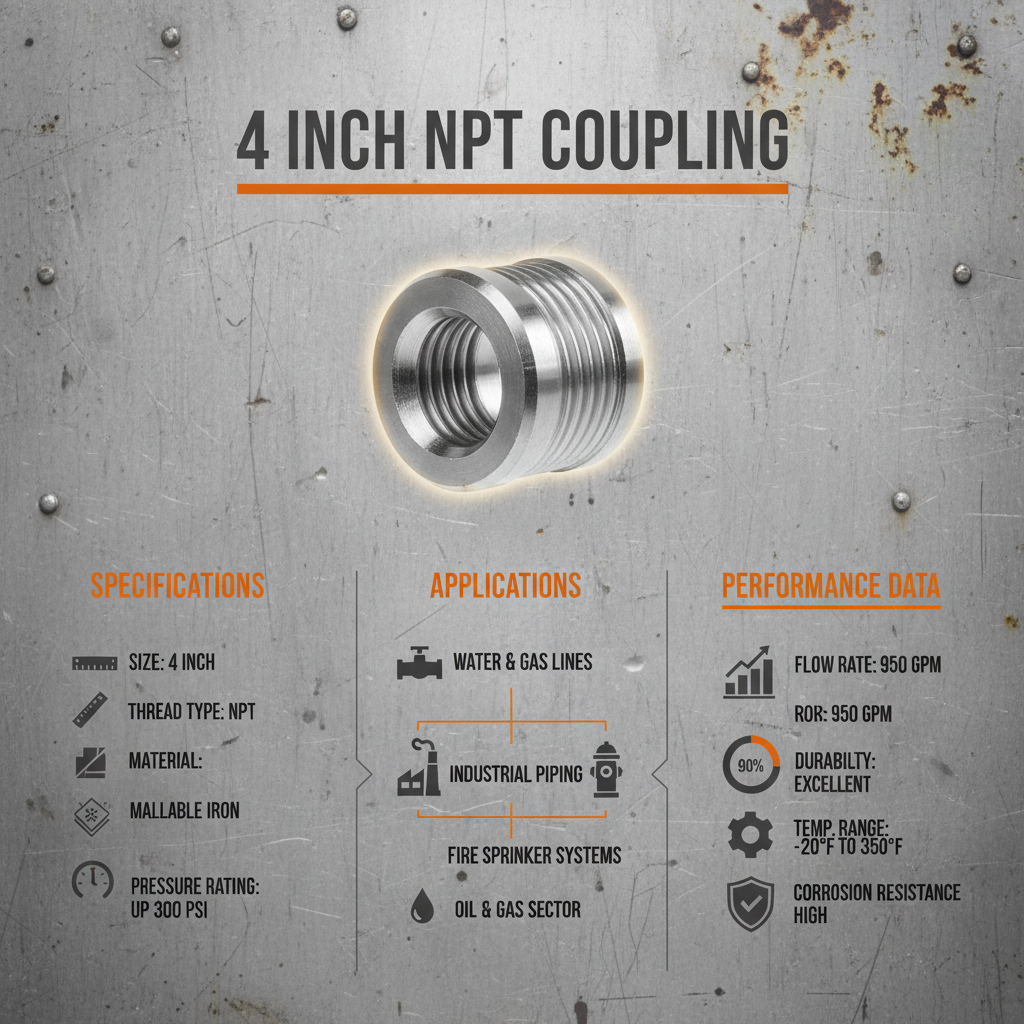
Choosing the Right Supplier: Why Pannext Fittings?
Selecting a trustworthy supplier is vital when procuring 4 NPT couplings. Pannext Fittings offers a comprehensive range of high-quality couplings, competitive pricing, and exceptional customer service. We are committed to providing reliable products that meet the most stringent industry standards. Our extensive inventory and fast shipping ensure you get the parts you need, when you need them.
Conclusion: Ensuring Fluid Transfer Reliability
Investing in quality 4 NPT couplings from a reputable supplier like Pannext Fittings is crucial for maintaining the integrity and efficiency of your fluid transfer systems. By understanding the different materials, installation techniques, and potential applications, you can make informed decisions that ensure long-term reliability and minimize downtime. Don't compromise on quality – choose Pannext Fittings for your coupling needs.
Frequently Asked Questions (FAQs)
What is the difference between NPT and BSPT threads?
NPT (National Pipe Thread) is a tapered thread standard used primarily in North America. BSPT (British Standard Pipe Thread) is also a tapered thread, but it has different thread angles and pitch. NPT and BSPT fittings are not interchangeable. Attempting to connect them can lead to leaks or damage to the threads. Ensure you are using the correct thread type for your application. Pannext Fittings provides both NPT and BSPT couplings to meet global standards.
Can I reuse Teflon tape on an NPT coupling?
It's generally not recommended to reuse Teflon tape. While it might seem functional, it can lose its effectiveness and potentially introduce contaminants into the fluid system. Applying fresh Teflon tape with each installation ensures a consistent and reliable seal. A new application guarantees proper coverage and adhesion, preventing leaks and maintaining system integrity.
What pressure rating should I look for in a 4 NPT coupling?
The appropriate pressure rating depends entirely on the application and the fluid being transferred. Couplings are rated for specific maximum pressures, and exceeding this rating can lead to catastrophic failure. Always consult the manufacturer's specifications (available at Pannext Fittings) and select a coupling with a pressure rating that exceeds the expected operating pressure by a safety margin.
Post time: Mar-08-2026