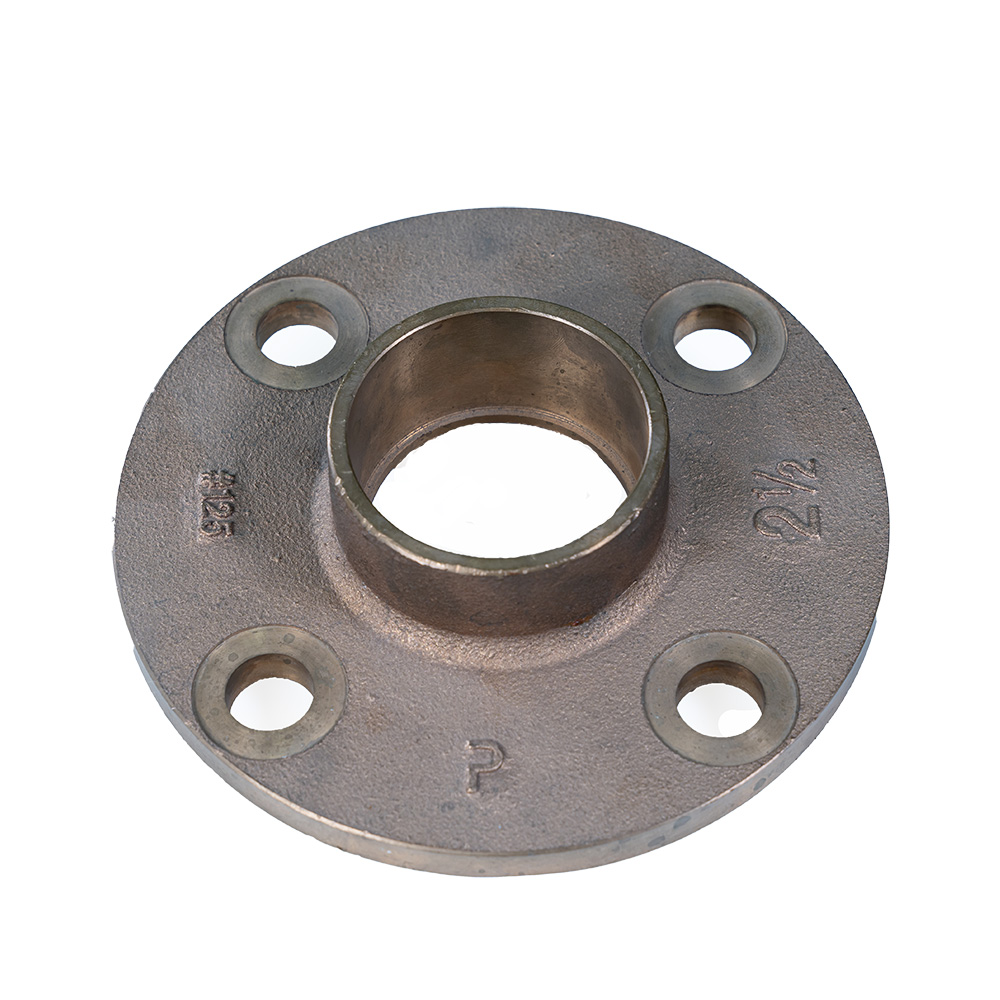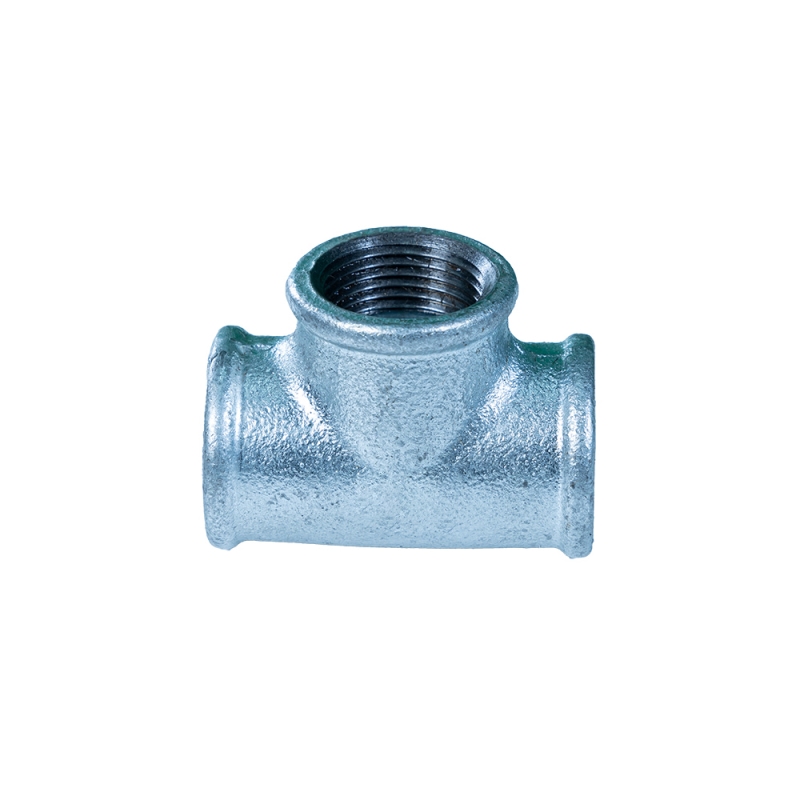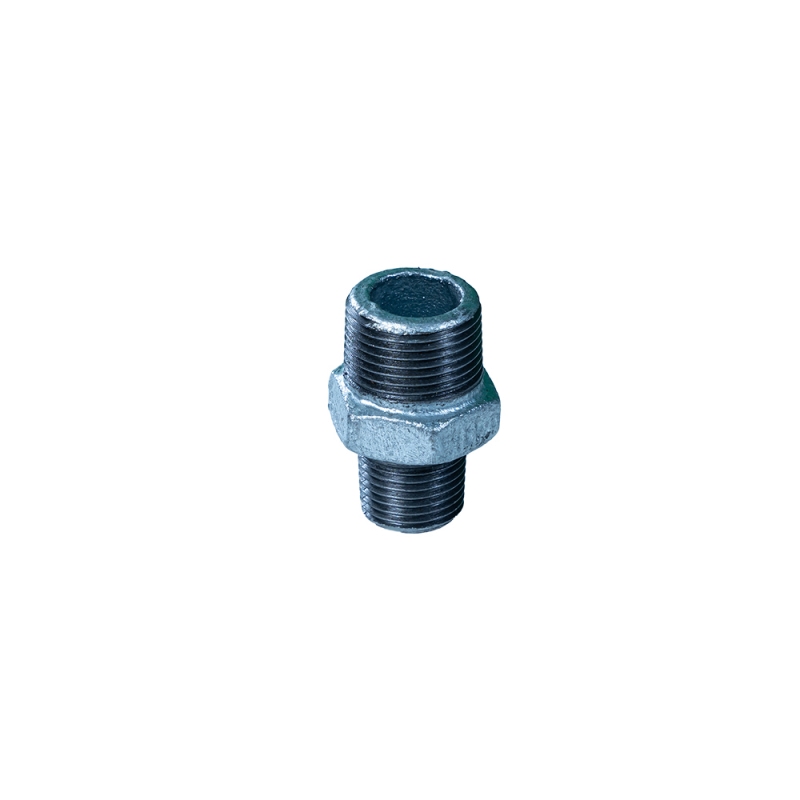

Understanding the 1.5 to 1.25 Reducer Coupling: A Practical Perspective
Having spent quite some time working hands-on in the industrial equipment world, I can tell you there’s something oddly satisfying about simple components that solve tricky challenges—like the 1.5 to 1.25 reducer coupling. You don’t often give these small fittings much thought, but in real terms, they play a pivotal role in streamlining pipeline transitions, helping teams avoid downtime and costly troubleshooting.
So what makes a reducer coupling from 1.5 inches down to 1.25 inches both a necessity and a smart choice? Well, straight off the bat, these couplings manage to marry two different pipe diameters while maintaining system integrity and pressure levels. I’ve noticed many engineers say the trick lies in ensuring the coupling's design minimizes turbulence and leakage—two headaches we’d all rather skip.
From my experience, the material choice is just as important as the size. Most of these couplings come in high-grade stainless steel or forged carbon steel, selected to withstand corrosive industrial environments and fluctuating temperatures. Frankly, a coupling that rusts or fails early is more expensive than the cost of a quality product itself. I recall a job where switching to stainless steel couplings cut down maintenance calls significantly, something the team was genuinely pleased about.
One thing I always check is the standard certifications these reducer couplings hold. API 5L and ASTM standards, for example, tell us that testing for pressure, durability, and dimensional accuracy isn’t guesswork. It’s reassuring for operators who’ve seen too many quick fixes in their day. Oddly enough, having those clear specs was the defining factor in choosing a vendor during a large-scale project. We needed reliability, and those certifications made the decision easier.
| Feature | Specification |
|---|---|
| Nominal Sizes | 1.5" x 1.25" |
| Material Options | Stainless Steel 304/316, Carbon Steel |
| Pressure Rating | 150-300 PSI (varies by material) |
| Connection Type | Butt Weld, Threaded |
| Applicable Standards | API 5L, ASTM A105, ASTM A182 |
| Operating Temperature | -20°C to 400°C |
Now, on vendor choices—if you ask me, this gets tricky fast. Every distributor has their secret sauce, but practical availability and support often tip the scales. Below is a quick comparison I jotted down from working with three popular vendors in our sector:
| Vendor | Material Range | Stock Availability | Certifications | Customer Support |
|---|---|---|---|---|
| PanNext Fittings | SS 304, SS 316, Carbon Steel | Excellent (fast shipping) | API 5L, ASTM Certified | Responsive & knowledgeable |
| SteelWorks Inc. | Carbon Steel only | Limited stock | ASTM A105 only | Moderate |
| PipeFlex Solutions | SS 304, Carbon Steel | Fair | API & ISO Certified | Good |
I suppose you could say the coupling is kind of like the quiet backstage crew in a play—you don’t notice it until something goes wrong. But a good reducer coupling will deliver quiet, smooth transitions in pipe diameter and help maintain operational flow without a hiccup. I remember a facility manager telling me once that switching to quality reducer couplings from a trusted supplier saved their team hours during startups. That sort of practical impact speaks volumes.
If you’re contemplating which reducer coupling to buy, I’d recommend factoring in your operating conditions and double-checking vendors for those crucial certifications. It’s a small component with outsized importance. And honestly, picking the right one makes your life easier — just ask around on the shop floor.
Thanks for sticking with me through this little dive into 1.5 to 1.25 reducer couplings. If you’ve got questions or experience to share, I’m all ears—sometimes the best insights come from swapping stories.
Quick takeaway: The right reducer coupling isn’t just about size — it’s about material, standards compliance, and reliable support coming together to keep your system flowing strong.
References:
1. API 5L Specification for Line Pipe
2. ASTM International Standards for Pipe Fittings
3. Industrial Corrosion Resistance Case Studies, Journal of Pipeline Engineering
Post time: Dec-10-2025