
Understanding the 2 1/2 x 2 Reducing Coupling: A Practical Guide for Industrial Pros
Having spent well over a decade in the industrial equipment sector, I've seen my fair share of pipe fittings – some more straightforward than others. The 2 1/2 x 2 reducing coupling is one of those minor yet vital components that often fly under the radar but cause no small headaches when overlooked. Frankly, it’s one of those parts where you either get it right the first time or you end up hunting for hours trying to source the correct size and spec at the last minute.
You might wonder, what makes the 2½-inch by 2-inch reducing coupling so necessary in pipework? Well, in real terms, it’s all about creating a smooth, reliable transition between pipe sections of different diameters, ensuring uninterrupted flow without leaks or pressure drops. If you’re in process piping, waterworks, or even HVAC systems, you probably know that a misfit connection can spell trouble—be it corrosion, vibration, or unexpected downtime.
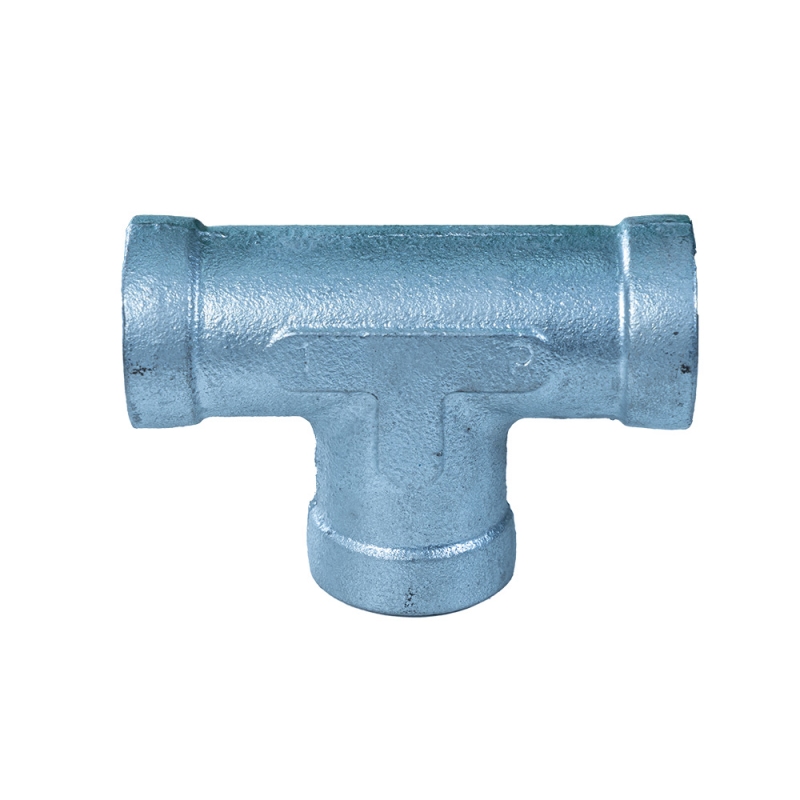
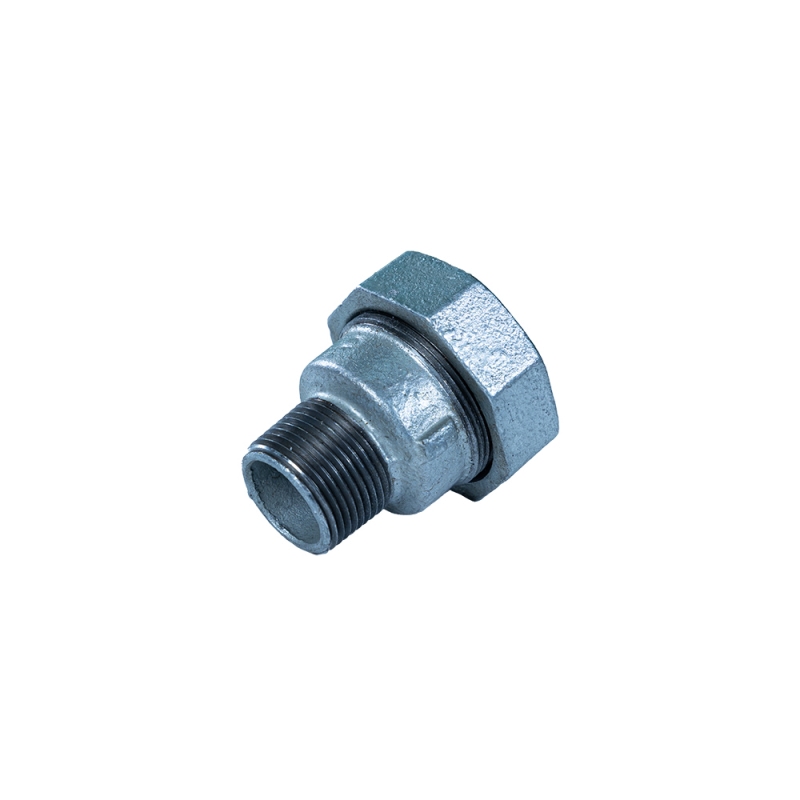
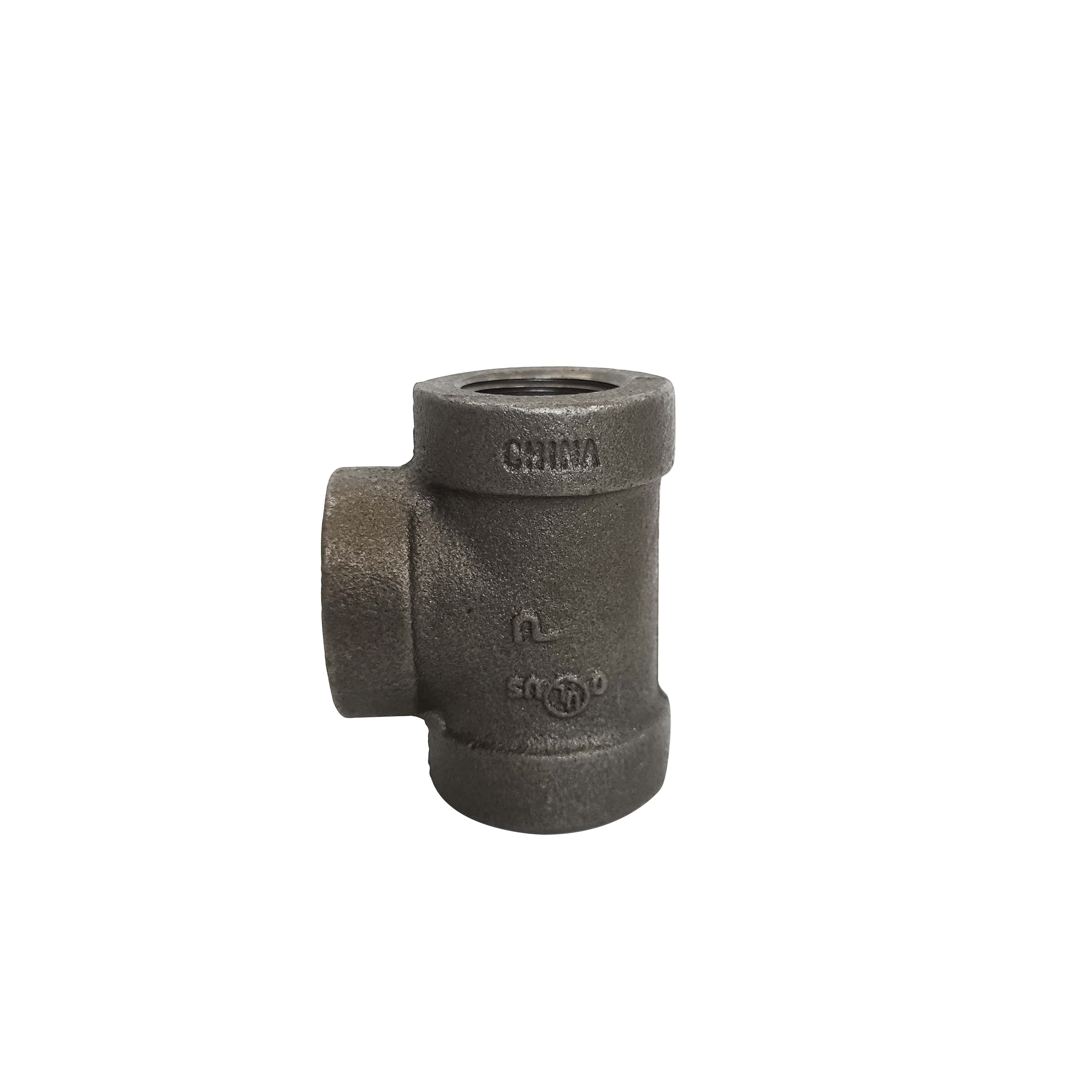
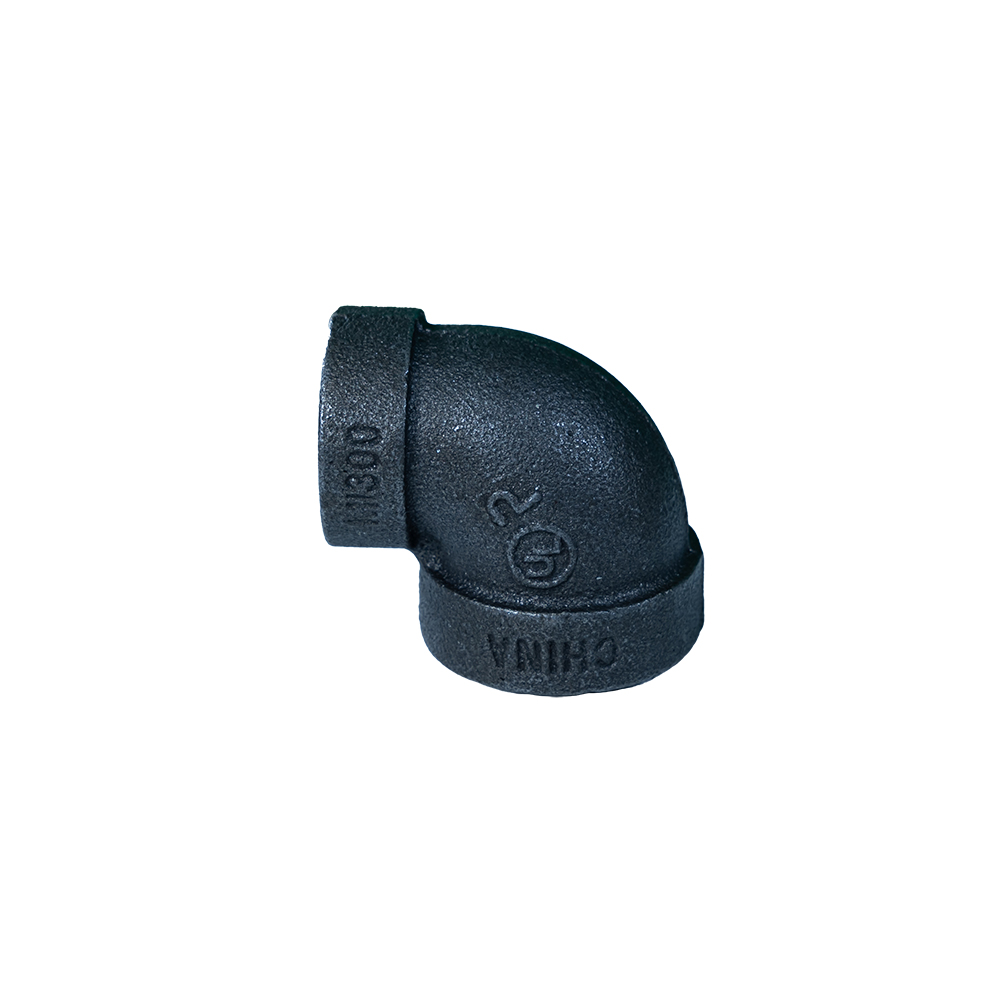
In my experience, these couplings tend to come in cast iron, malleable iron, or stainless steel varieties—each with its quirks. I’ve noticed stainless ones seem to be the go-to choice when corrosion resistance matters, especially in chemical plants. Though cast iron is cost-effective, it’s a bit less forgiving when it comes to impacts or temperature swings. You often find that the malleable iron strikes a decent balance between durability and affordability.
Speaking of specs, here’s a quick snapshot to keep in mind when sourcing or specifying a standard 2 1/2 x 2 reducing coupling:
| Parameter | Specification |
|---|---|
| Size (inches) | 2 1/2" (larger end) x 2" (smaller end) |
| Material | Cast Iron, Malleable Iron, Stainless Steel |
| Pressure Rating | Up to 300 PSI (varies by material and standard) |
| Standards | ANSI B16.3, ASTM A197, A536 |
| Ends | Threaded, Socket Weld (depending on design) |
Many engineers I've talked to swear by sourcing from reliable vendors who test for dimensional accuracy and material integrity – it truly pays off. Oddly enough, not all manufacturers label their specs consistently, so a little vigilance on your end can save some headaches. To give you some perspective, here's a comparison of popular vendors supplying 2 1/2 x 2 reducing couplings:
| Vendor | Material Options | Pressure Ratings | Certifications | Typical Lead Time |
|---|---|---|---|---|
| PanNext Fittings | Malleable Iron, Stainless Steel | Up to 300 PSI | ISO 9001, ASTM Compliant | 2-3 Days |
| Industrial Pipes Co. | Cast Iron, Malleable Iron | 250 PSI | ASTM B16.3 | 1 Week |
| PipeFit Masters | Stainless Steel | 300 PSI | ISO 9001 | 3-5 Days |
One time, on a tight project, a client was desperate for a quick turnaround on reducing couplings that met strict corrosion resistance and pressure demands. We ended up going with stainless steel options from PanNext, and I was pleasantly surprised at how quickly their shipment arrived – no delays, no hassle. You know, sometimes it’s these small wins that keep a project on track.
Customization is often possible too, though it depends on order volume and lead time. I recall a manufacturer accommodating an odd thread pitch request for a client working in offshore rigs – pretty niche but crucial for their setup. It's worth asking vendors about customization if your project demands it.
To sum up, the 2 1/2 x 2 reducing coupling may seem like a small piece of a puzzle, but selecting the right one influences the integrity, safety, and efficiency of your piping system. Trust me, experience counts when you specify these components—don’t overlook the details.
Hopefully, this rundown helps you feel a bit more confident about choosing the right reducing coupling next time you’re reviewing specs or placing orders. In the end, quality matters, and reliable suppliers like PanNext Fittings make a real difference.
References:
- ASTM Standards for Pipe Fittings, ASTM International
- ANSI B16.3 Threaded Fittings Standard
- Personal field experience (2010–2024) in industrial pipeline projects and maintenance
Post time: Dec-10-2025