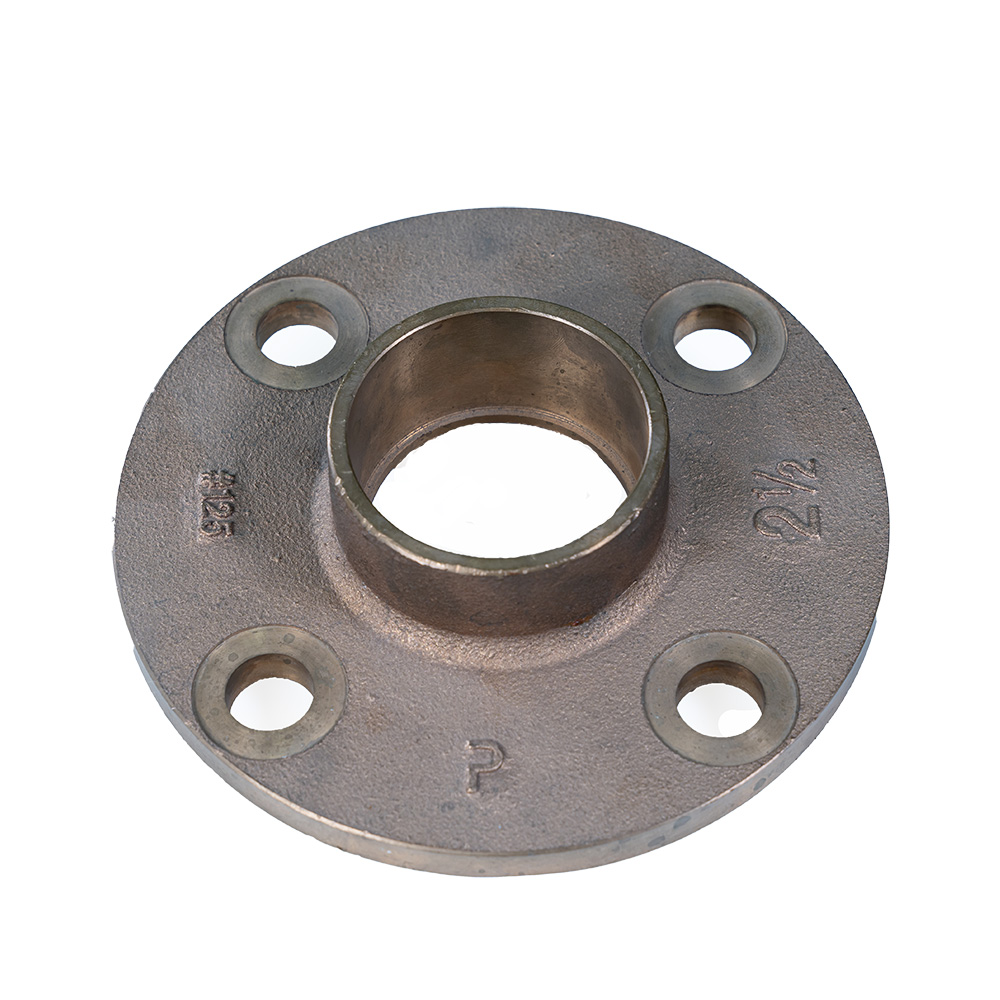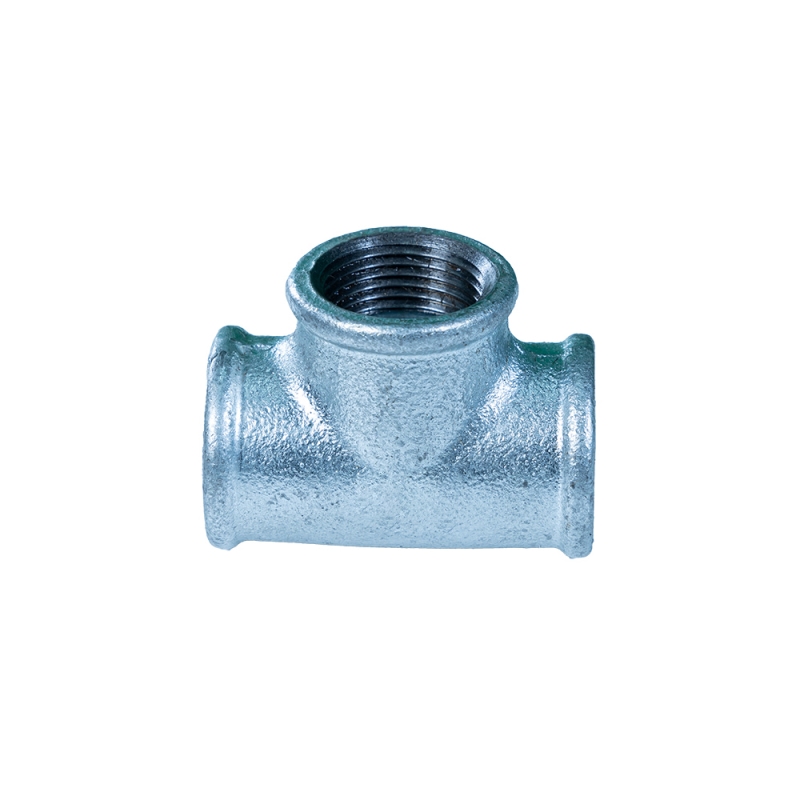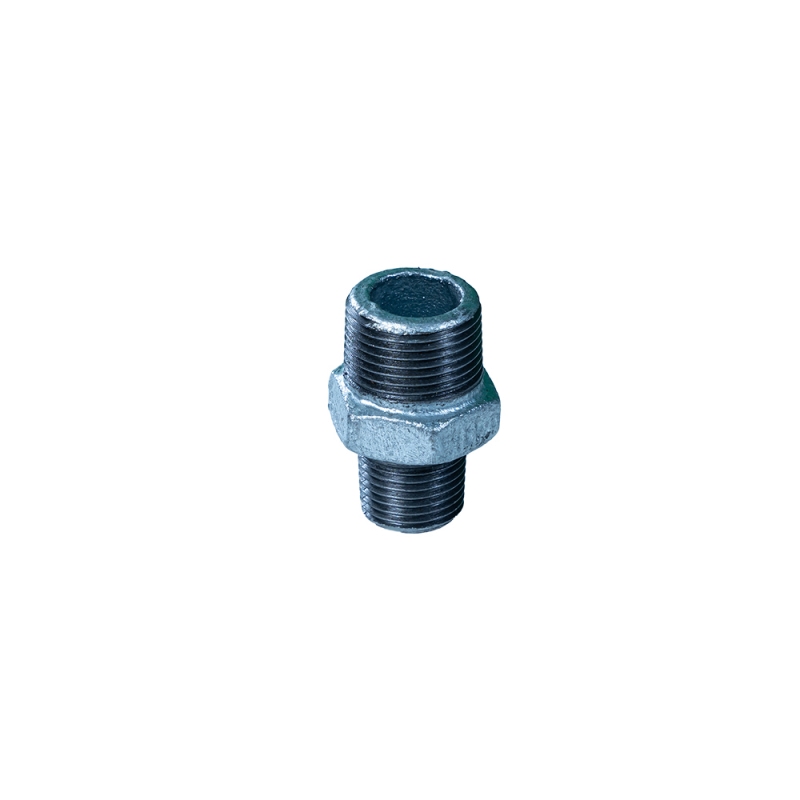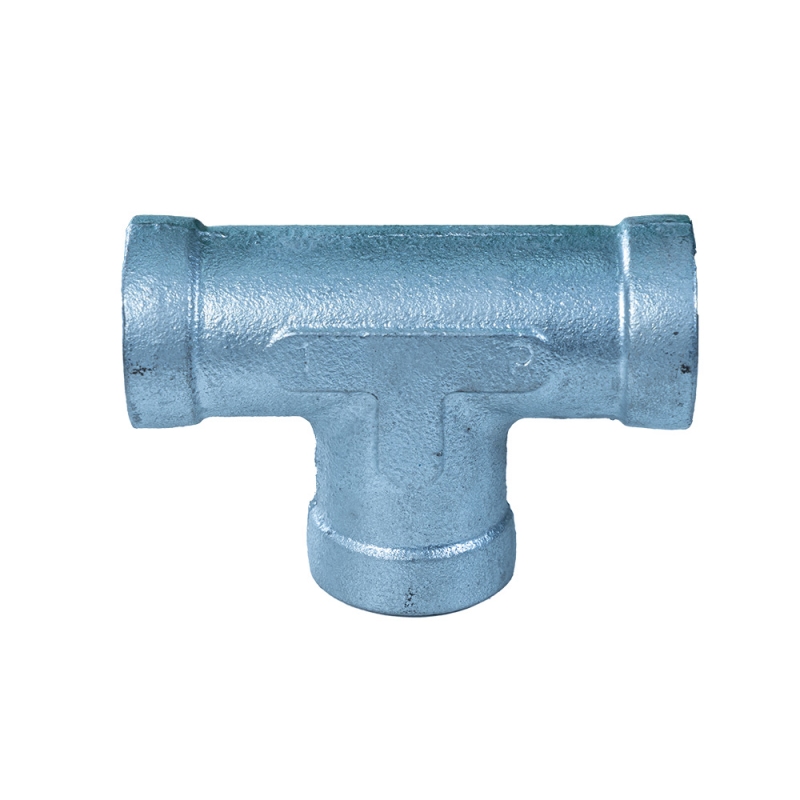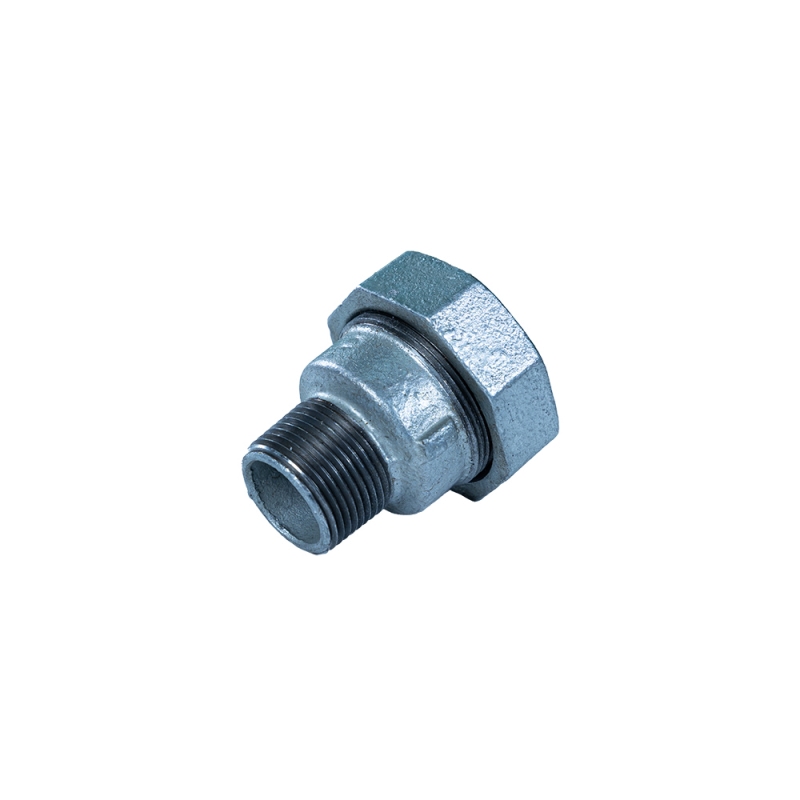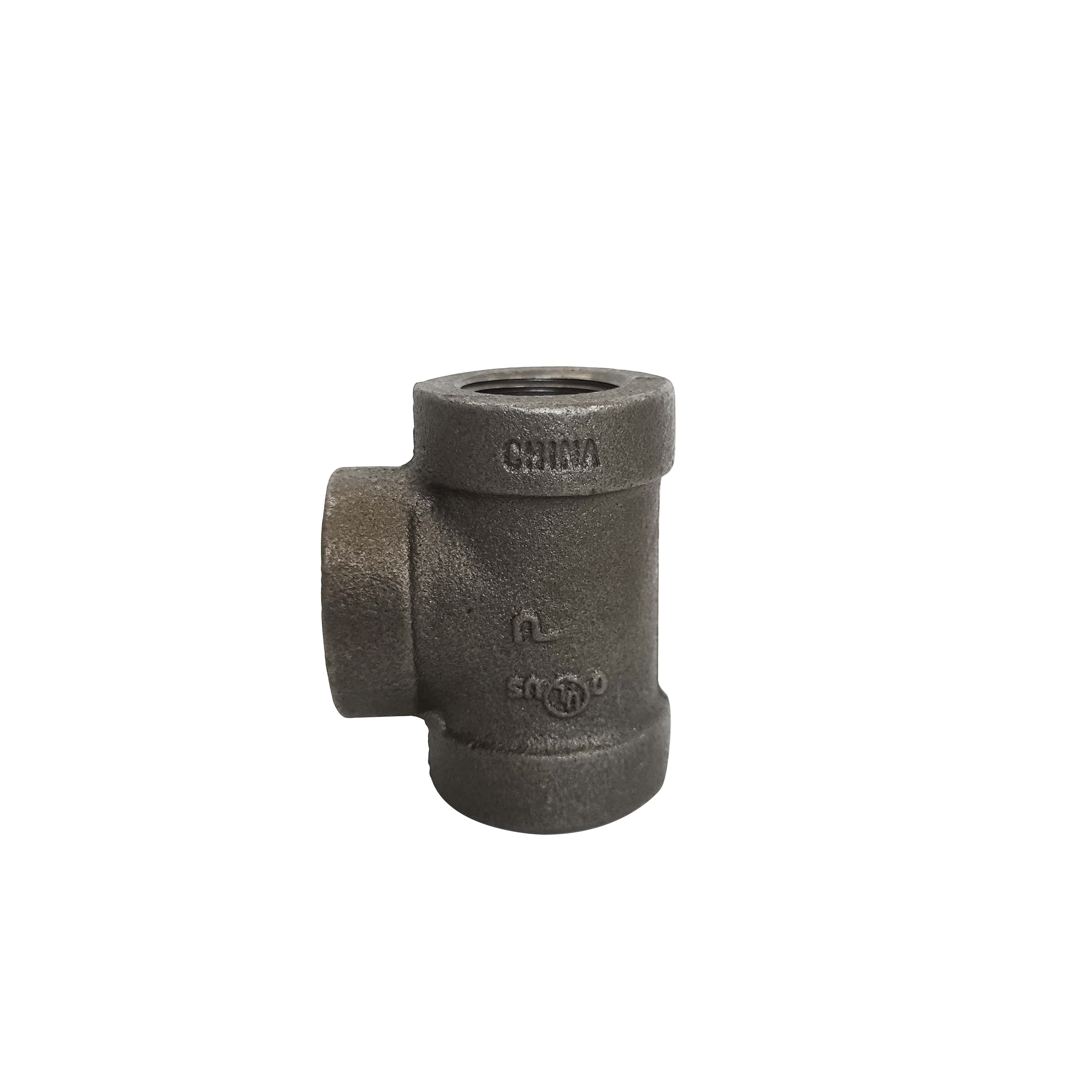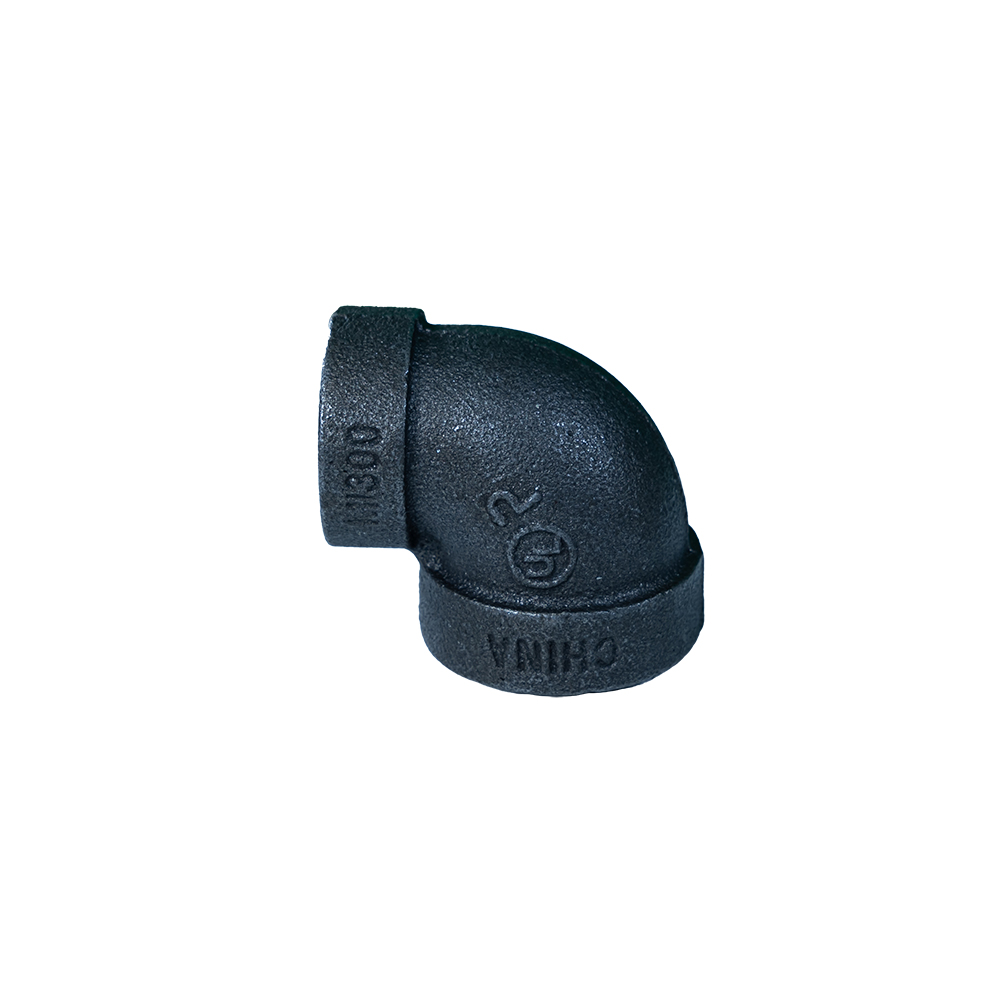

2 To 1 Reducer Coupling is a key solution in the industry, specifically within multiple sectors including oil & gas, water treatment, and heavy manufacturing. This article explores how https://www.pannextfittings.com supports professionals with durable, high-performance products, and explains why this product is an ideal choice for businesses in these sectors.
Table of Contents
- 2 To 1 Reducer Coupling Overview
- Benefits & Use Cases of 2 To 1 Reducer Coupling
- Cost, Maintenance & User Experience
- Sustainability & Market Trends
2 To 1 Reducer Coupling Overview
Simply put, a 2 To 1 Reducer Coupling is a mechanical device that allows the seamless joining of two pipes or tubes into one, reducing the size or flow path efficiently. This becomes particularly vital in systems that require flow control, pressure regulation, or space-saving designs. I suppose most engineers recognize it as an indispensable part of fluid management in industrial piping.
- Technically, these couplings are crafted from high-grade stainless steel or carbon steel, offering excellent corrosion resistance and mechanical strength.
- For example, in a recent water treatment plant retrofit, a 2 To 1 Reducer Coupling enabled a smooth transition from dual 4-inch pipes merging into a 6-inch main line, maintaining pressure without turbulence – quite impressive, really.
| Parameter | Specification |
|---|---|
| Material | 304/316 Stainless Steel, Carbon Steel |
| Size Range | Customizable, typically 1" to 12" |
| Pressure Rating | Up to 3000 PSI (varies by material) |
| Connection Type | Butt-weld, Threaded, Socket Weld |
| Industry Standards | ASTM, ASME B16.11, ISO certified |
Benefits & Use Cases of 2 To 1 Reducer Coupling
In real terms, the biggest advantage of these reducer couplings is the ability to combine flow paths without pressure drops or leaks. This really matters in industries like chemical processing, power generation, and hydraulics where fluid integrity is king. Frankly, the ease of installation, plus flexibility in materials and sizes, means fewer downtimes.
- The oil and gas sector, for instance, relies on these couplings to move fluids safely between different pipelines, often in harsh environments.
- Compared to traditional reducers, these couplings offer superior tensile strength and better seal integrity, minimizing leak risks. They’re also great for retrofits where welding or threading old pipes isn’t practical.
| Feature | PanNext Fittings | Competitor A | Competitor B |
|---|---|---|---|
| Material Options | Stainless & Carbon Steel | Stainless Steel Only | Carbon Steel Only |
| Customization | High | Medium | Low |
| Certifications | ISO, ASTM, ASME | ISO, ASTM | None |
| Lead Time | 2-3 weeks | 4-6 weeks | 3-4 weeks |
Cost, Maintenance & User Experience
When talking total cost of ownership, 2 To 1 Reducer Couplings tend to shine. The materials and modern manufacturing processes at PanNext Fittings lead to long-lasting performance, so replacements and leaks become rare. It does mean paying a slightly higher upfront price, but many clients tell me they quickly recoup that because downtime falls and maintenance costs shrink.
- One chemical plant manager shared how switching to these couplings reduced unscheduled repair time by 40%, which, frankly, was a game-changer.
- The ease of installation also appeals widely — no specialist welding required for some models speeds up projects and lowers labor costs.
Sustainability & Market Trends
Looking at the bigger picture, sustainability increasingly commands attention across industrial supply chains. Materials like stainless steel are recyclable, and precision manufacturing reduces waste significantly — factors where 2 To 1 Reducer Couplings fit perfectly. Plus, with tighter regulations on leakage and emissions, companies are actively seeking out fittings that assure long-term reliability.
- Oddly enough, market growth shows that systems adopting these couplings experience fewer compliance issues and lower environmental impact, making them a smart sustainable choice.
Frequently Asked Questions about 2 To 1 Reducer Coupling
- What is 2 To 1 Reducer Coupling and how does it work?
- It's a piping fitting that combines two pipe outlets into one single outlet, typically reducing the pipe size to manage flow or pressure. Couplings use compression, welding, or threading to securely join pipes, ensuring a leak-proof and sturdy connection.
- What are the main benefits of using 2 To 1 Reducer Coupling in industrial applications?
- Key advantages include improved flow management, space efficiency, durability under pressure, and reduction of installation time. They also often cut down maintenance headaches because of their robust design.
- How does 2 To 1 Reducer Coupling compare to traditional alternatives?
- Unlike conventional reducers or multiple fittings, 2 To 1 Reducer Couplings offer a streamlined approach with fewer leak points and typically better mechanical strength. Their modularity also makes retrofits simpler.
- What industries can benefit most from 2 To 1 Reducer Coupling implementation?
- Industries like oil and gas, chemical manufacturing, water treatment, power plants, and shipbuilding all see notable benefits. Each of these requires reliable flow control where these couplings fit perfectly.
Conclusion on 2 To 1 Reducer Coupling from china
To wrap it up, 2 To 1 Reducer Couplings provide a reliable, efficient, and cost-effective solution for complex piping requirements. Their robust design and adaptability perfectly suit dynamic industrial environments. Whether it's upgrading existing systems or new installations, their role is undeniable. If you’re interested in dependable fittings tailored to your requirements, visit our website and discover what PanNext Fittings can offer.
Just a quick reflection: in my years covering industrial fittings, I’ve found that reliable, well-made reducer couplings often save more headaches than one might expect. It’s about the little things that make complex systems run smoothly.
References:
1. ASTM International Standards for Steel Couplings
2. Industry Case Studies – Water Treatment Plants, 2023
3. PanNext Customer Testimonials and Technical Datasheets
Post time: Dec-10-2025