
Everything You Need to Know About the 1 1/2 Black Union
When it comes to piping and industrial fittings, the 1 1/2 black union isn't exactly what you'd call glamorous, but it quietly does some of the heaviest lifting behind the scenes. Understanding this essential fitting matters—not only to engineers and contractors but practically anyone involved in fluid systems, be it water, oil, or gas. Its compact design, reliability, and cost-effectiveness have made it a global staple in numerous industries, offering easy assembly and disassembly without compromising system integrity.
Why the 1 1/2 Black Union Matters Globally
Across the world, infrastructure projects—from urban utilities to remote oil fields—demand dependable piping solutions. According to the International Organization for Standardization (ISO), industrial fittings like unions must meet stringent criteria to ensure safety and efficiency. The 1 1/2 black union plays a crucial role in enabling rapid maintenance, minimizing downtime, and preventing costly leaks or failures.
For instance, the water sector faces persistent challenges, including aging pipes and the need for quick repairs amid growing populations, as highlighted by UN water data. Solutions like the 1 1/2 black union help utilities keep systems running smoothly, reducing both material wastage and labor costs.
What is a 1 1/2 Black Union?
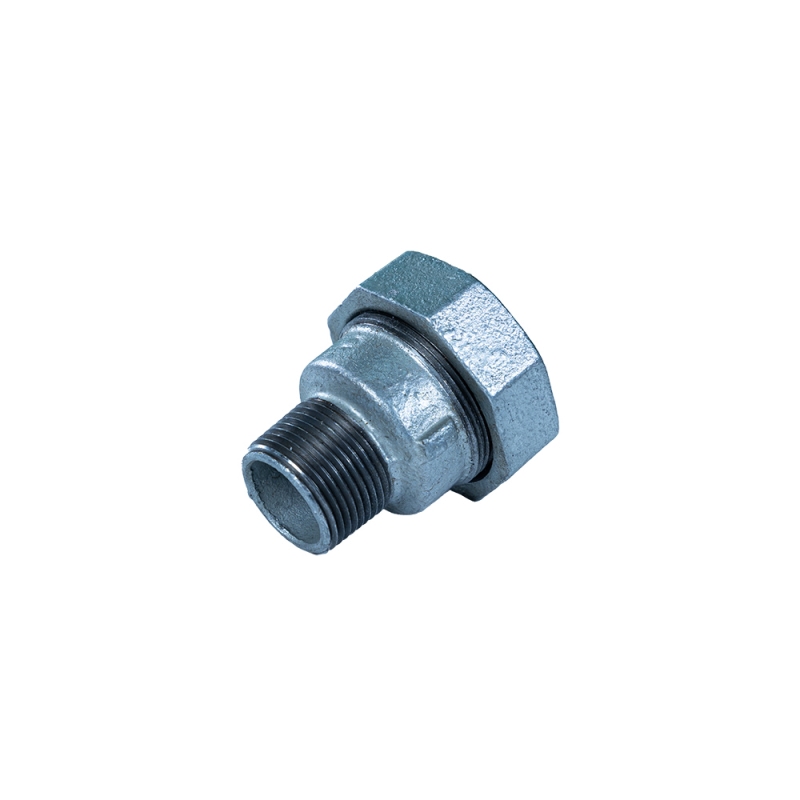
In simple terms, a 1 1/2 black union is a pipe fitting typically made from black steel that joins two sections of pipe, allowing them to be connected or disconnected with ease. The '1 1/2' refers to the nominal pipe size (NPS), meaning this union is designed for pipes approximately 1.5 inches in diameter. Unlike threaded or welded joints, unions can be unscrewed without cutting pipes, which is super helpful during equipment servicing or system modifications.
Black unions get their name from the black oxide coating that protects the steel from corrosion during storage and transportation. They are widely used in industries where strength and durability under high pressure matter, such as oil and gas, HVAC, and water treatment.
Key Features of the 1 1/2 Black Union
1. Durability and Strength
Black unions are known for their impressive tensile strength and resistance to abrasion. The carbon steel body withstands pressure and temperature fluctuations common in industrial environments—think pipelines in harsh climates or high-pressure steam lines.
2. Ease of Installation and Maintenance
The union design lets technicians quickly connect or disconnect sections without heavy equipment or pipe cutting. This translates to significant time savings, especially in complex systems where downtime costs money.
3. Cost Effectiveness
Compared to welding or flanged connections, black unions can reduce labor costs and material wastage. Plus, because they can be reused, they often yield long-term savings.
4. Compatibility and Versatility
They fit standard pipe sizes and threading, making them compatible across various systems and materials. Whether steel, copper, or galvanized pipes, unions enable flexible configurations.
5. Corrosion Resistance (with Coating)
While black unions require protective coatings or paints when used outdoors or in moist conditions, their natural steel provides solid resistance when properly treated.
| Specification | Value |
|---|---|
| Nominal Pipe Size (NPS) | 1 1/2 inch (40 mm) |
| Material | Carbon Steel (Black Oxide Coated) |
| Pressure Rating | 3000 PSI (Approx.) |
| Thread Type | NPT (National Pipe Thread) |
| Temperature Range | -20°C to 120°C |
Global Applications & Real-World Use Cases
- Oil & Gas Industry: Pipelines transporting crude oil and gas rely heavily on black unions for leak-proof and easy-to-service joints.
- Municipal Water Supply: Water utilities use them extensively for repairs and modular expansions, especially in fast-growing cities.
- HVAC Systems: Heating and cooling systems incorporate unions to allow efficient maintenance without system shutdown.
- Disaster Relief: Engineers set up temporary water distribution networks quickly using unions, which are easier to adapt than welded joints.
Oddly enough, even in remote industrial zones, where logistics are tricky, the simplicity of a 1 1/2 black union means fewer failures and easier fixes—very valued when expert labor may be scarce.
Vendor Comparison: Selected 1 1/2 Black Union Suppliers
| Vendor | Material Quality | Price Range (USD) | Delivery Time | Certifications |
|---|---|---|---|---|
| PanNext Fittings | Premium Carbon Steel | $12 - $18 | 2-4 Weeks | ISO 9001, ASTM Approved |
| GlobalSteelWorks | Standard Carbon Steel | $10 - $15 | 3-5 Weeks | ISO 9001 Certified |
| SteelTech Suppliers | High-Grade Alloy Steel | $14 - $20 | 1-3 Weeks | ASTM & API Standards |
Advantages & Long-Term Benefits
The reliability of the 1 1/2 black union offers tangible benefits. First off, it reduces system downtime—a godsend for industries where interruptions spoil profits. It’s economical, too, by cutting out the need for frequent replacements or intensive repairs. From a sustainability viewpoint, durable fittings help reduce material waste, reinforcing circular economy principles.
And then there’s the emotional side—you know, the peace of mind that comes with knowing your systems won’t leak or fail under pressure. It’s the kind of trust that fuels innovation and better safety standards worldwide.
Looking Ahead: Trends & Innovations
Oddly enough, unions as simple as the 1 1/2 black union are evolving. New coating technologies aim to enhance corrosion resistance even further—think ceramic or nano-based paints. Additive manufacturing (3D printing) is also on the horizon for producing custom unions with complex shapes and internal features.
Digital transformation means smart fittings with sensors to monitor pressure and leakage might become standard, improving predictive maintenance. And of course, sustainability drives the exploration of greener materials or lighter alloys without compromising strength.
Challenges and How Experts Solve Them
While black unions are hardy, challenges remain: they can be prone to rust if coatings fail, and improper installation can cause leaks. Experts emphasize strict adherence to torque specs and recommend protective paints in harsh environments.
Maintenance teams incorporate ultrasonic testing to spot faults early. There's also a push to improve threading standards globally to ensure compatibility and reduce cross-industry failures.
FAQ: Your Top Questions on 1 1/2 Black Union
- How do I choose the right black union for my piping system?
- Consider pipe size compatibility, pressure rating, material type, and environmental conditions. For 1 1/2 inch pipes, ensure the union matches NPT threading and supports your system’s operating pressure and temperature.
- Can I use a 1 1/2 black union outdoors without extra protection?
- Generally, black unions need additional protective coatings or paint to resist corrosion outdoors or in moist environments. Regular inspection helps identify any coating damage early.
- What industries most commonly use 1 1/2 black unions?
- They are widely used in oil and gas, water treatment, HVAC systems, and emergency infrastructure setups, thanks to their durability and ease of service.
- Is a union fitting better than welding for maintenance?
- Yes, unions allow quick disconnection and reconnection without cutting pipes, saving time and labor costs during regular maintenance or system upgrades.
For more detailed product options and expert advice, check out 1 1/2 black union suppliers who can tailor solutions for your specific needs.
Conclusion
In real-world terms, the 1 1/2 black union is a quiet powerhouse behind countless piping systems worldwide. Its blend of strength, affordability, and serviceability offers industries a durable solution that respects budgets and timelines. Looking ahead, innovations will only enhance its performance and sustainability footprint. So if you’re looking to upgrade your connections or streamline maintenance, it’s really worth exploring the options around these nifty fittings.
Visit our website: https://www.pannextfittings.com for detailed specs and personalized support.
Post time: Dec-02-2025